
Reviewed · HANOI COFFEE TOURS
Vietnamese Bread & Brew: Banh Mi Baking Class & Specialty Coffee
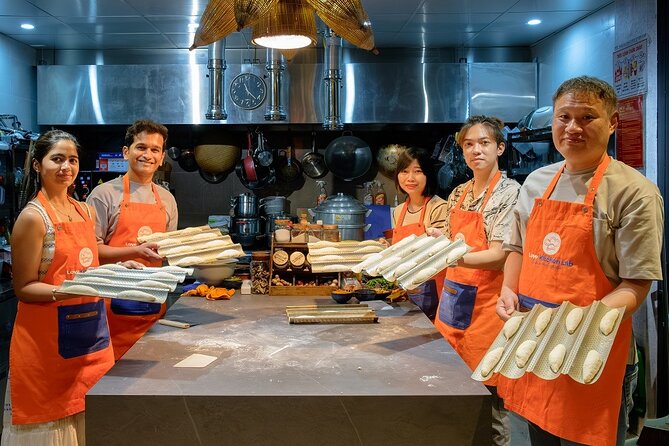
The best part of this Hanoi class is its narrow focus: you spend four hours making banh mi from scratch, rather than rushing through a long menu of unrelated dishes. You knead baguette dough, pickle vegetables, prepare meat or tofu, mix sauces, and finish with Vietnamese coffee in a local home kitchen.
I like the clear, hands-on structure, where each person has a useful role, and I like the coffee lesson because egg, salt, and coconut coffee show a side of Hanoi food culture beyond the usual cup of black coffee. The main thing to consider is the location: Love Kitchen Lab is in Nhật Tân, in the Tây Hồ area, not Hanoi’s old center.
The team is friendly and patient. Jane has even helped a sick customer by offering another date and later sending gifts when that person had already left Hanoi. That kind of care is unusual. Still, this is a cooking class, not a sightseeing tour, so book it for the food and conversation rather than for city views.
Key points at a glance
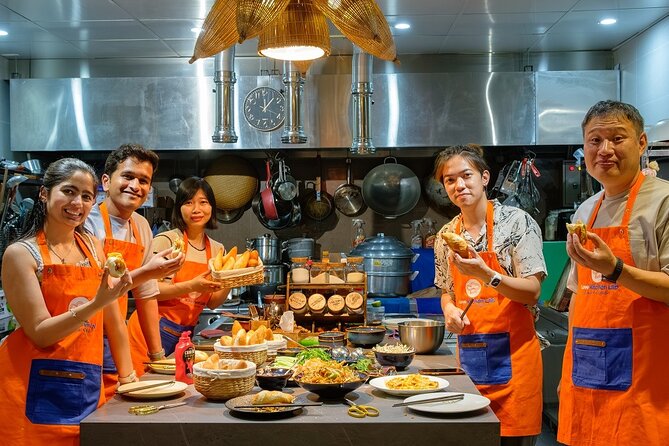
- Banh mi is the main event: Make the baguette, pickles, fillings, and sauces instead of simply assembling a sandwich.
- Coffee gets equal attention: Learn traditional methods for egg coffee, salt coffee, or coconut coffee, depending on the class offering.
- Small-group cooking: The maximum group size is 15, with each person given a role and a purpose.
- Home-kitchen setting: The lesson takes place at Love Kitchen Lab in Hanoi’s Tây Hồ district.
- Useful take-home extras: You receive a digital recipe booklet and can request a cooking certificate.
- Good practical value: The $34 price includes ingredients, equipment, instruction, homemade wine tasting, and luggage storage for up to two days.
Why this class focuses on banh mi
Banh mi looks simple from the outside: bread, fillings, vegetables, and sauce. The pleasure comes from getting the balance right. A crisp baguette needs to hold savory meat or tofu, sharp pickles, fresh vegetables, and a sauce without turning soggy.
This class explains how that balance developed. You hear how a French-style baguette became part of Vietnamese food culture, then changed through local ingredients, local tastes, and street-food habits. That context matters because you are not just copying a sandwich. You are learning why banh mi tastes the way it does.
I prefer a class with a clear subject. Standard cooking lessons can try to cover spring rolls, noodle dishes, curries, and dessert in a single afternoon. Here, the narrow subject gives you time to pay attention to dough texture, pickling, fillings, and sauces. You have a better chance of repeating the recipe at home.
The setting also shapes the experience. Love Kitchen Lab is described as a local home kitchen, which gives the lesson a more personal feel than a large restaurant classroom. You cook alongside the host and other participants, rather than watching a chef work from across a demonstration counter.
More egg coffee and cafe stops in Hanoi:
- Hanoi Coffee Experience: 6 Brews, 9 Recipes & 3 Liquor Tastings
★ 5.0 · 2,945 reviews - Hanoi Coffee Workshop: Taste Salt, Coconut and Egg Coffee
★ 5.0 · 1,286 reviews - Hanoi: Salt Coffee Workshop Awake Your Senses With 6 Brews
★ 5.0 · 792 reviews
Arriving at Love Kitchen Lab in Tây Hồ
The meeting point is Love Kitchen Lab, at Đào Tạo Nghề Quốc Tế519, 519 Đ. Âu Cơ, Nhật Tân, Tây Hồ, Hanoi 10000. The activity begins and ends there, and the location is near public transportation.
This address is worth checking carefully before you set out. Tây Hồ is a popular area, but it is not the same as Hanoi’s old quarter. Give yourself enough time to reach the kitchen, especially if you are coming from another part of the city. A mobile ticket makes entry simple, but you still need to arrive at the correct meeting point.
The class lasts about four hours. That is a useful length for bread dough, pickled vegetables, fillings, coffee, and a sit-down meal. You should not expect a quick demonstration followed by a snack. The schedule is designed around doing the work yourself.
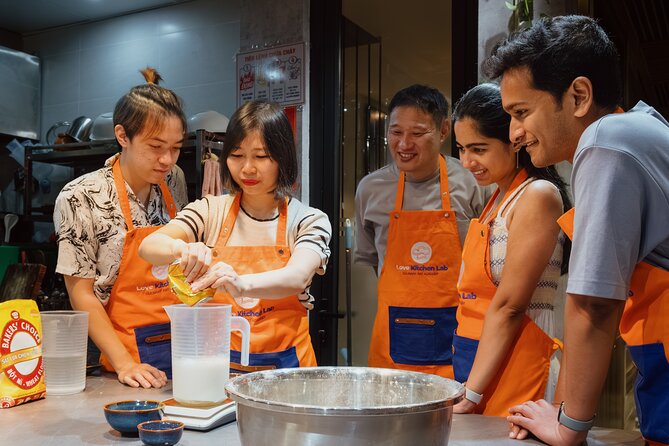
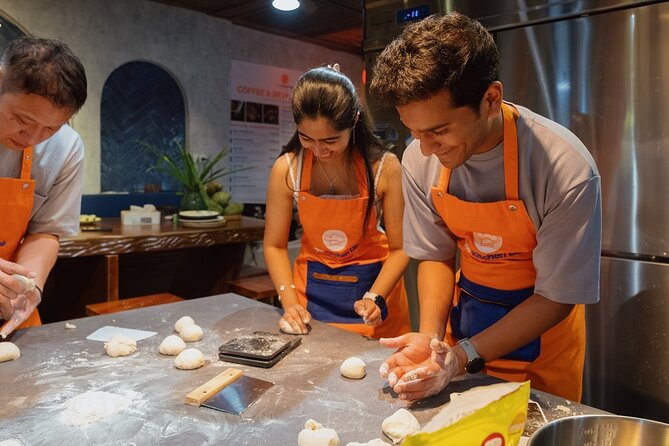
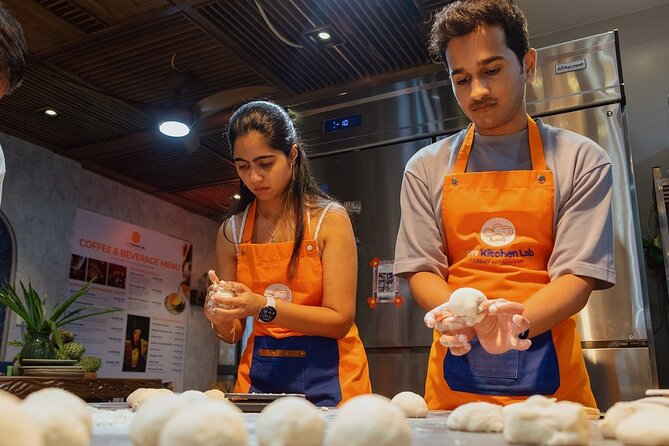
The group can include up to 15 people. That is not a private lesson, but it is still small enough for a structured group class. One strong detail is that everyone receives a role and a purpose. You are less likely to spend the afternoon standing around while one person does all the chopping or mixing.
Kneading the baguette dough from scratch
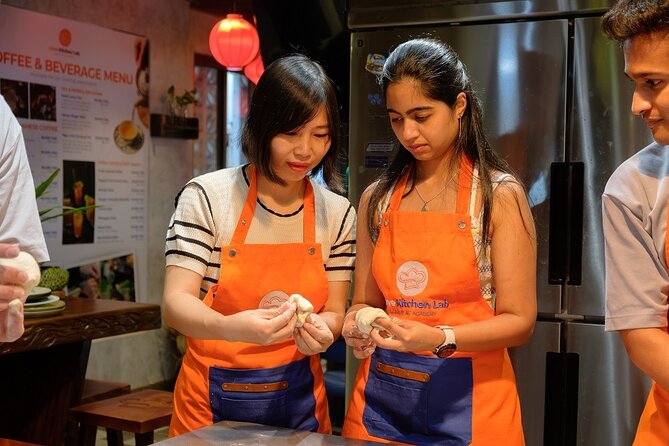
The bread section begins with dough. You knead it yourself rather than starting with purchased rolls. This is one of the most useful parts of the class because bread is often the step that home cooks skip when recreating banh mi.
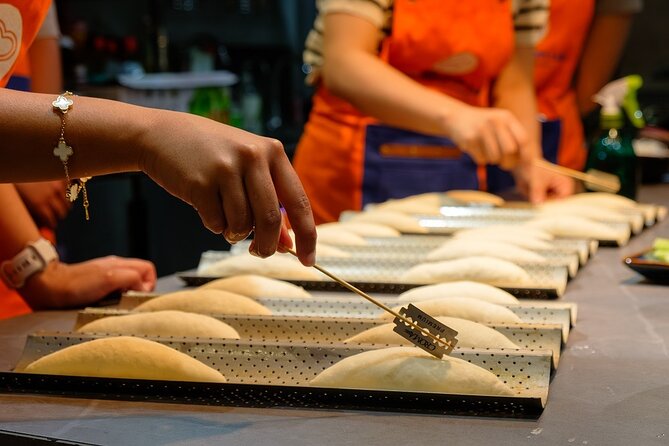
The instructor guides you through the process in a methodical way. You can expect attention to the feel of the dough and the stages needed before it becomes a baguette. The information supplied does not give exact baking times or oven details, so do not treat this as a full professional bread course. It is a practical introduction tied to the sandwich you will eat later.
Making the bread also gives you a better sense of what banh mi requires. The loaf is not just a container. Its texture has to work with wet pickles, sauces, and savory fillings. If the bread is too soft, the sandwich loses its bite. If it is too dense, the fillings become hard to balance.
This is where the hands-on format earns its keep. You can ask questions while your dough is being handled, rather than trying to remember a quick demonstration. The clear, step-by-step teaching is especially helpful for anyone who has not worked with bread before.
Pickling vegetables for sharp contrast
Next comes the vegetable preparation. Pickled vegetables bring acidity and crunch to banh mi, cutting through the richer filling and sauce. They may look like a small garnish, but they help define the sandwich.
You prepare the pickles yourself, learning how this part fits into the wider flavor balance. The class description does not specify the exact vegetables or pickling liquid, so you should not expect a detailed list in advance. What you do get is the method and the reason for including them.
I like this part because it turns a familiar sandwich into a lesson in balance. Many home versions pile on meat and sauce but forget the sharp, crisp element. Once you understand the role of pickles, you can adjust a homemade banh mi more intelligently.
The work is also manageable for a mixed group. Chopping and preparing vegetables gives each person a clear task, and the class team can keep an eye on the progress. The emphasis is on participation, not speed.
Something completely different for the rest of your time in Hanoi:
- Hanoi Jeep Tour: Food, Culture and Fun by Vietnam Army Jeep
★ 5.0 · 15,222 reviews - Full-Day Ninh Binh Highlights Tour from Hanoi
★ 5.0 · 7,761 reviews - Hanoi: Ha Long Bay Day Cruise – Swimming, Meal, Kayaking
★ 4.7 · 7,415 reviews - Hanoi: Water Puppet Show Tickets
★ 4.6 · 7,029 reviews
Choosing meat or tofu and building the filling
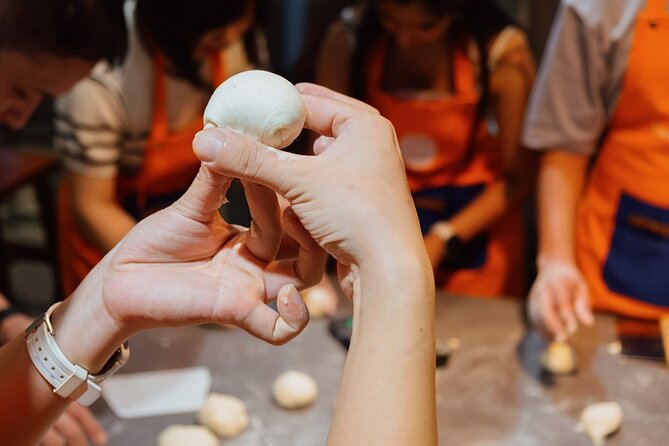
The filling includes a meat or tofu option. That gives the class some flexibility, though the supplied details do not identify the exact meat, tofu preparation, or options for specific dietary needs. If you have an allergy or a strict diet, ask the provider before booking rather than assuming every substitution is available.
You prepare the savory filling and the sauces, then bring the components together. This is the point where the earlier work starts to make sense. Bread, pickles, filling, and sauce each have a job, and the finished sandwich should not be dominated by just one of them.
The class is well suited to people who like to understand a dish in stages. You do not simply receive a recipe card and assemble ingredients at the end. You work through the building blocks, then eat the result with your host and fellow participants.
The provided ingredients are described as fresh and top-grade, and the oil is never-used for the cooking. That is a reassuring detail for anyone cautious about food hygiene. It does not replace sensible care, but it shows that kitchen standards are part of the experience rather than an afterthought.
Brewing Hanoi-style egg, salt, or coconut coffee
Coffee is the second half of the class, not a token drink served after lunch. You learn about Vietnamese coffee culture and make a specialty drink using traditional methods. Depending on the class offering, this may be egg coffee, salt coffee, or coconut coffee.
Egg coffee is Hanoi’s best-known specialty among these choices. Its appeal comes from the contrast between strong coffee and a creamy egg mixture. Salt coffee uses a different balance, while coconut coffee adds another sweet, creamy direction. The exact option may vary, so check what is planned if one particular drink is your main reason for booking.
This section makes the class more useful for a Hanoi visit. You can find coffee all over the city, but understanding how these drinks are made gives you more context when you order one later. You also leave with a recipe you can try at home, though your local ingredients and equipment may not produce exactly the same result.
The teaching is described as detailed and easy to follow. That matters here because coffee preparation can look simple until you try to control texture and proportion. As with the banh mi, the class is designed so you do the work, not just watch the host.
Sitting down to eat your own work
At the end, you eat the banh mi you made with the hosts and the group. This meal is more than a reward. It gives you a chance to compare the final result with the steps you just completed and to ask last questions while the details are fresh.
The food is paired with the coffee you prepared. That makes the finish feel complete: bread, filling, pickles, sauces, and drink all belong to the same food story. You also receive a free homemade wine tasting, which adds another local touch. The supplied information does not specify the wine style or quantity, so think of it as an extra taste rather than a separate tasting tour.
The social side is part of the appeal. One especially useful detail is that the staff are funny and accommodating, while still keeping the lesson organized. A good cooking class needs both qualities. Too much joking can make the instructions vague, while too much formality can make a home-kitchen experience feel stiff.
This class seems to find a reasonable middle ground. You work, listen, eat, and talk. If you prefer a quiet private lesson with no group interaction, the maximum of 15 people may feel less personal. If you enjoy meeting people over food, the shared meal is a strong finish.
What the $34 price includes
At $34 per person, the value depends on how much hands-on cooking you want. The fee includes about four hours of instruction, all ingredients, cooking equipment, the banh mi and coffee lesson, the meal you prepare, and homemade wine tasting.
You also receive free luggage storage for up to two days. That is a practical bonus if you are between accommodations or have a later departure, although you should confirm the storage arrangement directly when booking. A digital recipe booklet helps you repeat the dishes at home, and a cooking certificate is available on request.
The price does not include soda or pop beverages, tips, personal expenses, or anything not listed. That is easy to manage, but do not assume every drink is covered simply because coffee is part of the lesson.
For a four-hour class with food, instruction, equipment, a meal, and take-home recipes, $34 is a fair price. I would not book it because it is the cheapest cooking class in Hanoi. I would book it because the focus is tight and the work is hands-on. You get more value if you care about learning the process, not just eating a banh mi.
Who will enjoy this four-hour class
I would recommend this experience to you if you like food classes with a clear subject. It suits first-time cooks because the instructions are methodical, and it also suits experienced home cooks who want to understand Vietnamese bread, pickles, sauces, and coffee as a connected meal.
It is a good choice for couples, friends, and solo visitors who like a social setting. Group discounts are available, which may improve the value for families or larger parties. The class also works for anyone who wants a useful rainy-day or hot-weather activity that does not depend on walking around Hanoi.
You should think twice if your schedule is very tight. Four hours is a serious portion of a Hanoi day, and the class is outside the old center. You should also ask ahead about ingredients if you need a specific vegetarian, vegan, allergy-safe, or religiously suitable meal. The available information confirms a meat or tofu filling, but it does not promise every dietary adjustment.
The class is less suitable if you want a market visit, a street-food crawl, or a broad survey of Vietnamese cooking. You will not be moving from one food stall to another. You will spend the session in one kitchen, concentrating on two food subjects.
Small details that make the booking easier
Confirmation is provided when you book, and the activity accepts a mobile ticket. The experience ends back at the starting point, so you do not need to arrange a separate return transfer from the class.
Free cancellation is available up to 24 hours before the start time for a full refund. Changes or cancellations inside that 24-hour window are not accepted and are not refunded. The cut-off uses local Hanoi time, so check the time carefully if you are booking from another country.
The operator is Love Kitchen Lab. The class has a perfect five-star rating from 77 reviews and is recommended by 100 percent of the listed participants, but the useful point is what the format delivers: organized roles, clear instructions, and a friendly staff. One customer who became ill and could not attend received an offer to move to another day, then gifts by courier after leaving Hanoi. You should not book expecting gifts, of course, but it suggests a caring approach when plans go wrong.
Should you book the Love Kitchen Lab class?
Book it if you want to learn one of Hanoi’s signature foods properly, with enough time to make the bread, pickles, filling, sauces, and coffee yourself. The $34 fee is sensible for the amount included, and the digital recipes give the class value after you leave Vietnam.
Before booking, check the route to Tây Hồ and ask about the exact coffee option and any dietary needs. Choose this over a general Vietnamese cooking class if banh mi and specialty coffee are the dishes you most want to understand.
Skip it if you are seeking a fast meal, a sightseeing stop, or a street-food tour. For a focused food lesson with a personal home-kitchen feel, this is a strong Hanoi choice.
FAQ
Where does the banh mi class take place?
The class takes place at Love Kitchen Lab, Đào Tạo Nghề Quốc Tế519, 519 Đ. Âu Cơ, Nhật Tân, Tây Hồ, Hanoi 10000, Vietnam.
How long does the experience last?
The activity lasts approximately four hours.
How many people can join the class?
The maximum group size is 15 participants.
What will I learn to make?
You will learn to make banh mi from scratch, including the baguette dough, pickled vegetables, savory meat or tofu fillings, and sauces. You will also learn to prepare Vietnamese specialty coffee.
Which Vietnamese coffee will I make?
The class may include egg coffee, salt coffee, or coconut coffee. The exact option should be confirmed with the provider before booking.
Is luggage storage available?
Yes. Free luggage storage is available for up to two days.
What happens if I cancel?
You can cancel at least 24 hours before the start time for a full refund. Cancellations or changes made less than 24 hours before the start time are not accepted and are not refunded.
More hands-on classes and workshops in Hanoi
- Hanoi: Handcrafted Wood Carving Workshop with Local Artisan
★ 5.0 · 733 reviews - Hanoi Cooking Class and Market Tour in Ancient House
★ 5.0 · 379 reviews - Hanoi Maya Kitchen: Traditional Cooking Class & Market Tour
★ 5.0 · 287 reviews - Hanoi Cooking Class: Pho/Bun Cha/Banh Xeo…+Free Egg/Salt Coffee
★ 5.0 · 267 reviews
More cooking classes in Hanoi
- Hanoi Cooking Class: Culture, Local Market & Meaning CSR Impact
★ 5.0 · 5,147 reviews - 5 Traditional Dishes Hanoi Cooking Class with Market Trip
★ 5.0 · 4,890 reviews - Vietnamese Food Cooking Class in Hanoi with Market Experience
★ 5.0 · 778 reviews - Hanoi: 5 Local Dishes Cooking Class with Meal & Market Visit
★ 5.0 · 420 reviews
Just added to the Hanoi list
- (TOP) Private car: Hanoi/Noi Bai Airport (HAN) from/to Ninh Binh★ 3.5 · 16 reviews
- Thang Long Water Puppet Theater★ 4.5 · 45 reviews
- Private car transfer from Hanoi Airport to Hotels★ 4.5 · 5 reviews
- Private Tour Ninh Binh 1 Day★ 5.0 · 5 reviews
- Private Hanoi Old Quarter Food Tour with 8+ Authentic Tastings★ 5.0 · 11 reviews
- Private Transfer Service from Hanoi to Ha Long Bay★ 5.0 · 3 reviews
- Private Transfer Between Hanoi City and Noi Bai Airport (HAN)★ 5.0 · 3 reviews
- Ba Be National Park With Boat Trip, Kayaking, Swimming, Trekking And Cycling★ 5.0 · 10 reviews
Hanoi Coffee Tours, compared.
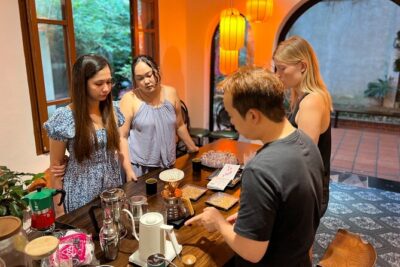
Hanoi Coffee Experience: 6 Brews, 9 Recipes & 3 Liquor Tastings
Read our review →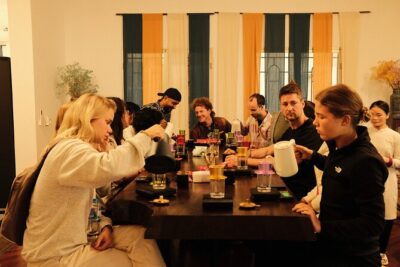
Hanoi Coffee Workshop: Taste Salt, Coconut and Egg Coffee
Read our review →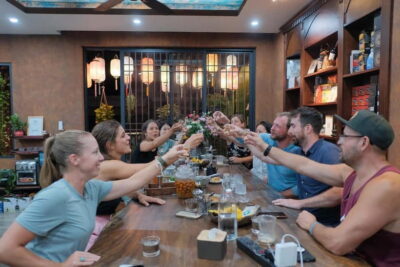
Salt Coffee Workshop Awake Your Senses With 6 Brews
Read our review →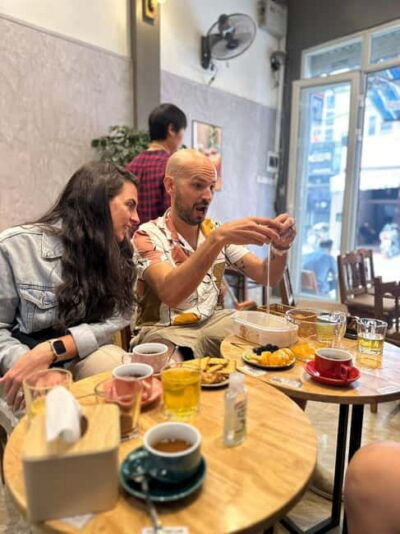
Master the Art of 4-6 Signature Vietnameses Coffees
Read our review →
Hanoi Cooking Class: Pho/Bun Cha/Banh Xeo…+Free Egg/Salt Coffee
Read our review →
Hanoi Coffee Workshop: Master 6 Signature Vietnamese Coffee
Read our review →Browse the lists this tour appears in