
Reviewed · HANOI COFFEE TOURS
Hanoi Coffee Workshop: Taste Salt, Coconut and Egg Coffee
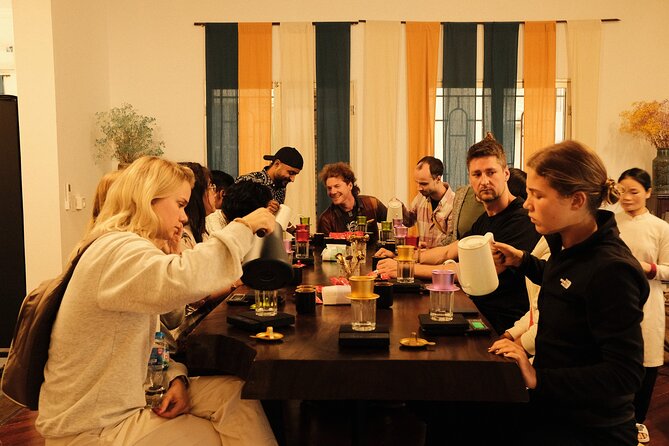
Hanoi’s coffee culture gets much more interesting once you move beyond a standard iced coffee. At Local Beans Roastery, you make six Vietnamese coffee drinks, including egg, salt, coconut, brown, classic phin, and a coffee cocktail with local jam and wine. The workshop also explains how coffee moved from farm to daily life in Vietnam.
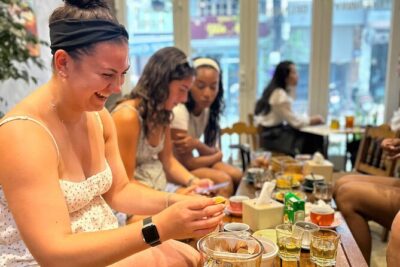
I like the practical format: you handle the filters, grinders, and other equipment instead of only watching a demonstration. I also like the warm teaching style. Val, Lin, Luka, Giang, and Valerie are among the instructors, and the sessions are built around questions and hands-on work. The main consideration is the coffee itself: Vietnamese robusta is strong and distinctive, so anyone expecting mild specialty coffee may need an open mind.
Key points to know before booking
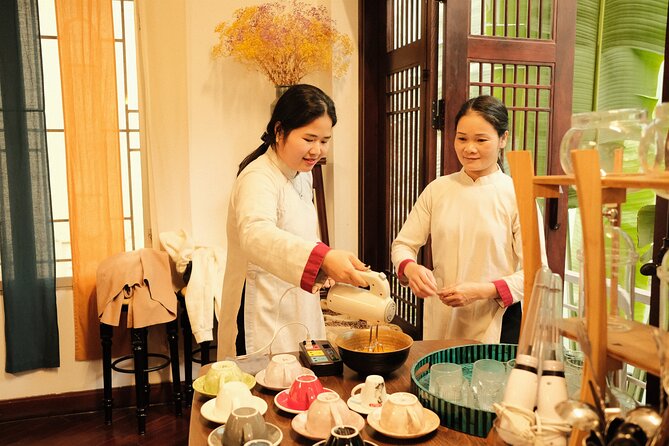
- Six drinks in one session: Make classic phin coffee, brown coffee, salt coffee, egg coffee, coconut coffee, and a coffee cocktail.
- The coffee story matters: Learn how Vietnam’s farms, roast styles, and café habits shaped these drinks.
- You do the brewing: Filters, grinders, and other equipment are supplied, so the skills are useful at home.
- Several instructors lead sessions: Val, Lin, Luka, Giang, and Valerie are named instructors associated with the workshops.
- Good rainy-day activity: The roughly three-and-a-half-hour class gives you an indoor plan when Hanoi’s weather turns wet.
- Old Quarter pickup is available: Hotel pickup and drop-off are offered within the Old Quarter, while the workshop itself begins at Local Beans Roastery on Hoang Hoa Tham Street.
Starting at Local Beans Roastery on Hoang Hoa Tham Street
The workshop begins at Local Beans Roastery, at No. 75/173 Hoang Hoa Tham Street in Hanoi’s Ba Dinh area. The activity ends back at the same place, which keeps the day simple. You do not need to arrange a second meeting point or wonder where the class finishes.
Hotel pickup and drop-off are available within Hanoi’s Old Quarter. That is useful if you are staying in the historic center and would rather avoid finding the roastery on your own. Confirm the pickup details when booking, since the stated service area is limited to the Old Quarter.
The workshop runs for about three hours and thirty minutes. That is long enough for real instruction and tasting, but it is also a substantial block of your day. I would avoid scheduling a museum visit or tight dinner reservation immediately afterward. Coffee can be a slow pleasure, and this class takes its time with each drink.
The maximum group size is listed as 100 people. That number is large enough to make group size worth checking if a quiet, intimate class matters to you. The teaching is hands-on, but the actual feel of a particular session may depend on attendance and how the instructors organize the tables.
More egg coffee and cafe stops in Hanoi:
- Hanoi Coffee Experience: 6 Brews, 9 Recipes & 3 Liquor Tastings
★ 5.0 · 2,945 reviews - Hanoi: Salt Coffee Workshop Awake Your Senses With 6 Brews
★ 5.0 · 792 reviews - Hanoi: Master the Art of 4-6 Signature Vietnameses Coffees
★ 5.0 · 517 reviews
From Vietnamese coffee farms to the phin filter
The class begins with Vietnam’s coffee story. You learn how coffee became part of everyday life and how growing, roasting, and brewing choices affect the cup. This background gives the drinks some meaning. Egg coffee is not just a sweet novelty, and phin coffee is not simply a slow alternative to a machine. Each style connects to local habits and available ingredients.
The phin filter is central to Vietnamese coffee. It is a small metal brewer that sits over your cup and lets coffee drip slowly. During the workshop, you learn how to use the filter and how to judge the result. That is more useful than a quick tasting because you can repeat the method after returning home.
Roast levels are also part of the lesson. You compare how darker or lighter roasting changes aroma and taste. The point is not to declare one roast best. It is to help you notice why one coffee tastes heavier, sharper, sweeter, or more fragrant than another.
A fair warning: Vietnamese coffee often uses robusta, which tends to have a firm, powerful character. One part of the workshop explains why robusta matters in Vietnam’s coffee culture. If you prefer delicate Arabica with soft acidity, some cups may taste intense. If you like coffee with a strong kick and plenty of body, that same quality may be the fun.
Brewing six coffees, one cup at a time
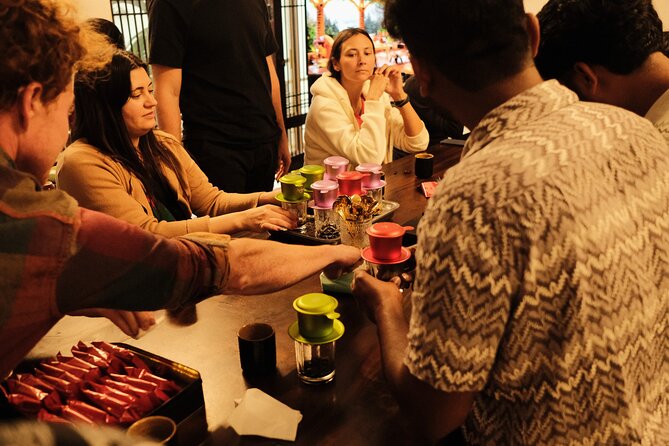
The heart of the class is making and tasting six signature drinks. You do not simply receive a tray of finished beverages. You take part in the preparation, using the supplied filters, grinders, and other equipment.
Classic phin coffee
The classic phin-brewed coffee gives you the basic method. You learn how the filter works, how the coffee drips, and how brewing choices shape the final cup. This is the drink to pay close attention to if you want a skill you can use at home.
It also provides a reference point for the other recipes. Once you understand the plain coffee, you can better notice what condensed milk, salt, egg, coconut, or other ingredients change.
Something completely different for the rest of your time in Hanoi:
- Hanoi Jeep Tour: Food, Culture and Fun by Vietnam Army Jeep
★ 5.0 · 15,222 reviews - Full-Day Ninh Binh Highlights Tour from Hanoi
★ 5.0 · 7,761 reviews - Hanoi: Ha Long Bay Day Cruise – Swimming, Meal, Kayaking
★ 4.7 · 7,415 reviews - Hanoi: Water Puppet Show Tickets
★ 4.6 · 7,029 reviews
Brown coffee
Brown coffee adds sweetness and richness to the coffee base. The name refers to the familiar Vietnamese style of coffee combined with condensed milk. This is often the most approachable recipe for anyone who finds black coffee too forceful.
The workshop lets you compare it with the unsweetened or less decorated versions. That comparison is useful. You can decide if the appeal lies in the coffee itself, the sweet milk, or the balance between the two.
Salt coffee
Salt coffee sounds odd until you taste how a small amount of salt changes the drink. It can soften bitter notes and make the coffee taste fuller. The recipe is a good example of how Vietnamese cafés use simple ingredients to create a different profile.
One useful result of the class is that you can experiment at home. The workshop supplies recipes, and the digital material gives you a reference after the coffee buzz wears off. You do not need to rely on memory alone.
Egg coffee
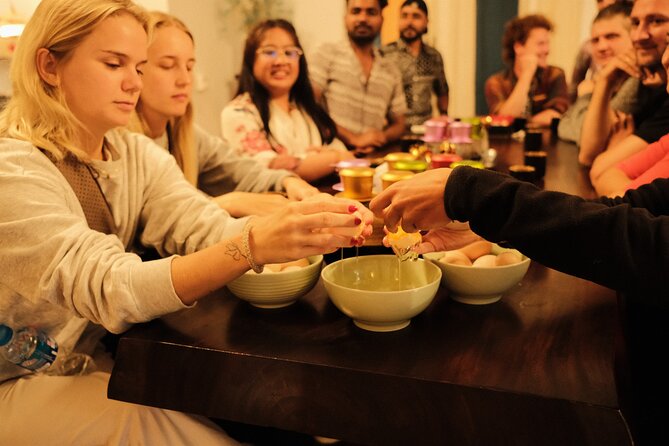
Egg coffee is the most famous drink in this lineup, and it deserves more than a quick photo stop. You learn how the creamy egg mixture works with strong coffee. The contrast between the thick topping and dark brew is the reason this Hanoi specialty has become so widely known.
The drink is sweet and rich, so it may feel closer to a dessert than a breakfast coffee. That is not a flaw, but it is worth knowing before you fill your schedule with several more sweet drinks afterward.
Coconut coffee
Coconut coffee brings a cooler, smoother direction to the tasting. The coconut element changes the texture and adds a tropical note to the coffee. It is a helpful comparison with egg coffee because both drinks soften the strong coffee base in different ways.
If you do not normally drink black coffee, this style may be one of the easier introductions. It still tastes like coffee, but the added ingredient makes the cup less severe.
Coffee cocktail with local jam and wine
The final drink is the most playful: a coffee cocktail made with local jam and wine. It moves the workshop beyond traditional café recipes and shows how local flavors can be used in a modern drink.
Because alcohol is included, this part matters if you do not drink. The description does not specify a nonalcoholic substitute, so ask the provider in advance if you need one. The workshop can accommodate vegan visitors and dietary restrictions, but it is wise to state your needs when booking rather than assume every recipe is automatically suitable.
Tasting tea, snacks, and homemade rice wine
Coffee is the focus, but the welcome is broader than coffee alone. You receive herbal ginger root and peach tea, along with snacks. These small additions help pace the session, especially since you will be tasting several strong and sweet drinks.
There is also a bonus tasting of homemade rice wine made by the hosts. It adds another local flavor to the afternoon and gives the workshop a social quality. As with the coffee cocktail, ask ahead about alternatives if you avoid alcohol.
The tasting order matters in practical terms. Six coffee drinks can be a lot, and the tea, snacks, and pauses help break up the succession of flavors. I would still arrive ready to take it slowly. You do not need to finish every drink quickly to get value from the class.
Teaching style from Val, Lin, Luka, Giang, and Valerie
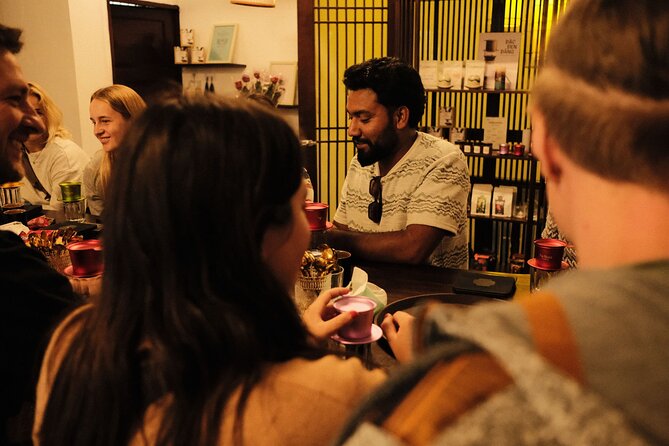
The instructors named for these sessions include Val, Lin, Luka, Giang, and Valerie. The teaching style can vary by person, but the emphasis is consistent: explanation, participation, and questions.
Val is described as funny and especially good at connecting the coffee drinks with farming and Vietnamese culture. Lin’s sessions focus on involving each person in the brewing process, which can make a solo booking feel less awkward. Luka is associated with clear, organized instruction and also brings local wine into the experience.
Giang and Valerie have helped run sessions together, offering direct support during the brewing. That matters because the phin and some of the specialty recipes can feel unfamiliar at first. Having an instructor nearby makes it easier to ask about quantities, timing, and texture instead of guessing.
The class is also suitable for someone who is not already a coffee enthusiast. Its value is not limited to learning how to make a stronger cup. You get a chance to compare tastes and see how a few simple changes can turn the same coffee base into very different drinks.
What the $16 price really buys you
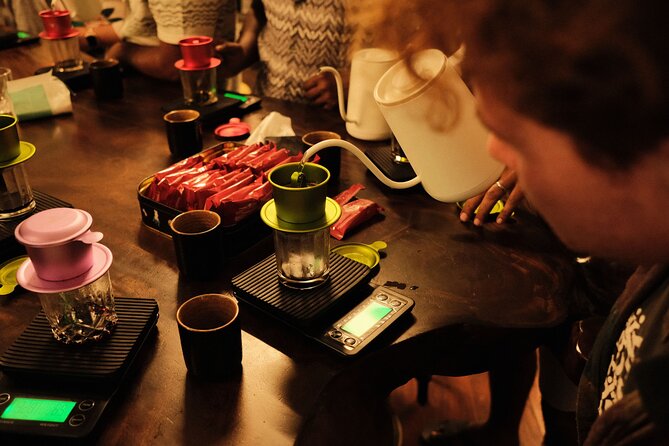
At $16 per person, this is priced as an accessible half-day activity rather than a luxury food experience. The value comes from the amount of participation packed into the session. You taste six coffee styles, use professional equipment, receive instruction, and take home recipes.
The package also includes snacks, welcome tea, digital coffee books, and a recipe book. A professional certificate is available if requested. Hotel pickup and drop-off in the Old Quarter add value for someone who would otherwise need to arrange transport.
The price makes the most sense for you if you care about the process, not only the tasting. If you want two famous Hanoi coffee drinks and a quick explanation, a café crawl may cost less and take less time. If you want to understand the brewing and recreate the drinks later, the workshop offers more for the money.
Products are available for purchase through the company, which may be convenient if you want coffee supplies for home. Buying is optional, and personal expenses and tips are not included.
The practical details that can shape your day
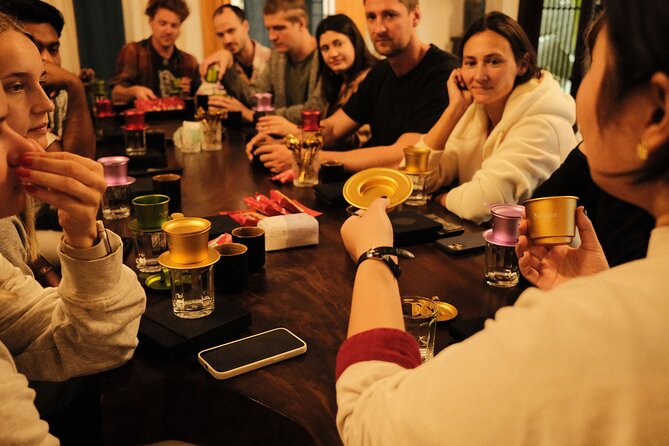
Confirmation is provided at booking, and mobile tickets are supported. The workshop is near public transportation, and service animals are allowed.
The cancellation policy is generous if your plans change early. You can receive a full refund by canceling at least 24 hours before the start time. Cancellations or changes within 24 hours are not accepted for a refund.
Dietary restrictions and vegan needs can be accommodated. Tell the provider ahead of time so the instructors can plan the recipes and tastings properly. The listing does not spell out every ingredient or substitution, so direct communication is the safest approach.
The activity is offered with group discounts, making it worth checking the final price if you are booking with friends or family. Solo visitors can also fit in comfortably, especially in sessions where the instructor actively involves each person.
Who should book this Hanoi coffee workshop?

I would recommend it to anyone curious about Vietnamese café culture, especially if you enjoy hands-on food activities. It suits people who want more context than a quick tasting and those who like bringing practical skills home from a trip.
It is also a smart choice on a rainy Hanoi day. The class gives you several hours indoors, with plenty to do and taste, rather than asking you to sit through a long lecture.
The workshop may be less suitable if you dislike strong coffee, sweet drinks, or alcohol-related tastings. You can ask about dietary adjustments, but you should not book this expecting a quiet tea ceremony or a short introduction. It is an active, substantial session with repeated tasting.
Should you book the Local Beans Roastery workshop?
Book it if you want to understand why Vietnamese coffee tastes the way it does and learn recipes you can repeat at home. The combination of phin brewing, egg coffee, salt coffee, coconut coffee, roast lessons, local wine, and take-home digital material gives the experience more substance than a standard café stop.
Think twice if your Hanoi schedule is packed, your group is sensitive to strong coffee, or you prefer small classes with a guaranteed intimate setting. For most coffee-curious visitors, though, $16 is a reasonable price for three and a half hours of instruction and tasting. Ask for Old Quarter pickup, mention dietary needs early, and treat the robusta-based coffee as part of the lesson rather than expecting a mild Western-style cup.
FAQ
How long does the Hanoi coffee workshop last?
The workshop lasts approximately three hours and thirty minutes.
Where does the coffee workshop begin and end?
It begins at Local Beans Roastery, No. 75/173 Hoang Hoa Tham Street, Ngoc Ha Ward, Ba Dinh, Hanoi. The activity ends back at the meeting point.
Is hotel pickup available?
Yes. Hotel pickup and drop-off are available within Hanoi’s Old Quarter area.
Which coffees will I make?
You will make six Vietnamese coffee styles: classic phin-brewed coffee, brown coffee, salt coffee, egg coffee, coconut coffee, and a coffee cocktail made with local jam and wine.
Is equipment provided?
Yes. Filters, grinders, and other special coffee-making equipment are provided during the workshop.
Can vegan visitors or people with dietary restrictions join?
Yes. Vegan visitors and people with dietary restrictions can be accommodated. Share your requirements when booking so arrangements can be made.
Can I cancel for a full refund?
Yes, if you cancel at least 24 hours before the experience start time. Cancellations or changes made within 24 hours are not eligible for a refund.
More hands-on classes and workshops in Hanoi
- Hanoi Cooking Class: Culture, Local Market & Meaning CSR Impact
★ 5.0 · 5,147 reviews - 5 Traditional Dishes Hanoi Cooking Class with Market Trip
★ 5.0 · 4,890 reviews - Vietnamese Food Cooking Class in Hanoi with Market Experience
★ 5.0 · 778 reviews - Hanoi: Handcrafted Wood Carving Workshop with Local Artisan
★ 5.0 · 733 reviews
Just added to the Hanoi list
- (TOP) Private car: Hanoi/Noi Bai Airport (HAN) from/to Ninh Binh★ 3.5 · 16 reviews
- Thang Long Water Puppet Theater★ 4.5 · 45 reviews
- Private car transfer from Hanoi Airport to Hotels★ 4.5 · 5 reviews
- Private Tour Ninh Binh 1 Day★ 5.0 · 5 reviews
- Private Hanoi Old Quarter Food Tour with 8+ Authentic Tastings★ 5.0 · 11 reviews
- Private Transfer Service from Hanoi to Ha Long Bay★ 5.0 · 3 reviews
- Private Transfer Between Hanoi City and Noi Bai Airport (HAN)★ 5.0 · 3 reviews
- Ba Be National Park With Boat Trip, Kayaking, Swimming, Trekking And Cycling★ 5.0 · 10 reviews
Hanoi Coffee Tours, compared.
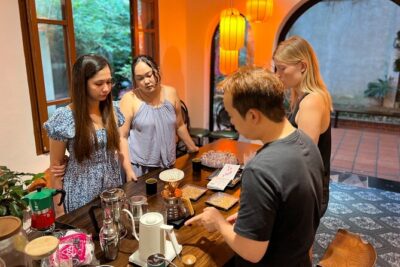
Hanoi Coffee Experience: 6 Brews, 9 Recipes & 3 Liquor Tastings
Read our review →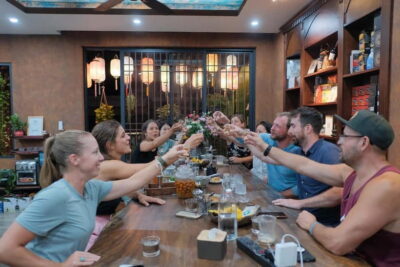
Salt Coffee Workshop Awake Your Senses With 6 Brews
Read our review →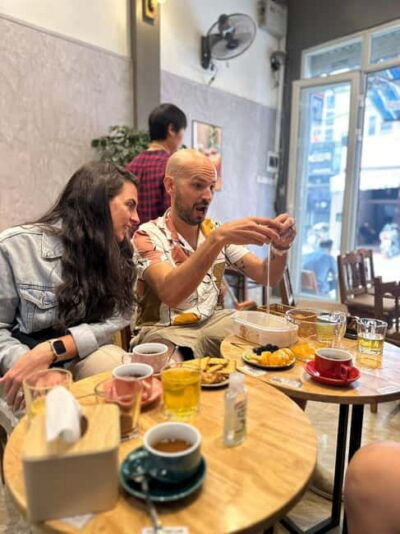
Master the Art of 4-6 Signature Vietnameses Coffees
Read our review →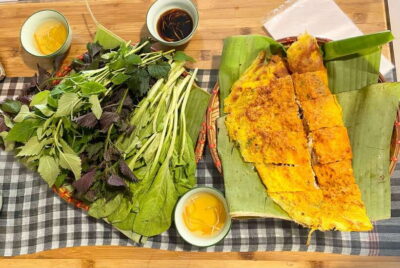
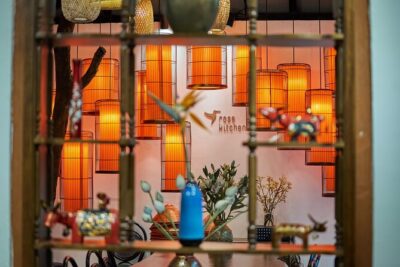
Hanoi Cooking Class: Pho/Bun Cha/Banh Xeo…+Free Egg/Salt Coffee
Read our review →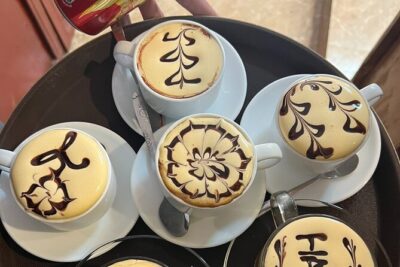
Hanoi Coffee Workshop: Master 6 Signature Vietnamese Coffee
Read our review →
Browse the lists this tour appears in