
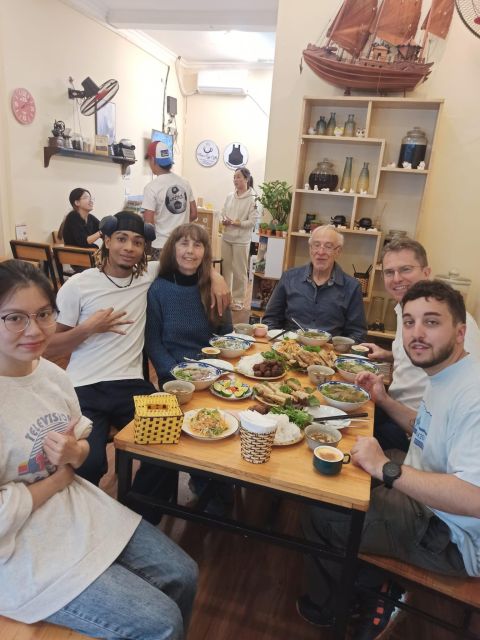
Reviewed · HANOI COOKING CLASSES
Hanoi: 5 Local Dishes Cooking Class with Meal & Market Visit
The best part of this Hanoi experience is that the meal begins at the market and ends on your plate. You meet an English-speaking chef at Apron Up Cooking Class, help select fresh ingredients, then cook five Vietnamese dishes before sitting down to eat them.
I like the market visit, which gives you a useful look at how ingredients are chosen, and the hands-on format, where you chop, roll, stir, and season rather than simply watch a demonstration. Guides such as Vy, Winnie, Bella, Ruby, and Kim are praised for clear instruction and patience.
The main consideration is pace. Five dishes in three and a half hours keeps the class moving, and some kitchen tasks may be shared among the group. The venue is not suitable for children under four, wheelchair users, or people with mobility impairments.
Key points to know before booking
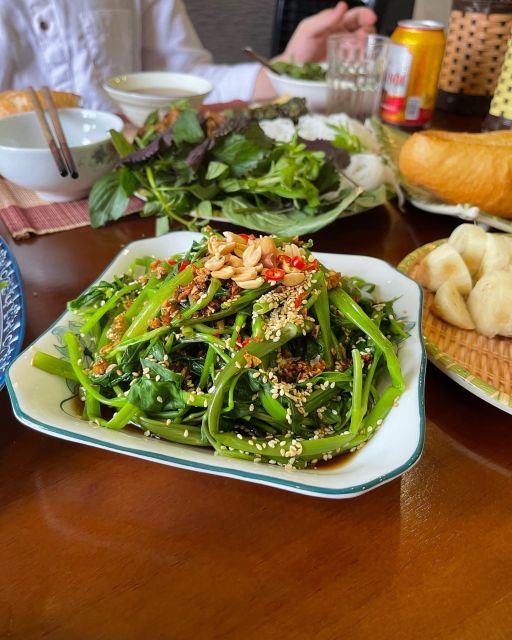
- Five dishes in 3.5 hours: You cook a full meal, then sit down to eat what you made.
- A real market stop: Learn how an instructor selects fresh produce and ingredients before cooking.
- Two set menus: Choose between dishes such as pho, bun cha, spring rolls, salads, pancakes, noodle soup, and egg coffee.
- Vegetarian options: The menus can be adapted so vegetarians can take part in the full meal.
- A useful take-home gift: You receive a cookbook and certificate, plus tips you can use at home.
- Good social setting: Shared cooking jobs and a communal meal make this a natural way to meet other people.
Starting at Apron Up in Hanoi’s Old Quarter
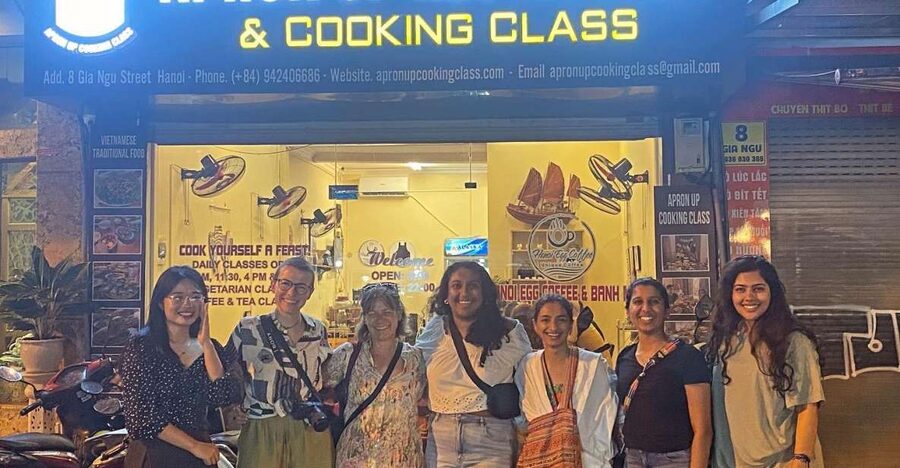
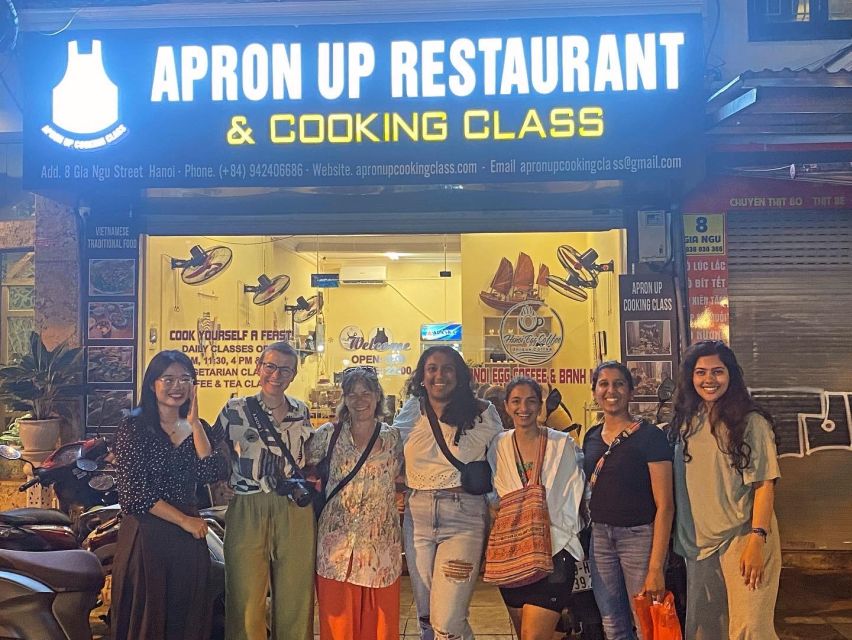
You begin at Apron Up Cooking Class, marked by a large Apron Up sign in front of the venue. The activity lasts about three and a half hours and ends back at the same meeting point, so you do not need to arrange a separate ride afterward.
Transportation is not included. You will need to make your own way to the Old Quarter meeting point, so allow time to find the venue, especially if you are coming from another part of Hanoi.
The class is conducted in English. Different instructors lead the sessions, with Vy, Winnie, Bella, Ruby, Kim, Perla, and Ashley all appearing in the teaching team. The strongest pattern across the sessions is a patient, friendly teaching style, with instructors adjusting explanations for different cooking levels.
That matters if you are new to cooking. Ruby, for example, is praised for repeating demonstrations when needed, while Kim is noted for guiding a solo student at a comfortable pace. You do not need advanced kitchen skills to take part.
More cooking classes in Hanoi:
- Hanoi Cooking Class: Culture, Local Market & Meaning CSR Impact
★ 5.0 · 5,147 reviews - 5 Traditional Dishes Hanoi Cooking Class with Market Trip
★ 5.0 · 4,890 reviews - Vietnamese Food Cooking Class in Hanoi with Market Experience
★ 5.0 · 778 reviews
Shopping for ingredients at a local wet market
The market visit gives the class a useful beginning. Instead of arriving at a kitchen with ingredients already laid out, you walk to a local wet market and see how the chef selects what will be used.
Your instructor handles the purchasing and explains how to judge freshness. This is practical information you can use beyond the class, especially if you plan to shop for Vietnamese ingredients at home.
The market stop also adds local context to familiar dishes. Pho, bun cha, salads, spring rolls, and banh xeo depend on more than a printed recipe. The balance of herbs, vegetables, meat, noodles, and sauces is part of what makes Vietnamese cooking work. Seeing the ingredients before they are prepared helps you understand that balance.
The market is not a separate sightseeing tour, and it does not appear designed for long browsing. Think of it as a short, purposeful shopping trip that connects the cooking lesson to daily food life in Hanoi.
You should also wear comfortable shoes and expect ordinary market conditions. The activity is not suitable for people with mobility impairments or wheelchair users, which is important because the market visit involves walking and navigating a working food market.
Choosing between the two menus
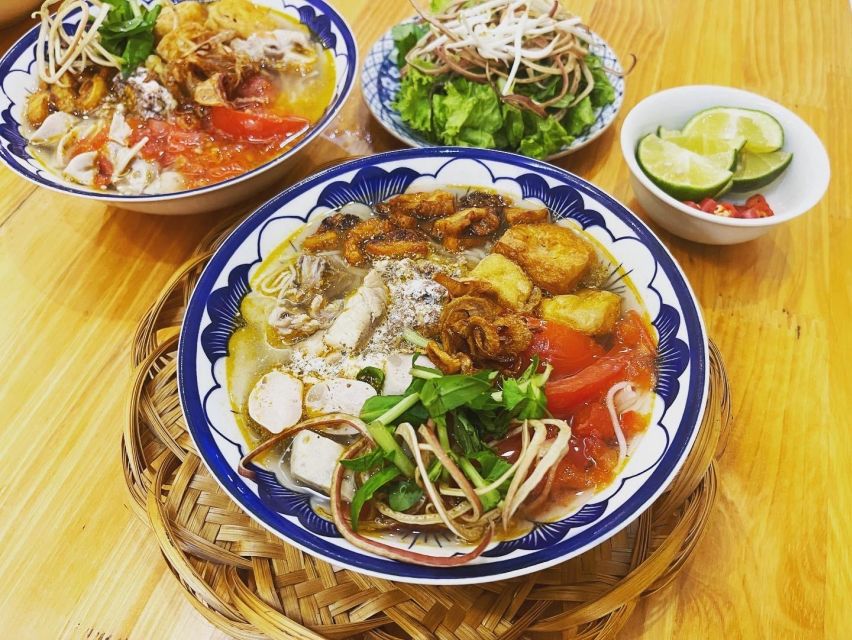
You can choose from two different set menus, and each one gives you a different look at Vietnamese cooking.
One menu includes choices such as:
- Banh xeo pancakes
- Bun cha, grilled pork with noodles
- Pork rib noodle soup
- Beef fresh rolls
- Chicken salad
- Banana ice cream
The other menu includes:
- Pho
- Bun cha
- Fried spring rolls
- Papaya salad
- Egg coffee
The exact way the first menu is arranged should be confirmed when you book or arrive, since the activity is described as five dishes while more than five possible items are listed. The second menu is more clearly defined as a five-dish set.
I like having two menus because they give repeat visitors a reason to take the class twice. A first session could focus on pho, spring rolls, salad, bun cha, and egg coffee. A second visit could introduce banh xeo, fresh rolls, noodle soup, chicken salad, and banana ice cream.
Vegetarian adaptations are available. This is more than a minor detail because every part of the meal can be adjusted, allowing you to take part rather than sit out while meat dishes are prepared. Tell the provider about your diet when booking so the class can be prepared for you.
Cooking five dishes instead of watching a show
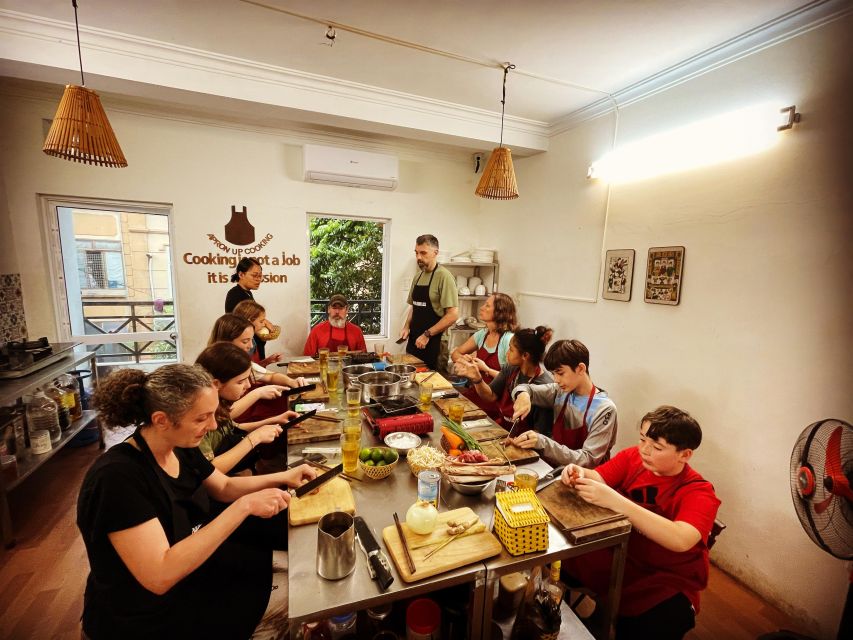
The class is built around participation. You receive step-by-step instruction and help prepare five dishes, with each person given something to do as the meal comes together.
That hands-on approach is the real value of the experience. A standard cooking demonstration can be entertaining, but it does not always teach you how to repeat the dish. Here, you work with the ingredients and see the small decisions that affect the finished result.
The instructors explain tips and methods intended to help you recreate the recipes at home. Students with different skill levels can work together, and the teaching team is praised for making instructions clear and easy to follow.
You should expect a group format rather than five private cooking lessons. Some tasks may be shared, and the pace can be brisk because the class prepares a full meal in limited time. The advantage is that you get to make several dishes in one sitting. The tradeoff is that you may not personally handle every step of every recipe.
The social side is part of the design. You cook as a team, then share the meal together. That works well for solo visitors and couples who want an activity with more interaction than a restaurant meal.
More market and shopping tours in Hanoi:
- Hanoi Cooking Class and Market Tour in Ancient House
★ 5.0 · 379 reviews - Rose Kitchen Hanoi: Market, Cooking & Culture Tour + Free PickUp
★ 5.0 · 342 reviews - Hanoi Maya Kitchen: Traditional Cooking Class & Market Tour
★ 5.0 · 287 reviews - Hanoi: Old Quarter Market Tour and Cooking Class with Meal
★ 4.8 · 192 reviews
What the dishes teach you about Hanoi food
The menus cover several styles of Vietnamese cooking. Pho and pork rib noodle soup show how noodles and broth form the center of a meal. Bun cha introduces grilled pork served with noodles, while banh xeo teaches the pleasures of a crisp pancake filled with savory ingredients.
Fresh rolls and fried spring rolls offer a useful comparison. One is built around fresh textures, while the other relies on a crisp cooked wrapper. Salads such as chicken or papaya salad add herbs and produce to the meal, and they help balance heavier dishes.
Egg coffee gives the second menu a distinctly Hanoi finish. It is not simply another drink added to the meal. It is one of the city’s best-known food specialties, and learning to prepare it gives the class a local touch that a general Vietnamese cooking lesson may not include.
Dessert options such as banana ice cream keep the first menu from feeling like a parade of savory dishes. The result is a broad introduction rather than a narrow lesson in one recipe.
You should not expect a professional chef qualification. The certificate confirms that you completed the class, while the cookbook is the more useful souvenir. It gives you a way to continue practicing after you leave Vietnam.
Sitting down to eat your own work
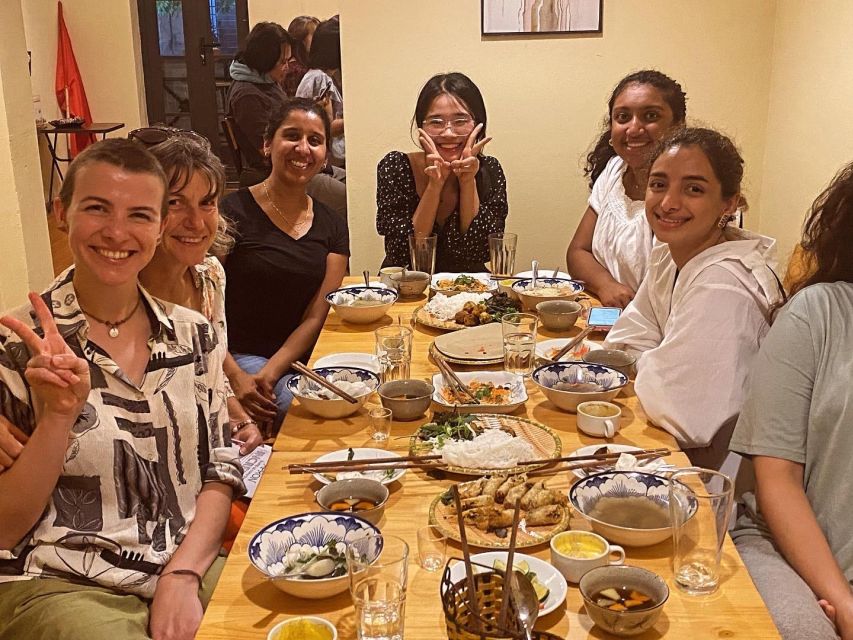
After the cooking is complete, you sit down for lunch or dinner and eat the dishes prepared during the class. This shared meal is an important part of the experience because you can taste the results immediately, while the cooking steps are still fresh in your mind.
I like this format more than simply receiving a recipe card at the end. You can compare flavors, see how the dishes fit together, and ask final questions before leaving.
Tea, homemade rice whisky, and seasonal fruit are included. The rice whisky is a small tasting rather than the main point of the class, but it adds a local food-and-drink detail to the meal. If you do not drink alcohol, you can focus on the food and tea.
The meal also creates an easy social setting. The class involves teamwork, so sitting down together feels like a natural finish rather than a formal restaurant service. If you are traveling alone, this can be one of the more sociable activities you book in Hanoi.
How the instruction works for different skill levels
The teaching team receives especially strong praise for patience and clarity. Vy is known for walking participants through the basics and offering home cooking tips. Winnie is praised for explaining ingredients at the market and keeping the class relaxed. Bella is described as engaging and well prepared, while Ruby is noted for clear instructions and repeated demonstrations.
That range of teaching styles is useful because the class attracts people with very different kitchen experience. Beginners can follow along with guided steps, while more confident cooks can pay closer attention to seasoning, preparation, and presentation.
English is the listed teaching language. Most students should manage the class comfortably, but one experience notes that an instructor’s accent was occasionally difficult for one participant to follow. If you need very slow or highly detailed verbal instruction, stay close to the chef and ask for a repeat when needed.
The class also teaches ingredient vocabulary. One student particularly enjoyed learning Vietnamese words for the ingredients being used. That is a nice extra for anyone who wants to order food or shop with more confidence during the rest of a Vietnam trip.
Is $40 a fair price?
At $40 per person, the price includes the market trip, ingredients, tools, instruction, five dishes, lunch or dinner, tea, rice whisky, fruit, a cookbook, and a certificate.
I consider that fair value for a three-and-a-half-hour activity, especially because it combines a market visit, practical instruction, and a complete meal. You are not paying only for food. You are paying for the chef’s guidance, the organized kitchen, the ingredients, and the chance to repeat the dishes later.
The value is strongest if you enjoy cooking or want a food-focused activity with substance. If your main goal is simply to eat as much Hanoi food as possible, visiting several local restaurants may cost less and expose you to more dishes. This class is about learning and participating, not maximizing the number of foods you taste.
The cookbook improves the long-term value. A souvenir magnet is quickly forgotten, but a recipe book can bring the experience back to your own kitchen. The certificate is a pleasant extra, though the recipes and skills are the real takeaway.
Who should book this cooking class?
I would choose this experience if you want a practical introduction to Hanoi food, enjoy working with your hands, or are looking for an activity that mixes local culture with a shared meal.
It suits couples, solo visitors, food lovers, and groups with mixed cooking ability. Vegetarians can also take part through menu adaptations. The class may be a good choice early in your Hanoi stay because the market and ingredient lesson can help you recognize dishes and flavors during the rest of your visit.
It is less suitable if you dislike group activities, have trouble standing or walking through a market, or want a quiet private lesson. The activity is not suitable for children under four, wheelchair users, people with mobility impairments, or people over 95 years.
You can cancel up to 24 hours before the activity for a full refund, and the reserve-now, pay-later option keeps your plans flexible. Starting times vary, so check availability before you arrange other activities around it.
Final call: a useful Hanoi food experience
I would book this class if you want more than a restaurant meal. The market stop, five-dish format, adaptable menus, and shared table give you a clear look at how Vietnamese food is bought, prepared, and eaten.
The best reason to go is the combination of clear, patient teaching and food you can make again at home. Just remember that the schedule is full, the class is not fully private by default, and getting to Apron Up is your responsibility.
Choose the menu carefully, mention vegetarian needs in advance, and arrive ready to take part. For $40, this is a practical and sociable way to spend half a day in Hanoi.
FAQ
Where does the cooking class start?
It starts at Apron Up Cooking Class in Hanoi’s Old Quarter. Look for the large Apron Up sign in front of the venue.
Where does the activity end?
The activity ends back at the meeting point.
How long does the class last?
The cooking class and market visit last about three and a half hours.
What language is the class taught in?
The instructor teaches in English.
How many dishes will I cook?
You will take part in preparing five traditional Vietnamese dishes.
Can vegetarians join the class?
Yes. The set menus can be adapted for vegetarian diets.
Is transportation included?
No. Transportation to and from the meeting point is not included.
What is included with the cooking class?
The price includes an English-speaking instructor, market visit, ingredients, tools, hands-on preparation of five dishes, lunch or dinner, tea, rice whisky, fruit, a cookbook, and a certificate.
Can I cancel for a refund?
Yes. You can cancel up to 24 hours in advance for a full refund.
More hands-on classes and workshops in Hanoi
- Hanoi Coffee Workshop: Taste Salt, Coconut and Egg Coffee
★ 5.0 · 1,286 reviews - Hanoi: Salt Coffee Workshop Awake Your Senses With 6 Brews
★ 5.0 · 792 reviews - Hanoi: Handcrafted Wood Carving Workshop with Local Artisan
★ 5.0 · 733 reviews - Hanoi Cooking Class: Pho/Bun Cha/Banh Xeo…+Free Egg/Salt Coffee
★ 5.0 · 267 reviews
Just added to the Hanoi list
- (TOP) Private car: Hanoi/Noi Bai Airport (HAN) from/to Ninh Binh★ 3.5 · 16 reviews
- Thang Long Water Puppet Theater★ 4.5 · 45 reviews
- Private car transfer from Hanoi Airport to Hotels★ 4.5 · 5 reviews
- Private Tour Ninh Binh 1 Day★ 5.0 · 5 reviews
- Private Hanoi Old Quarter Food Tour with 8+ Authentic Tastings★ 5.0 · 11 reviews
- Private Transfer Service from Hanoi to Ha Long Bay★ 5.0 · 3 reviews
- Private Transfer Between Hanoi City and Noi Bai Airport (HAN)★ 5.0 · 3 reviews
- Private Hanoi Food Walking Tour of the French Quarter★ 5.0 · 38 reviews
Hanoi Cooking Classes, compared.

Hanoi Cooking Class: Culture, Local Market & Meaning CSR Impact
Read our review →
5 Traditional Dishes Hanoi Cooking Class with Market Trip
Read our review →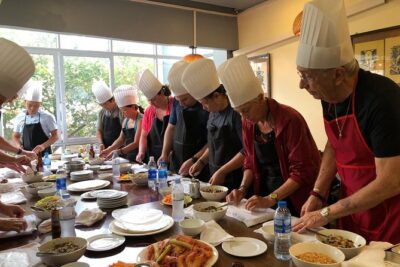
Vietnamese Food Cooking Class in Hanoi with Market Experience
Read our review →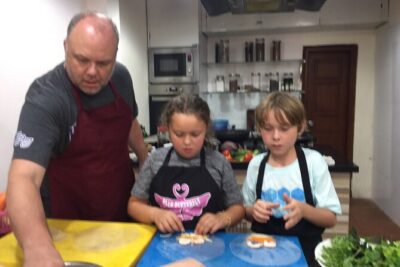
Hanoi Cooking Class and Market Tour in Ancient House
Read our review →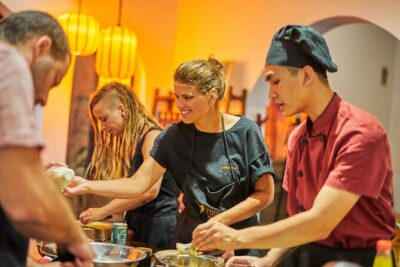
Rose Kitchen Hanoi: Market, Cooking & Culture Tour + Free PickUp
Read our review →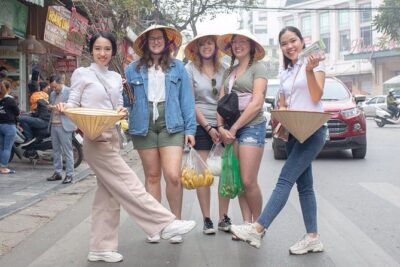
Hanoi Maya Kitchen: Traditional Cooking Class & Market Tour
Read our review →
Hanoi Cooking Class: Pho/Bun Cha/Banh Xeo…+Free Egg/Salt Coffee
Read our review →
Private Cooking Class with 5 dishes of your choice
Read our review →Browse the lists this tour appears in