
Reviewed · HANOI COOKING CLASSES
Hanoi Maya Kitchen: Traditional Cooking Class & Market Tour
Hanoi Maya Kitchen makes Vietnamese food feel less mysterious by putting you beside the ingredients first. You visit a local market, choose food for the meal, then return to the kitchen to prepare four classic dishes and egg coffee.
I like the market visit because it gives the cooking lesson a real Hanoi setting, not just a tidy demonstration room. I also like the generous meal: you eat the spring rolls, salads, pho dishes, and dessert you helped make. The main consideration is time. Four hours is a good half-day commitment, and the meeting point details should be checked carefully because both 38 Bat Su and 47 Hang Bong appear in the supplied information.
Key points to know before booking
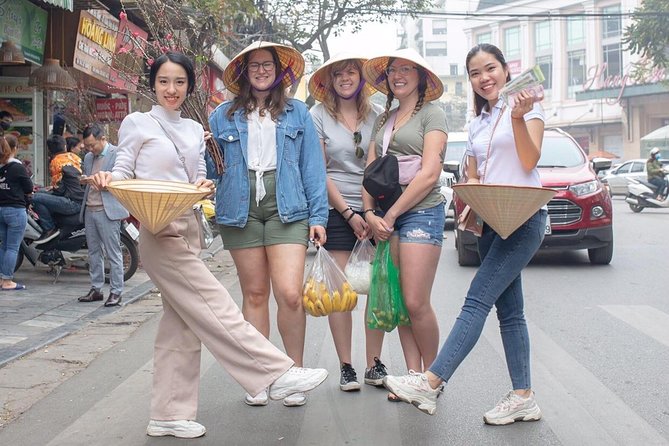
- Market first, kitchen second: Begin at Yen Thai Market, also identified as Hang Da Market, with a chance to see local ingredients and buy food for the class.
- Five Vietnamese preparations: Make papaya salad, fried spring rolls, pho rolls, mixed pho, and Vietnamese egg coffee.
- Hands-on instruction: The instructor guides you step by step, including the tricky handwork needed to shape even spring rolls.
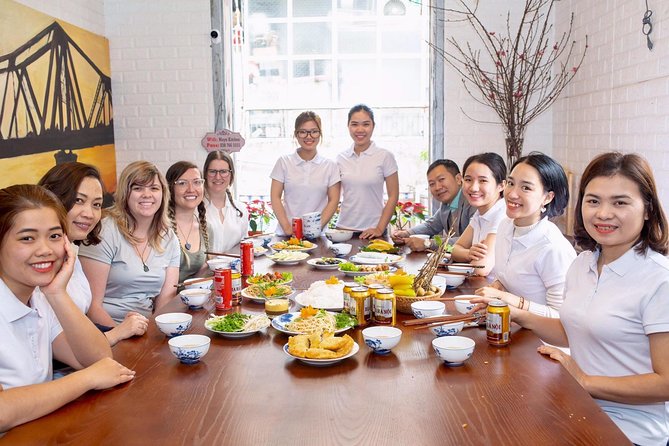
- A full meal is included: Eat the dishes you prepare, with seasonal fruit, one drink, and a local wine tasting.
- Small enough to participate: The maximum group size is 15 people, so this is not designed as a large cooking demonstration.
- Helpful guide names: Sessions have been led by Iris, Aurora, and Ruby, though your assigned instructor may vary.
A Hanoi cooking class with a proper local starting point
Many cooking classes begin with ingredients already measured and arranged on a counter. This one begins outside, at a local market near Hanoi’s Old Quarter. That changes the tone of the morning or afternoon.
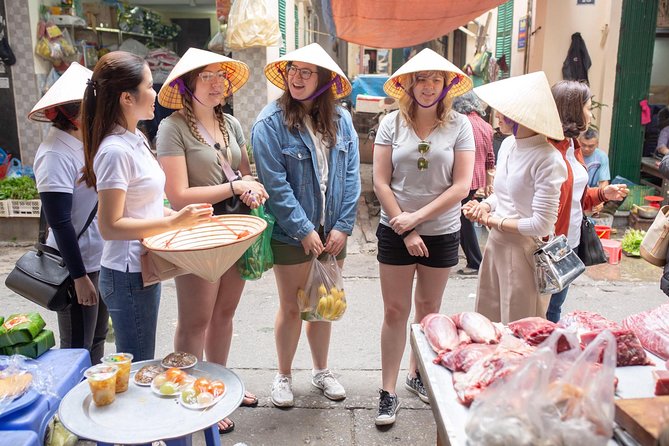
At Yen Thai Market, also listed as Hang Da Market in the itinerary, you can see the food before it becomes a recipe. The guide helps you buy fresh ingredients and explains Vietnamese items, along with possible substitutes. That is useful if you want to repeat the dishes at home, since an ingredient may be called by a different name or may not be easy to find outside Vietnam.
The market stop is not meant to be a long sightseeing tour. It is a practical introduction to the food you will handle later. You get a glimpse of local daily life, then move on to the kitchen while the ingredients are still at the center of the experience.
I especially like this order. It gives meaning to the cooking. You are not simply told that papaya salad uses sour and sweet flavors. You have already seen the ingredients being selected and bought.
More cooking classes in Hanoi:
- Hanoi Cooking Class: Culture, Local Market & Meaning CSR Impact
★ 5.0 · 5,147 reviews - 5 Traditional Dishes Hanoi Cooking Class with Market Trip
★ 5.0 · 4,890 reviews - Vietnamese Food Cooking Class in Hanoi with Market Experience
★ 5.0 · 778 reviews
Five dishes that give you a broad taste of Vietnamese cooking
The menu covers several textures and methods, rather than repeating one type of preparation.
Fried spring rolls, called nem ran
The spring rolls come first. The instructor shows you how to assemble and roll them, with attention to making each one even and neat. This is a useful skill because the wrapper can be delicate, and a loose or uneven roll may not cook well.
The class describes fried spring rolls as a traditional dish for holidays and family gatherings. That context helps explain why the recipe matters beyond its place on a restaurant menu. You are learning a food tied to shared meals and celebrations.
This is likely the most practical dish to recreate at home. The ingredients may need adjustment depending on what you can buy, but the rolling technique transfers well. If you are cooking with children, the rolling stage may be especially engaging, though younger participants may need help with the more delicate wrappers and hot cooking equipment.
Papaya salad, or nom du du
Papaya salad brings a fresh contrast to the fried food. The key flavor balance is sour and sweet, and the preparation gives you a lesson in how Vietnamese food can be bright without being heavy.
The menu name appears as Nom Du Du, and the dish may also be written as papaya salad. That is useful to know when searching for the dish later in Hanoi or when looking for a recipe at home.
This part of the class is less about a complex technique and more about taste. You can pay attention to how the dressing changes the raw ingredients. It is also a good pause between the spring rolls and the noodle dishes.
More market and shopping tours in Hanoi:
- Hanoi: 5 Local Dishes Cooking Class with Meal & Market Visit
★ 5.0 · 420 reviews - Hanoi Cooking Class and Market Tour in Ancient House
★ 5.0 · 379 reviews - Rose Kitchen Hanoi: Market, Cooking & Culture Tour + Free PickUp
★ 5.0 · 342 reviews - Hanoi: Old Quarter Market Tour and Cooking Class with Meal
★ 4.8 · 192 reviews
Pho rolls, or pho cuon
Pho rolls use familiar pho-related flavors in a different form. Instead of eating a steaming bowl of soup, you work with rolled ingredients. The dish adds another piece of handwork to the class and keeps the menu varied.
The experience does not describe every filling or cooking step, so you should expect the instructor to provide the specific preparation during the session. What is clear is that you make the dish yourself rather than watching a finished plate arrive.
Mixed pho, or pho tron
Mixed pho gives you a second noodle preparation, this time without the format of a soup bowl. Together, pho rolls and mixed pho show how Vietnamese cooks use rice noodles in different ways.
The two dishes also help explain why Vietnamese food cannot be reduced to soup, herbs, or a single famous noodle dish. Here, you get a mix of rolling, combining, seasoning, and plating.
Egg coffee, or ca phe trung
Egg coffee is the specialty item that makes this class more than a standard spring-roll lesson. You prepare a Vietnamese coffee drink with a rich egg mixture, then serve it as part of the meal.
Making egg coffee also gives you a sweet finish before the seasonal fruit dessert. The class includes one drink, which may be water, tea, or coffee, and the menu separately includes egg coffee as a prepared dish. If coffee matters to you, confirm with the instructor how the included drink is handled on the day.
What the market stop adds to the class
The market visit is short but important. It connects food shopping with cooking, and it gives you a better sense of how Vietnamese ingredients appear before they are cleaned, chopped, rolled, and seasoned.
The guide explains fresh food and substitutes, which is one of the most useful parts for anyone hoping to cook Vietnamese dishes later. You can ask about alternatives while the ingredients are in front of you, rather than trying to remember a vague explanation after the class.
There is also a simple cultural benefit. A local market gives you a glimpse of ordinary Hanoi life without requiring a separate market tour. You see where some of the meal begins, then take those ingredients into a kitchen and turn them into lunch or dinner.
Do not book this expecting a long market sightseeing session. The market is one stop in a four-hour cooking activity. Its purpose is to support the food lesson.
The instructors and the feel of the lesson
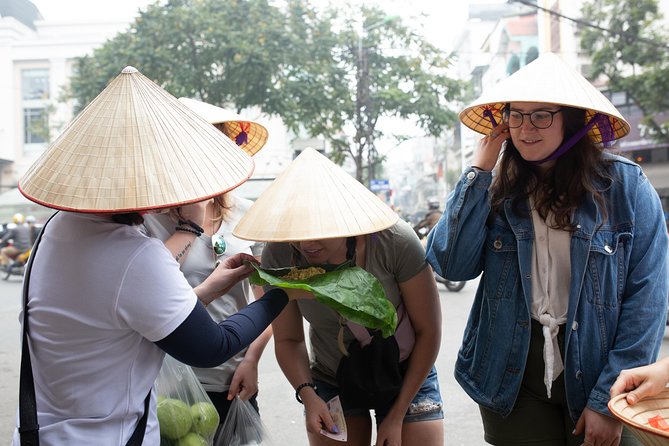
The class is led in English, and the instructor guides you through each dish step by step. Names connected with past sessions include Iris, Aurora, and Ruby. Iris is associated with both the market shopping and detailed kitchen instruction, while Aurora is noted for adding Vietnamese stories and singing to the session. Ruby is described as a strong cooking teacher who also shared local food suggestions.
Your instructor may be different, so treat those names as examples rather than a guarantee. Still, they suggest that the experience can have a personal side beyond simply following a recipe.
The style appears to be social and participatory. You cook, eat, and have room for conversation. One useful detail is that the portions can be generous enough for some groups to take food away in containers. That makes it wise not to eat a large meal immediately before the class.
I would arrive hungry, but not completely empty. The menu has five prepared items, fruit, and a drink, so this is closer to a full meal than a small tasting.
A four-hour schedule that works well in Hanoi
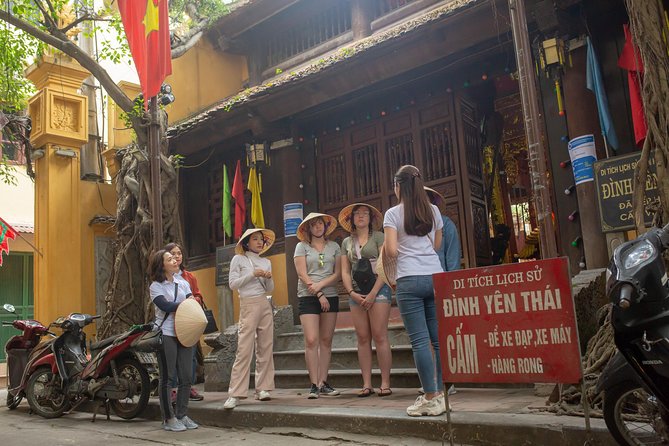
The experience lasts about four hours. That makes it a sensible half-day activity, but you should protect the whole block rather than trying to fit a tightly timed attraction immediately afterward.
The usual flow is:
- Meet at the designated Old Quarter meeting point.
- Walk to the nearby market.
- Select and buy ingredients while learning about Vietnamese food and substitutes.
- Move to the kitchen.
- Prepare fried spring rolls, papaya salad, pho rolls, mixed pho, and egg coffee.
- Sit down to eat the food you made.
- Finish with seasonal fruit and the included drink.
The cooking order begins with fried spring rolls, then moves to papaya salad. The remaining dishes and coffee follow as the class continues. Since cooking times and group pace can vary, the exact order may shift slightly.
The end point is back at the meeting point. Pick-up and drop-off are not included, so you need to make your own way to the start.
Meeting point details deserve a quick check
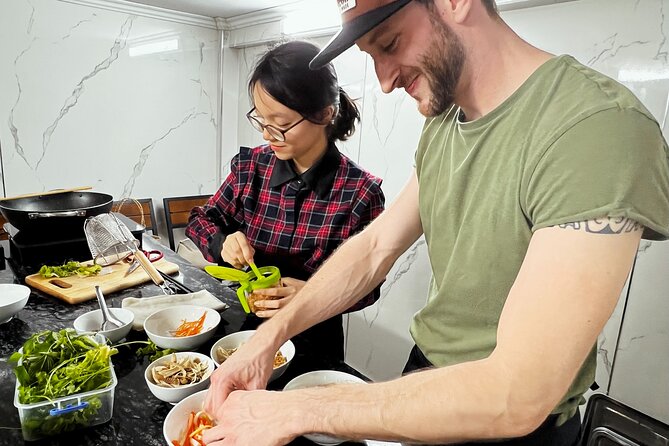
The stated start point is 38 P. Bat Su, Hang Bo, Hoan Kiem, Hanoi. The inclusion notes also refer to the Crossing Vietnam Tour office at 47 Hang Bong Street as the meeting point.
Because those are different addresses, confirm the exact location when you book or shortly before the class. Both are in the Old Quarter area, but Hanoi’s narrow streets and similar-looking shopfronts can make a small address difference matter.
The activity ends back at the meeting point. There is no hotel pick-up or drop-off included, though the experience is near public transportation.
A mobile ticket is provided, and booking confirmation is received at the time of booking. Service animals are allowed. The maximum group size is 15, which should give you a better chance to work directly with the food than a large demonstration group would.
Is $30 a fair price?
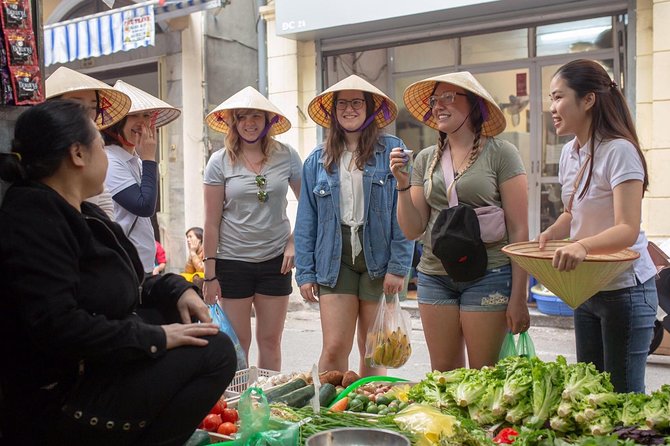
At $30 per person, this is good value if you want both a meal and an activity. The price covers the local market visit, English-speaking instruction, all listed food, seasonal fruit, one drink, a local wine tasting, and a cooking recipe.
A restaurant meal alone would not give you the market visit or the chance to prepare the dishes. A private cooking lesson would usually cost more, so the maximum group size of 15 helps keep the price modest.
The value depends on what you want. If you only want to eat Vietnamese food, a local restaurant will be simpler and faster. If you want a relaxed half-day with food, instruction, and some cultural context, the class offers more for the money.
The included recipe is a small but useful extra. It gives you a way to remember the methods after leaving Hanoi, especially the spring-roll technique and the flavor balance in the papaya salad.
Who will enjoy this class most
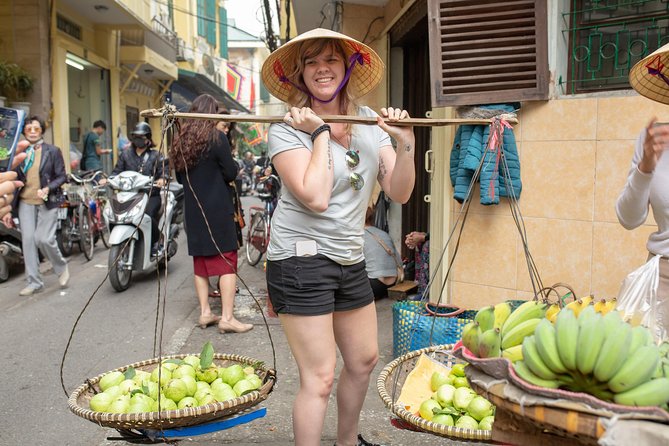
I would recommend it to visitors who want to do something active with their meal. It suits couples, families, and small groups, and the menu has enough variety to keep the session interesting.
It is also a good choice for home cooks. You learn several preparations rather than one signature dish, and the guide explains ingredient substitutes at the market.
Families should note that the activity involves market walking, food preparation, and cooking. The supplied information does not state a minimum age or specific child facilities, so ask before booking if you are traveling with young children.
This is less suitable if you dislike group activities, do not want to spend four hours cooking, or are looking for a highly specialized lesson in one dish. The group can include up to 15 people, and the class covers a broad menu instead of focusing on advanced technique.
The public score is 5 out of 5 from 287 reviews, with 100 percent recommending it. That fits the main strengths: friendly instruction, a good amount of food, and a market visit that gives the class more substance.
Should you book Hanoi Maya Kitchen?
Book it if you want a practical introduction to Vietnamese cooking with a full meal at the end. The combination of market shopping, hands-on work, egg coffee, and several different dishes makes the $30 price easy to justify.
I would choose this over a standard restaurant meal for a first visit to Hanoi, especially if you enjoy learning by doing. Check the meeting address, leave four hours free, and arrive ready to eat. If you prefer a quick food tour or a private advanced lesson, choose another format.
FAQ
How long does the Hanoi Maya Kitchen experience last?
The activity lasts approximately four hours.
Where does the experience start?
The stated start point is 38 P. Bat Su, Hang Bo, Hoan Kiem, Hanoi, Vietnam. Another note identifies the Crossing Vietnam Tour office at 47 Hang Bong Street, so confirm the exact meeting address before arriving.
Where does the activity end?
The activity ends back at the meeting point.
Is hotel pick-up included?
No. Pick-up and drop-off service are not included.
What dishes will I make?
You make papaya salad, fried spring rolls, pho rolls, mixed pho, and Vietnamese egg coffee.
Is food included in the price?
Yes. The listed food, seasonal fruit for dessert, and one drink are included. A local wine tasting and a cooking recipe are also included.
Is the class taught in English?
Yes. An English-speaking instructor leads the experience.
How many people can join the class?
The maximum group size is 15 people.
Can I cancel for a full refund?
Yes, if you cancel at least 24 hours before the experience start time. Cancellations made within 24 hours are not refunded, and changes within that period are not accepted.
More hands-on classes and workshops in Hanoi
- Hanoi Coffee Workshop: Taste Salt, Coconut and Egg Coffee
★ 5.0 · 1,286 reviews - Hanoi: Salt Coffee Workshop Awake Your Senses With 6 Brews
★ 5.0 · 792 reviews - Hanoi: Handcrafted Wood Carving Workshop with Local Artisan
★ 5.0 · 733 reviews - Hanoi Cooking Class: Pho/Bun Cha/Banh Xeo…+Free Egg/Salt Coffee
★ 5.0 · 267 reviews
Just added to the Hanoi list
- Thang Long Water Puppet Theater★ 4.5 · 45 reviews
- Private car transfer from Hanoi Airport to Hotels★ 4.5 · 5 reviews
- (TOP) Private car: Hanoi/Noi Bai Airport (HAN) from/to Ninh Binh★ 3.5 · 16 reviews
- Private Tour Ninh Binh 1 Day★ 5.0 · 5 reviews
- Private Hanoi Old Quarter Food Tour with 8+ Authentic Tastings★ 5.0 · 11 reviews
- Private Transfer Service from Hanoi to Ha Long Bay★ 5.0 · 3 reviews
- Private Transfer Between Hanoi City and Noi Bai Airport (HAN)★ 5.0 · 3 reviews
- Ba Be National Park With Boat Trip, Kayaking, Swimming, Trekking And Cycling★ 5.0 · 10 reviews
Hanoi Cooking Classes, compared.
Hanoi Cooking Class: Culture, Local Market & Meaning CSR Impact
Read our review →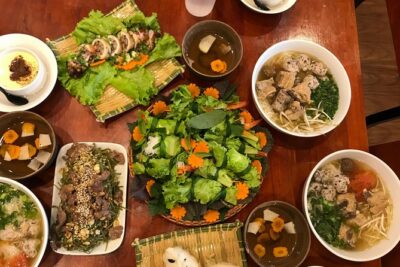
5 Traditional Dishes Hanoi Cooking Class with Market Trip
Read our review →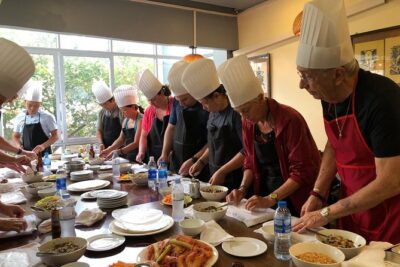
Vietnamese Food Cooking Class in Hanoi with Market Experience
Read our review →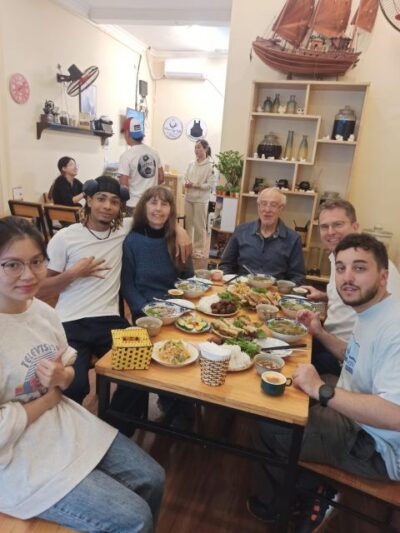
5 Local Dishes Cooking Class with Meal & Market Visit
Read our review →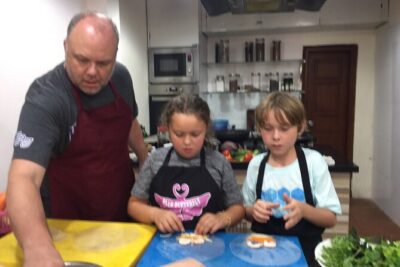
Hanoi Cooking Class and Market Tour in Ancient House
Read our review →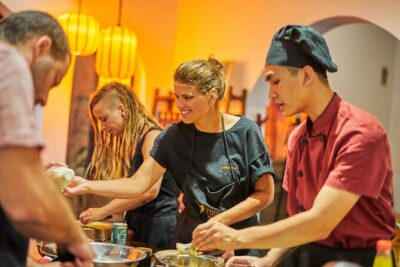
Rose Kitchen Hanoi: Market, Cooking & Culture Tour + Free PickUp
Read our review →
Hanoi Cooking Class: Pho/Bun Cha/Banh Xeo…+Free Egg/Salt Coffee
Read our review →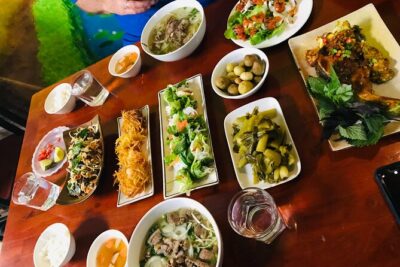
Private Cooking Class with 5 dishes of your choice
Read our review →Browse the lists this tour appears in