
Reviewed · WORKSHOPS
Hanoi Tea Workshop: Specialty Fresh Lotus Tea from West Lake
West Lake lotus tea is not ordinary flavored tea. It is made through a slow, careful process that can use more than 1,000 fresh lotus flowers for one kilogram of tea, giving this two-hour Hanoi workshop a real sense of place. You’ll learn the craft, taste the finished tea, and practice brewing it yourself.
I like the focus on handmade tradition rather than factory production, and I like that the experience includes Vietnamese snacks, cultural storytelling, and a take-home brewing guide. The workshop also supports children’s education at the farm, which gives your purchase a useful purpose.
The main caution is simple: the meeting point is Su Quan Roastery, and the business name supplied for the activity refers to a Hanoi coffee workshop. The available feedback also discusses coffee classes rather than lotus tea. Confirm that your booking is for the lotus tea session, especially if the distinction matters to you.
Key points at a glance
- More than 1,000 flowers per kilogram: Learn why genuine West Lake lotus tea takes patience and repeated scenting.
- Fresh lotus is seasonal: The flower-based elements may vary with the harvest.
- You brew the tea yourself: This is a hands-on lesson, not only a tasting.
- A small cultural workshop: The group is capped at 20 people and lasts about two hours.
- Useful extras included: Expect a welcome herbal drink, traditional snacks, a PDF brewing guide, and a certificate if requested.
- A practical Ba Dinh location: The session begins and ends at Su Quan Roastery, with public transport nearby.
Why West Lake lotus tea matters in Hanoi
Hanoi’s West Lake lotus tea, known locally as Trà Sen Hồ Tây, is treated as one of the city’s most refined tea traditions. Its appeal is not just the floral smell. The tea represents a particular Hanoi pace: careful work, seasonal ingredients, and a willingness to spend time on something that could be made faster and more cheaply.
That slow process is the heart of this workshop. You are not simply adding lotus syrup or artificial flavor to a cup of green tea. You are learning how fragrance is brought into the tea through fresh flowers and skilled handling. The supplied description presents the method as an old tradition once linked with royalty and scholars, which helps explain why the tea is treated as a special food rather than an everyday drink.
The amount of flower involved is striking. More than 1,000 fresh lotus blossoms may be needed for a single kilogram of tea. That figure gives you a useful way to judge the price and the product. At $23 per person, you are paying for instruction, tasting, materials, snacks, and access to a labor-heavy tradition, not merely for a cup of tea.
More hands-on classes and workshops in Hanoi:
- Hanoi Cooking Class: Culture, Local Market & Meaning CSR Impact
★ 5.0 · 5,147 reviews - 5 Traditional Dishes Hanoi Cooking Class with Market Trip
★ 5.0 · 4,890 reviews - Hanoi Coffee Workshop: Taste Salt, Coconut and Egg Coffee
★ 5.0 · 1,286 reviews
Starting at Su Quan Roastery in Ba Dinh
Your meeting point is Su Quan Roastery75/173 on Hoàng Hoa Thám Street, in Ngọc Hồ, Ba Đình. The activity returns to this same location, so you do not need to arrange a separate end point.
This is a practical setup for a short Hanoi activity. The meeting point is near public transportation, and the group can include up to 20 people. That is small enough for a guided demonstration to feel manageable, though it is not a private lesson. If you want plenty of personal attention during brewing practice, arrive ready to take part rather than waiting at the back of the group.
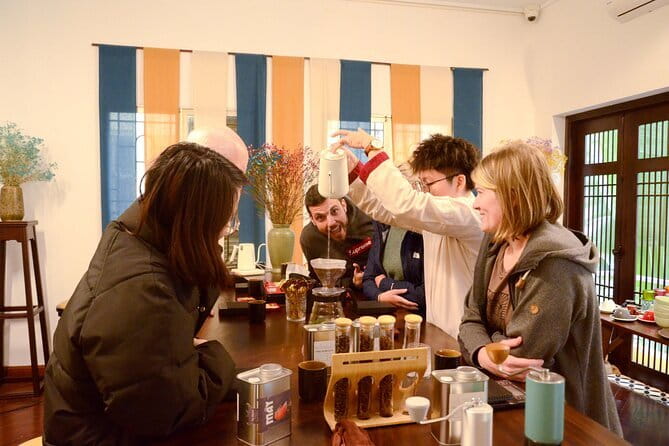
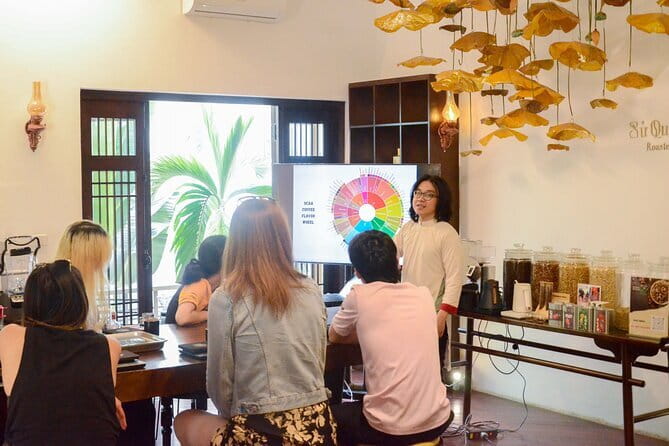
The location creates one point worth checking before you go. The activity’s meeting place is a coffee roastery, and the named provider supplied with the booking information is Hanoi Coffee Workshop: Make Taste 5 Signature Brews+History Story by Su Quan Roastery. Yet the activity itself is described as a lotus tea workshop. That may simply reflect a shared venue or business listing, but I would confirm the tea session and start time before setting out.
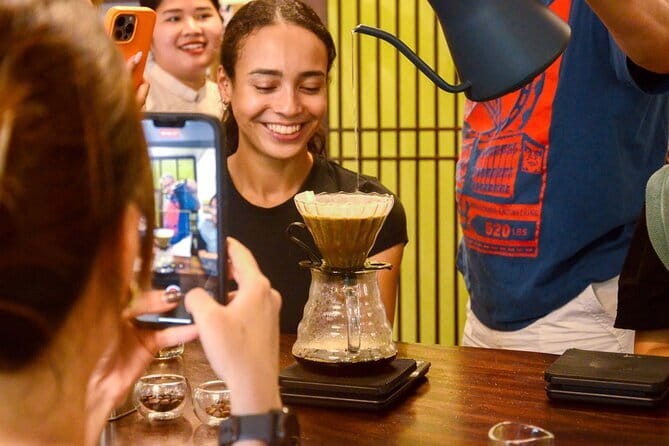
The coffee feedback attached to the business also names instructors such as Simone, Simon, Su, Tiung, Phuong Anh, and Piet. Those comments praise friendly teaching, clear demonstrations, and a welcoming atmosphere, but they do not confirm who leads the lotus tea workshop. You should not assume that a particular coffee instructor will teach your tea class unless the operator confirms it.
The welcome drink, snacks, and setting the mood

The session begins with a welcome herbal drink and traditional Vietnamese snacks. This is a small detail, but it helps the workshop feel like a cultural introduction rather than a technical demonstration.
The snacks also give you something to enjoy while the tea process is explained. Lotus tea is delicate, so tasting it alongside Vietnamese food can help you notice how the floral fragrance works with, or changes beside, other flavors. The supplied details do not identify the exact snacks, so do not book this expecting a full meal.
The opening portion should also help you understand the difference between ordinary green tea, scented tea, and premium West Lake lotus tea. That distinction matters. If you already drink tea, you may appreciate the production details. If you are new to Vietnamese tea, the introduction gives you a framework for understanding why a light floral scent can command a higher price.
Learning the fresh-lotus scenting process
The central lesson explains how lotus fragrance is naturally infused into green tea. The most valuable part is the connection between the ingredient and the labor. Fresh lotus is not always available, and the process depends on the harvest season, so the workshop cannot promise identical flower-based details all year.
That seasonal limit is worth keeping in mind. A session held when fresh lotus is available may feel more tactile and visual. At another time, the instructor may need to explain parts of the method without presenting the same fresh flowers. The supplied information directly warns that seasonal elements can vary depending on harvest time.
The workshop presents lotus tea as a craft, not commercial production. You get a better sense of value when you see how much work is required for a small amount of finished tea. The process also gives you a reason to treat the final cup gently. A heavily sweetened or boiling-hot serving would hide the subtle fragrance that makes the tea special.
The cultural storytelling adds context without requiring you to know anything about tea beforehand. You can ask questions during the Q&A, so use that time to ask about the West Lake tradition, the handling of fresh flowers, and how to recognize a naturally scented tea. The exact topics will depend on the guide, but the format makes room for direct questions.
Something completely different for the rest of your time in Hanoi:
- Hanoi Jeep Tour: Food, Culture and Fun by Vietnam Army Jeep
★ 5.0 · 15,222 reviews - Full-Day Ninh Binh Highlights Tour from Hanoi
★ 5.0 · 7,761 reviews - Hanoi: Ha Long Bay Day Cruise – Swimming, Meal, Kayaking
★ 4.7 · 7,415 reviews - Hanoi: Water Puppet Show Tickets
★ 4.6 · 7,029 reviews
Tasting premium West Lake lotus tea
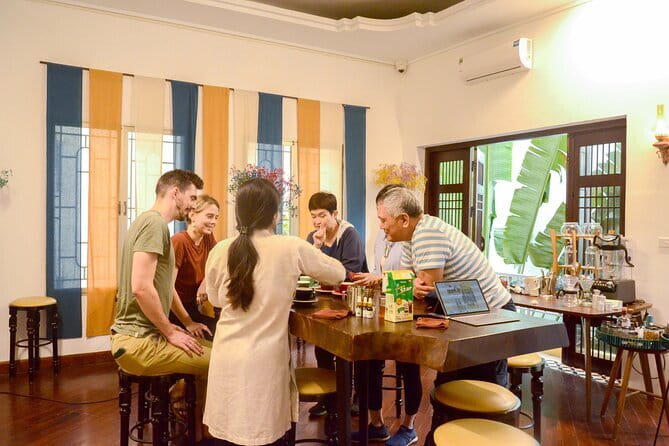
The tasting is the point where the workshop’s ideas become easier to understand. You can compare the aroma in the dry tea, the fragrance in the brewed cup, and the way the taste changes as the tea cools.
Do not expect lotus tea to taste like a sugary floral drink. The appeal is likely to be lighter and more restrained. The green tea remains important, while the lotus adds fragrance. That balance is why brewing matters so much.
The activity includes a premium West Lake lotus tea tasting, but it does not state how many cups or varieties are served. You should think of this as a focused introduction rather than a large tea flight. Its strength is the story and method behind one celebrated style of tea.
I would pay attention to the aroma before taking a sip. Then taste it slowly, and notice whether the floral character sits on top of the tea or blends into it. This kind of tasting rewards patience. If you prefer strong black tea, sweet milk tea, or bold coffee, the gentle style may seem understated at first.
Practicing Vietnamese tea brewing
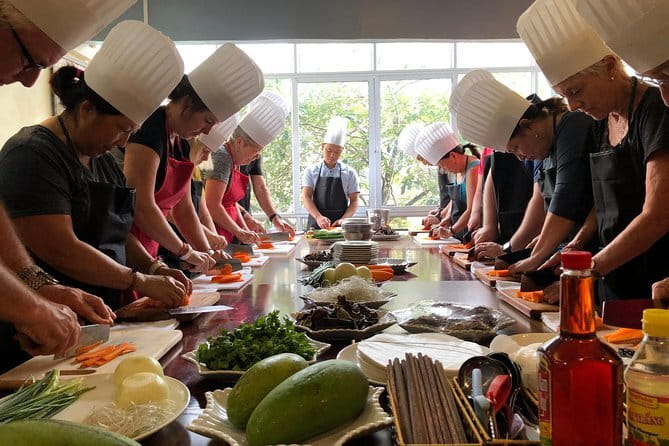
You do not only watch the instructor. Tea brewing practice is included, which makes the workshop more useful once you leave Hanoi.
The PDF file on Vietnamese lotus tea brewing gives you a reference at home. That is a practical inclusion because tea preparation can be easy to forget after a busy day of sightseeing. The guide should help you remember the steps covered during the class, although the supplied information does not list its language or exact contents.
The brewing lesson is also where you can ask the most useful questions. Ask how much tea to use, how hot the water should be, and how long to steep it. Those details affect delicate green tea far more than they affect a sturdy breakfast tea. The information does not provide exact brewing measurements, so you should get them directly from the instructor.
A certificate is available if requested. I see it as a pleasant souvenir rather than a major reason to book. The brewing practice and PDF are more useful for daily life, while the certificate may appeal to anyone collecting small records of their food and culture classes.
The farm connection and children’s education
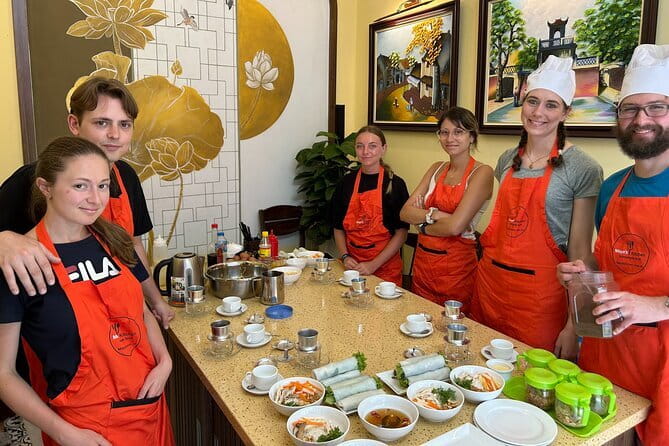
A portion of the experience supports children’s education at the farm. This gives the workshop a wider purpose, but you should keep the wording precise. The supplied information does not state the donation amount, the children’s program details, or how the funds are managed.
Still, the connection matters. Lotus tea depends on the people who grow, pick, handle, and scent the ingredients. A class that acknowledges the farm and supports education offers more than a polished tasting in a city venue. It gives you a way to think about the hands behind the tea.
If this point is important to your booking decision, ask the operator for current information about the educational support. That is sensible whenever a tour includes a social contribution.
What the two-hour format gives you
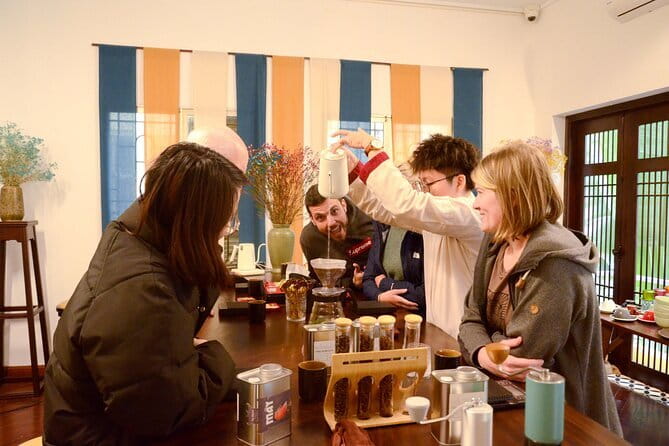
Two hours is a good length for this subject. A shorter session might leave you with a tasting but not enough time to understand the production method. A much longer class could feel repetitive if the focus remains on one tea style.
The schedule is listed as a single stop in Hanoi, so do not expect a farm visit or a walking tour around West Lake. The activity is based at the meeting point and ends there. That makes it easy to add before or after another Ba Dinh plan, but it also means you will not see the lotus fields as part of this booking.
The group limit of 20 keeps the class from becoming a mass demonstration. It may still feel lively if fully booked, and the amount of individual brewing time could vary. If you have mobility, language, or timing needs, raise them with the operator before booking because the available details do not explain accessibility arrangements.
Is $23 a fair price?
At $23, this is a reasonable price for a guided cultural workshop if you want more than a drink and a souvenir packet. The fee covers the welcome drink, snacks, fresh lotus tea tasting, premium tea tasting, instruction, brewing practice, cultural stories, Q&A, the PDF guide, and a possible certificate.
The price makes less sense if your only goal is to taste lotus tea. Hanoi offers many inexpensive tea and coffee stops, and you could spend far less on a single drink. Here, the value comes from understanding why the tea costs more, practicing the method, and hearing the cultural background.
The education contribution also adds meaning, though I would not treat it as a substitute for clear information about the program. Ask questions if charitable support is a deciding factor for you.
There is also a useful luggage service. The operator can keep luggage for up to three days. That may help if you are moving between accommodations, though you should clarify the handover details before relying on it for valuable items. Personal expenses are not included, so plan to pay separately for anything beyond the stated food, tea, and workshop materials.
Who should book this Hanoi tea workshop?
I would recommend it to you if you enjoy food traditions, small-scale production, and hands-on classes. It suits a first visit to Hanoi because it introduces a local specialty without requiring a full day. It also works well for someone who wants a quieter cultural activity between busier sightseeing stops.
Tea drinkers will get the most from it, especially if you enjoy green tea or floral aromas. You do not need advanced tea knowledge. The storytelling and Q&A are designed to give the practice a clear cultural setting.
Families and mixed-interest groups may also find the format useful if everyone is comfortable with a tasting-based class. The certificate and PDF give the experience a small souvenir element, while the snacks make it less formal.
I would hesitate if you are looking for a West Lake sightseeing trip, a lotus farm visit, or a broad tour of Vietnamese teas. This is a focused workshop at a city meeting point. I would also confirm the booking details because the coffee-related business name and coffee class feedback do not match the lotus tea subject perfectly.
Free cancellation is available if you cancel at least 24 hours before the local start time. Within 24 hours, the payment is not refunded, and late changes are not accepted.
Should you book it?
Book this workshop if you want to understand why genuine West Lake lotus tea is a labor-intensive Hanoi tradition, and if you value tasting, brewing practice, and cultural explanation more than sightseeing. At $23, the combination is fair, especially with snacks, a take-home guide, and support for children’s education included.
Before paying, confirm three things: that the session is specifically the fresh lotus tea workshop, who will lead it, and what seasonal lotus elements will be available on your date. If those details are clear, this is a thoughtful small-scale Hanoi activity. If you mainly want a quick cup of tea or a lotus farm outing, choose something else.
FAQ
Where does the lotus tea workshop begin?
It begins at Su Quan Roastery75/173, Đ. Hoàng Hoa Thám, Ngọc Hồ, Ba Đình, Hanoi 100000, Vietnam.
Where does the activity end?
The workshop ends back at the meeting point, Su Quan Roastery.
How long does the workshop last?
The activity lasts approximately two hours.
What is included in the price?
The price includes a welcome herbal drink, traditional Vietnamese snacks, fresh lotus tea tasting, premium West Lake lotus tea tasting, a guided workshop, brewing practice, cultural storytelling, Q&A, a PDF brewing file, and a certificate if requested.
Are fresh lotus flowers guaranteed?
No. Fresh lotus and other seasonal elements may vary depending on the harvest time.
Can I cancel for a full refund?
Yes, if you cancel at least 24 hours before the experience’s local start time. Cancellations made less than 24 hours in advance are not refunded, and late changes are not accepted.
Just added to the Hanoi list
- (TOP) Private car: Hanoi/Noi Bai Airport (HAN) from/to Ninh Binh★ 3.5 · 16 reviews
- Thang Long Water Puppet Theater★ 4.5 · 45 reviews
- Private car transfer from Hanoi Airport to Hotels★ 4.5 · 5 reviews
- Private Tour Ninh Binh 1 Day★ 5.0 · 5 reviews
- Private Hanoi Old Quarter Food Tour with 8+ Authentic Tastings★ 5.0 · 11 reviews
- Private Transfer Service from Hanoi to Ha Long Bay★ 5.0 · 3 reviews
- Private Transfer Between Hanoi City and Noi Bai Airport (HAN)★ 5.0 · 3 reviews
- Ba Be National Park With Boat Trip, Kayaking, Swimming, Trekking And Cycling★ 5.0 · 10 reviews
Workshops, compared.

Hanoi Cooking Class: Culture, Local Market & Meaning CSR Impact
Read our review →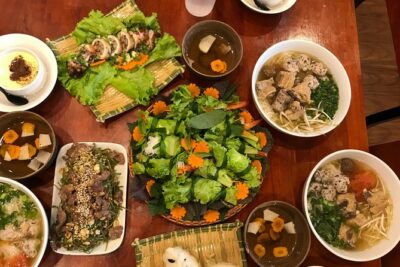
5 Traditional Dishes Hanoi Cooking Class with Market Trip
Read our review →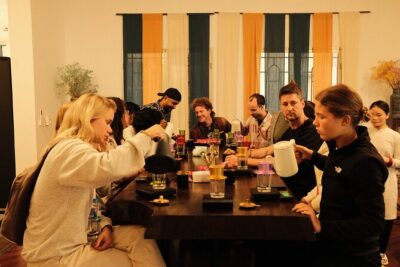
Hanoi Coffee Workshop: Taste Salt, Coconut and Egg Coffee
Read our review →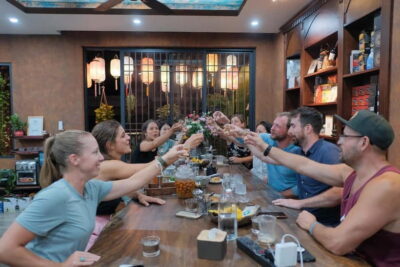
Salt Coffee Workshop Awake Your Senses With 6 Brews
Read our review →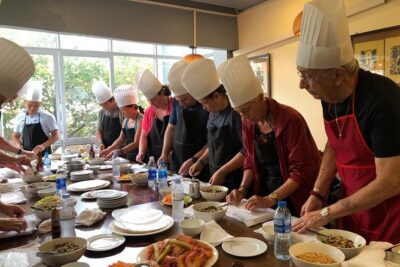
Vietnamese Food Cooking Class in Hanoi with Market Experience
Read our review →
Handcrafted Wood Carving Workshop with Local Artisan
Read our review →
5 Local Dishes Cooking Class with Meal & Market Visit
Read our review →
Hanoi Cooking Class and Market Tour in Ancient House
Read our review →Browse the lists this tour appears in