
Reviewed · MUSEUMS
Hanoi: War Site Museums Tour
Hanoi’s war-site museums make the city’s 20th-century story feel immediate. You walk through Hoa Lo Prison, study aircraft and battlefield objects, then stand beside the remains of a B-52 bomber at Huu Tiep Lake. The tour is strongest when your guide connects these places instead of treating them as separate stops.
I like the excellent English-speaking guides, especially Minh, Mark, Nathan, Nam, and Tee, who explain competing viewpoints and answer questions patiently. I also like the coffee or drink stop near the B-52 site, a useful pause during an intense day. The main drawback is that some museums close on Monday and Friday, so the tour may become an outdoor visit around the grounds instead.
Key points to know before booking
- Hoa Lo Prison brings the tour close to personal stories of imprisonment, survival, and resistance.
- The Military History Museum gives the clearest look at Vietnam’s weapons, aircraft, and wartime campaigns.
- Huu Tiep Lake holds the remains of a B-52 bomber in an ordinary Hanoi neighborhood.
- Guides such as Minh and Mark add context that the museum displays alone cannot provide.
- The route can last from 210 minutes to eight hours, depending on the option you choose.
- Monday and Friday closures matter, especially for the Ho Chi Minh, B-52, and Military History museums.
Why these Hanoi war sites matter
This is not a light sightseeing outing. It asks you to think about imprisonment, colonial rule, independence, aerial warfare, and the way a nation remembers conflict.
The tour brings together several viewpoints. Hoa Lo Prison focuses on people held there and the conditions they faced. The Ho Chi Minh Museum presents the life and political work of the country’s best-known leader. The Military History Museum lays out objects connected to Vietnam’s wars. At Huu Tiep Lake, the wreckage of a B-52 gives the story a physical marker.
I would not book this as your only introduction to Vietnam. One useful point from the tour experience is that the material can move quickly into war history without first giving you a broad overview of the country. If you have little background, read a short introduction to Vietnam’s independence movement before you go. You will follow the guide more easily and get more from the displays.
More museums and galleries in Hanoi:
- (Private) MUSEUM TOUR in HANOI
★ 5.0 · 262 reviews - Hanoi Hoa Lo Prison and War museums Tour
★ 5.0 · 24 reviews - Ninh Binh: Tam Coc Museum Tour and Rice Mosaic Workshop
★ 5.0 · 4 reviews
Hoa Lo Prison and the Hanoi Hilton
Hoa Lo Prison is usually the emotional center of the route. You walk through the former prison corridors and cells, where the displays focus on the people confined there and their struggle to survive.
The site is also known by the nickname Hanoi Hilton, a name associated with American prisoners of war during the later conflict. The museum presents the prison’s wider story, including its use under French colonial rule. That makes it more than a war museum. It is also a place tied to Vietnam’s fight against foreign control.
Expect a serious stop rather than a polished attraction. The surviving sections and reconstructed displays cannot show every part of the original prison, and one portion of the site has been lost to later development. A visitor specifically found the hotel occupying much of the former prison area disappointing. That is a fair warning: Hoa Lo is meaningful, but it is not a complete preserved prison complex.
This is where a guide earns the fee. Minh, in particular, has been praised for answering detailed questions and explaining the site in clear English. The tour can help you sort out what you are seeing, what has been reconstructed, and why the prison matters in Vietnam’s national story.
Give yourself time to look at the small details. Doors, narrow passages, cells, and the arrangement of the displays can make the visit more powerful than a quick list of dates. You may find the space unsettling, so comfortable shoes and a steady pace will help.
Meeting Ho Chi Minh through the museum
The Ho Chi Minh Museum shifts the focus from prison life and military events to one political figure. The displays examine Ho Chi Minh’s life and his role in Vietnam’s push for independence and unity.
This stop is useful because Ho Chi Minh’s influence reaches far beyond portraits and official speeches. Your guide can explain how his vision fits into the larger story of Vietnam’s struggle for self-rule. The museum is best approached as a presentation of his legacy and the way Vietnam remembers him, not as a neutral biography with every viewpoint given equal space.
Crowds may affect the visit. One guide had to adapt when a large Chinese group arrived at the museum. That sort of flexibility matters in Hanoi, where a quiet museum room can become crowded without warning.
The museum is closed on Monday and Friday, along with the B-52 Victory Museum and Vietnam Military History Museum. If your chosen date falls on one of those days, the guide takes you outside the museum campus instead. Check the available date and option carefully before paying, especially if the indoor collections are the main reason you are booking.
The Military History Museum’s large collection
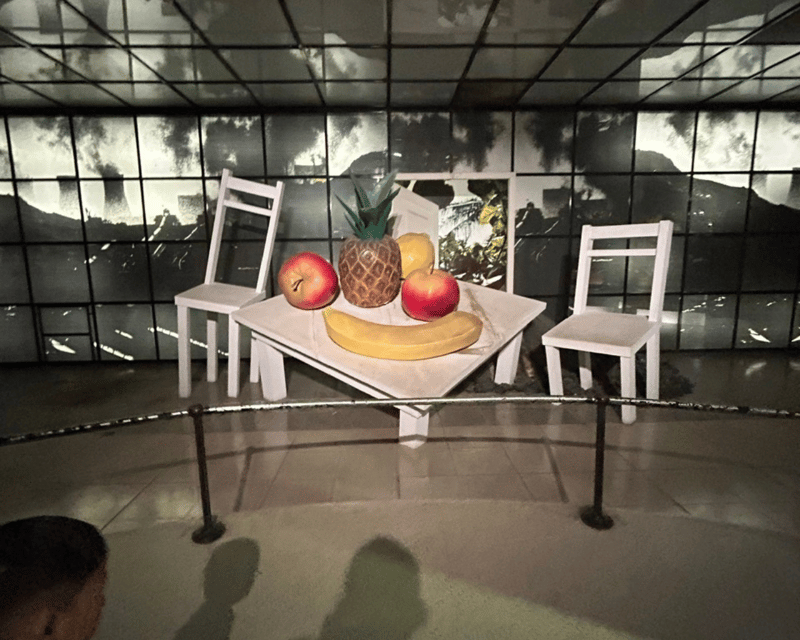
The Vietnam Military History Museum is the broadest stop on this route. Its collection gives you a detailed look at military equipment, aircraft, weapons, and objects connected to Vietnam’s wars.
You can expect a lot of material. That is good news for anyone who wants more than a short memorial visit, but it can also feel dense. The guide’s role is to select the important pieces and explain how they fit together. Minh, Mark, Nathan, and Tee have all been singled out for clear explanations and strong command of the subject.
I find this museum most useful when you listen for connections between the objects. An aircraft is not just a machine. It points toward a campaign, a military strategy, and the people who flew or opposed it. A weapon is not only a piece of hardware. It can help explain how the war was fought and why particular battles mattered.
The museum may be the most valuable stop for a first-time visitor who wants a broad military overview. Still, it is not a substitute for studying Vietnam’s full political and social history. The collection centers on conflict, so you will need other parts of your Hanoi visit to understand daily life, culture, and the country beyond wartime events.
Something completely different for the rest of your time in Hanoi:
- Hanoi Jeep Tour: Food, Culture and Fun by Vietnam Army Jeep
★ 5.0 · 15,222 reviews - Full-Day Ninh Binh Highlights Tour from Hanoi
★ 5.0 · 7,761 reviews - Hanoi: Ha Long Bay Day Cruise – Swimming, Meal, Kayaking
★ 4.7 · 7,415 reviews - Hanoi: Water Puppet Show Tickets
★ 4.6 · 7,029 reviews
Huu Tiep Lake and the B-52 wreckage
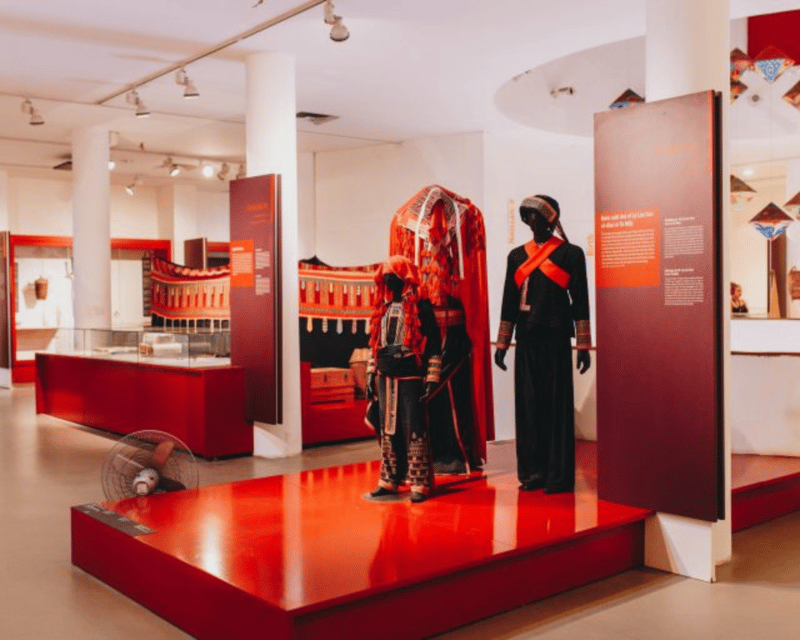
At Huu Tiep Lake, the war feels close in a different way. The remains of a B-52 bomber lie beside the water, surrounded by the everyday life of Hanoi.
That contrast is what makes the stop memorable. You are not looking at an aircraft in a clean museum hall. You are standing near wreckage in a neighborhood setting, with the city continuing around it. The remains serve as a physical reminder of the B-52 bombing campaign and the destruction it caused.
The B-52 Victory Museum adds military context to the outdoor site. It focuses on the aircraft, pilots, and aerial operations that shaped the bombing campaign. The visit can help you understand the scale and purpose of the air war before you see the wreckage at the lake.
A coffee or drink stop near Huu Tiep Lake is a welcome addition. The tour can be emotionally heavy, and the pause gives you time to ask questions or simply process what you have seen. Egg coffee was specifically recommended as a good choice near the B-52 site, though the included drink itself is described more generally as coffee or another refreshment.
The B-52 Victory Museum is also closed on Monday and Friday. On those days, expect the guide to take you outside the campus rather than into the museum galleries.
What the guides add
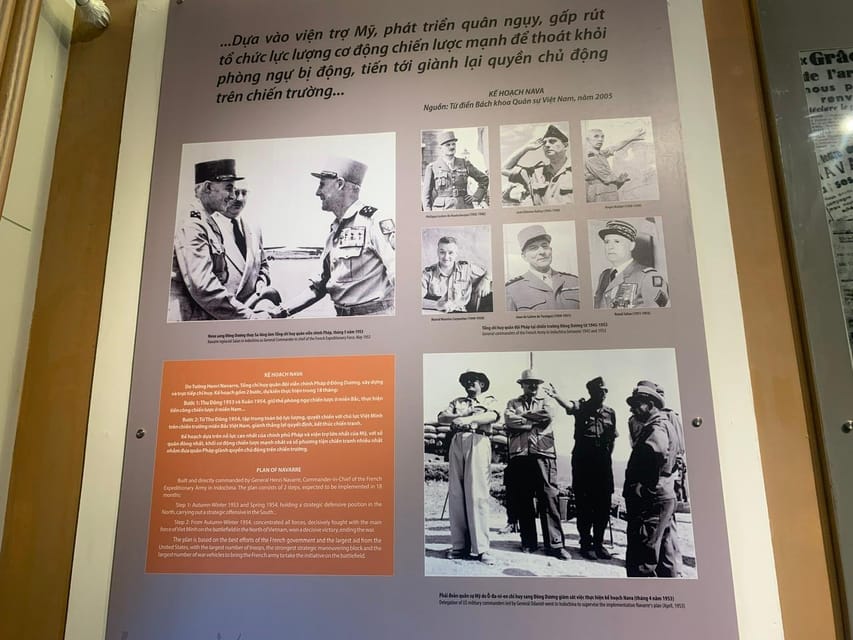
The quality of the guide is central to this experience. The tour covers subjects that can be politically sensitive and emotionally charged, so clear language and a calm manner make a real difference.
Minh has been praised for excellent English, patient answers, and a balanced explanation of events. Mark has been described as clear and friendly, with strong knowledge of the Vietnam War. Nathan brings enthusiasm for Vietnamese history and culture, while Tee focuses on the struggle for freedom and national unity. Nam has also been appreciated for giving background that visitors might not get from reading the exhibit labels alone.
You should feel free to ask questions. The guides have handled questions from adults and a 14-year-old child, and they appear comfortable adjusting the level of detail. If you want a political explanation, ask. If you want to understand local culture or food along the way, ask that too. One guide added local cuisine and cultural details to the museum visits, which can make the day feel less narrow.
The guide may also need to adjust the route when a museum is crowded or when a closure changes the plan. That flexibility is useful, but it also means the exact rhythm of the tour can vary.
How long the tour takes
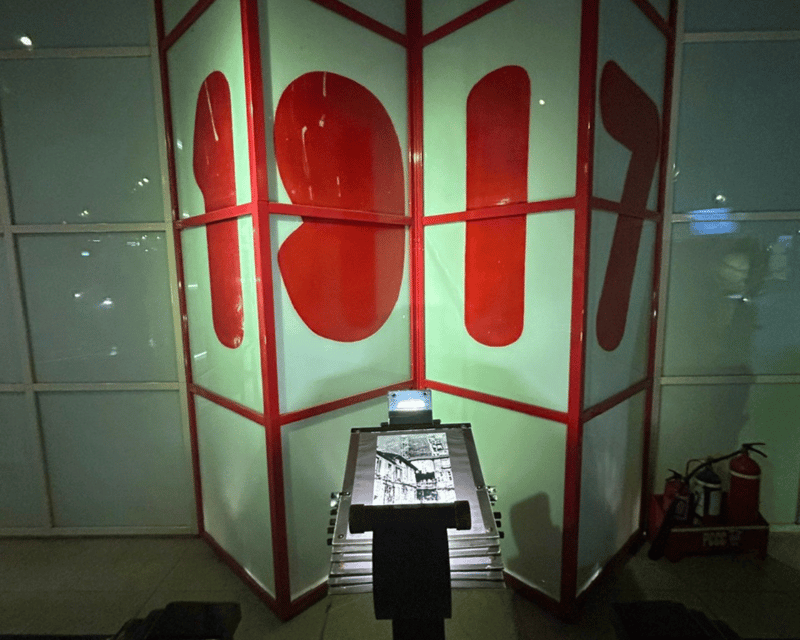
The listed duration ranges from 210 minutes to eight hours. That is a wide spread, so check the option you select rather than assuming every departure includes the same number of museums.
A shorter version may suit you if you want Hoa Lo, one or two major museums, and the B-52 site without giving up a full day. A longer option makes more sense if you want the Military History Museum in detail and time for questions.
The itinerary includes about four hours in Hanoi for walking, sightseeing, and guided visits, but the full length can reach eight hours with transport and added stops. Pickup may be available from your hotel. If you choose it, wait in the lobby five minutes before departure. Otherwise, follow the meeting instructions and look for the guide holding a red Vietnamese flag.
Taxi or car transport is included. That matters in Hanoi, where moving between sites can be tiring in heat, rain, or heavy traffic. You can also be dropped off in Hanoi or at Hanoi Train Street, depending on the selected option.
What the $30 price includes
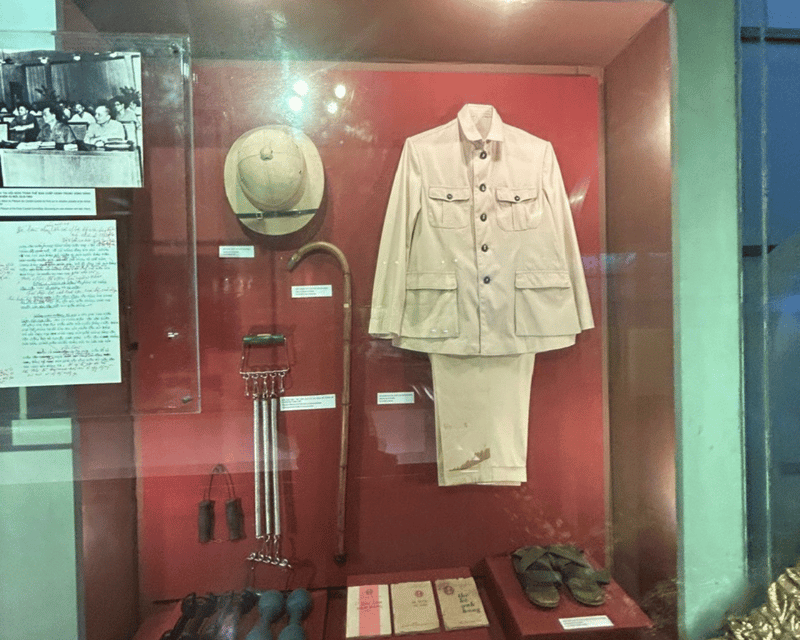
At about $30 per person, the tour offers solid value if you want several museums and a guide rather than isolated visits. The price includes the guide, entry tickets, coffee or another drink, and taxi or car transport.
You are paying mainly for interpretation and coordination. Museum admission alone would not explain the links between Hoa Lo, the military collection, Ho Chi Minh’s legacy, and the B-52 wreckage. Transport also saves you from arranging separate rides across Hanoi.
The value depends on your chosen duration. For a short visit with only one or two sites, you may prefer to visit independently. For a longer route with several entry tickets and transport, the price is easier to justify.
Tips are not included. A $10 surcharge applies during New Year and Tet, Liberation Day or Reunification Day on April 30, International Workers’ Day on May 1, and National Day on September 2. Factor that into your budget if you are visiting during one of those periods.
Who should book this experience
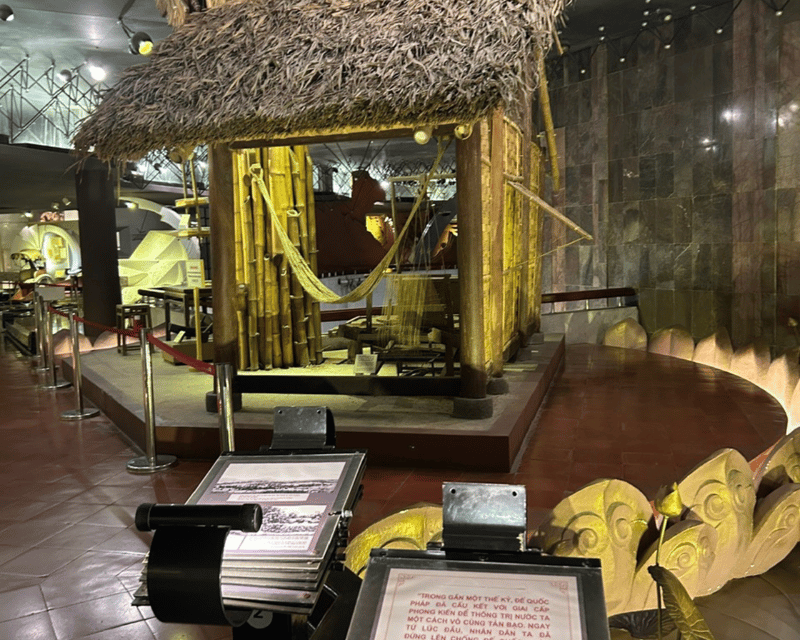
I would recommend this tour to you if museums, military history, political change, and personal stories are a major reason for visiting Hanoi. It is also a good choice if you want a guide who can explain details in English and move you between sites without requiring you to arrange each taxi yourself.
Families with older children may find it useful, especially if the children are willing to ask questions. The guide has handled questions from a 14-year-old, but the subject matter includes imprisonment, bombing, and death. Use your own judgment about whether younger children will be comfortable.
This is less suitable if you want a relaxed day of markets, temples, and food. The route is serious and information-heavy. You should also think twice if you dislike museum displays that present a strong national viewpoint. A good guide can add nuance, but the museums remain places of official memory.
The activity is listed as not suitable for people over 95. Comfortable shoes are important because the tour includes walking through museum grounds, corridors, and city streets. Alcohol and drugs are not allowed.
How to make the day better
Read a short overview of Vietnam’s independence movement before you go. This solves the main weakness of the tour, which is that it can move quickly into complex wartime material.
Ask the guide to explain terms, dates, and viewpoints you do not recognize. The best parts of the tour come through conversation, not simply looking at objects.
Plan for an emotional change of pace. Hoa Lo may feel confined and grim, while the B-52 site is open to the city and the coffee break is more social. Let yourself pause between those experiences.
Finally, check the weekday schedule before booking. If the Ho Chi Minh, B-52, and Military History museums are essential to you, avoid Monday and Friday. On those days, the tour goes outside the campuses instead of entering those museums.
Should you book the Hanoi War Site Museums Tour?
Book it if you want a focused, guided look at Hanoi’s war sites and you value explanation more than a casual sightseeing loop. The combination of Hoa Lo Prison, the Military History Museum, Ho Chi Minh’s museum, and the B-52 wreckage gives you several ways to understand the past.
I would choose a longer option if you have the time and a shorter option only if your schedule is tight. The guides, especially Minh, Mark, Nathan, Tee, and Nam, are the main reason this works well. Just prepare for a serious subject, check the Monday and Friday closures, and arrive ready to ask questions.
FAQ
How much does the Hanoi War Site Museums Tour cost?
The tour costs $30 per person. A $10 surcharge applies during New Year, Tet, Liberation Day or Reunification Day on April 30, International Workers’ Day on May 1, and National Day on September 2.
How long does the tour last?
The available options range from 210 minutes to eight hours. Check the selected option for its exact duration and starting time.
Which sites are included?
The experience can include Hoa Lo Prison, the Ho Chi Minh Museum, the Vietnam Military History Museum, and the B-52 Victory Museum with the B-52 wreckage at Huu Tiep Lake. Additional sites may depend on the option selected.
Are the museums open every day?
The Ho Chi Minh Museum, B-52 Victory Museum, and Vietnam Military History Museum are closed on Monday and Friday. On those days, the tour goes outside the museum campus. Some museums may also be closed on Mondays.
Is hotel pickup available?
Optional hotel pickup is available. If you choose it, wait in your hotel lobby five minutes before departure.
What is included in the price?
The price includes an English-speaking guide, entry tickets, coffee or another drink, and transportation by taxi or car. Tips are not included.
Where do I meet the guide?
Your guide will be holding a red flag of Vietnam at the meeting point.
Can I cancel the booking?
You can cancel up to 24 hours in advance for a full refund. Reserve now and pay later is also available.
Just added to the Hanoi list
- (TOP) Private car: Hanoi/Noi Bai Airport (HAN) from/to Ninh Binh★ 3.5 · 16 reviews
- Thang Long Water Puppet Theater★ 4.5 · 45 reviews
- Private car transfer from Hanoi Airport to Hotels★ 4.5 · 5 reviews
- Private Tour Ninh Binh 1 Day★ 5.0 · 5 reviews
- Private Hanoi Old Quarter Food Tour with 8+ Authentic Tastings★ 5.0 · 11 reviews
- Private Transfer Service from Hanoi to Ha Long Bay★ 5.0 · 3 reviews
- Private Transfer Between Hanoi City and Noi Bai Airport (HAN)★ 5.0 · 3 reviews
- Ba Be National Park With Boat Trip, Kayaking, Swimming, Trekking And Cycling★ 5.0 · 10 reviews
Museums, compared.

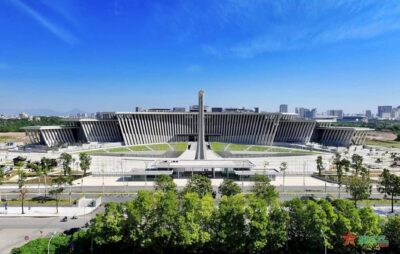
Vietnam Military History Museum and Hanoi Museum Tour
Read our review →Browse the lists this tour appears in