
Reviewed · HANOI COFFEE TOURS
Hanoi Ultimate Coffee Workshop: Make, Learn & Taste
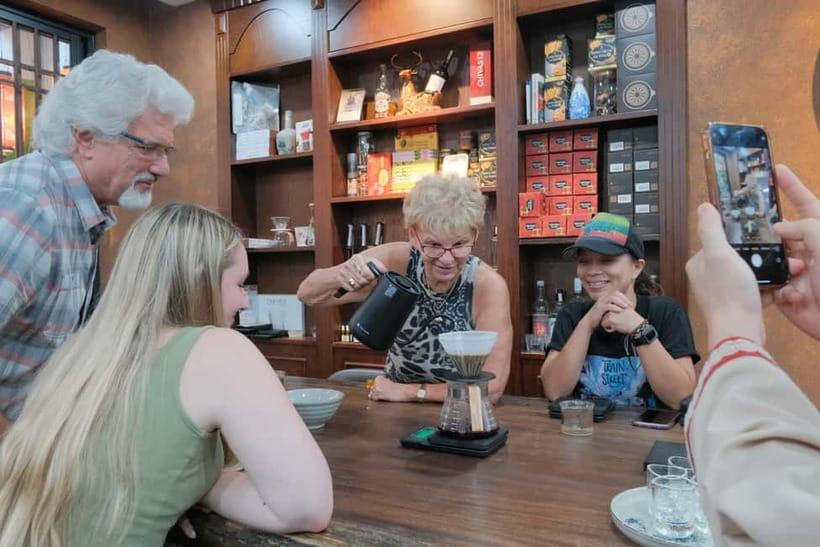
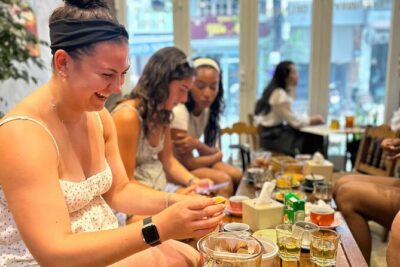
Vietnamese coffee is more than a strong drink served over ice. In this Hanoi workshop, you learn how beans are grown and roasted, then use the same kind of small filters, grinders, and other tools that shape daily coffee culture. The best part is the hands-on work: you make the drinks yourself instead of watching a demonstration.
I like the five distinct coffee styles, from egg coffee and coconut coffee to salt coffee and pour-over brews. I also like the friendly, personal teaching style reported from hosts including Luka, Lin, Giang, Lyon, and Jonathan. The main drawback is simple: this can mean a lot of caffeine, especially when the session includes a sixth drink, cocktails, and wine.
Key points to know before booking
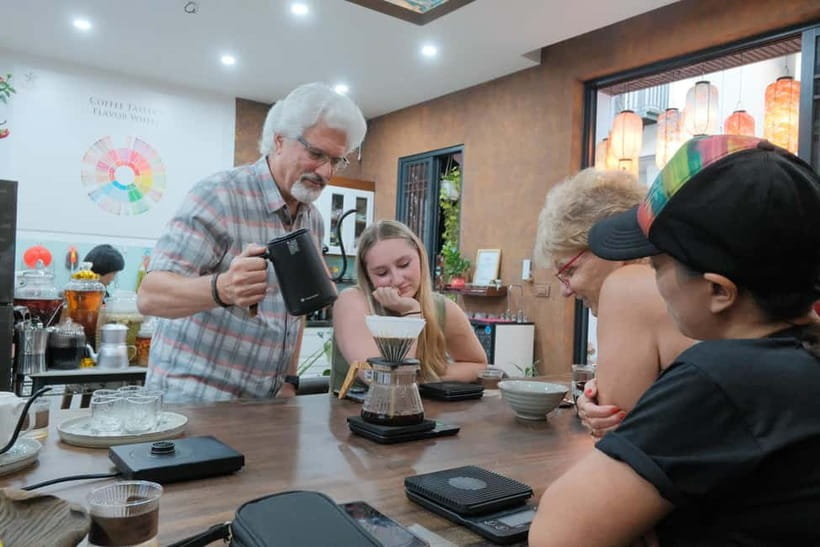
- You make the drinks yourself: The workshop is practical, with local filters, grinders, and brewing equipment placed in your hands.
- The coffee lesson goes beyond recipes: You cover cultivation, roasting, green beans, authenticity, and the technical steps behind a good cup.
- The tasting list is broad: Expect egg, salt, coconut, brown, and pour-over coffee, with some sessions also adding a sixth coffee or a signature cocktail.
- Experienced hosts lead the class: Luka, Lin, Giang, Lyon, and Jonathan are named instructors connected with the sessions, all offering an English-language format.
- It works well on a rainy Hanoi day: The activity takes place indoors, with snacks and water available during the several-hour class.
- The price is strong for the amount included: At $23 per person, you receive instruction, drinks, equipment use, a recipe book, coffee books in digital form, and optional hotel transport within Hanoi’s Old Quarter.
Starting with Vietnam’s coffee story
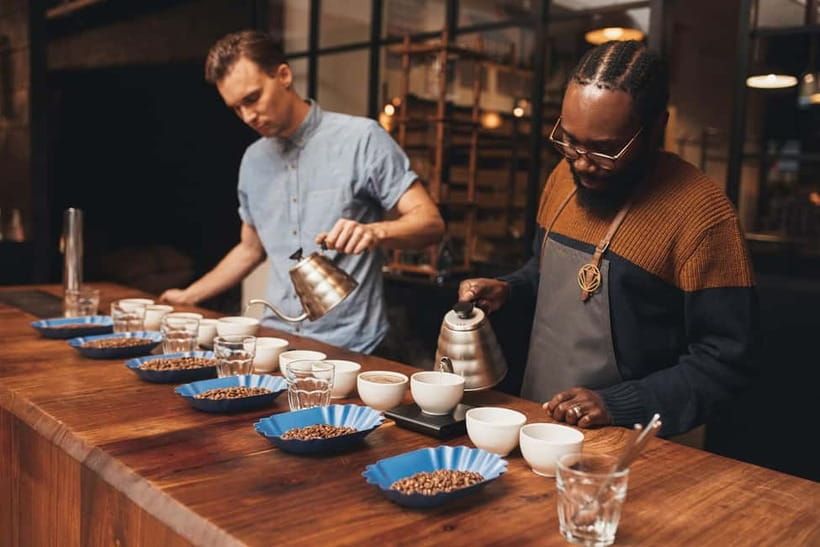
The workshop begins with the background many visitors miss when they simply order a cà phê sữa đá. You learn how coffee reached Vietnam, how it became part of everyday life, and why local brewing methods look different from the café styles you may know at home.
This opening lesson also introduces the coffee plant itself. You see different beans and learn about the growing process, including the special green beans used before roasting. The roasting discussion matters because it helps explain why Vietnamese coffee often tastes bold, dark, and intense.
I appreciate this part because it gives you a useful frame for the tasting that follows. Instead of treating each cup as a novelty, you can connect its flavor and preparation to the bean, roast, tool, and local habit behind it.
The class also looks at coffee-making equipment. You may handle filters, grinders, and other tools before using them to prepare drinks. That is a better way to learn than a quick café visit, especially if you want to repeat the recipes after returning home.
More egg coffee and cafe stops in Hanoi:
- Hanoi Coffee Experience: 6 Brews, 9 Recipes & 3 Liquor Tastings
★ 5.0 · 2,945 reviews - Hanoi Coffee Workshop: Taste Salt, Coconut and Egg Coffee
★ 5.0 · 1,286 reviews - Hanoi: Salt Coffee Workshop Awake Your Senses With 6 Brews
★ 5.0 · 792 reviews
Learning how to spot a better cup
A central lesson covers the difference between authentic coffee and poor or counterfeit coffee. The wording is broad, so you should not expect a laboratory test or a formal certification process. You can expect practical guidance on what to look for in the beans, preparation, aroma, and finished drink.
That advice is useful in Hanoi, where coffee menus can be long and the styles vary from café to café. You will not leave as a professional taster, but you should have a clearer sense of what affects flavor and texture.
The hosts also explain the basic technique behind a good cup. That includes the use of the filter, the grind, the brewing method, and the balance of ingredients. The value here is not only in drinking several coffees. You gain a simple method for understanding why one cup feels smooth and another feels harsh or overly sweet.
The teaching style seems to be one of the strongest parts of the experience. Jonathan has used prepared slides and storytelling about roasting and brewing. Luka is described as entertaining as well as well-informed, while Lin is noted for explaining each coffee carefully and making people feel welcome. Those details suggest a class that aims to keep the lesson lively rather than turning it into a dry lecture.
Making five Vietnamese coffee styles
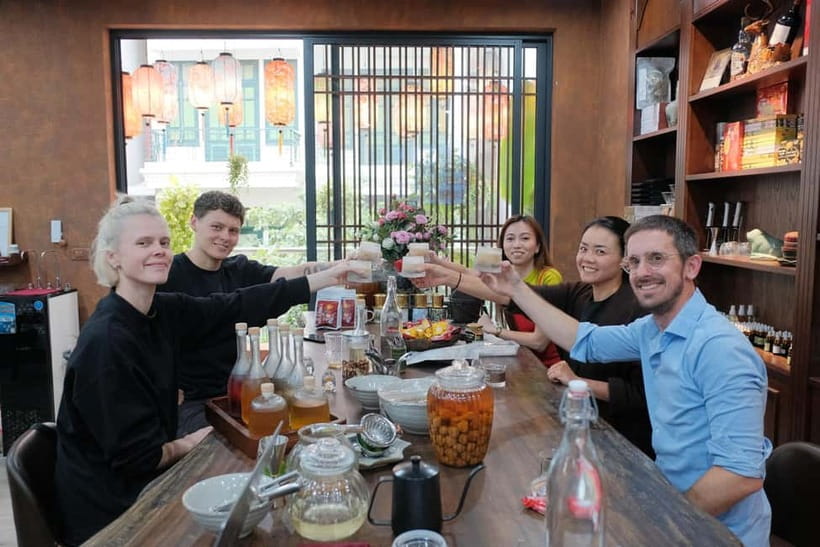
The practical heart of the session is the brewing work. You make up to five named Vietnamese coffees, using the equipment provided and following instructions from the host.
Vietnamese egg coffee
Egg coffee is Hanoi’s best-known specialty, and making it yourself helps explain why it feels more like a dessert than a standard morning brew. You learn how the creamy topping works with the coffee underneath, rather than simply receiving a finished glass at a café.
This is likely to be one of the sweeter drinks in the line-up. If you prefer black coffee, treat it as a local specialty and a lesson in texture, not as a replacement for your usual cup.
Something completely different for the rest of your time in Hanoi:
- Hanoi Jeep Tour: Food, Culture and Fun by Vietnam Army Jeep
★ 5.0 · 15,222 reviews - Full-Day Ninh Binh Highlights Tour from Hanoi
★ 5.0 · 7,761 reviews - Hanoi: Ha Long Bay Day Cruise – Swimming, Meal, Kayaking
★ 4.7 · 7,415 reviews - Hanoi: Water Puppet Show Tickets
★ 4.6 · 7,029 reviews
Vietnamese brown coffee
The original Vietnamese brown coffee gives you the basic local format, usually built around coffee and sweetened condensed milk. Here, the point is to understand the foundation of many familiar Hanoi café drinks.
This is also a useful comparison cup. After trying more elaborate recipes, you can return to a simpler style and notice how the roast, sweetness, and brewing method work together.
Coconut coffee
Coconut coffee adds a creamy, tropical note to the strong coffee base. The workshop lets you see how a familiar local ingredient changes the body and sweetness of the drink.
It is a good choice for people who find plain Vietnamese coffee too intense. It is also one of the recipes most worth recreating at home, since the ingredients are easier to understand than the more specialized egg coffee method.
Salt coffee
Salt coffee may sound odd at first, but the small amount of salt is used to shape the drink rather than make it taste salty. The class shows you how local coffee recipes often depend on balance, not simply on adding more sugar.
This drink gives the workshop a useful contrast. You are not just tasting five variations on one sweet formula. You are seeing how a small ingredient can change the way the coffee tastes.
Pour-over coffee
The pour-over section offers a bridge to brewing styles familiar to many international coffee drinkers. You work with a slower, more controlled method and can compare its character with the stronger local filter preparations.
I like having this style in the session because it keeps the class from becoming a single-note introduction. You can compare different brewing approaches instead of assuming every Vietnamese coffee is dark, sweet, and condensed milk based.
The extra drink, cocktail, and wine tasting
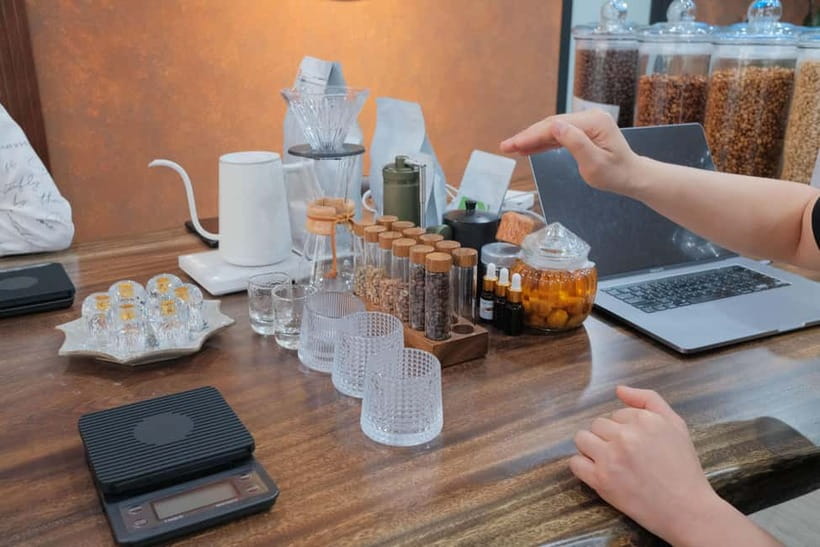
The advertised coffee list includes up to five distinctive brews, but several sessions have included six coffees. The extra preparation may be a signature drink or another local variation, so you should treat the sixth coffee as a possible addition rather than a guaranteed part of every booking.
The program also includes signature coffee cocktails made with jam and local wine. This is a playful way to show how coffee can move beyond the breakfast table. It is not the main reason I would book the workshop, but it adds variety near the end of the tasting.
A selection of Vietnamese wines is included as well. The order matters. Coffee is served before the wine, which makes sense from a flavor and energy point of view. You may want to pace yourself, though, since several coffees followed by wine can feel like a lot in one sitting.
Water and welcome snacks are provided. That small detail matters during a three-hour coffee session. The snacks give you something to eat between tastings, and the water helps keep your palate and caffeine level under control.
If you are sensitive to caffeine, ask about smaller tasting portions before the class begins. The supplied information does not promise decaffeinated alternatives, so do not assume they are available.
A stop at a local café and food afterward
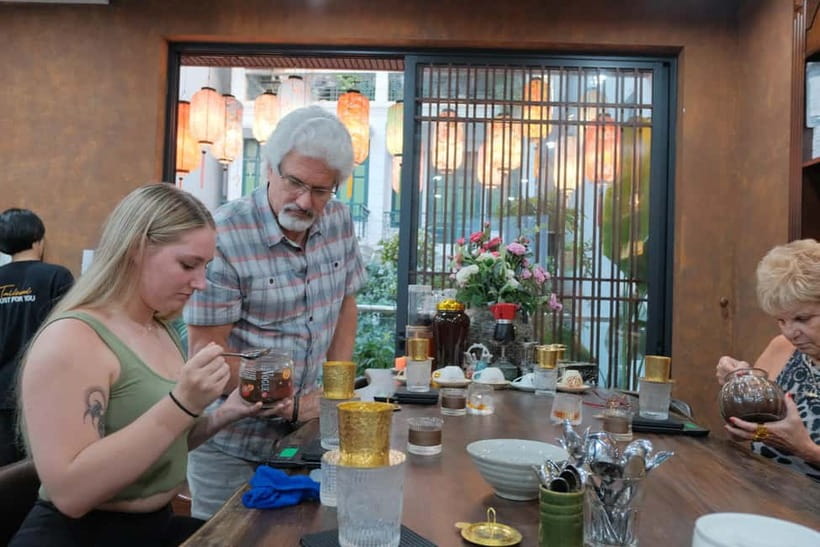
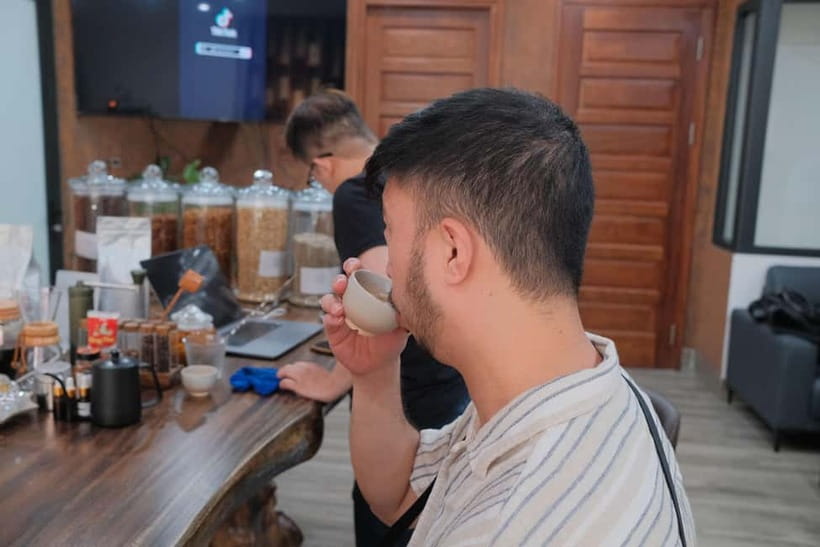
The main coffee tasting takes place at a local café and is listed as lasting about three hours. This is where the instruction, equipment practice, tasting, and coffee conversation come together.
The setting is intended to feel local rather than like a large formal school. That suits the subject. Coffee in Hanoi is tied to small cafés, compact tools, and daily routines, so a café setting fits the lesson better than a polished hotel conference room.
The full schedule can last from three to five hours. A separate local restaurant stop is listed for lunch or dinner and may take about an hour and a half, depending on the selected option. Because the details vary, check exactly what your booking includes before assuming a full meal is part of every session.
The restaurant stop can make the activity feel more like a half-day outing than a single class. It also gives you a break after the coffee tasting. If you prefer a shorter experience, confirm the timing and meal arrangement before paying.
The listed return point is Hoàn Kiếm. That makes the activity easy to fit into a day based around the Old Quarter, though the meeting point is outside the most central streets.
Getting to the meeting point in Hanoi
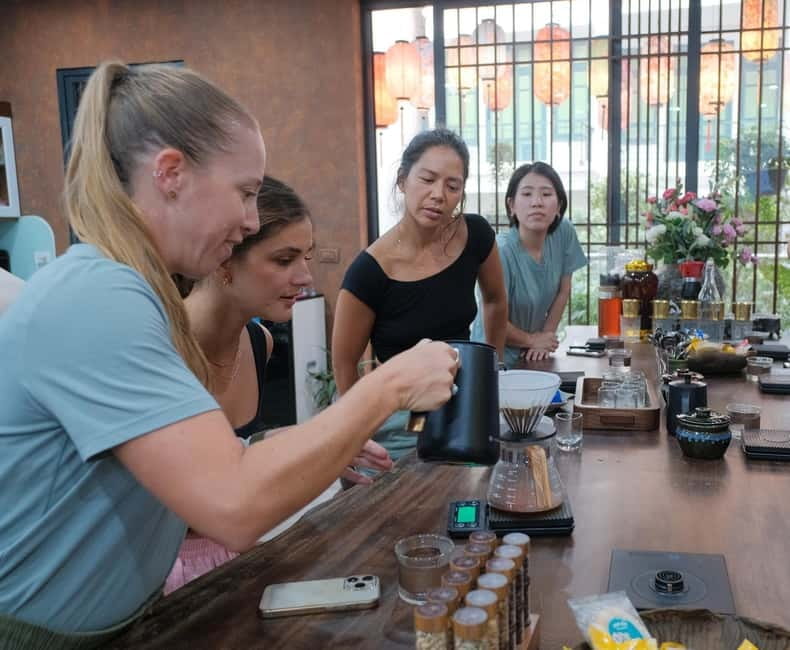
The meeting point is at Alley 75, Lane 173, Hoang Hoa Tham Street. Look for the intersection with the large yellow sign marked Bia Hoi Mau Dich. The host will meet you there and guide you to the venue.
Use the supplied Google Maps location rather than relying only on the venue name. Hanoi’s lanes can be confusing, and a meeting point at an alley entrance is not the same as the café or workshop room itself.
Hotel pickup and drop-off are available within the Old Quarter area. Pickup times usually fall within a 15 to 20 minute window, but traffic and weather can shift the timing. Hanoi traffic is a genuine factor, so keep a little space before your next appointment.
If you stay outside the French Old Quarter, you can request pickup for an extra fee. Private groups receive complimentary pickup within 10 kilometers of the Hanoi Post Office, including areas outside the Old Quarter. Private bookings can also adjust the start and finish time, pickup location, and menu items on request.
The transport record is strong, with 90 percent of ratings giving it a perfect score. That does not remove the need to confirm your pickup details, but it suggests the transfer service is a useful part of the package.
What the $23 price really includes
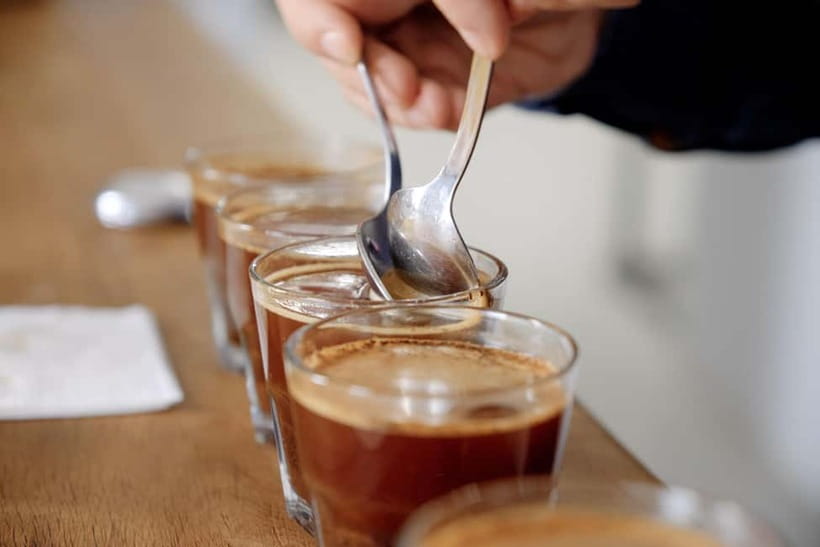
At $23 per person, this is a good-value activity if you plan to drink several coffees and want more than a café tasting. You receive the workshop, instruction from coffee professionals with more than 10 years in the industry, equipment use, snacks, water, several drinks, wine tasting, and a recipe book.
You also receive digital copies of coffee books related to the workshop. A professional certificate is available if requested. The certificate is more of a pleasant souvenir than a serious qualification, but the recipe book has practical value because it lets you repeat the drinks at home.
The price is especially fair for people who would otherwise book separate café visits, a cultural talk, and a cooking-style class. You get all three elements in one indoor activity.
The value is less clear if you do not drink coffee, dislike sweet drinks, or would rather spend the same money on several independent cafés. Personal expenses are not included, and the exact meal arrangements depend on the selected option.
The perfect overall rating of 5 from 35 ratings points to a very consistent experience, but you should still pay attention to the format. The strongest praise centers on the hosts, the amount learned, the number of drinks, and the organization. Those are exactly the areas that matter most for this kind of workshop.
Who will enjoy this workshop most
I would recommend it first to coffee drinkers who want to understand Vietnamese café culture instead of merely photographing a cup of egg coffee. The class gives you useful context, practical skills, and enough tasting variety to make comparisons.
It also suits curious food travelers, couples, and small private groups. The private option is useful if you want to focus on particular drinks or adjust the menu. One private session was arranged around specific drinks, showing why this format can be worthwhile for people with a focused interest.
The indoor setting makes it a smart backup for wet weather. It can also be a good first or second day activity because you learn the coffee vocabulary and styles that will help you order more confidently around Hanoi.
I would be cautious if you have a low caffeine tolerance. Six coffees, cocktails, and wine can be excessive, even with water and snacks. A morning booking may be best for some people, since the class can give you plenty of energy for the rest of the day, but others may prefer to avoid caffeine late in the afternoon.
Practical booking advice
Choose the pickup option if you are staying in the Old Quarter and want to avoid finding the alley yourself. If you stay elsewhere, ask about the extra transport fee before booking.
Confirm whether your chosen time includes the restaurant meal, how many coffee preparations are planned, and whether the private group option changes the menu. The core list includes five coffees, but the sessions described in the supplied material sometimes include six.
Wear something comfortable for a hands-on class and arrive ready to take notes. You receive recipes and digital books, but your own notes can help you remember the differences between the drinks.
Cancellation is free up to 24 hours before the activity for a full refund. You can also reserve now and pay later, which helps if your Hanoi schedule depends on weather or changing transport plans.
Should you book the Hanoi coffee workshop?
Book it if you want a structured, good-value introduction to Vietnam’s coffee culture, especially if you enjoy making food and drinks rather than only consuming them. The combination of local tools, coffee history, five named brews, possible extra drinks, wine, and take-home recipes gives you more substance than a short café stop.
Skip it if you do not like coffee, want a quiet tasting with no participation, or cannot handle several caffeinated drinks. For everyone else, this is one of the more practical ways to understand why Hanoi coffee tastes and feels so different from coffee at home.
FAQ
How long does the Hanoi coffee workshop last?
The activity lasts between 3 and 5 hours, depending on the selected option. The coffee tasting at the local café is listed as about 3 hours, and a local restaurant stop may take about 1.5 hours.
How much does the workshop cost?
The listed price is $23 per person.
Which coffees will I make?
You can make Vietnamese salt coffee, Vietnamese egg coffee, original Vietnamese brown coffee, coconut coffee, and pour-over coffee. Some sessions have included a sixth coffee or additional signature drinks.
Is wine included?
Yes. The activity includes a selection of local Vietnamese wines and signature coffee cocktails made with jam and local wine.
Is hotel pickup available?
Pickup and drop-off are available within Hanoi’s Old Quarter area. Pickup outside the French Old Quarter can be requested for an additional fee.
Where is the meeting point?
The meeting point is at Alley 75, Lane 173, Hoang Hoa Tham Street. Look for the large yellow Bia Hoi Mau Dich sign at the intersection. The provided Google Maps coordinates are 21.0385798, 105.8229439.
What language is the workshop taught in?
The instructor language is English.
Can I book a private group?
Yes. Private groups are available. Private bookings can request changes to the start and finish time, pickup location, and menu items. Complimentary pickup is available for private groups within 10 kilometers of the Hanoi Post Office.
More hands-on classes and workshops in Hanoi
- Hanoi Cooking Class: Culture, Local Market & Meaning CSR Impact
★ 5.0 · 5,147 reviews - 5 Traditional Dishes Hanoi Cooking Class with Market Trip
★ 5.0 · 4,890 reviews - Vietnamese Food Cooking Class in Hanoi with Market Experience
★ 5.0 · 778 reviews - Hanoi: Handcrafted Wood Carving Workshop with Local Artisan
★ 5.0 · 733 reviews
Just added to the Hanoi list
- (TOP) Private car: Hanoi/Noi Bai Airport (HAN) from/to Ninh Binh★ 3.5 · 16 reviews
- Thang Long Water Puppet Theater★ 4.5 · 45 reviews
- Private car transfer from Hanoi Airport to Hotels★ 4.5 · 5 reviews
- Private Tour Ninh Binh 1 Day★ 5.0 · 5 reviews
- Private Hanoi Old Quarter Food Tour with 8+ Authentic Tastings★ 5.0 · 11 reviews
- Private Transfer Service from Hanoi to Ha Long Bay★ 5.0 · 3 reviews
- Private Transfer Between Hanoi City and Noi Bai Airport (HAN)★ 5.0 · 3 reviews
- Ba Be National Park With Boat Trip, Kayaking, Swimming, Trekking And Cycling★ 5.0 · 10 reviews
Hanoi Coffee Tours, compared.
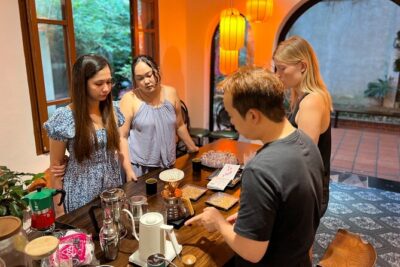
Hanoi Coffee Experience: 6 Brews, 9 Recipes & 3 Liquor Tastings
Read our review →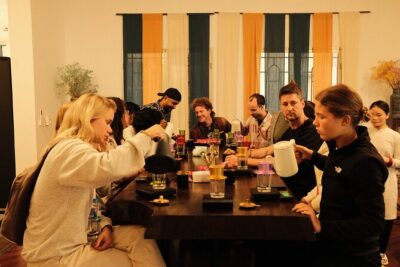
Hanoi Coffee Workshop: Taste Salt, Coconut and Egg Coffee
Read our review →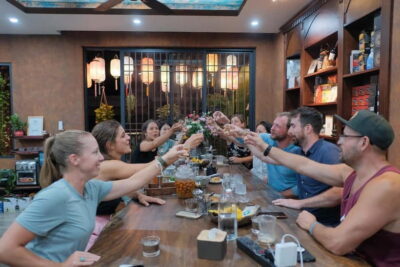
Salt Coffee Workshop Awake Your Senses With 6 Brews
Read our review →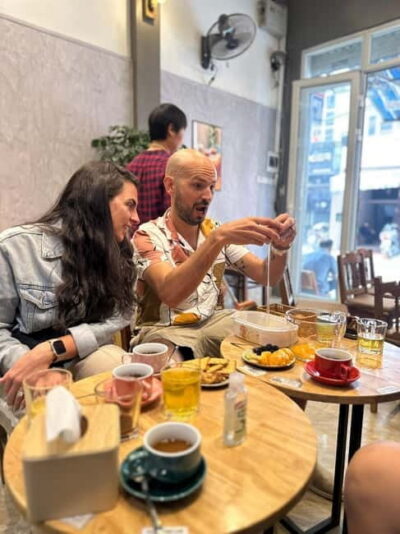
Master the Art of 4-6 Signature Vietnameses Coffees
Read our review →
Hanoi Cooking Class: Pho/Bun Cha/Banh Xeo…+Free Egg/Salt Coffee
Read our review →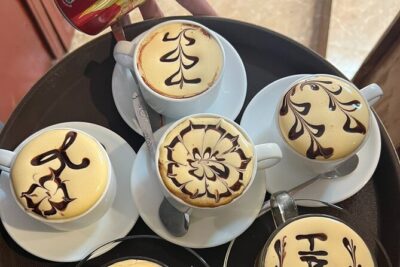
Hanoi Coffee Workshop: Master 6 Signature Vietnamese Coffee
Read our review →Browse the lists this tour appears in