
Reviewed · HANOI COFFEE TOURS
Hanoi: Salt Coffee Workshop Awake Your Senses With 6 Brews
Hanoi’s coffee culture is at its most fun when you stop simply ordering a cup and learn to make one. This three-hour workshop takes you from the coffee tree and roasting process to salt coffee, egg coffee, coconut coffee, pour-over coffee, brown coffee, and a coffee cocktail.
I like the hands-on format. You use local filters, grinders, and other tools instead of watching a long demonstration from the sidelines. I also like the mix of coffee styles, since it shows how Vietnamese coffee can be dark and strong, sweet and creamy, light and fruity, or even boozy.
The main caution is the sheer amount of caffeine, sugar, and alcohol. Six drinks can be a lot, especially when the tasting includes local wine and an espresso martini. Plan this as your main activity for the morning or afternoon, not as a quick stop before a busy museum schedule.
Five things worth knowing before you book
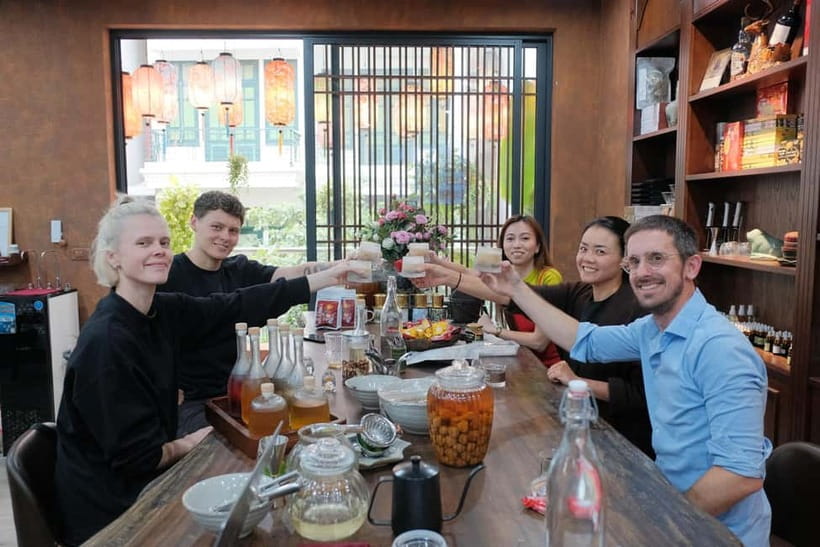
- Six drinks, not six ordinary cups: You make five Vietnamese coffee styles, then finish with a signature coffee cocktail that may include jam, local wine, coffee liqueur, vodka, or espresso.
- A real hands-on class: You handle filters, grinders, ingredients, and brewing equipment under an English-speaking instructor.
- The coffee lesson goes beyond recipes: You learn about cultivation, green beans, roasting, quality, and ways to spot poor or counterfeit coffee.
- The teaching team matters: Instructors such as Lin, Phil, Val, Giang, Jessica, Luka, and others are known for clear explanations and a warm, personal approach.
- The $23 price covers plenty: Three hours, refreshments, snacks, six tastings, equipment, a recipe book, digital coffee books, and a certificate on request are included.
Six Vietnamese brews in one Hanoi workshop
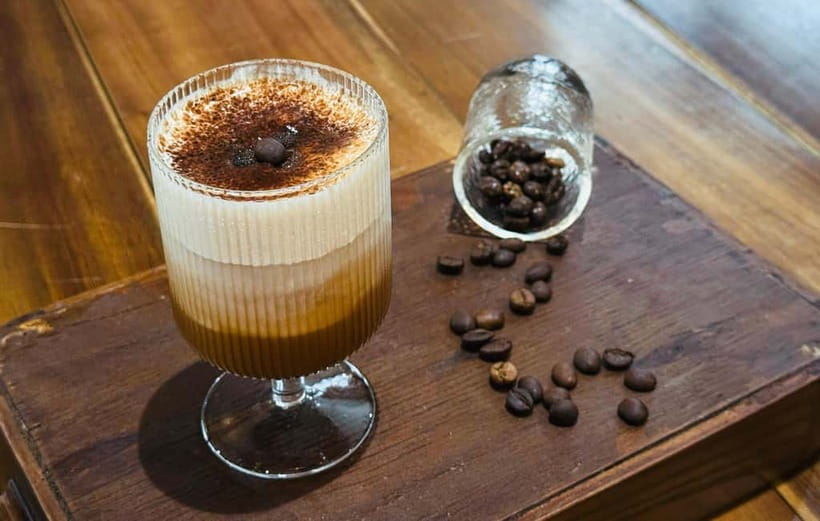
This experience is built around making drinks, but it is not merely a tasting flight. You learn why each drink exists, how its ingredients work, and which brewing method brings out its best qualities.
The session usually begins with an introduction to coffee in Vietnam and around the world. You look at different beans and brewing equipment, then learn about coffee plants, green beans, and roasting. This background gives the drinks some context: Vietnamese coffee is not just a strong beverage served with condensed milk. It comes from a major growing tradition, shaped by local taste and practical brewing tools.
After that, you move into preparation. The instructor explains technique, ingredient balance, and signs of good or poor coffee. This is useful if you plan to buy beans in Vietnam, since you leave with more than a pleasant memory and a sugar rush.
The six drinks listed for the workshop are:
- Vietnamese salt coffee: Strong robusta coffee is paired with lightly salted cream foam. The salt does not make the drink taste like seawater. Used in moderation, it softens the bitterness and brings the creamy topping into balance.
- Vietnamese coconut coffee: Dark coffee meets coconut milk for a smoother, cooler style. The coconut changes the texture and rounds off the coffee’s sharp edge.
- Original Vietnamese brown coffee: This is the bold, dark-roasted style many people associate with Vietnamese coffee. It delivers a direct, intense cup, often balanced with sweetness.
- Pour-over coffee: This method lets the bean character come forward. The workshop presents it as a way to reduce harsh bitterness and show natural sweetness and light fruit notes.
- Vietnamese egg coffee: Whipped egg yolk foam sits over dark coffee. The top is light and silky, while the coffee below remains strong, creating one of Hanoi’s most distinctive contrasts.
- Signature coffee cocktail: The final drink brings coffee into cocktail territory. The listed espresso martini combines espresso, coffee liqueur, and vodka, while the broader menu also refers to jam and local wine.
The exact menu can be changed if you have special dietary needs. Ask ahead rather than waiting until the class begins, since the drinks include dairy, egg, coconut, sugar, and alcohol in different combinations.
More egg coffee and cafe stops in Hanoi:
- Hanoi Coffee Experience: 6 Brews, 9 Recipes & 3 Liquor Tastings
★ 5.0 · 2,945 reviews - Hanoi Coffee Workshop: Taste Salt, Coconut and Egg Coffee
★ 5.0 · 1,286 reviews - Hanoi: Master the Art of 4-6 Signature Vietnameses Coffees
★ 5.0 · 517 reviews
What the 15-minute welcome tells you about the venue
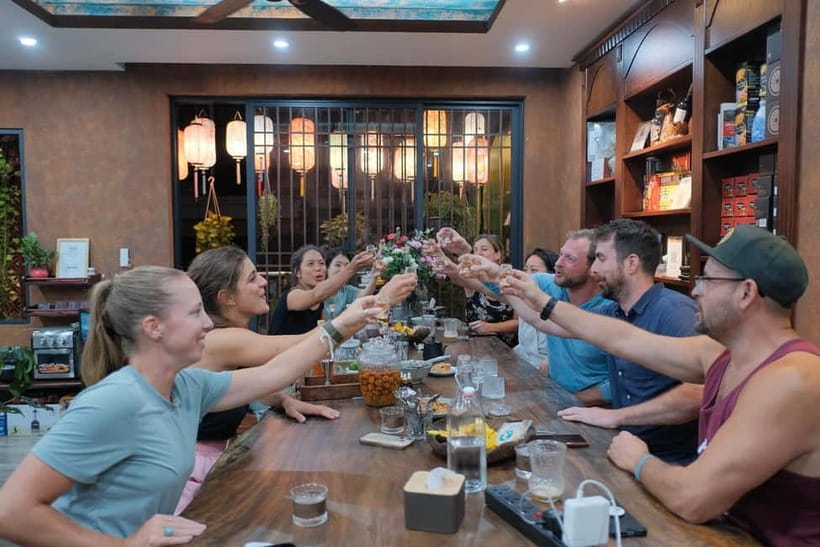
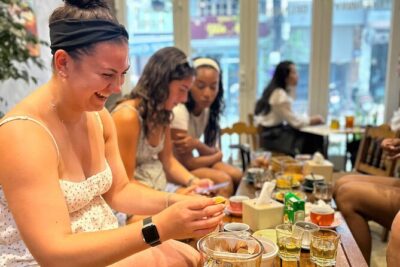
The experience begins at a local café with welcome refreshments. This opening is short, but useful. It gives you time to meet the instructor and the other people in the group before the more active part begins.
The setting is described as relaxed and classy rather than a loud street-side tasting stop. That matters because the workshop involves several explanations, questions, and small preparation steps. You will get more from the class if you can hear the instructor and watch the tools closely.
The people leading the class are a major part of its appeal. Names connected with recent sessions include Lin, Phil, Val, Giang, Jessica, Luka, CeCe, Lyon, Lee, and Chiang. You may not get a particular instructor unless the booking option allows it, but the teaching style is consistent in the useful ways: clear English, plenty of practical guidance, and time for questions.
Lin is noted for explaining coffee origins and methods with energy. Phil has a background in coffee making and can speak to experienced baristas as well as beginners. Val is also involved in pre-class communication and preparation details. This range is helpful if you already work with coffee, since the class is not aimed only at people who have never used a grinder.
The 2-hour-45-minute workshop, step by step
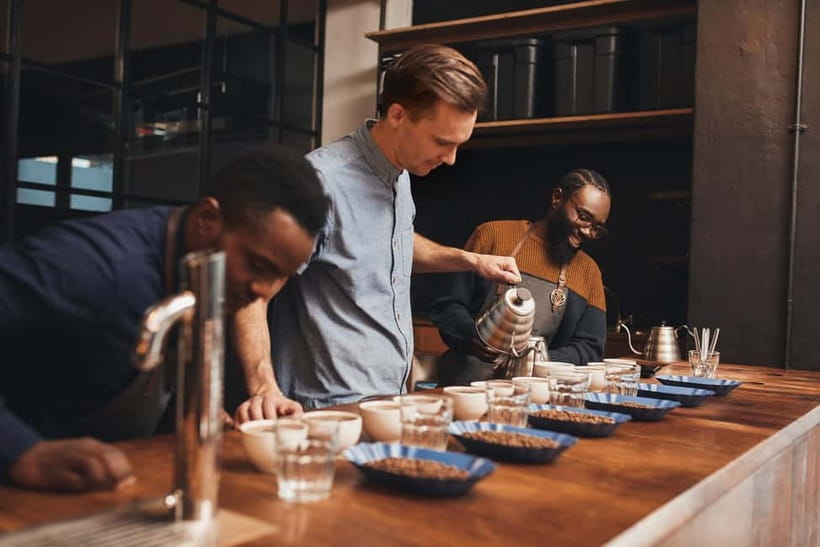
The long workshop section is where the $23 price begins to make sense. You are not simply handed six drinks. You spend most of the three-hour session learning, preparing, tasting, and asking questions.
First comes the coffee story. You learn how coffee spread and became important in Vietnam, along with the role of growing and roasting. The lesson includes green coffee beans, coffee trees, different bean types, and the equipment used to turn beans into a drink.
Next, the instructor explains quality. You learn what to look for in authentic coffee and how poor or counterfeit coffee may differ. The supplied information does not promise a formal professional tasting exam, so think of this as a useful introduction rather than a complete coffee certification course.
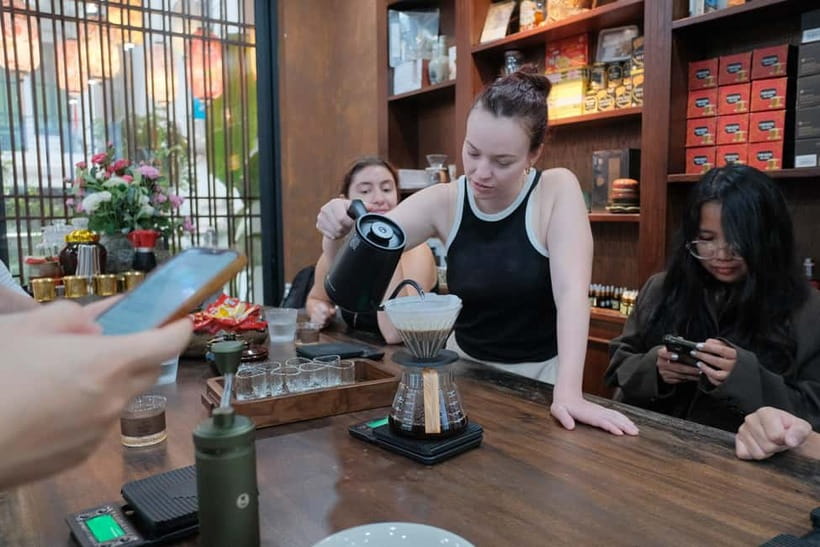
Then comes the practical work. You use filters, grinders, and other local tools while the instructor guides you through the recipes. The pace is described as well balanced, which is important here. Too fast, and the salt foam or egg topping becomes a demonstration. Too slow, and the final drinks arrive long after the first lesson has faded.
The workshop is suitable for beginners because every drink is explained. It also has enough detail for people who already know coffee. Baristas from the United Kingdom have attended and still found fresh material in the Vietnamese methods and local coffee culture.
The group format adds a social side. You prepare drinks alongside other people and can compare results without needing any previous skill. Solo visitors may appreciate this, since the class gives you a natural way to meet people without committing to a full day tour.
Salt coffee and egg coffee are the main lessons
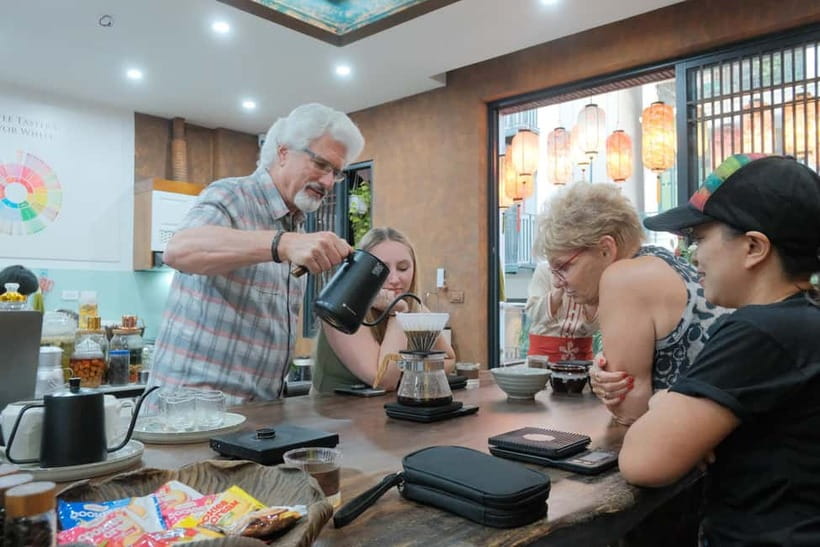
Salt coffee is the fashionable starting point for many people, but egg coffee is the drink that best explains Hanoi’s creative approach to coffee. Both are strong, sweet-leaning drinks, yet they use very different textures.
With salt coffee, the lesson is about balance. Robusta coffee can be forceful and bitter. A salted cream foam softens that edge and gives the drink a fuller finish. You can see why the method works better than simply adding more sugar.
Egg coffee is more of a texture exercise. The yolk mixture becomes airy and smooth, almost like a soft dessert topping, while the black coffee below keeps its punch. Making it yourself helps you understand why the foam needs the right consistency. It is also a good example of how local café recipes can turn limited ingredients into something distinctive.
If you are sensitive to sweetness, take small sips and do not feel obliged to finish every drink. The class is designed for tasting and learning, not for proving how much sugar you can handle.
Something completely different for the rest of your time in Hanoi:
- Hanoi Jeep Tour: Food, Culture and Fun by Vietnam Army Jeep
★ 5.0 · 15,222 reviews - Full-Day Ninh Binh Highlights Tour from Hanoi
★ 5.0 · 7,761 reviews - Hanoi: Ha Long Bay Day Cruise – Swimming, Meal, Kayaking
★ 4.7 · 7,415 reviews - Hanoi: Water Puppet Show Tickets
★ 4.6 · 7,029 reviews
Coconut, brown, and pour-over coffee show the range
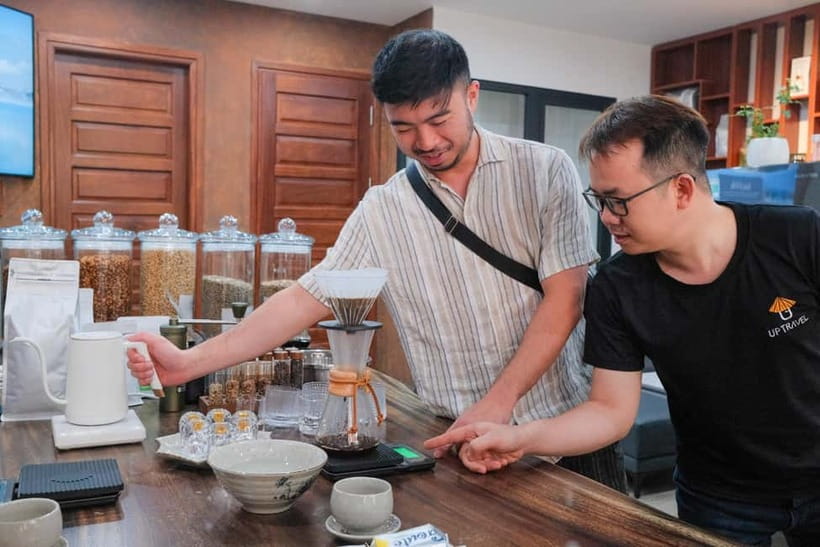
The coconut coffee offers a gentler change of pace. Coconut milk gives the drink a rounded, cooling quality, so it may appeal to you if plain black coffee feels too intense.
The original brown coffee is the opposite. It is dark, direct, and robust. This is the best cup for understanding the strength of Vietnamese roasting and the character of robusta beans. You may find it powerful, but that intensity is part of the lesson.
Pour-over coffee provides the clearest contrast. Instead of burying the bean under cream, egg, coconut, or sugar, the method lets subtle notes show through. The workshop presents it as less bitter, with natural sweetness and light fruit qualities.
I like this sequence because it teaches more than six recipes. It lets you compare coffee by texture, roast, sweetness, temperature, and brewing method. By the end, you can identify the difference between a drink built around the bean and one built around a topping.
The coffee cocktail and local wine need a little planning
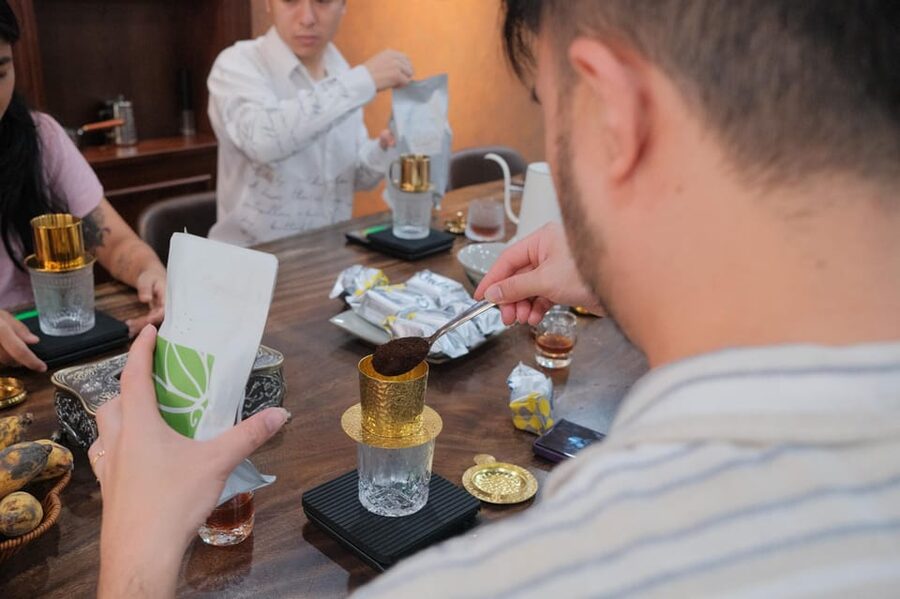
The final drink is more festive, but it changes the nature of the class. The espresso martini includes espresso, coffee liqueur, and vodka, and the wider experience includes local Vietnamese wines and a cocktail made with jam and local wine.
This is a pleasant finish if you enjoy mixed drinks. It also helps explain why the workshop is not ideal immediately before driving, a long motorbike ride, or another alcohol-focused activity. The organizers describe the cocktail and wine as part of the included experience, so you should expect alcohol rather than treat it as an optional surprise.
The practical issue is accumulation. A full tasting of six drinks can leave you with a great deal of caffeine, sugar, and alcohol in a short period. You might want to eat beforehand, drink water, and keep the rest of your schedule light.
Why the take-home material adds real value
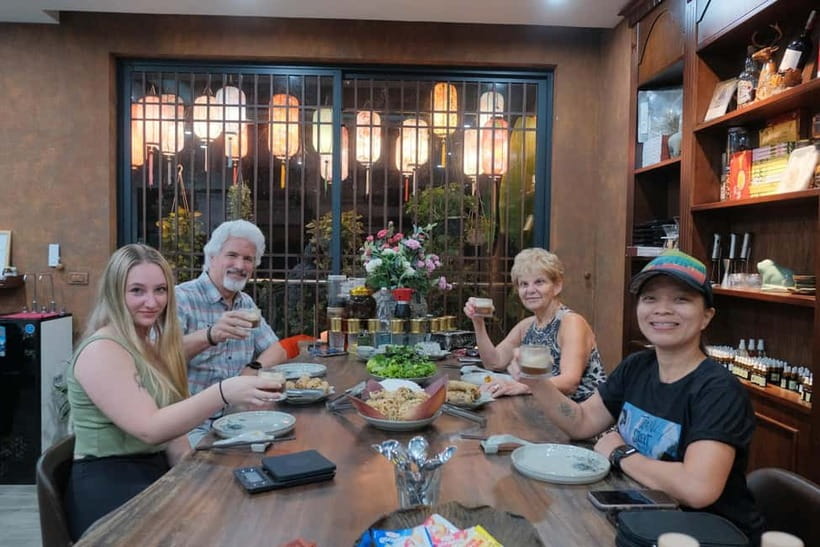
You receive a recipe book, digital copies of coffee books related to the workshop, and a professional certificate if requested. These extras are more useful than a souvenir photograph because they help you repeat the drinks at home.
The recipes also give the workshop a longer life. Once you return home, you can try the egg coffee or coconut coffee again and adjust the sweetness to suit your own taste. You can also explain the ingredients and preparation to friends instead of simply telling them that Vietnamese coffee is strong.
The certificate is best viewed as a keepsake, not a formal professional qualification. The class teaches useful skills, but the supplied information does not describe it as an accredited barista course.
Meeting point, pickup, and the route back to Hoàn Kiếm
The meeting point is at Alley 75, Lane 173, Hoang Hoa Tham Street. Look for the intersection with the large yellow Bia Hoi Mau Dich sign. A guide will meet you there and take you to the venue.
The stated location is not presented as a café directly in the center of the Old Quarter, so allow time to reach the meeting point. If you choose pickup, hotel collection and return are available within the Old Quarter area. Pickup and drop-off normally fall within a 15 to 20 minute window, but Hanoi traffic and weather can shift the timing.
People staying outside the Old Quarter can request pickup for an added fee. Private groups have more flexibility: complimentary pickup is available within 10 kilometers of the Hanoi Post Office, and the start time, finish time, pickup point, and menu can be adjusted on request.
The experience returns you to Hoàn Kiếm. That makes it easy to continue exploring central Hanoi afterward, though I would avoid scheduling anything that depends on an exact arrival time.
Is $23 good value for three hours?
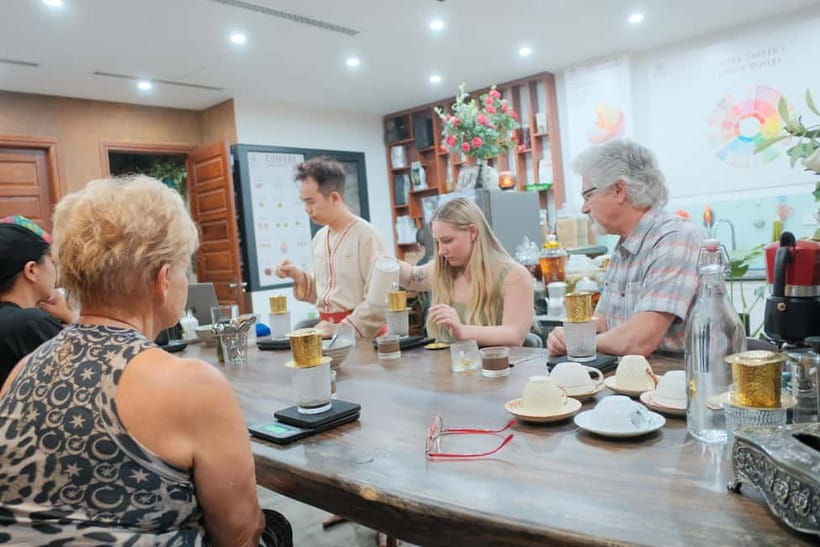
At $23 per person, the value is strong if you want more than a quick cup of egg coffee. You receive instruction for nearly three hours, several drinks, refreshments and snacks, use of equipment, local wine, the recipe book, digital reading material, and a possible certificate.
The value is especially good for coffee fans who might otherwise pay separately for several tastings and still learn very little about preparation. It is also a sensible choice on a rainy day, when a hands-on indoor activity can break up Hanoi sightseeing.
The calculation changes if you dislike sweet drinks, avoid caffeine, or do not drink alcohol. You can request menu changes for dietary needs, but the central idea remains a multi-drink coffee workshop. If you only want a single traditional Vietnamese coffee, a café visit will cost less and take less time.
Who should book this experience?
I would recommend it to coffee lovers, curious beginners, solo visitors, couples, and anyone who wants a cultural activity with practical results. It works particularly well for people who enjoy asking questions, trying new flavors, and learning by doing.
It also suits experienced coffee drinkers. The pour-over section, roasting discussion, bean display, and comparison of robusta-based drinks give the class more substance than a basic tasting.
I would think twice if you are avoiding caffeine, sugar, eggs, dairy, or alcohol. The menu can be adjusted on request, but you should arrange that before arrival. I would also avoid it for very young children, since alcohol is part of the included drinks and the session is built around coffee preparation.
Booking is flexible: cancellation is free up to 24 hours before the start time, and you can reserve now and pay later. Private groups are available if you want control over timing and menu.
Should you book the Hanoi coffee workshop?
Book it if you want to understand why Hanoi coffee tastes so different from coffee at home. The best part is not one perfect cup. It is the comparison: strong brown coffee beside delicate pour-over, salted cream beside egg foam, coconut milk beside a sharp espresso cocktail.
At $23, the class offers enough drinks and instruction to justify its half-day commitment. Just plan around the caffeine and alcohol, confirm any dietary requests early, and arrive at the yellow Bia Hoi Mau Dich sign on time. For a practical taste of Hanoi that you can recreate after your trip, this is a smart choice.
FAQ
How long does the Hanoi coffee workshop last?
The experience lasts three hours. About 15 minutes are set aside for welcome refreshments, followed by a workshop lasting around two hours and 45 minutes.
What drinks will I make?
You can make Vietnamese salt coffee, Vietnamese egg coffee, original Vietnamese brown coffee, coconut coffee, pour-over coffee, and a signature coffee cocktail. The cocktail may include espresso, coffee liqueur, vodka, jam, or local wine.
Is the workshop taught in English?
Yes. The instructor language is English.
Where is the meeting point?
Meet at Alley 75, Lane 173, Hoang Hoa Tham Street. Stand at the intersection beside the large yellow sign marked Bia Hoi Mau Dich.
Is hotel pickup available?
Hotel pickup and drop-off are available within the Old Quarter area. Pickup outside that area can be requested for an additional fee. Private groups receive complimentary pickup within 10 kilometers of the Hanoi Post Office.
Can I request dietary changes?
Yes. The menu can be changed upon request for special dietary requirements. Contact the organizer before the workshop.
Is this a private activity?
A private group option is available. The standard booking may be arranged differently, so check the selected option when booking.
What is included in the price?
The price includes the workshop, instructor guidance, coffee-making equipment, welcome refreshments and snacks, the coffee and cocktail tastings, local Vietnamese wines, a recipe book, digital coffee books, and a professional certificate if requested.
Can I cancel or pay later?
You can cancel up to 24 hours in advance for a full refund. Reserve now and pay later is also available.
More hands-on classes and workshops in Hanoi
- Hanoi Cooking Class: Culture, Local Market & Meaning CSR Impact
★ 5.0 · 5,147 reviews - 5 Traditional Dishes Hanoi Cooking Class with Market Trip
★ 5.0 · 4,890 reviews - Vietnamese Food Cooking Class in Hanoi with Market Experience
★ 5.0 · 778 reviews - Hanoi: Handcrafted Wood Carving Workshop with Local Artisan
★ 5.0 · 733 reviews
Just added to the Hanoi list
- (TOP) Private car: Hanoi/Noi Bai Airport (HAN) from/to Ninh Binh★ 3.5 · 16 reviews
- Thang Long Water Puppet Theater★ 4.5 · 45 reviews
- Private car transfer from Hanoi Airport to Hotels★ 4.5 · 5 reviews
- Private Tour Ninh Binh 1 Day★ 5.0 · 5 reviews
- Private Hanoi Old Quarter Food Tour with 8+ Authentic Tastings★ 5.0 · 11 reviews
- Private Transfer Service from Hanoi to Ha Long Bay★ 5.0 · 3 reviews
- Private Transfer Between Hanoi City and Noi Bai Airport (HAN)★ 5.0 · 3 reviews
- Ba Be National Park With Boat Trip, Kayaking, Swimming, Trekking And Cycling★ 5.0 · 10 reviews
Hanoi Coffee Tours, compared.
Hanoi Coffee Experience: 6 Brews, 9 Recipes & 3 Liquor Tastings
Read our review →
Hanoi Coffee Workshop: Taste Salt, Coconut and Egg Coffee
Read our review →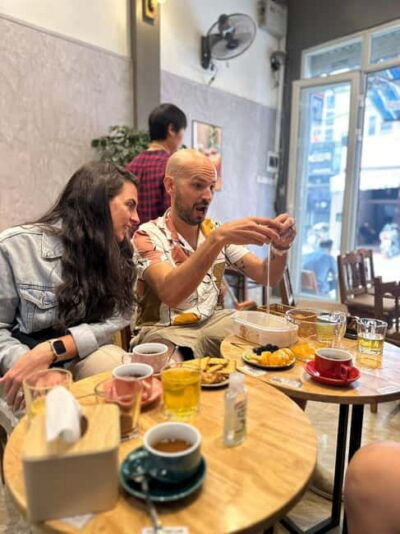
Master the Art of 4-6 Signature Vietnameses Coffees
Read our review →
Hanoi Cooking Class: Pho/Bun Cha/Banh Xeo…+Free Egg/Salt Coffee
Read our review →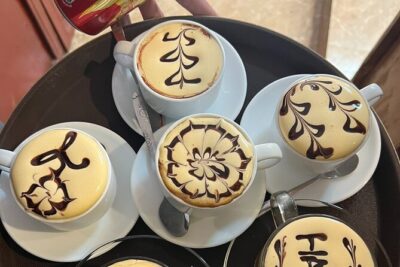
Hanoi Coffee Workshop: Master 6 Signature Vietnamese Coffee
Read our review →
Browse the lists this tour appears in