
Reviewed · HANOI COFFEE TOURS
Hanoi: Master the Art of 4-6 Signature Vietnameses Coffees
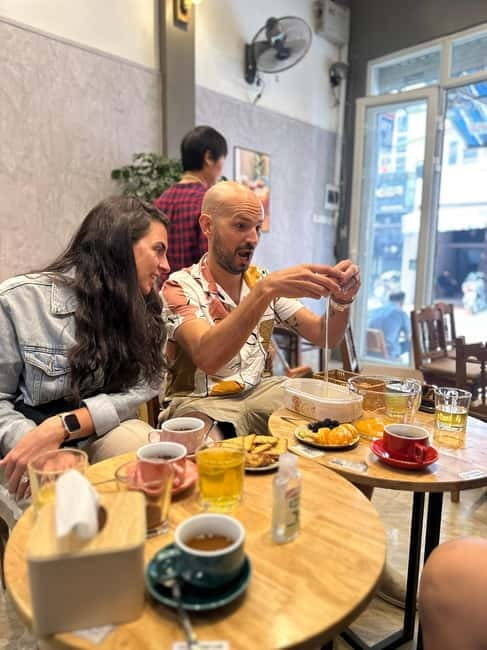
Hanoi’s coffee culture makes the most sense when you stop simply drinking it and start making it. This hands-on workshop takes you into a lived-in local home, where you grind beans, use a phin filter, whisk egg foam, and taste up to six classic Vietnamese coffees.
I like the small-group format, limited to 10, and the practical teaching. You learn how to change sweetness, strength, and bitterness with ordinary kitchen tools. The only catch is the caffeine load: six coffee styles in one sitting can be a lot, especially if you book later in the day.
I also like the human side of the class. Guides including Jade, Eddie, Daisy, Tyler, Jessica, and Mint bring in stories about Hanoi mornings, family recipes, old cafés, and changing tastes. The workshop lasts only one to two hours, but it gives you a useful skill to carry home.
Quick points before you book
- Make four to six full coffee styles: Depending on the session, you may prepare black, brown, egg, white or silver, coconut, and salted coffee.
- Work with a phin filter: This small Vietnamese coffee filter is central to the class and helps explain why the coffee is so strong and slow-brewed.
- Use fresh, simple ingredients: Eggs, milk, coconut, and Vietnamese beans are prepared daily, with home-friendly substitutes explained.
- Meet in a real local home: The setting includes ceramic tools, everyday household sounds, air conditioning, clean restrooms, and a pet-friendly garden space.
- Take the recipes home: You receive the recipes, plus useful Hanoi food and café suggestions from your guide.
- Expect a caffeine kick: The workshop is best suited to people who enjoy coffee or can comfortably taste several small servings.
Walking into a Hanoi coffee home
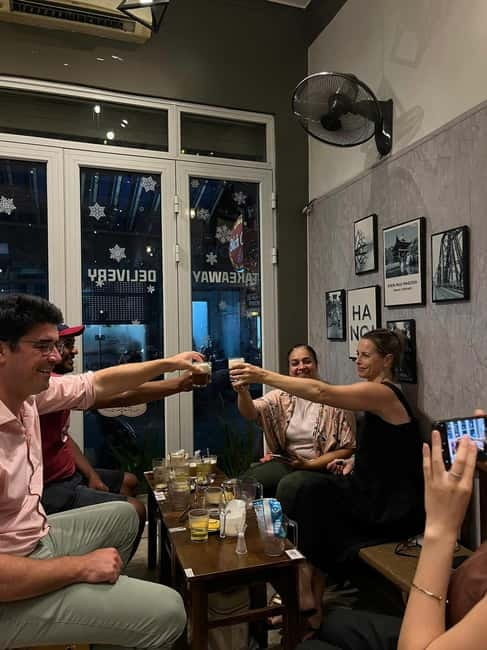
The meeting point is a cozy café in a quiet corner of the Old Quarter, close to the Hanoi Opera House and French Quarter. It is also positioned near the Red River and Vinh Tuy Bridge, though this is not a sightseeing tour of those places. You come for the coffee, not a long list of city stops.
From the street, the setting shifts quickly. Outside, Hanoi runs on scooters, horns, vendors, and quick errands. Inside, the pace slows. You find ceramic brewing tools, coffee grounds, fresh ingredients, and the ordinary sounds of a local home.
That distinction matters. This is not a polished demonstration staged only for visitors. The space is described as a home where people actually live, with warm-hearted local elders available to welcome your curiosity. You may hear daily life beyond the room while the coffee warms in front of you.
The setting also makes the class more personal. With a maximum of 10 people, your guide can watch how you pour, stir, whisk, and taste. If the group is small during your time slot, the class can feel close to a private lesson. One person even found a solo booking turned into a private session.
More egg coffee and cafe stops in Hanoi:
- Hanoi Coffee Experience: 6 Brews, 9 Recipes & 3 Liquor Tastings
★ 5.0 · 2,945 reviews - Hanoi Coffee Workshop: Taste Salt, Coconut and Egg Coffee
★ 5.0 · 1,286 reviews - Hanoi: Salt Coffee Workshop Awake Your Senses With 6 Brews
★ 5.0 · 792 reviews
Starting with Vietnamese black coffee and the phin
The workshop begins with the basics. You work with Vietnamese specialty coffee from the Central Highlands, where the beans change with the season. The hosts select and test coffee from different harvests, then use the beans that fit the class best.
The first style is usually the clearest way to understand the coffee itself: black coffee brewed through a phin filter. You grind the beans, prepare the filter, add hot water, and watch the coffee drip slowly into the cup.
This is a useful lesson in control. Vietnamese coffee can be bold and bitter, but the final cup depends on the grind, water, timing, and amount of coffee. Your guide shows you how to adjust the strength instead of simply adding more sugar or milk.
You also learn to taste like a local. Is the coffee too bitter? Too weak? Too sweet? The point is not to follow a fixed recipe without thinking. You adjust the cup until it suits you while keeping the basic character of the drink.
That makes the class practical for home use. You do not need an expensive espresso machine or specialist equipment. The recipes are explained with substitutes that work in an ordinary kitchen, and a phin filter may be available to buy if you want to continue at home.
Brown coffee and the Vietnamese balance of sweetness
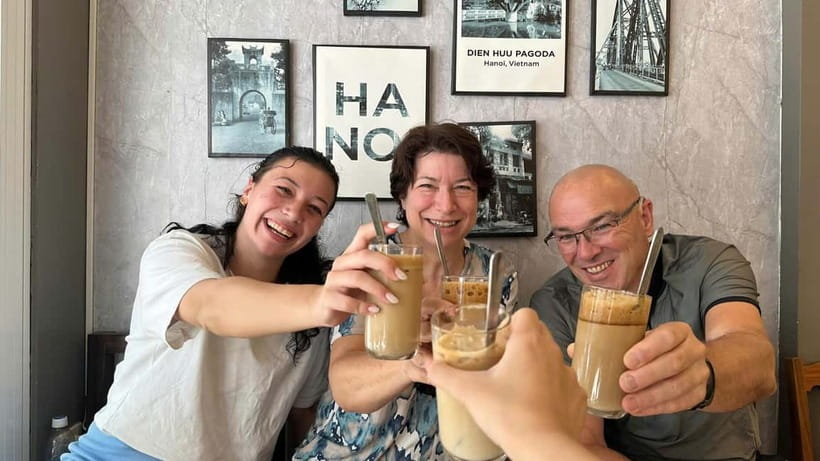
The next step adds milk and sweetness to the strong brewed coffee. This is the familiar Vietnamese brown coffee, often served with condensed milk. It is a useful contrast to the black version because you can see how a few additions change the whole drink.
The workshop does not treat sweetness as a fixed rule. You can make the coffee sweeter, stronger, or more pronounced, depending on your taste. Your guide explains how to keep the coffee from becoming flat under the milk.
This is where the tasting element becomes more useful than a simple cooking class. You are not only copying a formula. You are comparing cups and learning what happens when you change one part of the recipe.
For someone who normally avoids black coffee, this may be the friendliest point in the session. One participant who did not usually like black coffee still found the plain version enjoyable, then liked the other styles even more. That suggests the class works well for curious drinkers, not only serious coffee fans.
Egg coffee, Hanoi’s soft and sweet specialty

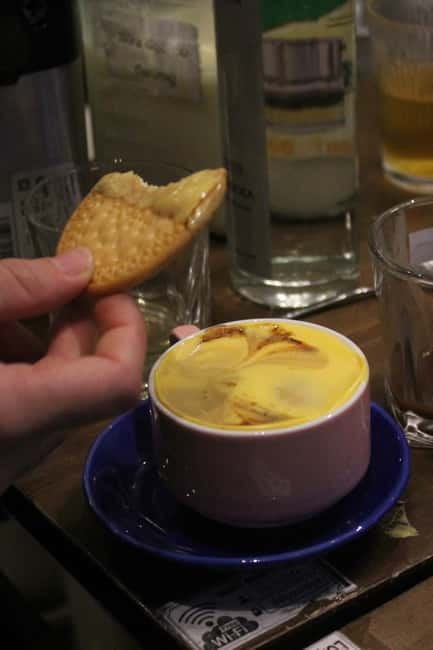
Egg coffee is the most famous Hanoi style on the menu, and the workshop gives it proper attention. You whisk egg with the other ingredients until it becomes light and creamy, then pair it with strong coffee.
The important lesson is texture. Egg coffee should not simply taste like a sweet coffee with a raw egg stirred in. The whisking process creates a foam that softens the bitterness and gives the drink its dessert-like character.
Your guide also explains how egg coffee developed in Hanoi and what the style says about the city’s café culture. Guides such as Jade and Daisy have been praised for connecting the recipe with stories about Vietnam’s coffee past, old cafés, and the way local tastes have changed.
This is one of the places where instruction quality matters. Egg foam can be easy to under-whisk or over-sweeten. The small group helps because your guide can show you the texture at the right point and answer questions as you work.
I would place egg coffee near the middle of the workshop rather than at the very end. It is one of the sweeter, heavier styles, so tasting it before the coconut or salted versions may help you compare the drinks with a fresher palate.
Something completely different for the rest of your time in Hanoi:
- Hanoi Jeep Tour: Food, Culture and Fun by Vietnam Army Jeep
★ 5.0 · 15,222 reviews - Full-Day Ninh Binh Highlights Tour from Hanoi
★ 5.0 · 7,761 reviews - Hanoi: Ha Long Bay Day Cruise – Swimming, Meal, Kayaking
★ 4.7 · 7,415 reviews - Hanoi: Water Puppet Show Tickets
★ 4.6 · 7,029 reviews
White or silver coffee, coconut coffee, and salted coffee
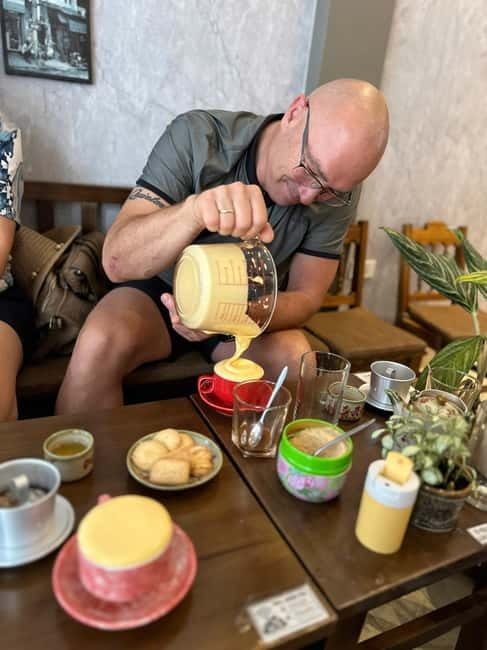
The remaining styles bring more variety. White or silver coffee adds another way to soften the strong base, while coconut coffee combines coffee with a cool, creamy coconut element. Several people particularly liked the coconut version because it was smooth, slightly sweet, and full-bodied.
Coconut coffee is a good choice if you are not used to robust coffee. The coconut gives the drink a rounded texture, but the coffee still comes through. Your guide shows you how to balance the two rather than burying the coffee under the topping.
Salted coffee works differently. A small amount of salt can change how you perceive bitterness and sweetness. This is not about making a salty drink. It is about using salt carefully to sharpen the overall taste.
These recipes also show why the class is more useful than ordering six drinks at different cafés. At a café, you taste the finished product. Here, you can see where the flavor comes from and adjust it yourself.
The ingredients are prepared fresh each day. Eggs, milk, and coconut are not pre-made with artificial mixes. The difference is modest in the room, but important if you hope to recreate the drinks later.
The exact number of coffees can vary between four and six. The experience is advertised as covering the main styles, but the final selection may depend on the session and timing. If you want to make all six, check the available session details when booking.
The stories behind the cup
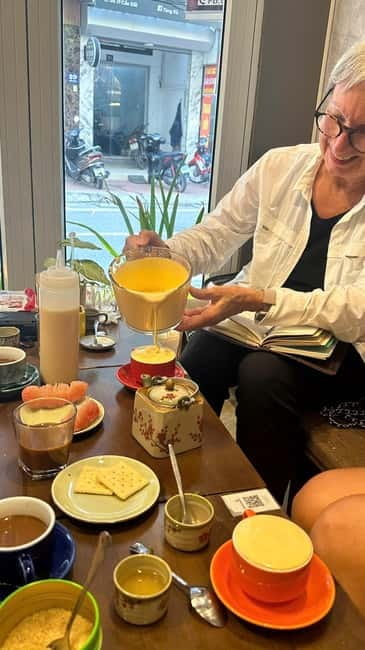
The guides were born and raised in Hanoi’s Old Quarter and grew up around coffee. Their experience comes from family members, chefs, street cafés, and years of tasting and experimenting.
That background gives the class a local frame. You learn not only what to add, but why each coffee tastes this way and how it fits into daily life. Stories may touch on Hanoi mornings, changing café habits, old coffee shops, and Vietnam’s Central Highlands beans.
Guide names reported for recent sessions include Jade, Eddie, Daisy, Jessica, Tyler, Zoey, Mint, and Ngoc. The teaching style can naturally differ from one instructor to another, but the common thread is clear English instruction, patience, and a friendly approach.
Jade is especially good for visitors who want city advice along with coffee. She has given recommendations for local cafés, restaurants, markets, bars, and food spots, sometimes with a map of the Old Quarter. Daisy has also been praised for mixing coffee history with easy conversation, while Eddie is known for carefully explaining each step.
These recommendations are a useful extra, but they should not be the main reason you book. The class is still about making and tasting coffee. Think of the local tips as a bonus that can help you plan the rest of your Hanoi stay.
Why the small group changes the experience
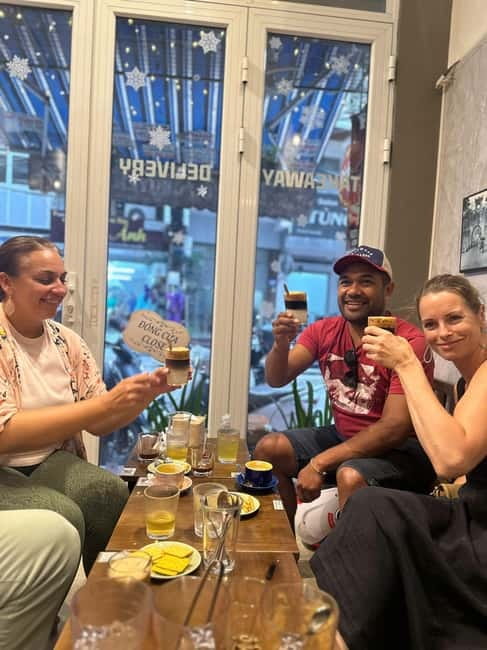
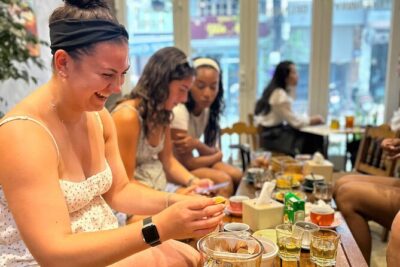
A class of up to 10 people is small enough for direct help but large enough to create some social energy. You can compare how other people adjust sweetness or react to egg and salted coffee, without being lost in a large demonstration.
The hands-on format also means you are not sitting quietly while someone else prepares everything. You grind, brew, whisk, taste, and change the recipe. If your coffee is too strong or too sweet, you get an immediate lesson in fixing it.
The pace is usually one to two hours. That is long enough to cover several recipes without taking half a day from your Hanoi plans. A morning booking makes sense if you tolerate caffeine well, since you may be drinking several coffees before lunch.
The class can work for solo visitors, couples, families with older children, and friends. Childcare is available, and babies under one year are not suitable for the activity. The experience is wheelchair accessible, with air conditioning, clean restrooms, a dishwasher, and sterilized utensils.
The stated age restriction says it is not suitable for people over 95. That is an unusual booking note, but it is worth knowing if it applies to someone in your party.
Price, timing, and what you take home
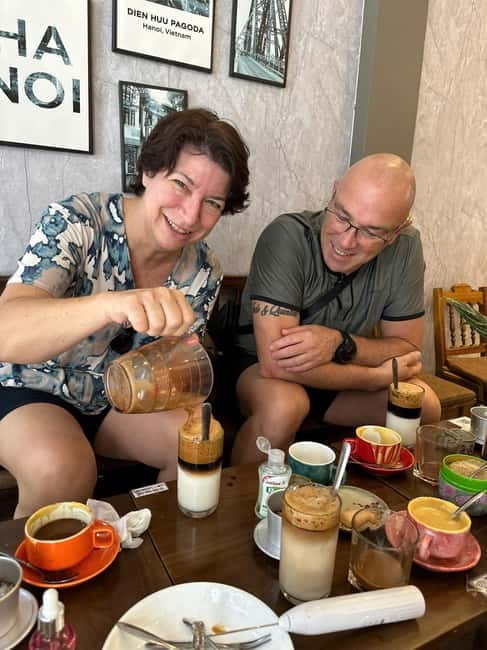
At $22 per person, this is good value if you want more than a tasting. You are paying for four to six drinks, fresh ingredients, an instructor, the use of ceramic tools, and a practical lesson you can repeat at home.
It would be less appealing if you only want one quick cup of egg coffee. Hanoi has plenty of cafés where you can order a drink for far less. The value here comes from making several styles, asking questions, and learning how to reproduce them.
You receive full recipes and more after the class. The recipes are intended to work at home, with simple substitutes explained when a particular Vietnamese ingredient or tool is hard to find.
Some people also buy a phin filter to continue brewing after the trip. That is a sensible souvenir: small, inexpensive, and tied directly to what you learned rather than another decorative object.
Free cancellation is available up to 24 hours before the activity for a full refund, and you can reserve now and pay later. Starting times vary, so check availability before planning your morning around it.
Small drawbacks worth considering
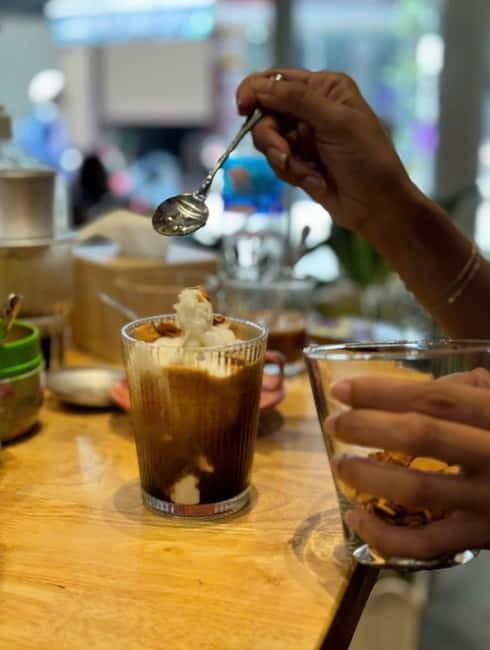
The largest drawback is the amount of coffee. Four to six styles may mean several strong servings, even if the portions are modest. If caffeine affects your sleep or digestion, book early and avoid adding other coffee stops immediately afterward.
The room is a local home, not a large professional cooking school. That is part of the charm, but it also means the atmosphere may feel informal. You should expect a lived-in space rather than a spotless showroom designed for photographs.
The workshop is also not a broad food tour. You may receive excellent local food and café suggestions, but the main activity remains coffee preparation. If you want a full Old Quarter walk, street food tasting, or a visit to several cafés, choose a separate tour.
Finally, the title promises four to six coffees, not always a guaranteed six. If tasting every listed style is important to you, confirm the session details before reserving.
Who should book this Hanoi coffee class
I would recommend it most strongly to coffee drinkers who want to understand Vietnam through an everyday habit. It suits people who have already tried egg coffee and want to know how it is made, as well as curious visitors who want a clear introduction to Vietnamese coffee.
It is also a smart first or second-day activity. The local café and restaurant suggestions can help you plan the rest of your time in Hanoi, and the Old Quarter location is convenient for further exploring.
Families should note the childcare option and the baby restriction. People who prefer low-caffeine drinks, dislike sweet coffee, or want a quiet sightseeing activity may not enjoy it as much.
Should you book it?
Book this experience if you like hands-on classes, want to taste several Vietnamese coffee styles, and value direct local advice. The strongest parts are the small group, fresh ingredients, practical recipes, and guides such as Jade, Eddie, Daisy, and Tyler who explain both method and meaning.
Skip it if you only want a single coffee, need to limit caffeine, or prefer a formal cooking school. For most coffee-curious visitors, though, $22 buys more than a drink. It gives you a better understanding of Hanoi’s coffee habits and the tools to bring that taste home.
FAQ
How long does the Vietnamese coffee workshop last?
The activity lasts one to two hours. Starting times vary, so check availability when booking.
How many coffees will I make?
You will make four to six Vietnamese coffee styles. The listed options are black, brown, egg, white or silver, coconut, and salted coffee.
Where does the workshop meet?
You meet at a cozy local café in a peaceful corner of Hanoi’s Old Quarter, near the Hanoi Opera House and the French Quarter.
Is the class taught in English?
Yes. The instructors speak Vietnamese and English, and English instruction is available throughout the activity.
How large is the group?
The group is limited to 10 participants. Some time slots may be smaller, and private-feeling sessions can happen when only a few people book.
Are the coffee recipes provided?
Yes. You receive full recipes and additional guidance for making the drinks at home, including practical ingredient substitutes.
Is the activity wheelchair accessible?
Yes. The experience is wheelchair accessible and includes air conditioning, clean restrooms, a dishwasher, and sterilized utensils.
Can I cancel the booking?
Yes. You can cancel up to 24 hours in advance for a full refund. Reserve now and pay later is also available.
Just added to the Hanoi list
- Private car transfer from Hanoi Airport to Hotels★ 4.5 · 5 reviews
- (TOP) Private car: Hanoi/Noi Bai Airport (HAN) from/to Ninh Binh★ 3.5 · 16 reviews
- Thang Long Water Puppet Theater★ 4.5 · 45 reviews
- Private Tour Ninh Binh 1 Day★ 5.0 · 5 reviews
- Private Hanoi Old Quarter Food Tour with 8+ Authentic Tastings★ 5.0 · 11 reviews
- Private Transfer Service from Hanoi to Ha Long Bay★ 5.0 · 3 reviews
- Private Transfer Between Hanoi City and Noi Bai Airport (HAN)★ 5.0 · 3 reviews
- Ba Be National Park With Boat Trip, Kayaking, Swimming, Trekking And Cycling★ 5.0 · 10 reviews
Hanoi Coffee Tours, compared.
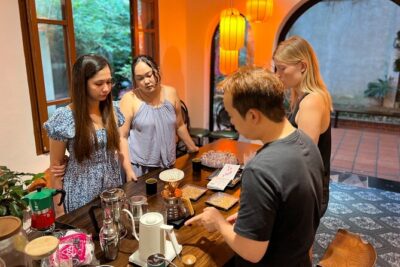
Hanoi Coffee Experience: 6 Brews, 9 Recipes & 3 Liquor Tastings
Read our review →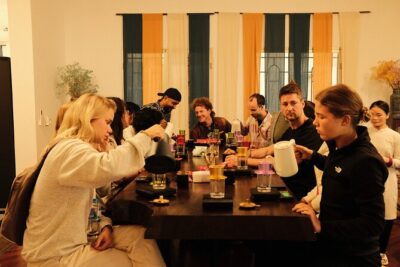
Hanoi Coffee Workshop: Taste Salt, Coconut and Egg Coffee
Read our review →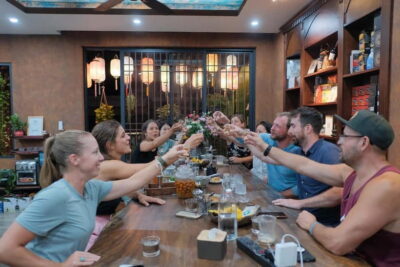
Salt Coffee Workshop Awake Your Senses With 6 Brews
Read our review →
Hanoi Cooking Class: Pho/Bun Cha/Banh Xeo…+Free Egg/Salt Coffee
Read our review →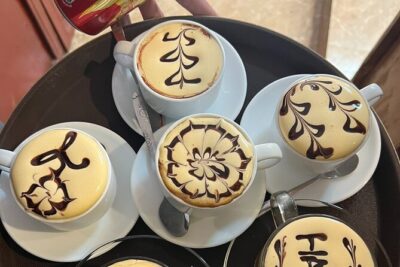
Hanoi Coffee Workshop: Master 6 Signature Vietnamese Coffee
Read our review →
Browse the lists this tour appears in