
Reviewed · HANOI COFFEE TOURS
Vietnamese Coffee 101 Workshop
Vietnamese coffee is not just a strong drink grabbed on the way to the next sight. It is a slow ritual, a social habit, and a lesson in how Vietnam turned coffee into something entirely its own. This three-hour workshop takes you from bean varieties and roasting to the little metal phin filter, with plenty of tasting along the way.
I like the generous hands-on time, especially because you make and drink your own coffee rather than simply watch a demonstration. I also like the range of drinks: traditional brown coffee sits beside egg coffee, coconut coffee, pour-over, and a coffee cocktail. The main consideration is simple: if you dislike strong coffee, sweet drinks, or dairy and egg-based flavors, some of the tasting menu may not suit you.
Key things to know before booking
- Five distinct coffee styles: Taste classic Vietnamese brown coffee, coconut coffee, egg coffee, pour-over, and a coffee cocktail.
- The phin is the star: Learn how Vietnam’s small metal filter produces a slow, concentrated cup.
- Real hands-on brewing: You prepare coffee yourself and experiment with ratios, grind size, and brewing methods.
- Useful take-home material: A recipe book, digital coffee books, and a professional certificate on request are included.
- Three hours well spent: The session combines coffee history, tasting, technique, and conversation rather than rushing through a single cup.
- Easy booking terms: English instruction, wheelchair access, free cancellation up to 24 hours ahead, and reserve-now, pay-later booking are available.
Starting with Vietnam’s coffee story
The workshop begins with the larger story: where coffee came from, how it reached Vietnam, and why it became such a strong part of daily life. This matters because Vietnamese coffee makes more sense once you understand that the drink is shaped by local habits, ingredients, and brewing tools, not simply by the beans.
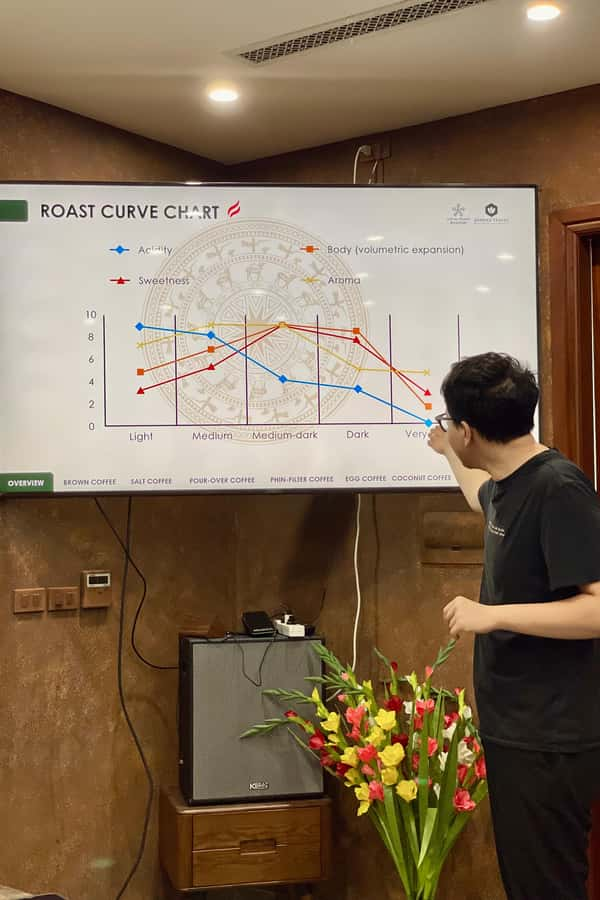
You will look at different coffee bean varieties and compare their basic characteristics. The point is not to turn you into a professional roaster in one afternoon. It is to help you notice why one cup tastes heavier, brighter, sweeter, or more bitter than another.
Roasting is part of this early lesson. You learn how the roast changes aroma and flavor, and why the same brewing method can produce very different results with different beans. I appreciate this practical approach because it gives you a way to judge coffee after the workshop instead of treating every dark, sweet cup as the same.
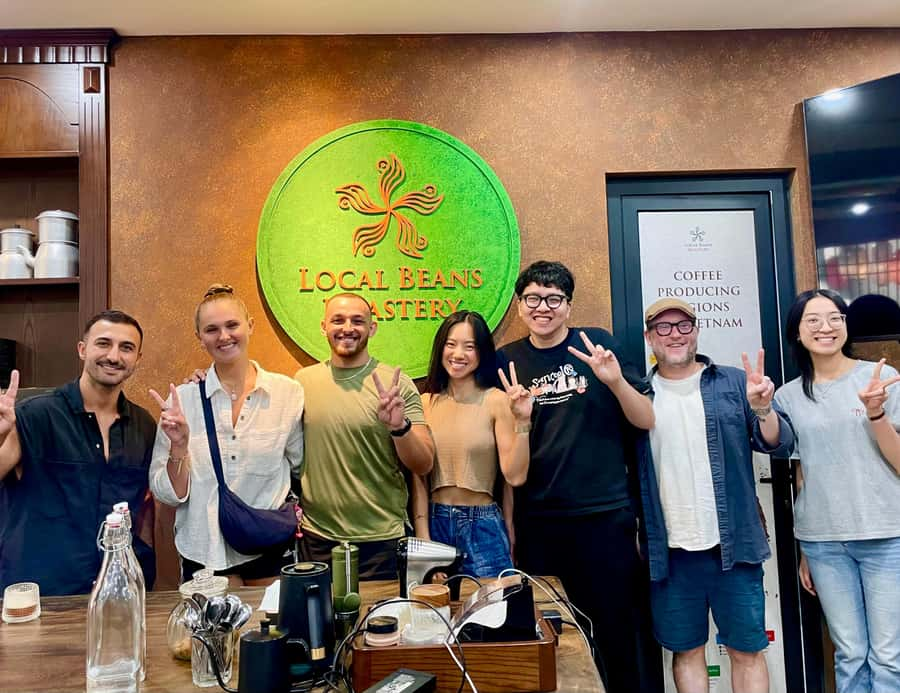
The instructor speaks English and is described as a coffee expert with experience in cultivation, roasting, brewing, and coffee culture. No individual guide name is provided, so you should not book expecting a particular named host. The small-group format is intended to allow personal attention, which is useful when you are adjusting a filter or trying to judge flavor.
More egg coffee and cafe stops in Hanoi:
- Hanoi Coffee Experience: 6 Brews, 9 Recipes & 3 Liquor Tastings
★ 5.0 · 2,945 reviews - Hanoi Coffee Workshop: Taste Salt, Coconut and Egg Coffee
★ 5.0 · 1,286 reviews - Hanoi: Salt Coffee Workshop Awake Your Senses With 6 Brews
★ 5.0 · 792 reviews
Meeting the phin filter
The most important tool here is the Vietnamese phin. It is a compact metal filter that sits directly over your cup. Coffee grounds go inside, a small press rests on top, and hot water passes through slowly.
Compared with a paper-filter machine, the phin feels wonderfully simple. There is no motor, no complicated setup, and no need for a kitchen full of equipment. Yet small changes matter. How firmly you press the grounds, how much water you add, and how fine the grind is can alter the speed and strength of the brew.
You will learn the basic coffee-to-water ratio and why grind size matters. This is the kind of detail that makes the class useful after your holiday. Vietnamese coffee often arrives intensely concentrated, and you will have a better idea how to soften or strengthen it when making it at home.
The traditional brown coffee may be served hot or iced. It is usually paired with sweetened condensed milk, creating the familiar dark, sweet combination associated with Vietnamese cafés. If that sounds heavy, do not assume every cup will taste the same. The tasting moves through several styles, so you can compare a concentrated phin brew with lighter pour-over coffee.
Five cups, five different personalities
The tasting menu is the heart of the workshop. You are not simply handed one drink and told that it represents Vietnamese coffee. Each preparation shows a different side of the country’s café habits.
Vietnamese coconut coffee combines coffee with creamy coconut milk. It has a tropical sweetness and a softer texture than plain black coffee. This is a good choice if you find traditional coffee too bitter, though the coconut can make it feel more like a dessert than a morning cup.
Original Vietnamese brown coffee is the classic. Brewed through the phin and served hot or iced, it is strong, dark, and sweet. This is the cup to focus on if you want to understand the everyday style most closely associated with Vietnamese coffee.
Pour-over coffee takes a cleaner approach. It highlights the natural character of the bean and gives you a chance to compare aroma and texture without the same condensed sweetness. I especially like having this option in the program because it keeps the workshop from presenting one brewing method as the only correct answer.
Vietnamese egg coffee is the most distinctive drink on the menu. A strong coffee is topped or combined with a creamy egg yolk mixture, producing a thick, velvety texture and surprising sweetness. The flavor can sound unusual on paper, but the workshop gives you a chance to try it in the setting where it makes cultural sense.
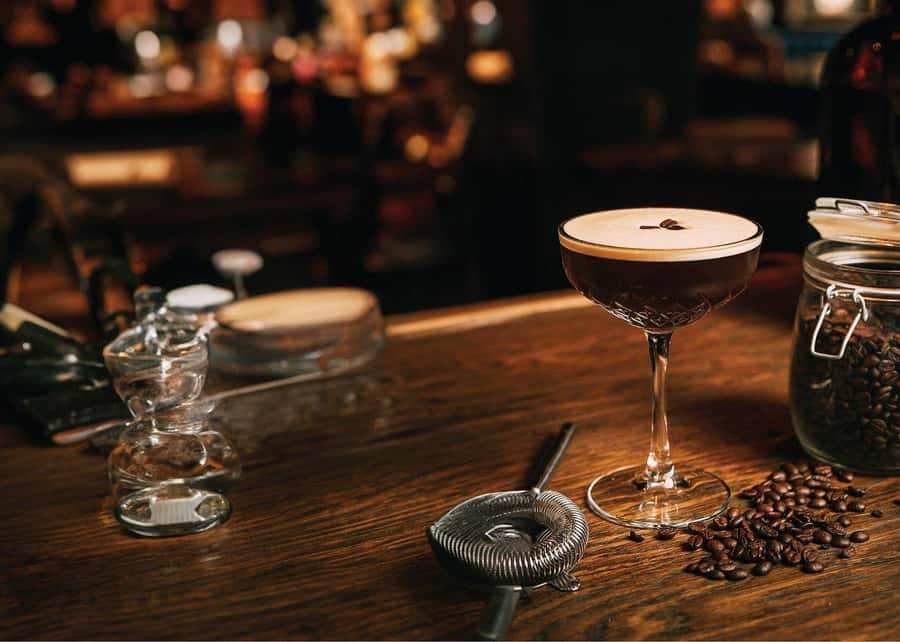
The coffee cocktail adds spirits to coffee for a more modern drink. The exact spirit and recipe are not specified, so ask the guide what is being served on your date. This option also means the session may not suit you if you avoid alcohol.
One session also included local wines as an unexpected extra. That should not be treated as a guaranteed part of the menu, but it suggests the class may sometimes include a small local tasting beyond coffee.
Brewing your own cup
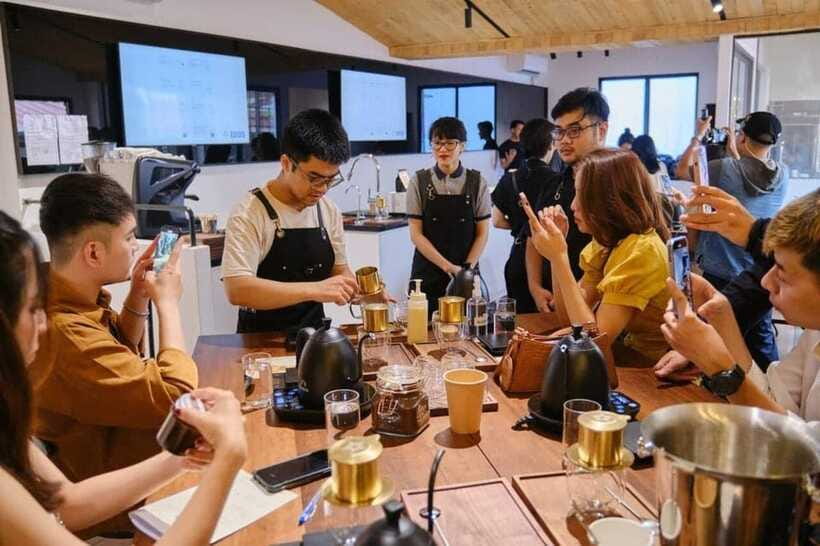
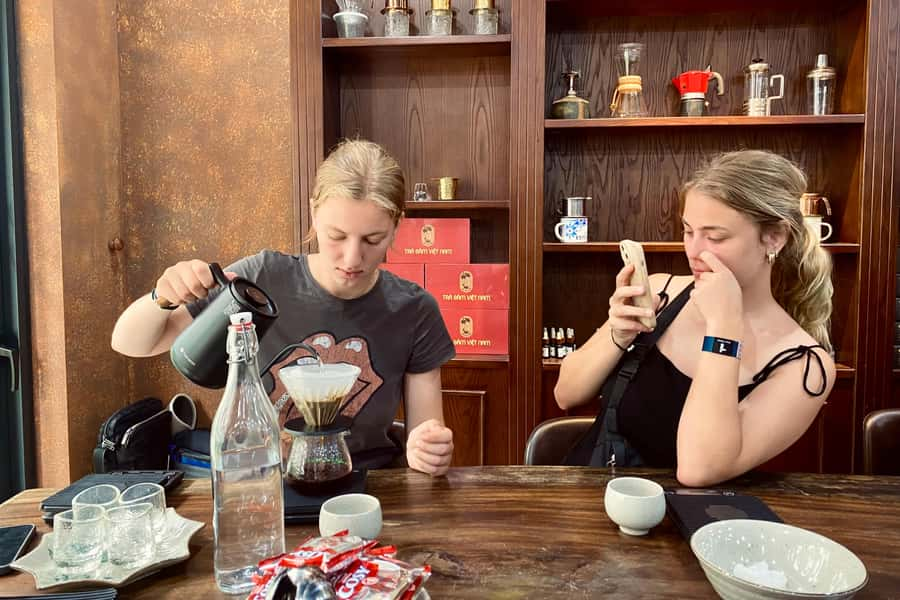
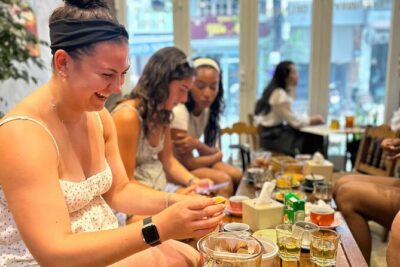
The best part of the afternoon is the shift from listening to doing. You roll up your sleeves, prepare the equipment, measure ingredients, and make your own drinks.
The hands-on format matters. Coffee brewing looks easy until you have to control the water, grounds, and timing yourself. With the guide nearby, you can see how a small adjustment changes the result instead of trying to copy a recipe blindly at home.
You may work with more than one method. Alongside the phin, the workshop covers pour-over and espresso, plus modern variations and flavored drinks. The information provided does not set out a minute-by-minute schedule, so the exact order may vary. Expect the session to move between short explanations, demonstrations, tasting, and your own brewing practice.
There is also a coffee art and latte art element. The details of the equipment and the specific designs are not given, so think of this as an introduction rather than a professional barista course. You will have a chance to make attractive drinks, but the value is really in understanding texture, pouring, and presentation.
The social side helps, too. You can compare your cup with the one made by the guide or other people in the group, and you get an immediate sense of how personal taste affects coffee. One person may prefer a strong, bitter brew. Another may favor coconut or egg coffee. There is no single winner.
Something completely different for the rest of your time in Hanoi:
- Hanoi Jeep Tour: Food, Culture and Fun by Vietnam Army Jeep
★ 5.0 · 15,222 reviews - Full-Day Ninh Binh Highlights Tour from Hanoi
★ 5.0 · 7,761 reviews - Hanoi: Ha Long Bay Day Cruise – Swimming, Meal, Kayaking
★ 4.7 · 7,415 reviews - Hanoi: Water Puppet Show Tickets
★ 4.6 · 7,029 reviews
What the three hours are worth
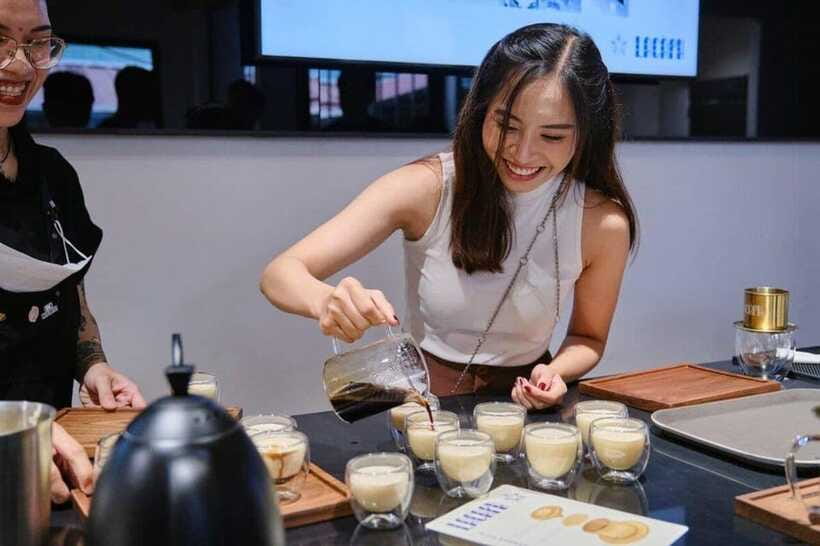
At $22 per person, this is priced as an accessible food and culture activity rather than a luxury tasting. The value comes from the combination of instruction, several drinks, fresh ingredients, hands-on brewing, and materials to use later.
You receive a recipe book, digital copies of coffee books connected to the workshop, and a professional certificate if you request one. The certificate will matter mainly if you are collecting course records or want a keepsake. The recipe book is more useful for most people, especially if you want to recreate egg coffee or phin coffee after returning home.
The premium beans and fresh local ingredients also help justify the price. You are not merely drinking instant coffee while someone gives a talk. You are tasting different beans and preparations, then applying the method yourself.
That said, value depends on what you want. If you only want to sample one famous cup of egg coffee, you can likely do that more cheaply at a café. If you want context, technique, several styles, and a chance to ask questions, three hours for $22 is a strong deal.
The experience also works well on a rainy day or during the hottest part of the afternoon. Coffee workshops give you a useful break from outdoor sightseeing without cutting you off from local culture.
Location, timing, and practical details
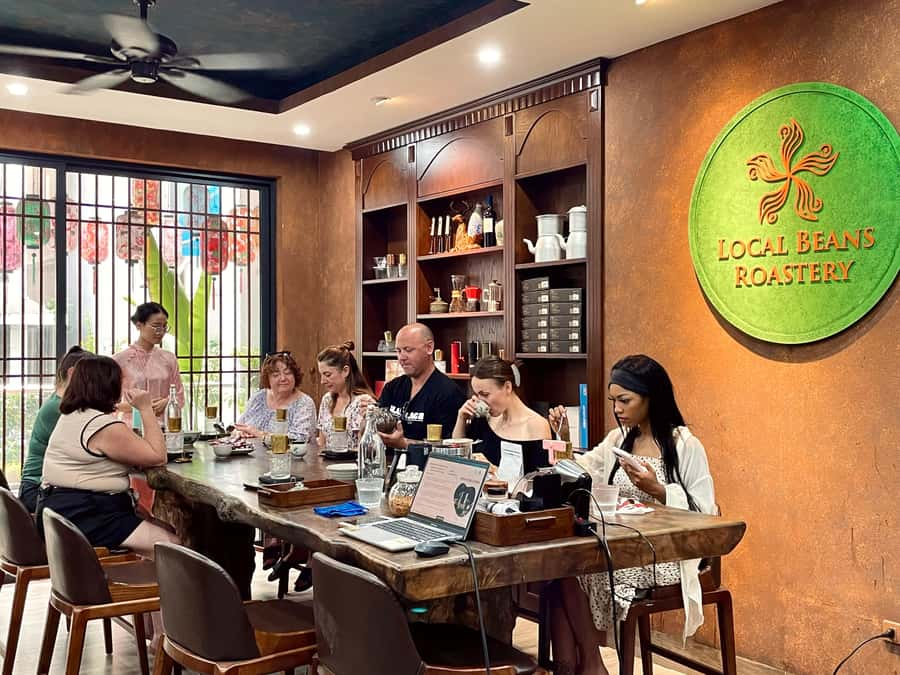
The experience is listed in Dong Bac, Vietnam, and is presented as a way to connect with Hanoi’s coffee culture. Check the available starting times when booking because the start time is not fixed in the information provided.
The workshop lasts three hours. That is long enough for a proper tasting and practice session, so avoid scheduling it immediately before another activity you cannot miss. Coffee can also be filling, particularly when condensed milk, coconut, egg cream, and cocktail ingredients are involved.
Pick-up may be available, but an additional fee applies if your location is outside the Old Quarter area. Confirm the arrangement before booking rather than assuming transport is included in the $22 price.
The workshop is wheelchair accessible. Instruction is in English. Coffee beans and brewing tools, including phin filters, are available for purchase, but shopping is not included in the listed price. This can be useful if you discover that the phin is exactly the souvenir you want, though you should budget separately.
You can cancel up to 24 hours before the activity for a full refund. Reserve-now, pay-later booking is also available, which gives you some flexibility while arranging a Hanoi schedule.
Who will enjoy this workshop most
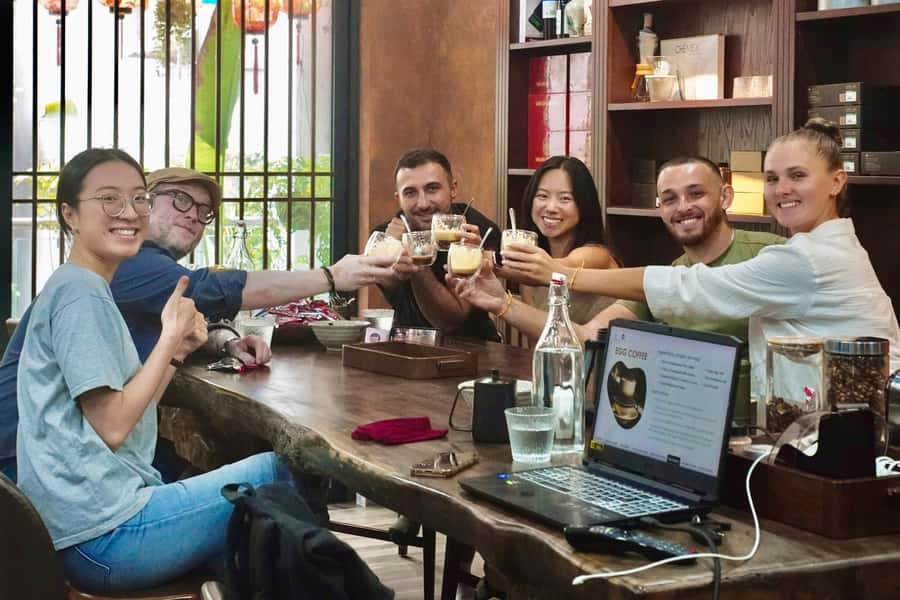
I would recommend this class to coffee drinkers who want more than a photo of egg coffee. It suits curious eaters, people who enjoy short practical classes, and anyone who wants a cultural activity with something tangible to take home.
It is also a good choice for couples or friends with different coffee preferences. One person can favor the classic phin brew while another tries coconut or pour-over. The menu gives you enough variety to keep the session interesting.
Beginners should feel comfortable here. You do not need prior brewing experience, and the guide is there to explain the basic tools and methods. The class also gives experienced home brewers something to compare with, particularly if you have never used a phin.
I would think twice if you do not drink caffeine, avoid sweet drinks, or have dietary concerns about egg, dairy, coconut, or alcohol. The available menu includes several ingredients that may not fit every diet, and no allergy guidance is provided. Contact the operator before booking if you need substitutions.
This is not the right choice if you want a formal coffee certification course or a long walking tour of Hanoi cafés. It is a focused workshop with tasting and practice. An optional coffee tasting tour is available for a broader café experience, while a private workshop can be arranged around specific interests.
The final cup: should you book it?
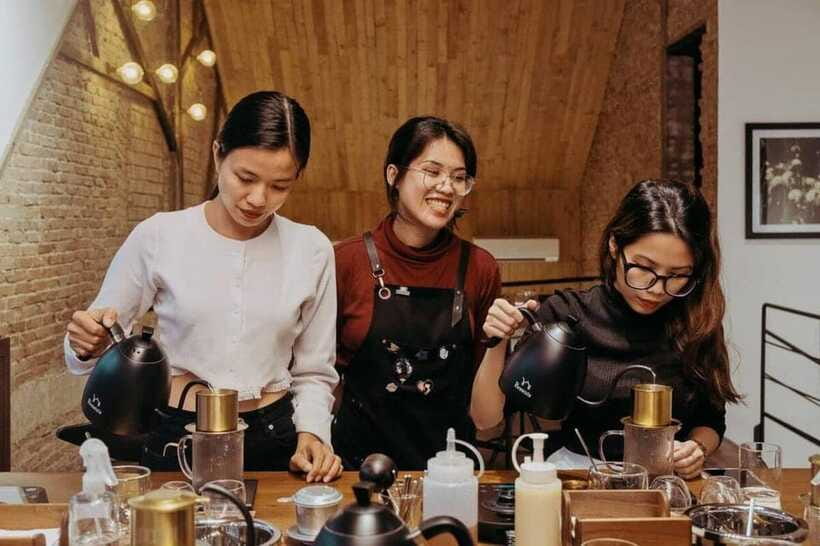
I would book this workshop if you want to understand why Vietnamese coffee tastes and feels different from coffee at home. The strongest features are the phin lesson, the five-drink tasting, and the chance to brew your own cups with help close by.
The price is fair for three hours of instruction and drinks, especially with the recipe book and digital coffee books included. Just confirm the start time, any pick-up charge, and the ingredients in the cocktail or other samples if those details matter to you.
For a casual coffee stop, choose a café. For a practical introduction to Vietnam’s coffee customs that you can repeat in your own kitchen, this workshop earns a place on your Hanoi schedule.
FAQ
Where does the Vietnamese Coffee 101 Workshop take place?
The workshop takes place in Dong Bac, Vietnam, and focuses on Hanoi’s coffee culture. Pick-up charges may apply if your location is outside the Old Quarter area.
How long does the workshop last?
The experience lasts three hours. Starting times vary, so check availability when booking.
What language is the workshop taught in?
The workshop is taught in English.
What coffee drinks will I taste?
The menu includes Vietnamese coconut coffee, original Vietnamese brown coffee, pour-over coffee, signature Vietnamese egg coffee, and a coffee cocktail.
Will I get to brew coffee myself?
Yes. The workshop includes hands-on brewing with traditional Vietnamese phin filtering and modern methods such as pour-over and espresso.
What is included in the price?
The $22 price includes an expert coffee guide, coffee brewing practice, premium Vietnamese coffee beans, fresh ingredients, a recipe book, digital coffee books related to the workshop, and a professional certificate if requested.
Can I buy coffee beans or a phin filter?
Coffee beans and brewing equipment, including phin filters, are available for purchase, but shopping costs extra and is not included in the activity price.
Is the workshop wheelchair accessible, and can I cancel?
Yes, the workshop is wheelchair accessible. You can cancel up to 24 hours in advance for a full refund, and reserve-now, pay-later booking is available.
More hands-on classes and workshops in Hanoi
- Hanoi Cooking Class: Culture, Local Market & Meaning CSR Impact
★ 5.0 · 5,147 reviews - 5 Traditional Dishes Hanoi Cooking Class with Market Trip
★ 5.0 · 4,890 reviews - Vietnamese Food Cooking Class in Hanoi with Market Experience
★ 5.0 · 778 reviews - Hanoi: Handcrafted Wood Carving Workshop with Local Artisan
★ 5.0 · 733 reviews
Just added to the Hanoi list
- Visit Train Street Hear History &Eat Local Food Know Culture★ 5.0 · 20 reviews
- Vegetarian Hanoi Cooking Class: Master Vietnamese Cuisine★ 5.0 · 16 reviews
- Vietnam War History Tour Through Hoa Lo Prison and Museums★ 5.0 · 6 reviews
- The insider’s Hanoi + Train Street 4,5 Hours Female Ao Dai Riders★ 5.0 · 53 reviews
- Female Riders Vespa Night Street Food + Train Street food 4 Hours★ 5.0 · 35 reviews
- Traditional Silversmith Workshop in Hanoi★ 4.7 · 7 reviews
- The insider’s Hanoi 4.5 hours All highlight Places & Train Street★ 5.0 · 41 reviews
- Beautiful Female Riders Vespa Red River Countryside Tour 5 Hours★ 5.0 · 23 reviews
Hanoi Coffee Tours, compared.
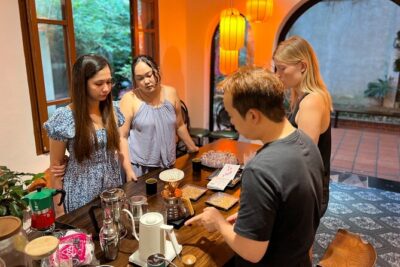
Hanoi Coffee Experience: 6 Brews, 9 Recipes & 3 Liquor Tastings
Read our review →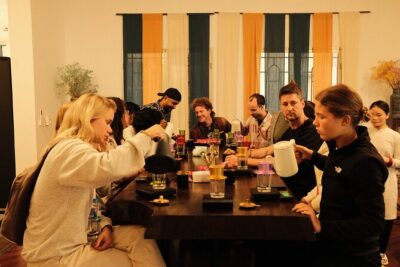
Hanoi Coffee Workshop: Taste Salt, Coconut and Egg Coffee
Read our review →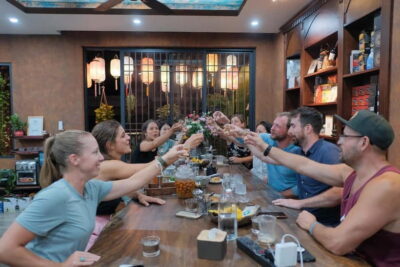
Salt Coffee Workshop Awake Your Senses With 6 Brews
Read our review →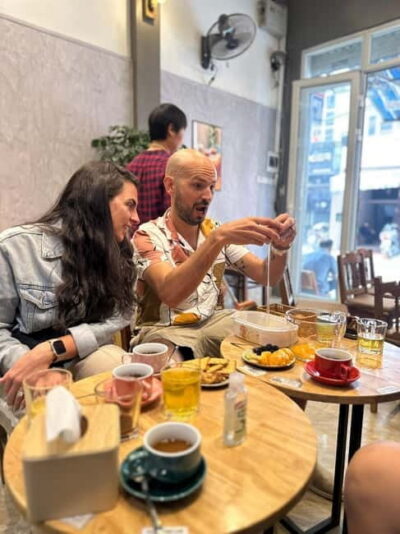
Master the Art of 4-6 Signature Vietnameses Coffees
Read our review →
Hanoi Cooking Class: Pho/Bun Cha/Banh Xeo…+Free Egg/Salt Coffee
Read our review →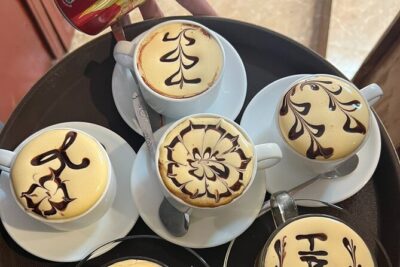
Hanoi Coffee Workshop: Master 6 Signature Vietnamese Coffee
Read our review →Browse the lists this tour appears in