

Reviewed · SAPA TOURS FROM HANOI
Sapa Trekking 2 Days 1 Night From Hanoi With Local Guide
Sapa is at its best on foot, and this trip takes you from Hanoi to Cat Cat Village, then into the rice-terraced Muong Hoa Valley. I like the small group limit of 15 and the chance to walk with a local ethnic guide rather than simply view the scenery from a bus.
I also like the strong mix of stops: a French-built power plant and waterfall on day one, followed by Y Linh Ho, Lao Chai, and Ta Van on day two. The drawback is the demanding second day, with roughly 12 kilometers of trekking, plus a long bus ride back to Hanoi that does not arrive until about 9:30 p.m.
Key details before you book
- Local guides named Ku, Cat, and Vu: Guide quality is central here, and the named guides have been praised for English, kindness, local knowledge, and practical help.
- Cat Cat comes first: The opening trek covers about 2.5 kilometers and includes a waterfall, an old power plant, village views, and a cultural performance.
- Day two is the real hike: Expect a long downhill route through Y Linh Ho and Lao Chai before reaching Ta Van and the Dzay community.
- Sleeper bus from Hanoi: Pickup begins around 6:30 a.m. in Hanoi’s Old Quarter, with the return reaching Hanoi at approximately 9:30 p.m. the next day.
- Hotel or homestay overnight: The first night includes lodging in Sapa, but the exact arrangement should be confirmed before departure.
- Good value at $85: The price covers the air-conditioned vehicle, guide, taxes, and listed accommodation, but you should clarify meal and transport details because the inclusions are worded broadly.
What this Sapa trip is really about
This is not a relaxed sightseeing weekend. It is a compact mountain trip built around walking, village visits, and views of terraced fields. You leave Hanoi early, reach Sapa around lunchtime, and start walking the same afternoon.
The appeal is the contrast. In Hanoi, you begin with a city pickup and a long bus journey. By afternoon, you are looking down toward Cat Cat Village near the foot of Fansipan Peak, walking among Black H’mong homes and mountain paths. The next day takes you farther from town, into the Muong Hoa Valley and several minority villages.
The group limit of 15 matters. It is small enough to keep the guide nearby on narrow trails, while still being more affordable than a private tour. If you prefer complete control over pace, meals, and stops, this is not a private outing. If you want company without joining a large coach crowd, it is a sensible middle ground.
More Sapa treks and homestays:
- Sapa 2 Days 1 Night From Hanoi – Overnight in Ta Van Village
★ 5.0 · 2,669 reviews - Hanoi – Sapa 2 Days 1 Night Overnight At Homestay
★ 5.0 · 899 reviews - From Hanoi: 2-Day Sapa Trekking Trip with Homestay & Meals
★ 4.8 · 704 reviews
The 6:30 a.m. departure from Hanoi

Pickup is offered from hotels in Hanoi’s Old Quarter at about 6:30 a.m. You travel to Sapa by sleeper bus, a useful choice for a route that takes several hours. The bus is intended for comfort, but this is still a long road transfer, so set aside much of the morning for getting north.
The schedule places arrival in Sapa at about 1 p.m. You then meet the local guide at the bus station and go to the hotel before lunch at a local restaurant. The timing is tight, but it gets you onto the trail on the first day instead of using the whole afternoon for check-in.
The tour description refers to an air-conditioned vehicle, while the inclusions also say private transportation is not included. I would read this as shared transport rather than a private car. Ask the operator exactly which parts use the sleeper bus, shuttle, or other vehicle if that distinction matters to you.
Cat Cat Village and the waterfall walk
After lunch, a short drive takes you to the entrance of Cat Cat Village. This is home to Black H’mong people and sits near the bottom of a valley below Fansipan, Vietnam’s highest mountain.
The walk is listed at about 2.5 kilometers and takes around two hours. That distance sounds modest, but the route includes downhill sections and village paths, so the time is not just a measure of flat walking. You will want shoes with a firm sole and enough grip for uneven ground.
The main sights are a waterfall and a small power plant built by the French in 1925. The old plant gives the stop a useful historical detail without turning the visit into a formal museum tour. You see how the village sits in the valley, then follow the route toward the water and the old engineering site.
A performance by local boys and girls is scheduled for about 40 minutes. Some people will enjoy this introduction to local culture. Others may find it more arranged than the walking portions of the day. I would treat it as one part of the stop, not the main reason to book the trip.
You return to Sapa around 5 p.m. Dinner at the hotel follows at about 7 p.m., leaving some free time to walk around town. That evening is useful because the next morning starts early. You can see a little of Sapa, but this is not a tour designed for extensive town sightseeing.
One night in a hotel or homestay
The overnight stay is listed as a hotel or homestay. That gives the trip some flexibility, but it also means the exact sleeping arrangement is not fully clear from the published details. If you care about having a private room, a certain bedding setup, or a specific type of lodging, confirm it before paying.
The accommodation is practical rather than the focus of the experience. You need a place to shower, sleep, and prepare for the longer walk. Pack a small overnight bag instead of taking all your Hanoi luggage on the trail, since the morning plan asks you to prepare a light pack.
The schedule includes dinner on day one and breakfast on day two. It also lists lunch during both trekking days, though the main inclusions section only specifically names the vehicle, guide, and taxes. I would ask what meals are included in the $85 price and what drinks cost extra. Alcoholic drinks are not included.
More hiking tours in Hanoi:
- Halong Bay Full Day with Kayaking, Hiking viewpoint, Cave – Deluxe To Luxury
★ 5.0 · 884 reviews - Sapa 3 Days 2 Nights Trekking Tour (1 Night In Ta Van Village, 1 Night In Hotel)
★ 5.0 · 699 reviews - 3-Day Trekking Adventure of Sapa from Hanoi – Stay Ta Van Village
★ 5.0 · 611 reviews - 3D and 2N Lan Ha Bay Cat Ba Island Kayaking & Trekking with Vega
★ 5.0 · 593 reviews
The 12-kilometer route through Muong Hoa Valley
Day two begins with breakfast, checkout, and a light pack. The route is described as about 12 kilometers through three villages and two ethnic communities. Another line describes a 9-kilometer descent to Muong Hoa Valley, so the figures are not perfectly consistent. Either way, you should plan for a serious half-day walk rather than a gentle village stroll.
Muong Hoa Valley is the visual center of the trip. Terraced rice fields run across the mountain slopes, and local hill communities live and work among them. The scenery changes with the farming season, so the color and appearance of the fields will depend on when you visit.
The first major section leads downhill toward Y Linh Ho and Lao Chai. The route is described as a small trail along a mountainside, with about three and a half hours of walking before lunch. Downhill walking can be harder than it sounds, especially on uneven ground. It places pressure on your knees and requires steady footing.
A local guide is particularly useful here. Guides such as Ku, Cat, and Vu have been praised for speaking good English, explaining the area, helping with the route, and knowing where to eat. The guide is not just there to point toward the next village. A local person can help you understand who lives in each community and how the terraces fit into daily work.
Lunch is scheduled around 12:30 p.m. at a local restaurant. The meal breaks up the longest section of the day and gives you time to rest before the final walk. Since the tour does not spell out every meal detail in the main inclusions, confirm whether lunch is covered or paid separately.
Reaching Ta Van and the Dzay community
After lunch, you continue along the valley floor to Ta Van Village. This is home to the Dzay people, and the schedule allows time to experience local life while staying in a family cottage.
This part may be the most rewarding for you if your interest is cultural rather than purely scenic. Cat Cat offers a quick introduction near Sapa, while Ta Van gives you more time in a village setting. The difference between the two stops is important: the first is a shorter afternoon visit with a performance, while the second follows a demanding walk through the valley.
The plan does not provide a long stay in Ta Van. A bus transfers you back to the hotel around 2:30 p.m., where you prepare your luggage for Hanoi. That makes the visit a taste of village life rather than an extended homestay experience.
The return transfer to the bus station is scheduled for 3:30 p.m. The bus reaches Hanoi around 9:30 p.m., ending the trip. You should avoid booking a late-night train, flight, or fixed dinner reservation on that evening. Delays are always possible on a long road journey, and the published schedule already makes this a full day.
How demanding is the trekking?
The operator asks for a moderate level of physical fitness, and that is fair. Day one is short, but it includes village paths and valley walking. Day two is much more demanding because of its length, downhill sections, and uneven mountain trails.
You should be comfortable walking for several hours, managing slopes, and staying outdoors for much of the day. Good walking shoes are more important than stylish clothing. Bring water, sun protection, a rain layer, and a small bag that will not slow you down.
The tour does not describe the route as accessible or suitable for people with limited mobility. If you have knee, balance, or stamina concerns, ask for a clear description of the current trail conditions before booking. The guide may help with the pace, but the published schedule does not promise a customized route.
Weather also matters. The experience requires good weather. If poor weather cancels the trip, you are offered another date or a full refund. Sapa can be misty and wet, and rain would affect both footing and the views, so this policy is useful.
Guide quality can shape the whole trip
The guide is one of the strongest reasons to choose this experience. The advertised guides are local ethnic people, and several names connected with the tour include Ku, Cat, and Vu. You may not receive one of those specific guides, so treat the names as examples rather than a guarantee.
Cat is described as speaking very good English and sharing useful information with a family group. Ku is associated with a physically demanding but culturally focused trek. Vu is described as kind, helpful, familiar with the villages, and able to recommend places to eat.
Those details tell you what to look for from the guide: clear instructions on the trail, explanations of local communities, help with meals, and attention to the group’s needs. The best guide for this route is not simply a person who walks in front. You want someone who can explain the difference between the Black H’mong and Dzay communities and help you handle the pace.
The guide’s role is also important in a small group. With up to 15 people, the group may have different walking speeds. Ask at the start how the group will handle slower walkers and whether the route can be adjusted if conditions change.
Is $85 good value?
At $85 per person, the package is priced well for a two-day trip from Hanoi to Sapa that includes transport, a local English-speaking guide, taxes, and overnight accommodation. You are paying for the difficult logistics of reaching Sapa and seeing several valley villages without arranging every transfer yourself.
The value is strongest if you want a structured trip. The Hanoi pickup, sleeper bus, Sapa transfers, guide, meals listed in the schedule, and overnight stay form a useful bundle. Organizing the same route independently would require separate bus tickets, a Sapa hotel, local transport, and a guide.
The price is less attractive if you want a private experience or a slow pace. Private transportation is not included, and the group can reach 15 people. The itinerary is also tightly timed, with a long return to Hanoi on day two.
Before booking, clarify three points: the exact accommodation, which meals are included, and the type of transport between Sapa and the villages. Those questions do not necessarily signal a problem, but the written details leave room for interpretation.
Who should book this Sapa trek?
I would recommend it to you if you have limited time in Vietnam and want to combine Sapa’s main valley sights with local guiding. It suits people who prefer a planned route and want the security of arranged transport from Hanoi.
It is also a good fit if you care about cultural context. The route includes Black H’mong and Dzay communities, a family cottage in Ta Van, a local performance, and guides from the area.
I would hesitate if you dislike long bus rides, need a gentle walking schedule, or want a private room and private vehicle guaranteed. The second day is not a token walk for photographs. It is the physical center of the trip, and the late arrival back in Hanoi adds to the strain.
Free cancellation is available if you cancel at least 24 hours before the start time. Cancellations inside that window are not refunded, and changes are not accepted. Since poor weather can cancel the experience, check the forecast and keep some flexibility in your plans.
Should you book it?
Book this trip if you want a compact, fairly priced introduction to Sapa with local guiding and real village walking. The strongest parts are the Muong Hoa Valley, the views over rice terraces, and the chance to connect the scenery with the people who live and work there.
Skip it if you want a soft-paced holiday or a fully private itinerary. For active visitors with only two days, $85 buys a lot: Hanoi transfers, Sapa transport, guiding, a night’s lodging, and four distinct village areas. Just go in prepared for a demanding day two and confirm the meal and accommodation details first.
FAQ
Where does the tour start?
Pickup starts at about 6:30 a.m. from hotels in Hanoi’s Old Quarter.
How do I travel from Hanoi to Sapa?
The tour uses a sleeper bus from Hanoi to Sapa. The return bus leaves Sapa on day two and is scheduled to reach Hanoi around 9:30 p.m.
Which villages are included?
The route includes Cat Cat Village on day one, followed by Y Linh Ho, Lao Chai, and Ta Van on day two.
How far is the trekking?
Day one covers about 2.5 kilometers. Day two is described as approximately 12 kilometers, although another schedule detail refers to a 9-kilometer descent to Muong Hoa Valley.
Where do I stay overnight?
The overnight stay is listed as either a hotel or homestay in Sapa. The exact accommodation should be confirmed before booking.
What happens if bad weather cancels the tour?
If poor weather causes cancellation, you are offered a different date or a full refund. For a full refund after a personal cancellation, you must cancel at least 24 hours before the start time.
More 2-day tours in Hanoi
- Amanda Cruise – Ha Long, Lan Ha Bay – All Inclusive 2D1N & 3D2N
★ 5.0 · 4,358 reviews - Hanoi: 2-Day Halong & Lan Ha Bay 5-Star Cruise with Balcony
★ 4.8 · 3,300 reviews - Halong Bay – Le Journey Cruises – All Inclusive 2D1N and 3D2N
★ 5.0 · 2,500 reviews - Mon Chéri Cruise 5 star: Unique 2 Days Tuan Chau – Halong bay – Lan Ha Bay
★ 5.0 · 2,422 reviews
Just added to the Hanoi list
- (TOP) Private car: Hanoi/Noi Bai Airport (HAN) from/to Ninh Binh★ 3.5 · 16 reviews
- Thang Long Water Puppet Theater★ 4.5 · 45 reviews
- Private car transfer from Hanoi Airport to Hotels★ 4.5 · 5 reviews
- Private Tour Ninh Binh 1 Day★ 5.0 · 5 reviews
- Private Hanoi Old Quarter Food Tour with 8+ Authentic Tastings★ 5.0 · 11 reviews
- Private Transfer Service from Hanoi to Ha Long Bay★ 5.0 · 3 reviews
- Private Transfer Between Hanoi City and Noi Bai Airport (HAN)★ 5.0 · 3 reviews
- Ba Be National Park With Boat Trip, Kayaking, Swimming, Trekking And Cycling★ 5.0 · 10 reviews
Sapa Tours from Hanoi, compared.

Sapa 2 Days 1 Night From Hanoi – Overnight in Ta Van Village
Read our review →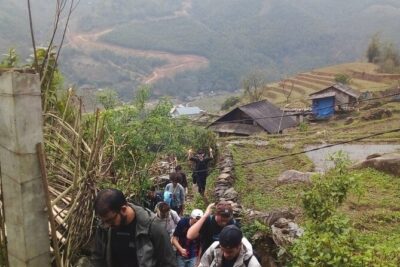


Sapa 3 Days 2 Nights Trekking Tour (1 Night In Ta Van Village, 1 Night In Hotel)
Read our review →
3-Day Trekking Adventure of Sapa from Hanoi – Stay Ta Van Village
Read our review →
2-Day Sa Pa Ethnic Homestay Tour & Trek with Limousine Bus
Read our review →
Sapa 2 Days 1 Night From Hanoi – Overnight in Hotel
Read our review →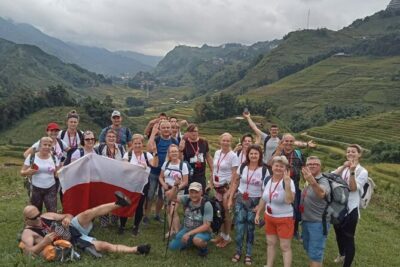
Sapa 3 Day 2 Night Trekking With Hotel & Homestay
Read our review →Browse the lists this tour appears in