
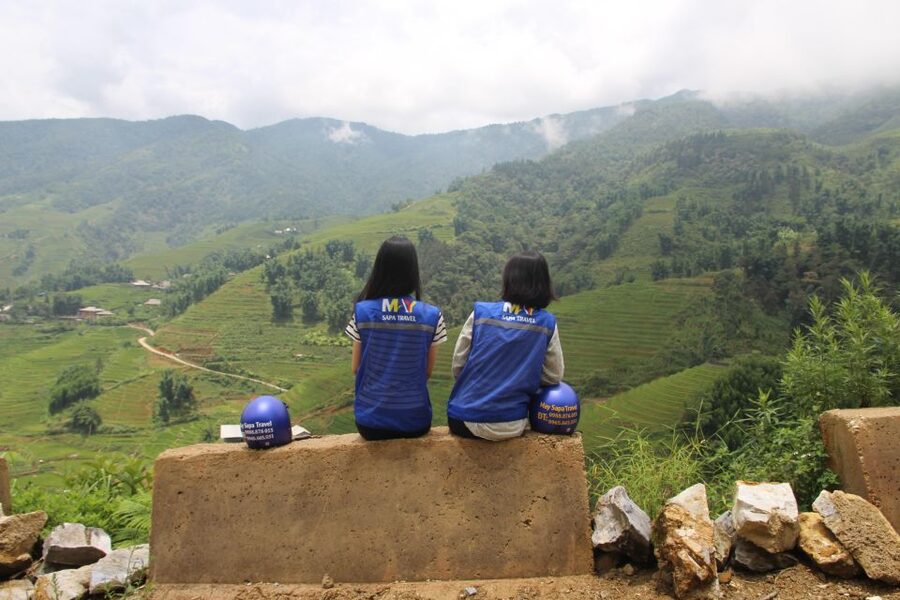
Reviewed · SAPA TOURS FROM HANOI
Hanoi to Sapa: Terraced Fields, Culture & Cuisine – 3 Days
Sapa’s best moments come on foot, when the road gives way to rice terraces, mountain streams, and village paths. I like that this trip includes both Cat Cat’s familiar sights and longer walks through Y Linh Ho, Lao Chai, Ta Van, Giang Ta Chai, and Supan. I also like the one-night homestay and cooking class, which give you more contact with local life than a quick day trip can.
The main caution is the transport and walking. The bus is sold as a VIP cabin service, but the ride may feel basic, with stacked bunk beds rather than a polished coach. The second and third days involve about 14 kilometers of hiking, often on muddy roads, while the final morning’s walk is only about 6 kilometers, so the trekking is not perfectly even across the three days.
Key details at a glance
- A five-hour morning bus ride takes you from Hanoi to Sapa, with no tour guide on the bus.
- Cat Cat village brings H’mong customs, a waterfall, and an old French-built hydroelectric plant.
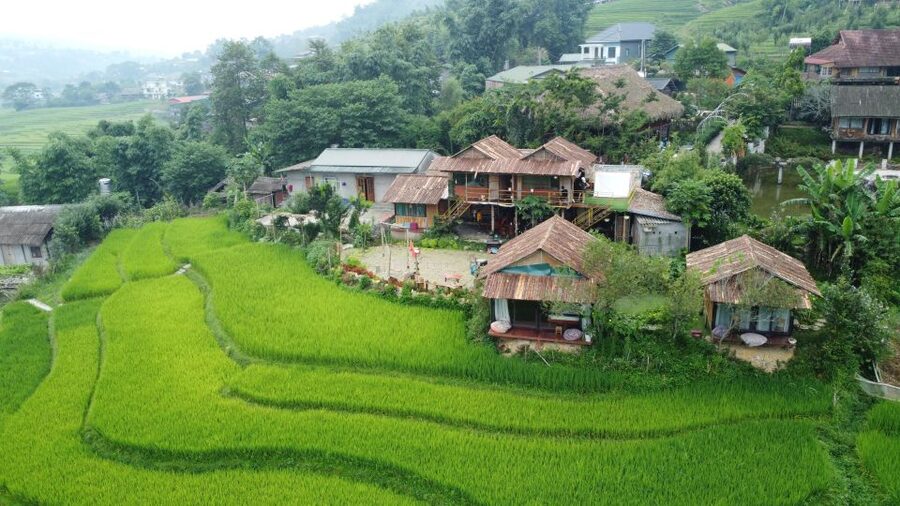
- The main trek follows Muong Hoa Stream, passing Y Linh Ho, Lao Chai, and Ta Van.
- A private room at a Ta Van homestay replaces the hotel for your second night.
- A local cooking class lets you help prepare dinner before eating the dishes you make.
- The price is $116 per person, including transport, lodging, meals, guiding, and the cooking class.
What this three-day Sapa trip is really about
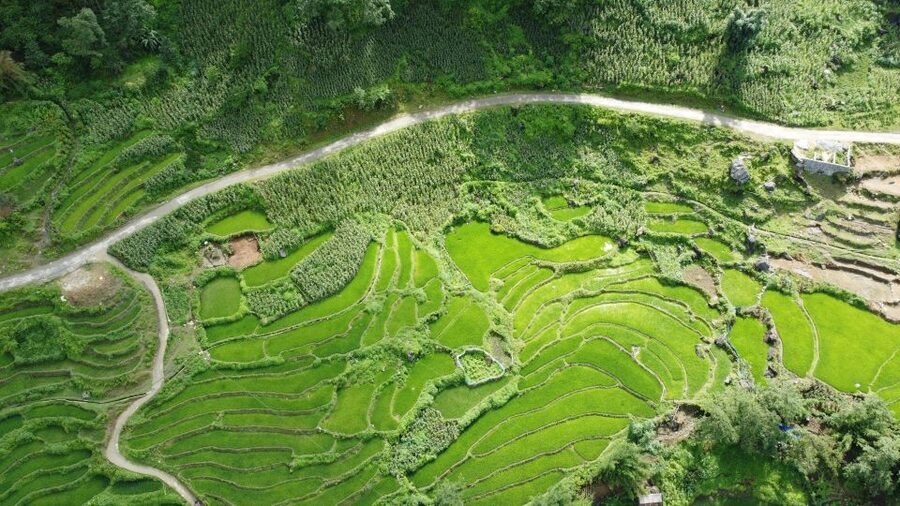
This is a walking trip with transport attached, not simply a bus tour with a few photo stops. You spend your first afternoon seeing Cat Cat, then use the next two days to reach villages along the Muong Hoa valley. The appeal is the change in pace: bus, town, village, trail, homestay, and shared meal.
You should book it for the countryside rather than for polished comforts. Sapa town has hotels, restaurants, street food, and a night market. Beyond town, the experience becomes simpler. Paths can be wet and dirty, the homestay is practical rather than fancy, and the bus is not necessarily as comfortable as the VIP label suggests.
At $116 per person, the package covers a fair amount: return transport between Hanoi and Sapa, one night in a three-star hotel, one night in a private homestay room, two breakfasts, three lunches, two dinners, a local English-speaking guide, and the cooking class. Drinks, insurance, and tax are extra. The value is strongest if you would otherwise pay separately for transport, rooms, meals, and a guided trek.
More Sapa treks and homestays:
- Sapa 2 Days 1 Night From Hanoi – Overnight in Ta Van Village
★ 5.0 · 2,669 reviews - Hanoi – Sapa 2 Days 1 Night Overnight At Homestay
★ 5.0 · 899 reviews - From Hanoi: 2-Day Sapa Trekking Trip with Homestay & Meals
★ 4.8 · 704 reviews
The early bus from Hanoi to Sapa
Pickup is between 6:00 and 6:30 in the morning from a hotel or meeting point in Hanoi’s Old Quarter. The bus takes about five hours on the highway and arrives in Sapa around 12:30 or 13:00.
The bus is described as a VIP cabin service, but you should keep your expectations modest. The seating is made up of bunk-style cabins, and the available experience report describes the vehicle as poor quality, with literal bunk beds stacked one above another. That format can be useful if you like stretching out, but it may not feel like a premium ride.
There is no guide on the bus, so the transport portion is simply a transfer. Your Sapa guide meets you after arrival, takes you to the hotel, and helps begin the day. The return bus leaves Sapa at 15:30 on the third day and reaches Hanoi around 21:30, dropping you at Ly Thai To or Tran Quang Khai Street in Hoan Kiem.
That return timing matters. You get a final morning walk, lunch, and some time to collect your bags, but you do not return to Hanoi until late evening. Plan your next activity for the following day, not the night you arrive.
Cat Cat village and Sapa’s first afternoon
After lunch and hotel check-in, the first walk starts at about 14:30. Cat Cat village is associated with the H’mong people, and the route introduces you to local customs and daily traditions.
Cat Cat is one of the easier ways to begin a Sapa trip. You get a village setting, mountain scenery, a waterfall, and the old hydroelectric plant built by the French in the early twentieth century. The waterfall gives the afternoon a clear focal point, while the plant adds a small piece of local industrial history.
This visit is also a useful warm-up for the longer walks ahead. You are not asked to begin with a full day on the trail. Instead, you have time to get used to Sapa’s paths, slopes, and climate before the longer route begins.
The afternoon can feel more visitor-focused than the remote village walks on day two. Cat Cat is a popular stop, and local people may approach you to sell handmade items during the hikes. You do not need to buy anything. A friendly no is enough, and it is wise to carry only what you need.
Dinner is scheduled at 18:30. Afterward, you are free to explore Sapa, visit the night market, or try street food. This free time is a welcome part of the plan because the tour does not keep you under a guide’s direction every minute.
The long walk from Y Linh Ho to Ta Van
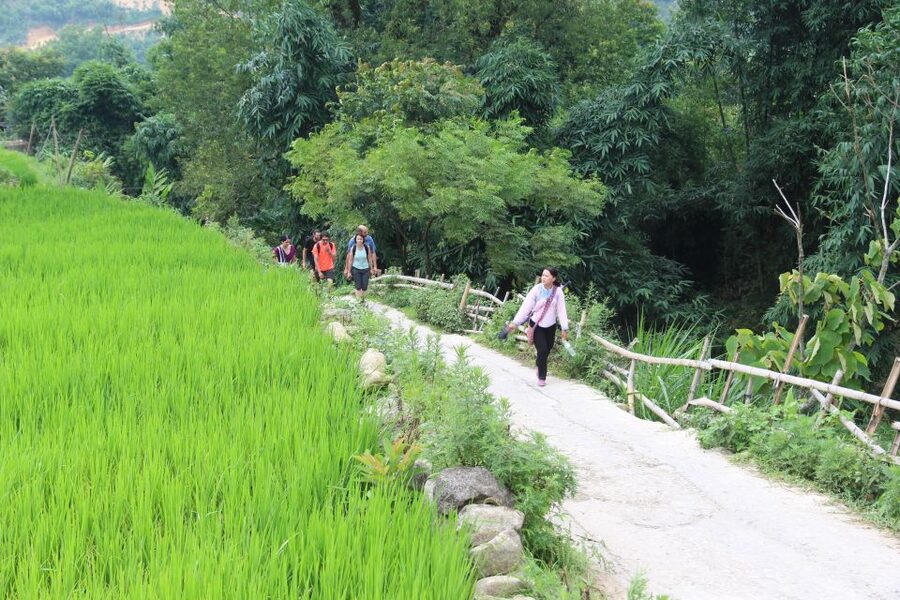
Day two is the heart of the trip. Breakfast comes at 7:00, followed by hotel checkout and luggage storage at the hotel lounge. Keep your large suitcase there and carry a small bag for the night at Ta Van.
The trek begins around 8:15 or 8:30. You walk toward Y Linh Ho, then follow rice terraces beside Muong Hoa Stream to Lao Chai, a village associated with the Black H’mong community. From there, the trail continues toward Ta Van.
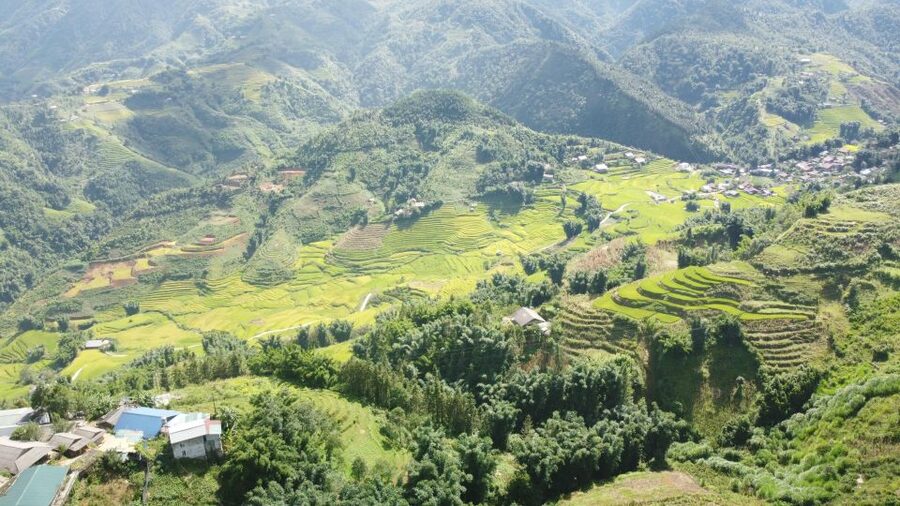
This route gives you what most people come to Sapa hoping to see: layered rice fields, streams, bamboo forest, mountain views, and footpaths between villages. The setting changes as you walk. You are not looking at the terraces from a single roadside viewpoint. You move through them, which makes the day feel more connected to the countryside.
The guide is important here. A local English-speaking guide can explain customs and traditions while keeping the group on the route. The available experience specifically praises a guide named Su, so if Su is assigned to your departure, you may find the guiding especially personal and attentive. Guide assignments can vary, so do not assume that every departure includes Su.
You reach Ta Van around lunchtime and eat at a homestay before checking in. The afternoon includes another village visit with terraced fields and streams, followed by rest at about 16:00.
The walking distance is a serious part of the day. The full two-day village section is described as about 14 kilometers, and wet weather can turn the paths muddy. You need shoes with good grip, not sandals or fashion footwear. The tour specifically warns against high heels and recommends comfortable shoes, sunscreen, insect repellent, and suitable clothing.
More 3-day tours in Hanoi:
- Amanda Cruise – Ha Long, Lan Ha Bay – All Inclusive 2D1N & 3D2N
★ 5.0 · 4,358 reviews - Halong Bay – Le Journey Cruises – All Inclusive 2D1N and 3D2N
★ 5.0 · 2,500 reviews - Hanoi: 3-Day Ninh Binh, Ha Long, & Lan Ha Bay 5-Star Cruise
★ 4.8 · 1,401 reviews - Mon Chéri Cruises 5 star: Amazing 3 days exploring Halong & Cat Ba island
★ 5.0 · 1,280 reviews
Ta Van homestay and the evening cooking class
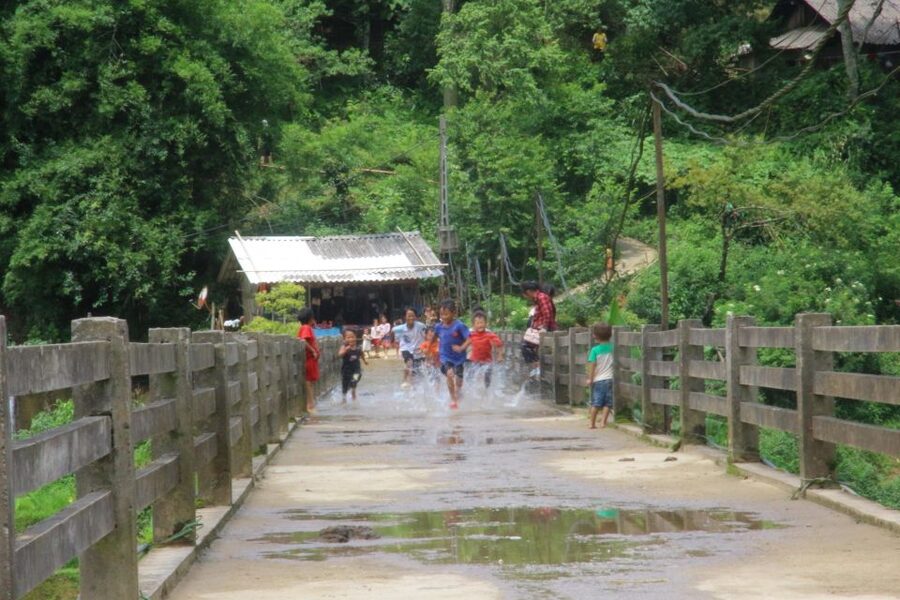
The Ta Van night is more than a place to sleep. You stay in a private room at a homestay, giving you a quieter village base after the day’s walk. Bring a small bag with your essentials because your large luggage remains in Sapa.
At about 16:00, you return to the homestay to rest and prepare for the cooking class. You help prepare local dishes, then eat the food you made at dinner around 18:30.
I like this part of the schedule because it gives the homestay a purpose beyond overnight accommodation. You are not just checking into a room and leaving early. The cooking session creates a practical way to spend time with local hosts and understand a little more about the food on your plate.
Still, keep your expectations realistic. The information does not specify the menu, the facilities, or the style of the private room. It is best to expect a simple village stay, not hotel-level amenities. If you need a highly controlled room environment, this may not be the right fit.
The two included dinners and three lunches also help control costs. Drinks are not included, so carry some Vietnamese currency for beverages and small purchases. Alcohol is not allowed on the tour, along with drugs.
Giang Ta Chai, Supan, and the shorter final trek
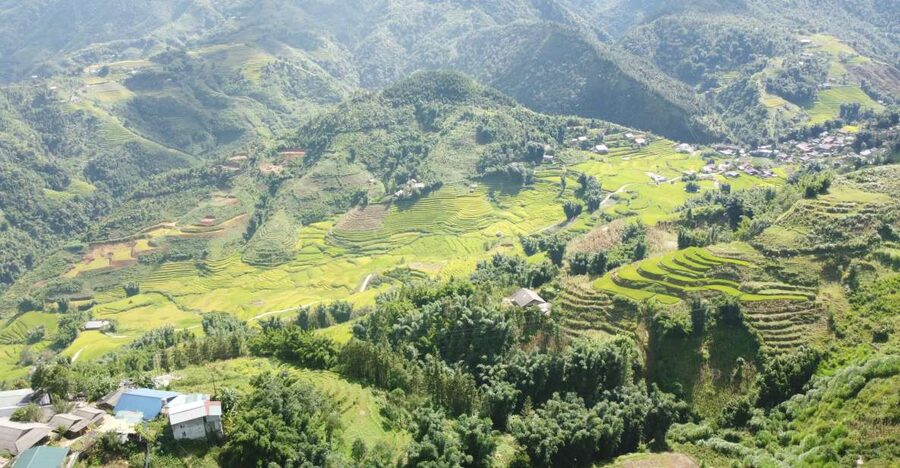
Breakfast at the homestay is scheduled between 7:30 and 8:30. The final morning walk starts at 9:00 and covers about 6 kilometers to Giang Ta Chai and Supan.
Giang Ta Chai is linked with the Red Dao community and is known for colorful traditions and customs. You then continue toward Supan, arriving around noon for lunch at a local restaurant.
This morning is scenic and culturally focused, but it is notably shorter than day two. If you want a demanding trekking holiday, you may find the final walk too brief. One useful way to view it is as a gentler finish after the longer route through Y Linh Ho, Lao Chai, and Ta Van.
The bus picks you up around 13:30 and takes you back to Sapa. You have time to collect your luggage and prepare for the return bus at 15:30. The gap between the end of lunch and departure is practical, but not especially long. Keep your belongings organized so you are not repacking in a rush.
Food, guiding, and the value of local contact
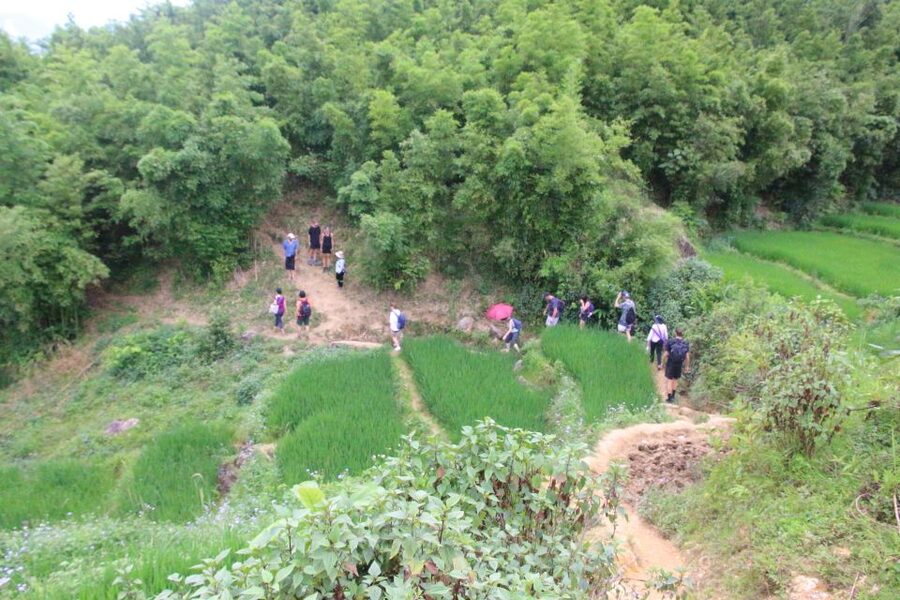
The food is one of the strongest parts of this package. You receive two breakfasts, three lunches, and two dinners, plus the chance to prepare dinner yourself at the homestay. The available comments describe the food as excellent, which fits the structure of the trip: meals are built into the route rather than treated as an afterthought.
The guide also makes a real difference. A guide such as Su can explain what you are seeing, help with village customs, and keep the walking day from becoming a silent march. The tour is offered in English, and the guide accompanies you in Sapa, not during the Hanoi bus transfers.
The village contact is not presented as a staged performance. You walk through communities, see fields and streams, and learn about H’mong and Red Dao customs. At the same time, you should remember that local sellers may follow parts of the route with handmade goods. You can decline purchases politely and continue walking.
Who should book this tour
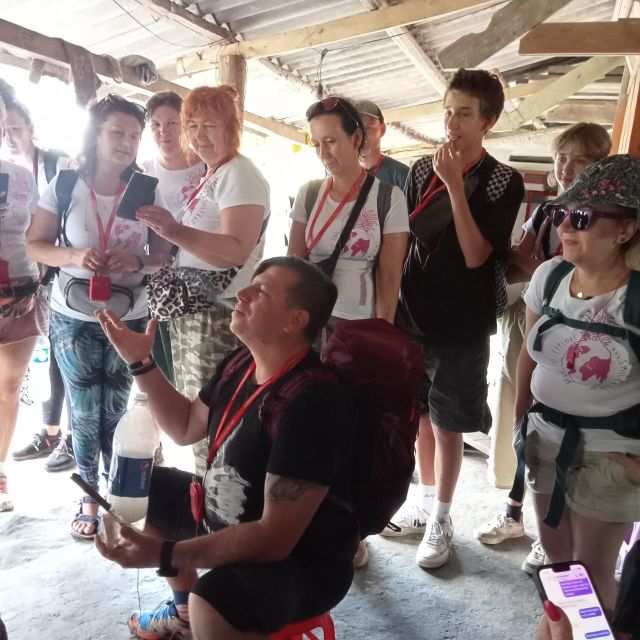
This trip suits you if you want several different parts of northern Vietnam in a short break. You get Sapa town, Cat Cat, long walks, several ethnic villages, a homestay, a cooking class, and return transport from Hanoi.
It is a good match for people who are comfortable walking for hours on uneven ground. You should be ready for mud, dirt, slopes, and changing weather. Comfortable clothing and shoes matter more than looking smart for dinner.
It is not suitable for children under three, pregnant women, people with back problems, wheelchair users, or people over 70. Those restrictions reflect the bus, the uneven paths, and the hiking distance. You should also consider your fitness before booking rather than treating the trek as a casual stroll.
The tour is less suitable if your priorities are a luxury bus, a large hotel room, a slow schedule, or a private guide on every transfer. The bus is shared, the guide is not present during the Hanoi to Sapa journey, and the homestay is a simple rural stay.
Practical advice before you go

Wear shoes that can handle mud. Bring a spare set of clothes, especially during wet weather, and pack insect repellent and sunscreen. A small waterproof bag can help protect important items during the village walks.
Leave your large luggage in Sapa before trekking to Ta Van. Carry only what you need for one night, such as toiletries, a change of clothes, medication, phone charger, and any personal essentials.
The tour accepts bookings with payment later, and cancellation is available up to 24 hours before departure for a full refund. The price does not include drinks, insurance, or tax, so allow for those costs.
Should you book the Hanoi to Sapa tour?
Book it if you want an active, good-value introduction to Sapa and prefer walking through villages to simply viewing the mountains from a bus. The strongest features are the Muong Hoa valley route, the Ta Van homestay, the cooking class, and the local guide support.
Think twice if you expect the word VIP to mean a luxury coach, or if you want equal trekking time each day. The first bus ride may be uncomfortable, and the final trek is much shorter than the main day-two route.
For the right kind of visitor, $116 is a solid package price. You get transport, two different types of lodging, six included meals, a guide, and a useful taste of village life. Bring practical shoes, a small overnight bag, and a willingness to get muddy. That is where this Sapa trip earns its value.
FAQ
How long is the bus journey from Hanoi to Sapa?
The bus takes about five hours from Hanoi to Sapa. Pickup is scheduled between 6:00 and 6:30 in the morning.
Is there a tour guide on the bus?
No. The tour includes a local English-speaking guide in Sapa, but no guide accompanies you on the bus between Hanoi and Sapa.
Where does the bus pick up in Hanoi?
Pickup is available from a hotel or meeting point in Hanoi’s Old Quarter. At the end, the bus drops you at Ly Thai To or Tran Quang Khai Street in Hoan Kiem.
What villages does the tour visit?
The route includes Cat Cat, Y Linh Ho, Lao Chai, Ta Van, Giang Ta Chai, and Supan. The villages are associated with H’mong and Red Dao communities.
How much walking is involved?
The second and third days include about 14 kilometers of hiking in total. The final morning route from Ta Van to Giang Ta Chai and Supan is about 6 kilometers.
Where do I stay during the tour?
You spend the first night at a three-star hotel in Sapa town. The second night is in a private room at a homestay in Ta Van village.
Are meals included?
Yes. The tour includes two breakfasts, three lunches, and two dinners. Drinks are not included.
What should I bring?
Bring comfortable walking shoes, comfortable clothing, a change of clothes, sunscreen, insect repellent, and a small bag for the night at the Ta Van homestay.
Who should not book this tour?
The tour is not suitable for children under three, pregnant women, people with back problems, wheelchair users, or people over 70. It is also a poor match if you cannot manage muddy and uneven walking paths.
Just added to the Hanoi list
- (TOP) Private car: Hanoi/Noi Bai Airport (HAN) from/to Ninh Binh★ 3.5 · 16 reviews
- Thang Long Water Puppet Theater★ 4.5 · 45 reviews
- Private car transfer from Hanoi Airport to Hotels★ 4.5 · 5 reviews
- Private Tour Ninh Binh 1 Day★ 5.0 · 5 reviews
- Private Hanoi Old Quarter Food Tour with 8+ Authentic Tastings★ 5.0 · 11 reviews
- Private Transfer Service from Hanoi to Ha Long Bay★ 5.0 · 3 reviews
- Private Transfer Between Hanoi City and Noi Bai Airport (HAN)★ 5.0 · 3 reviews
- Ba Be National Park With Boat Trip, Kayaking, Swimming, Trekking And Cycling★ 5.0 · 10 reviews
Sapa Tours from Hanoi, compared.

Sapa 2 Days 1 Night From Hanoi – Overnight in Ta Van Village
Read our review →
Sapa 3 Days 2 Nights Trekking Tour (1 Night In Ta Van Village, 1 Night In Hotel)
Read our review →
3-Day Trekking Adventure of Sapa from Hanoi – Stay Ta Van Village
Read our review →
2-Day Sa Pa Ethnic Homestay Tour & Trek with Limousine Bus
Read our review →
Sapa 2 Days 1 Night From Hanoi – Overnight in Hotel
Read our review →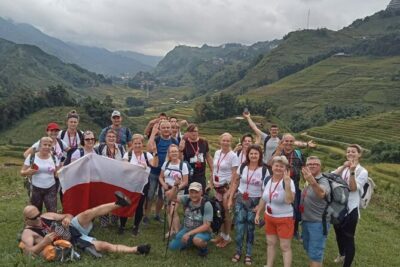
Sapa 3 Day 2 Night Trekking With Hotel & Homestay
Read our review →Browse the lists this tour appears in