
Reviewed · HANOI OLD QUARTER TOURS
Hanoi Old Quarter Vibes: A Youthful Journey
Hanoi’s Old Quarter is best understood on foot, one narrow street and small shrine at a time. This four-hour walk follows the old 36 Pho Phuong streets, Dong Xuan Market, Bach Ma Temple, Quan Đế Temple, and No. 48 Hang Ngang, where Ho Chi Minh once lived. You get a close look at daily life rather than a quick drive past the sights.
I like the flexible schedule, which lets you choose a cooler morning or a slower afternoon, and I like the chance to talk with a local student guide such as Mai Anh. The main catch is that the $5 price covers the guiding service, not every stop: egg coffee and the 87 Ma May Ancient House cost extra, and you will spend most of the four hours walking.
Key points to know before you book
- Follow the 36 Pho Phuong streets: Learn how Hanoi’s old streets took their names from the trades once practiced there.
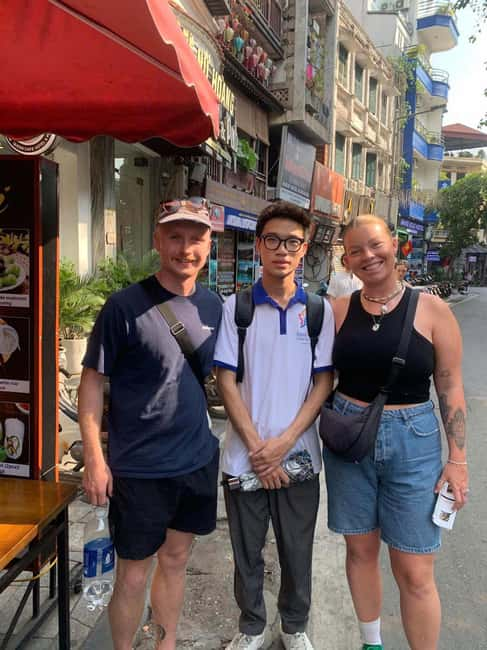
- Meet a local student guide: English-speaking guides wear blue and white uniforms, and Mai Anh is one named guide associated with this experience.
- Visit temples and a former residence: Bach Ma Temple, Quan Đế Temple, and No. 48 Hang Ngang add religious and political context.
- See Dong Xuan Market in action: Expect food smells, local ingredients, vendors, and plenty to watch as you move through the market.
- Add classic Hanoi tastes and architecture: Egg coffee and 87 Ma May are worthwhile extras, but entrance or tasting costs are not included.
- Pay $5 for a group of up to 10: This is excellent value for a guided orientation, especially if you want conversation and local context without a costly private tour.
Why walking is the right way to meet the Old Quarter

The Old Quarter is not a district you understand from a taxi window. Its appeal is in the details: a street name tied to an old trade, a carved doorway, a tiled roof, a temple tucked among shops, and the steady movement of people buying and selling.
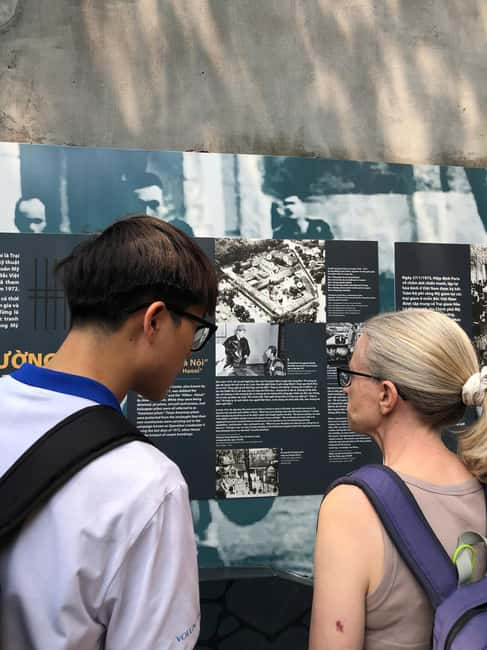
This walk begins along the famed 36 Pho Phuong Street network. The name refers to the traditional set of trade streets in Hanoi’s old commercial center. Each lane has its own story and former specialty, giving the neighborhood a useful pattern. You are not simply wandering at random. You are learning how commerce shaped the quarter.
I like this approach because it gives you a way to read Hanoi after the tour ends. Once your guide points out the connection between street names and trades, the Old Quarter feels less like a maze. You start noticing the old commercial logic beneath the traffic, signs, and modern storefronts.
The route is on foot, and the attractions are close enough together that no vehicle is needed. Hotel pickup is offered within the Old Quarter, but this means meeting your guide in the hotel lobby or at an agreed nearby public place, then walking from there. Guides wear blue and white uniforms and will approach you at the arranged time.
More Old Quarter walks in Hanoi:
- [HOT] Hanoi Old Quarter Walking Street Food – Small Group Tour
★ 5.0 · 2,163 reviews - Private transfer between Hanoi Airport (HAN) and Hanoi Old Quarter
★ 5.0 · 850 reviews - Hanoi Food Tours in Hanoi Old Quarter (Small Group/Private)
★ 5.0 · 657 reviews
Small houses and the old face of Ma May
The Old Quarter’s architecture can be easy to miss because it is surrounded by shop signs and modern activity. Look up and you may find carved details, narrow house fronts, tiled roofs, and small architectural touches that reveal the age of the district.
The traditional house at 87 Ma May Street is one of the clearest places to see this older style. It is described as a classic example of Hanoi architecture, with the compact form and decorative features that make the quarter distinctive. The stop is not included in the $5 guiding service, so you will need to pay any entrance fee if you choose to go inside.
That extra cost is worth considering if traditional buildings are a main reason you came to Hanoi. If your priority is street life, temples, and the market, you can admire the exterior and use the time elsewhere. Ask your guide about the current plan before the walk begins, especially since the tour allows some customization.
You should also expect the buildings to be small and intimate rather than grand. This is part of their charm. The Old Quarter is about shop houses and close streets, not wide boulevards or monumental civic buildings.
Bach Ma Temple and Quan Đế Temple
The Old Quarter has a spiritual side that can disappear beneath its commercial energy. The temple visits bring a quieter rhythm to the route and give you a look at Buddhist and Vietnamese religious architecture.
Bach Ma Temple, also called the White Horse Temple, is one of the named stops. It carries a strong sense of reverence and offers a change from the movement outside. Your guide can help explain what you are seeing and why the temple matters within the Old Quarter.
Quan Đế Temple provides a different but related experience. Its calm atmosphere and traditional design give the walk a pause for observation. You are not just ticking off another building. You are seeing how places of worship remain part of ordinary city life.
Dress properly for these stops. Tank tops and shorts above the knee are not suitable for entering temples and pagodas. Comfortable shoes matter too, since this is a four-hour walking experience and the route includes several streets and interior visits.
The activity is listed as wheelchair accessible, and all attractions are within a short walking distance. If you have particular mobility needs, confirm the meeting point and route with the provider in advance. The supplied details do not specify the exact street surfaces or interior access at each temple.
Dong Xuan Market, Hanoi’s daily theater

Dong Xuan Market is where the walk picks up its strongest everyday energy. It is a place for watching local trade, taking in food aromas, and seeing the range of ingredients used in Hanoi kitchens.
You can engage with vendors and ask your guide about what you see. This is especially useful if you are not sure what an ingredient is or how it is used. A guide can also help you decide if a small food item or souvenir makes sense to buy, rather than leaving you to guess at every stall.
The market is not presented as a polished attraction. That is exactly why it matters. You get a sense of the Old Quarter as a working district, not only as a sightseeing zone. Expect color, smells, narrow passages, and plenty of activity.
Keep your pace practical here. The market may be the point where you want to linger, while another person in your group wants to move on. The flexible format helps, but tell your guide what interests you. A free walking service is most useful when you use it as a conversation rather than a fixed lecture.
If you want a souvenir, this is a natural place to look, though the details of what is available can change. The tour does not promise specific products or included food tastings, so bring money if you want to buy something.
Something completely different for the rest of your time in Hanoi:
- Hanoi Jeep Tour: Food, Culture and Fun by Vietnam Army Jeep
★ 5.0 · 15,222 reviews - Full-Day Ninh Binh Highlights Tour from Hanoi
★ 5.0 · 7,761 reviews - Hanoi: Ha Long Bay Day Cruise – Swimming, Meal, Kayaking
★ 4.7 · 7,415 reviews - Hanoi: Water Puppet Show Tickets
★ 4.6 · 7,029 reviews
No. 48 Hang Ngang and the political side of the quarter
No. 48 Hang Ngang Street is included as a stop because of its connection to Ho Chi Minh’s residence. This adds a political layer to the walk and helps show that the Old Quarter is not only about old shops, temples, and food.
The stop is useful for visitors who want a little more national context during a neighborhood tour. It also gives the route some variety. You move from trade streets to religious sites, then to a place linked with Vietnam’s modern political story.
The supplied information does not specify how long you stay inside or what rooms are open, so treat this as a guided visit to an important address rather than a full museum tour. Your guide can explain the significance and fit the stop into the four-hour route.
Egg coffee is an optional but fitting finish
Hanoi’s egg coffee is one of the most distinctive drinks associated with the city. It is a velvety coffee topped or mixed with a sweet egg-based cream, creating something closer to a dessert than an ordinary cup of coffee.
The tour can include a stop at Giảng or Đinh Coffee, two well-known places for the drink, but the tasting is not included in the $5 price. You pay separately. That is a fair setup because not everyone wants a sweet coffee, and some people may prefer to spend the final part of the tour on another sight.
I would add it if you want a classic Hanoi food memory and enjoy trying local specialties. It is also a sensible place to ask your guide questions about the city’s coffee culture. If you are sensitive to rich or sweet drinks, treat it as an optional sample rather than a required stop.
The timing is flexible, so you can ask for egg coffee in the morning or afternoon. Check the start time when booking, since the experience does not use one fixed departure hour.
What the $5 price really gets you
At $5 per group of up to 10 people, this is unusually inexpensive. The value is not in included tickets or transport. It is in having an English-speaking local guide who can connect the streets, buildings, temples, and market into one understandable walk.
For a group of 10, the price works out to only 50 cents per person before optional expenses. Even for a solo visitor, it is a low-cost way to get oriented. You should not compare it directly with a full private tour that includes entry tickets, vehicle transfers, and meals.
The low price also means you need to read the inclusions carefully. Egg coffee is extra. The 87 Ma May house is extra. Any other added attraction or activity may also require you to pay its entrance fee. Ask your guide at the start which stops are planned and which are optional.
The group limit of 10 is another useful detail. A small group should make it easier to hear explanations and ask questions, though the experience is still a walking service rather than a polished museum program. Its strength is personal contact and local conversation.
Meeting your guide and planning the four hours

You can request hotel pickup if you are staying in Hanoi’s Old Quarter. In practice, the guide meets you in the lobby or at a nearby public spot. There is no vehicle pickup because the route is designed for walking.
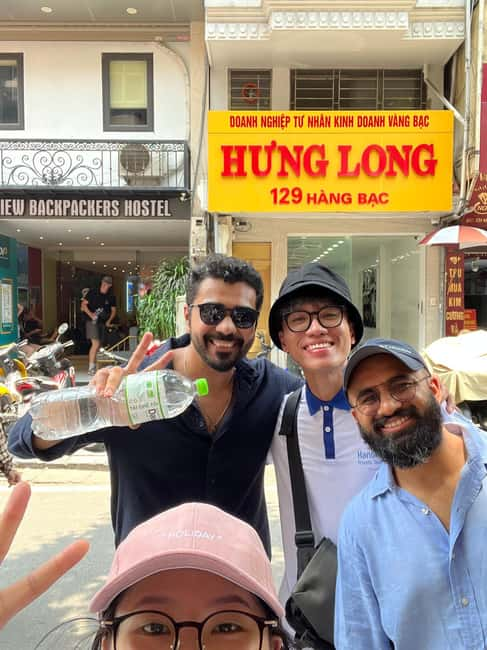
Local student guides speak English and wear blue and white uniforms. Mai Anh is one named guide, and her approach includes stories, facts, and time for conversation. That matters here. The Old Quarter is full of small questions, and a friendly guide who can explain local details adds more value than a rigid script.
You can request a preferred time because the schedule is flexible. An early start may suit you if you prefer a quieter walk, while an afternoon departure may work better if you want a slower morning. The available start times should be confirmed when you book.
Wear shoes you can walk in for four hours. Dress modestly for the temples, with no tank tops and no shorts above the knee. Bring money for optional coffee, entry fees, and market purchases.
The activity offers free cancellation up to 24 hours before the start time, and you can reserve now and pay later. Those terms are useful if your Hanoi schedule is still shifting.
Who will get the most from this walk
I would recommend this experience to first-time visitors who want a clear introduction to Hanoi’s Old Quarter without spending much. It also suits people who prefer questions and conversation over a recorded audio guide.
It is a good match for families with older children, couples, small groups, and solo visitors who want local company while finding their bearings. The group size of up to 10 keeps the cost low, and the short walking distance between sights makes the route easy to understand.
You should choose something else if you want a food tour with included tastings, a vehicle-based city tour, or a detailed architectural lecture at every building. Those are not the promise here. This is a flexible neighborhood walk with several cultural stops and optional extras.
The experience may also suit you if you want to shape the route. You can discuss additional places with the guide, though you will cover any extra entrance fees yourself. That flexibility is useful when you already have a list of priorities.
Should you book Hanoi Old Quarter Vibes?
Book it if you want an affordable, human introduction to Hanoi’s oldest commercial center. The best parts are the 36 trade streets, Dong Xuan Market, the temple visits, and the chance to ask a local student guide about what you are seeing.
Treat the $5 as the price for guiding, not an all-inclusive ticket. Add the 87 Ma May house if traditional architecture matters to you, and add egg coffee if you want a classic Hanoi taste. Go with comfortable shoes, modest clothing, and a little spending money.
I would choose this walk early in a Hanoi stay. It gives you useful street knowledge, points out places you may want to revisit, and helps the Old Quarter feel more like a lived-in neighborhood than a confusing collection of lanes.
FAQ
How long does the Hanoi Old Quarter tour last?
The walking experience lasts four hours.
How much does the activity cost?
The price is $5 per group of up to 10 people.
Is hotel pickup included?
Pickup is included for hotels in Hanoi’s Old Quarter. The guide meets you in person in the hotel lobby or at a nearby public meeting point, and the tour then continues on foot.
Is the tour conducted in English?
Yes. The live guides speak English.
Which places are included in the walk?
The included places are Hanoi’s Old Quarter, Dong Xuan Market, White Horse Temple, and No. 48 Hang Ngang Street, associated with Ho Chi Minh’s residence.
Is egg coffee included in the price?
No. Egg coffee at Giảng or Đinh Coffee is an optional extra that you pay for separately.
Do I need to pay to visit 87 Ma May Street?
The visit to the Ancient House at 87 Ma May Street is not included. Any entrance fee for that extra activity is paid by you.
Just added to the Hanoi list
- (TOP) Private car: Hanoi/Noi Bai Airport (HAN) from/to Ninh Binh★ 3.5 · 16 reviews
- Thang Long Water Puppet Theater★ 4.5 · 45 reviews
- Private car transfer from Hanoi Airport to Hotels★ 4.5 · 5 reviews
- Private Tour Ninh Binh 1 Day★ 5.0 · 5 reviews
- Private Hanoi Old Quarter Food Tour with 8+ Authentic Tastings★ 5.0 · 11 reviews
- Private Transfer Service from Hanoi to Ha Long Bay★ 5.0 · 3 reviews
- Private Transfer Between Hanoi City and Noi Bai Airport (HAN)★ 5.0 · 3 reviews
- Private Hanoi Food Walking Tour of the French Quarter★ 5.0 · 38 reviews
Hanoi Old Quarter Tours, compared.
[HOT] Hanoi Old Quarter Walking Street Food – Small Group Tour
Read our review →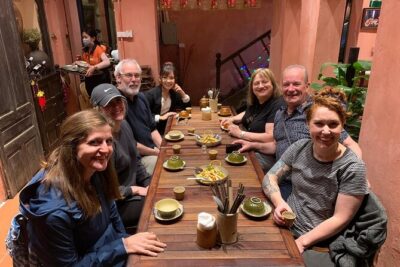
Hanoi Food Tours in Hanoi Old Quarter (Small Group/Private)
Read our review →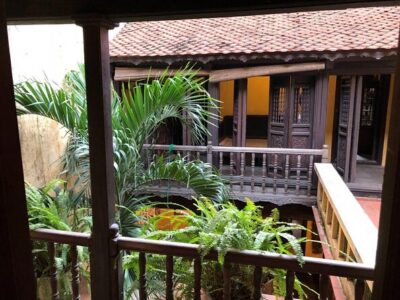
Hanoi Old Quarter Private Walking Tour with Student Guide
Read our review →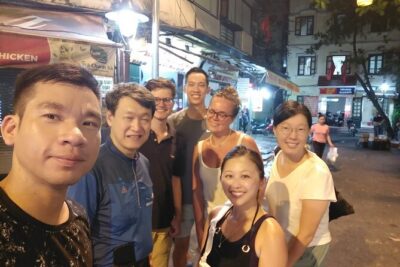
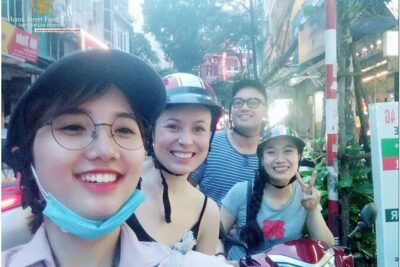
Hanoi old quarter sightseeing & street food eating by Motorcycle
Read our review →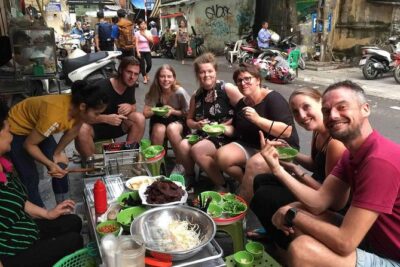
Private Street Food Tour – Walking Hanoi Old Quarter
Read our review →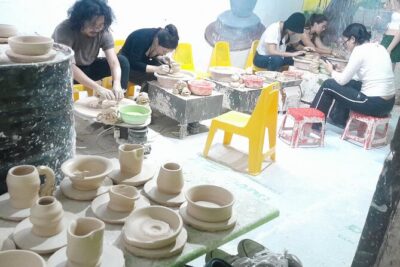
Bat trang Pottery Class in Hanoi Old Quarter/Handmade experience
Read our review →
Bat trang Pottery Ceramics Class in Hanoi’s Old Quarter | VN
Read our review →Browse the lists this tour appears in