
Reviewed · HANOI
Hanoi Hidden Site: Immersive Spiritual & Cultural Experience
Hanoi reveals its private side on this three-hour tour through old temples, small pagodas, and the lakeside shrine of Phu Tay Ho. I like the chance to take part in traditional offerings, and I like that the guide explains how Buddhism, Confucianism, Taoism, and folk belief shape daily life. The motorbike option adds excitement, but traffic and the quick schedule may not suit everyone.
I especially value the stop at Bach Ma Temple, Hanoi’s oldest temple, and the simple food break by West Lake. Justin, Joy, and Liam bring warmth and clear explanations, with Justin praised for his insight into local life and history. If you avoid shrimp, tell the guide early, since the usual snack is West Lake shrimp cake, though an alternative such as mango sticky rice may be arranged.
Key points to know before booking
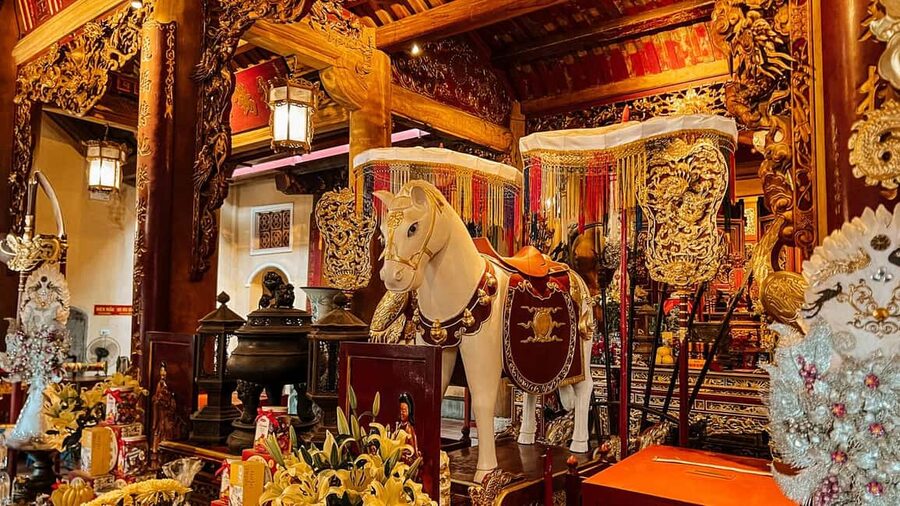
- Bach Ma Temple at the start: Enter Hanoi’s oldest temple and hear the legend of the White Horse spirit.
- Small spiritual sites: Visit quiet sanctuaries such as Chua Ba Da or Dinh Yen Thai, reached through narrow city lanes.
- Hands-on offerings: Buy items at a local market and take part in dâng sớ and hóa vàng with guidance from your host.
- Motorbike or car choice: A scooter ride brings you closer to Hanoi street life, while a car offers a calmer transfer.
- West Lake food stop: Try crisp Bánh Tôm Hồ Tây beside the lake, with an alternative possible for those who do not eat shrimp.
- Short private experience: Three hours works well for a focused cultural outing, but the pace leaves little time for lingering.
Hanoi’s spiritual life beyond the usual sights
Many first visits to Hanoi focus on street food, train tracks, Hoan Kiem Lake, and the Old Quarter’s shopfronts. This tour takes another route. It shows you how worship fits into ordinary city life, from a centuries-old temple hidden among busy streets to a family-style shrine beside West Lake.
I like this approach because Hanoi’s religious life is not locked away in one grand monument. It appears in small altars, temple courtyards, paper offerings, household customs, and quiet acts of respect. Your guide connects these details to feng shui, ancestor worship, and the mixture of Buddhist, Confucian, Taoist, and folk practices found in Vietnam.
The tour costs $36 per person. That is a fair price if you want a private or small-group introduction with transport, a guide in English, temple visits, help with the offerings, and a snack. It is less compelling if you only want a list of major sights, since most of the value comes from explanation and participation rather than entrance-heavy sightseeing.
You can start at 9:00 in the morning or 13:30 in the afternoon. Hotel pickup is offered in Hanoi’s Old Quarter by motorbike or car, depending on the option you choose. If you stay outside that area, you need to reach the provider’s office or meeting point first.
Other ways to fill a day around Hanoi:
- Hanoi Jeep Tour: Food, Culture and Fun by Vietnam Army Jeep
★ 5.0 · 15,222 reviews - Full-Day Ninh Binh Highlights Tour from Hanoi
★ 5.0 · 7,761 reviews - Hanoi: Ha Long Bay Day Cruise – Swimming, Meal, Kayaking
★ 4.7 · 7,415 reviews
Bach Ma Temple and the White Horse legend
The first major stop is Bach Ma Temple, also known as the White Horse Temple. It sits inside the Old Quarter, where city traffic and commerce surround an older, more inward-looking place of worship.
The temple is linked to the founding of ancient Thang Long, the former name of Hanoi. Your guide explains the White Horse spirit and the part this sacred figure played in protecting the city. The visit lasts about 30 minutes, which is enough for an introduction to the temple, its story, and its role in Hanoi’s religious past.
I like that this stop gives you context before the tour moves to smaller sites. You are not simply looking at carved wood, incense, and painted figures. You learn why the temple matters and how legends helped people understand and defend the city.
The short visit has a tradeoff. You will not have time for a slow architectural study or a long period of quiet reflection. If you want to examine every detail, the schedule may feel brisk. For most people, though, Bach Ma works well as a first lesson in Hanoi’s spiritual traditions.
Small pagodas in Hanoi’s narrow lanes
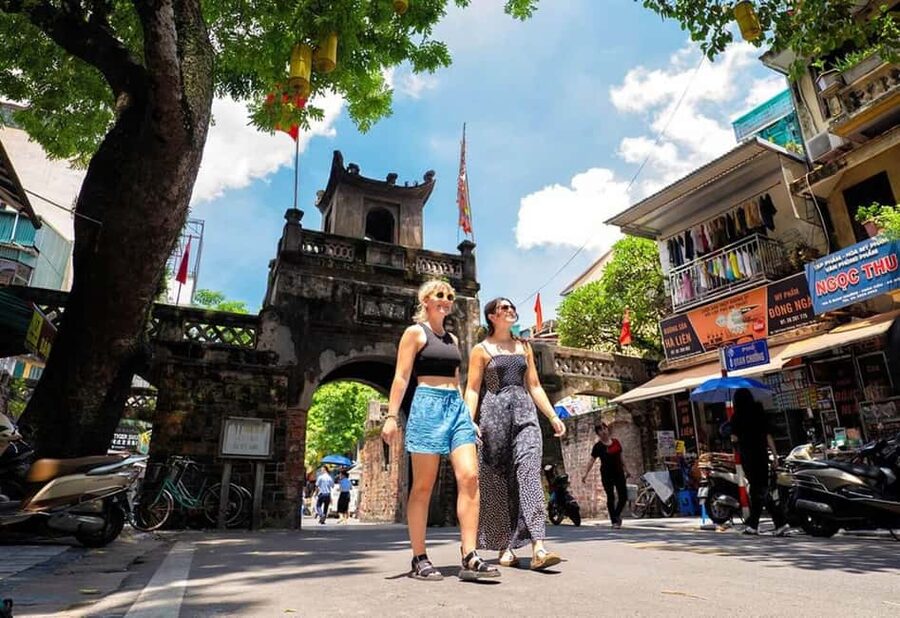
Next, the route leads into less obvious corners of the city. Possible stops include Chua Ba Da or Dinh Yen Thai, small religious sites tucked behind alleyways and away from the main sightseeing route.
These places offer a different feel from Bach Ma. The scale is smaller, and the setting can make the worship feel more connected to neighborhood life. You may see architectural details that are easy to miss without a guide, along with signs of the way religious practice has continued through years of change.
I find this part of the tour especially useful if you have already seen Hanoi’s main landmarks. The guide helps you notice the quiet features: the arrangement of a courtyard, the purpose of a shrine, the meaning of an offering, or the way a temple fits into a narrow urban block.
The exact small-site visit can vary, so do not expect a fixed collection of famous monuments. That is part of the appeal, but it also means the experience is less predictable than a standard city highlights tour. You should be comfortable walking into compact, active places of worship rather than expecting a polished museum-style visit.
Phu Tay Ho and Mother Goddess worship
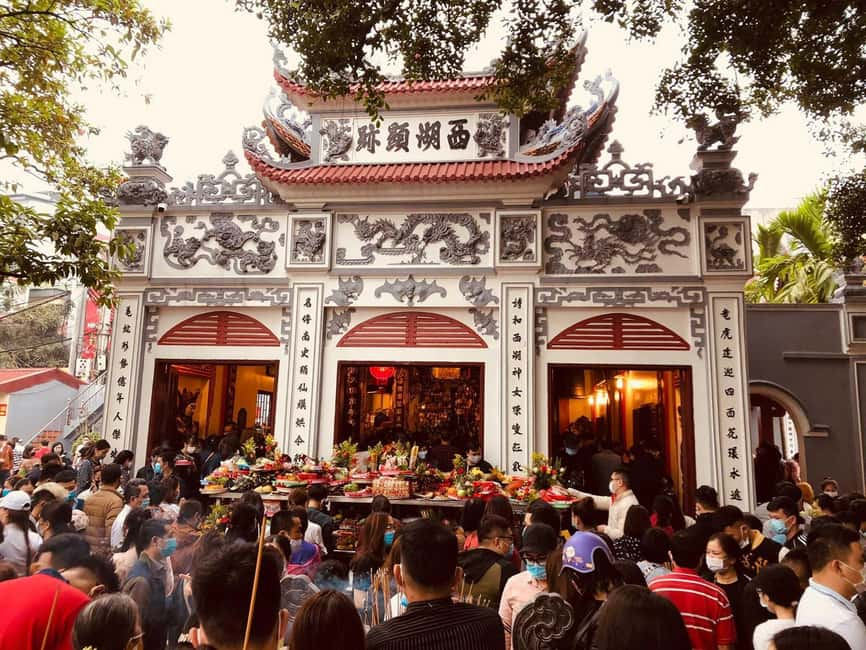
The tour then moves to Phu Tay Ho, a major shrine beside West Lake. This is the spiritual center of the experience, especially if you want to understand Mother Goddess worship in Vietnam.
At a local market, you help buy items for a traditional offering. Your host explains dâng sớ, the submission of a paper prayer, and hóa vàng, the ritual burning of symbolic money. You are guided through the process rather than left to guess what to do.
This participation gives the tour more meaning than simply standing in front of a shrine for a photograph. You get to see how an offering is prepared and how ritual actions connect people with family, luck, protection, and spiritual hopes. The guide also discusses ancestor worship and feng shui, including the way older beliefs can influence house layout and daily decisions.
Please approach this part with respect. These are living religious practices, not a staged performance. Follow the guide’s instructions, watch how people around you behave, and ask before taking photographs if you are unsure.
Phu Tay Ho is also a useful place to understand Vietnam’s blended religious culture. Categories that seem separate to a visitor often overlap in local life. A family may honor ancestors, visit a Buddhist pagoda, follow feng shui advice, and take part in folk rituals without treating these practices as contradictory.
Something completely different for the rest of your time in Hanoi:
- Hanoi: Water Puppet Show Tickets
★ 4.6 · 7,029 reviews - Hanoi Motorbike Tour: Food, Culture and Fun by Vintage Motorbike
★ 5.0 · 6,699 reviews - Hanoi: Guided Food Tour with Train Street Visit
★ 4.9 · 6,239 reviews - Hanoi Cooking Class: Culture, Local Market & Meaning CSR Impact
★ 5.0 · 5,147 reviews
A West Lake snack with a local setting
The food stop comes by West Lake, where you can try Bánh Tôm Hồ Tây, or West Lake shrimp cake. The dish is a crisp fritter made with shrimp, and it gives the tour a simple food element without turning the whole outing into a street-food crawl.
I like the setting here. After the temple visits and explanations, sitting beside the lake gives you a pause to take in what you have seen. The food also connects the cultural discussion to everyday life. You are not only learning about ceremonies, but also about how people eat, gather, and spend time around one of Hanoi’s best-known bodies of water.
If you do not eat shrimp, tell the guide. One guest was offered mango sticky rice instead, so an alternative may be possible, but it is best to raise dietary needs before the food stop rather than assume a full replacement is included.
This is a tasting, not a large meal. If you are hungry, plan another meal later. The snack works as a pleasant finish to the cultural part of the tour, not as a substitute for lunch or dinner.
Motorbike or car: choosing the right pace
The motorbike option is one of the most distinctive parts of the outing. A scooter ride through Hanoi gives you a close view of traffic, lanes, shopfronts, and the constant motion of the city. One guest described the ride itself as exciting, while another toured by motorbike with Justin and found the transport added to the sense of local life.
I would choose the motorbike if you are comfortable riding in city traffic and want the journey between stops to be part of the experience. It can make Hanoi feel immediate and lively. You also avoid being sealed away from the streets during short transfers.
Choose the car if you prefer a calmer ride or feel uneasy on a scooter. The tour still includes the same central cultural themes, but you may miss some of the direct street-level feeling that makes the motorbike option memorable.
The tour is private-group friendly, which is useful if you want to ask many questions or need the guide to adjust the pace. The total duration is three hours, including transportation and the food stop. That makes it easy to fit into a busy Hanoi schedule, but it also means you should not expect long visits at every temple.
What the guides add to the experience
The guides named for this experience include Joy, Liam, and Justin. Justin received especially strong praise for explaining temple traditions, Hanoi history, Vietnamese life, and food culture in a clear and engaging way.
That range matters. A useful guide here needs to do more than identify statues or repeat dates. You want someone who can explain why a ritual exists, how a belief appears in daily life, and what you should do when entering a sacred place. The best moments of this tour come from that conversation.
Joy, Liam, and Justin were also described as kind and accommodating, including when a guest needed a food alternative. That suggests a warm, flexible style, but the specific guide assigned to you may vary. If you have a special interest in history, religion, architecture, or food, mention it at the start so your guide can shape the discussion.
The English-language guiding is a central part of the value. Without it, the temples and offerings could be interesting but difficult to interpret. With it, small details become part of a larger picture of Hanoi.
Who should book this Hanoi experience?
I would recommend this tour to you if you want more than the standard Old Quarter circuit. It suits first-time visitors who want a clear introduction to Vietnamese religious customs, as well as returning visitors who have already seen the major city sights.
It is also a good match for people who enjoy conversation, local food, and cultural participation. The dâng sớ and hóa vàng activity gives you something to do, not just something to watch. Families, couples, and private groups may appreciate the flexible format, provided everyone is comfortable visiting active places of worship.
You may want a different tour if your main goal is a full food tour, a long architectural walk, or a relaxed half-day at West Lake. The snack is modest, the temple visits are brief, and the schedule includes several transfers. The experience favors variety and interpretation over extended time at one location.
Dress and behavior should be respectful for religious sites. The provided information does not specify a formal dress code, so ask your guide if you are uncertain about what is suitable. Bring an open mind, and remember that participation should be polite rather than theatrical.
You can cancel up to 24 hours before the start for a full refund, and the reserve-now, pay-later option keeps payment flexible. Check the available start time when booking, since the morning and afternoon departures may not be offered in exactly the same way every day.
FAQ
How long does the Hanoi spiritual and cultural tour last?
The experience lasts three hours, including the temple visits, cultural explanations, offering activity, food stop, and return to the Old Quarter.
What time does the tour start?
You can choose a listed departure time of 9:00 or 13:30. Availability should be checked when you book.
Is hotel pickup included?
Pickup is available from hotels in Hanoi’s Old Quarter. If your hotel is outside the Old Quarter, you need to go to the provider’s office or meeting point.
Can I choose a motorbike or car?
Yes. The tour can begin with transport by motorbike or car, depending on the option you select.
What food is included?
The food stop includes Bánh Tôm Hồ Tây, a West Lake shrimp cake. An alternative may be available if you do not eat shrimp, such as mango sticky rice.
Is the tour available as a private group?
Yes. A private-group option is available, and the live guiding is in English.
Should you book it?
Book this experience if you want Hanoi explained through worship, neighborhood temples, local customs, and a small taste of West Lake food. The strongest reasons are the hands-on offering ritual, the chance to visit places beyond the usual route, and the guides’ personal explanations, especially the insight associated with Justin.
Skip it if you want a slow temple visit, a substantial meal, or a broad survey of every major Hanoi landmark. At $36 for three hours, it offers good value for cultural context and local transport, but its success depends on your interest in religion and conversation. For the curious visitor, it is a thoughtful way to see how Hanoi’s spiritual life continues alongside its busy streets.
Just added to the Hanoi list
- Pu Luong Nature Reserve 3 days★ 5.0 · 6 reviews
- Mai Chau 2 days 1 night Pu Luong Adventure★ 5.0 · 10 reviews
- Private transfers from Hanoi to Ninh Binh or Ninh Binh to Hanoi★ 4.5 · 63 reviews
- Pu Luong 3-Day Adventure: Trekking, Cycling & Local Cooking Class★ 5.0 · 26 reviews
- Private transfer between Hanoi and Halong★ 5.0 · 51 reviews
- Private transfer between Hanoi – Ninh Binh one way trip★ 5.0 · 31 reviews
- Private Transfer from Hanoi Airport HAN to Old Quarter★ 5.0 · 16 reviews
- Private kid-friendly Hanoi food tour with a taste of great dishes★ 5.0 · 18 reviews