
Reviewed · HANOI
Ha Noi: Traditional Knife Making in Blacksmith Village
The most memorable part of this Hanoi experience is simple: you do not just watch a blacksmith work. You help turn hot iron into a usable kitchen knife in Da Sy village, a place where forging has supported local families for centuries. I like the hands-on format and the chance to learn from a working craft community rather than a staged tourist display.
I also like that the finished knife is genuinely yours, not a souvenir picked from a shelf. The main consideration is practical: sparks, heat, hammers, and sharp metal mean you need sensible clothing, and the knife may be awkward to carry if you are traveling without check-in luggage.
Key points to know before you book
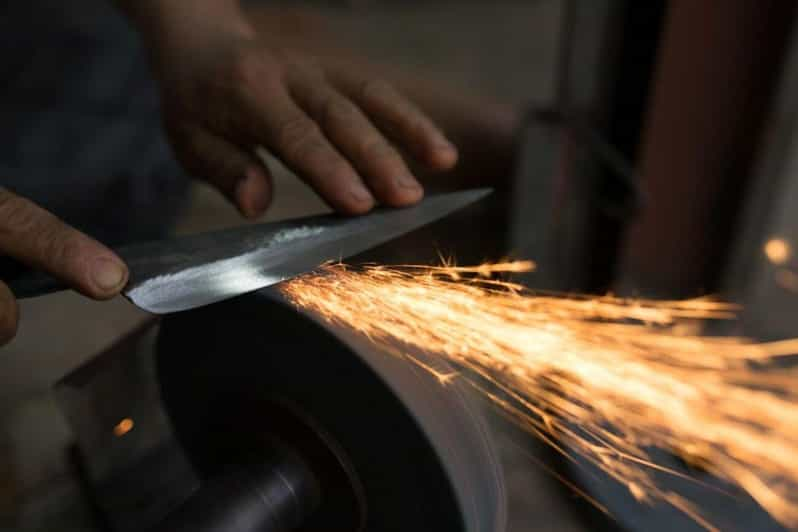
- Forge your own kitchen knife: You take part in shaping, strengthening, and sharpening a simple blade.
- Visit Da Sy in Ha Dong: The village has a long forging tradition and once helped supply weapons during wartime.
- Learn the full process: The session covers rough shaping, hammering, tempering in water, and final sharpening.
- Expect a working craft setting: This is a local workshop experience, not a polished museum demonstration.
- Plan your clothing carefully: Long sleeves, long pants, comfortable shoes, eye protection, and a mask are recommended or provided.
- Allow 2.5 hours: Start times can be flexible, but you should arrange your preferred time in advance.
Da Sy village and Hanoi’s old forging trade
Da Sy is in Kien Hung Commune, Ha Dong Town, Hanoi. The village is known for its blacksmithing trade, and the work has shaped daily life there for generations.
During Vietnam’s wars, Da Sy was an important source of weapons for the Vietnamese military. After peace returned around 40 years ago, local smiths shifted their attention back to civilian goods. Agricultural tools, machinery parts, ploughs, rakes, and kitchen implements became the main products.
That change tells you something useful about the activity. You are not visiting a place that only performs an old craft for visitors. Forging has practical roots here. The knife-making lesson gives you a short introduction to a trade that has adapted to changing times while keeping its basic methods alive.
Modern machines now assist many village blacksmiths, but traditional handwork still matters. Hammering hot metal into shape, cooling it correctly, and sharpening it well all require control. You will see why a finished knife is the result of several separate jobs, not one dramatic strike on an anvil.
Other ways to fill a day around Hanoi:
- Hanoi Jeep Tour: Food, Culture and Fun by Vietnam Army Jeep
★ 5.0 · 15,222 reviews - Full-Day Ninh Binh Highlights Tour from Hanoi
★ 5.0 · 7,761 reviews - Hanoi: Ha Long Bay Day Cruise – Swimming, Meal, Kayaking
★ 4.7 · 7,415 reviews
What happens during the 2.5-hour workshop
The experience takes you through the main stages of making a simple knife. The exact order and pace may vary, since timings can be flexible, but the work follows the traditional sequence.
You begin by learning about the village and the basic purpose of each tool. An English-speaking facilitator helps explain the process, while local artisans provide the practical instruction. This arrangement is useful because you can ask questions in English while still learning from people who work with the materials directly.
The first physical stage is rough shaping. The metal starts as a basic piece that must be formed into the outline of a blade. The goal at this point is not a perfect finish. You are setting the general shape before the finer work begins.
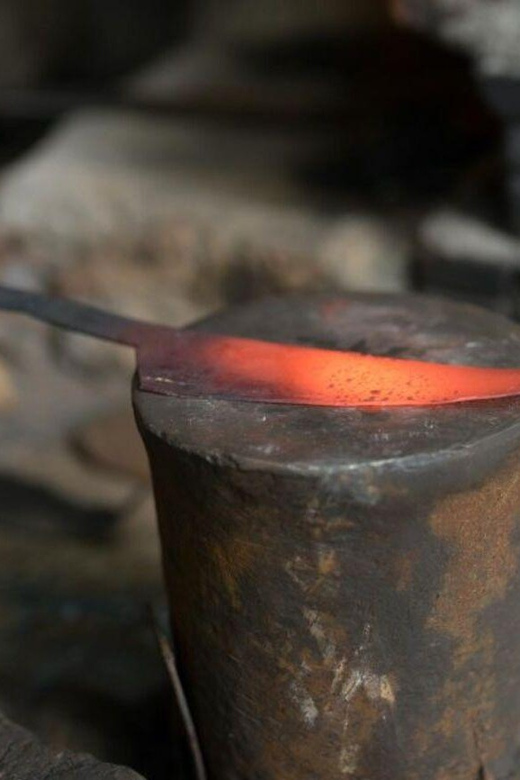
Next comes the part most people picture when they hear the word blacksmithing: heating the iron and striking it with a hammer. The metal must be hot enough to move, but the process still demands care. You will learn the basic technique for working the red-hot material into shape rather than simply watching an artisan do it all.
This is a controlled experience, not a test of strength. The point is to take part safely and understand the method. The activity includes the required tools and materials, along with a mask and eye protection accessories. Still, you should follow instructions closely and avoid loose or unsuitable clothing.
After shaping comes tempering. The newly formed metal is strengthened by cooling it in water. This stage matters because the final knife needs more than a pleasing outline. It must also have a blade that can hold up to normal kitchen use.
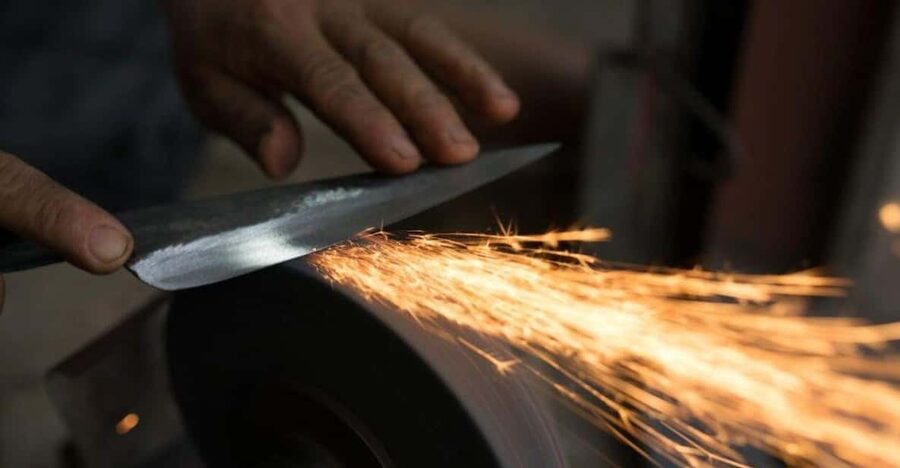
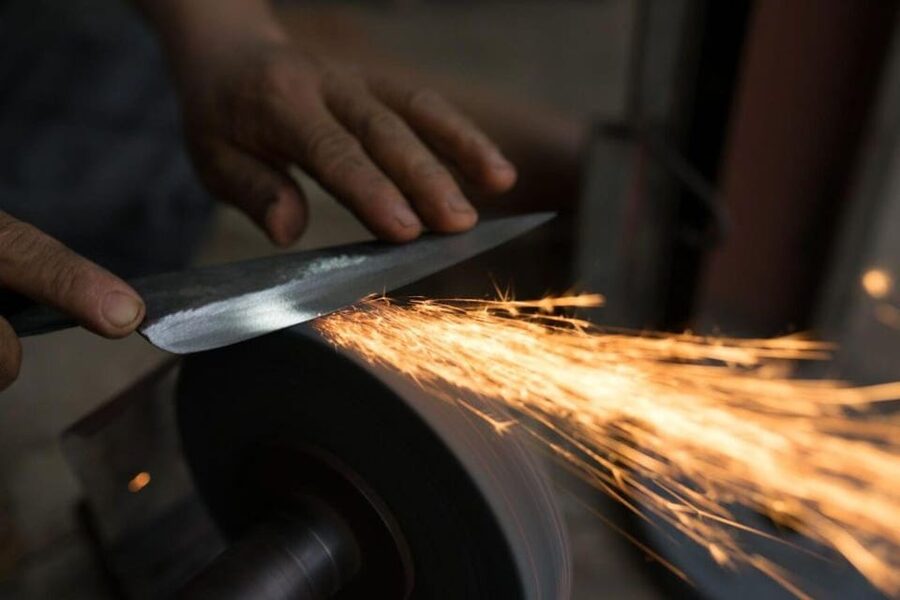
The last major step is sharpening. This gives the knife its working edge and changes it from a rough forged object into something practical. Once the work is finished, the knife is yours to take home. A protective cover is not included, so you need to plan how you will store and transport it.
Why making one knife is worth your time
A short workshop cannot turn you into a professional blacksmith. What it can do is show you how many decisions sit behind an everyday object.
A kitchen knife looks simple when you buy one in a shop. In Da Sy, you see the stages hidden behind that simplicity: heat, shape, force, cooling, and sharpening. That makes the finished item more meaningful, especially because you have helped create it.
I particularly like the sense of participation here. Many craft demonstrations leave you standing at the edge of the work area while an expert performs every step. This experience is designed to give you a safe amount of involvement. You contribute without being expected to master a difficult trade in one afternoon.
The activity also connects you with a local community in a direct way. You learn about Da Sy’s past, but you also see how the village moved from military supplies to farming tools, machine parts, and kitchen goods. That practical story is more useful than a broad history lecture because it explains why the craft survived.
The knife is also a better souvenir than a mass-produced trinket. It has a clear connection to the place, and you can use it at home. Just remember that the item is sharp and that no knife cover is supplied.
What the setting may feel like
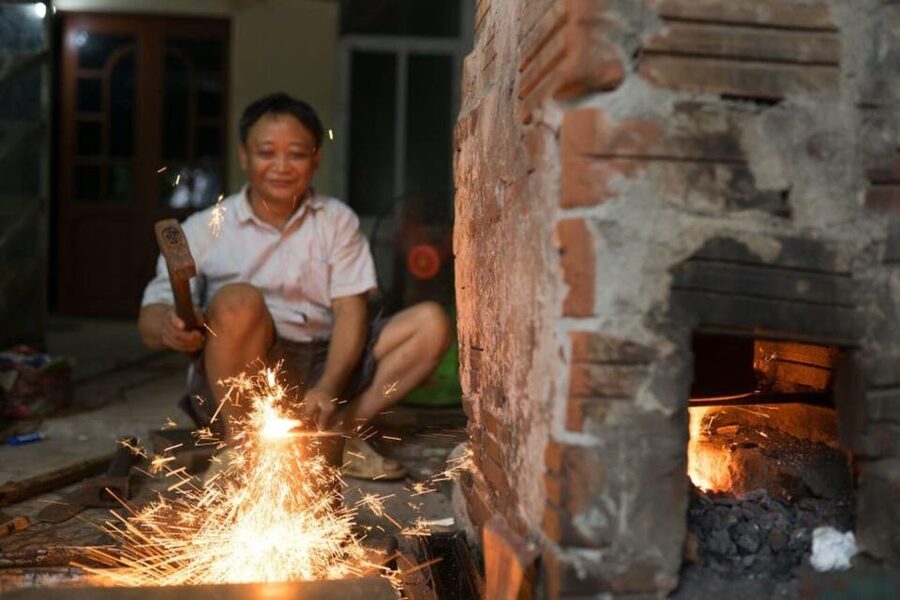
You should expect a working village workshop rather than a quiet craft studio. Forging involves heat, noise, tools, and metal. That is part of the appeal, but it may not suit someone looking for a gentle or fully relaxed activity.
The experience is best approached with curiosity and patience. You may find that the work feels less polished than a commercial cooking class or a museum program. In return, you get closer to the ordinary conditions of a living trade.
A previous participant described the activity as a welcome change from usual sightseeing, with enough involvement to feel personally responsible for the result while still feeling safe. That balance is important. You are not left to manage hot metal alone, but you are also not reduced to an observer.
The local setting also keeps the experience away from the most familiar tourist pattern. It takes you toward Da Sy and its forging tradition instead of keeping you among Hanoi’s major sightseeing stops. If your schedule is tight, this means you should allow time for reaching the meeting point and returning afterward, since hotel transfers are not included.
Something completely different for the rest of your time in Hanoi:
- Hanoi: Water Puppet Show Tickets
★ 4.6 · 7,029 reviews - Hanoi Motorbike Tour: Food, Culture and Fun by Vintage Motorbike
★ 5.0 · 6,699 reviews - Hanoi: Guided Food Tour with Train Street Visit
★ 4.9 · 6,239 reviews - Hanoi Cooking Class: Culture, Local Market & Meaning CSR Impact
★ 5.0 · 5,147 reviews
Clothing, luggage, and other practical details
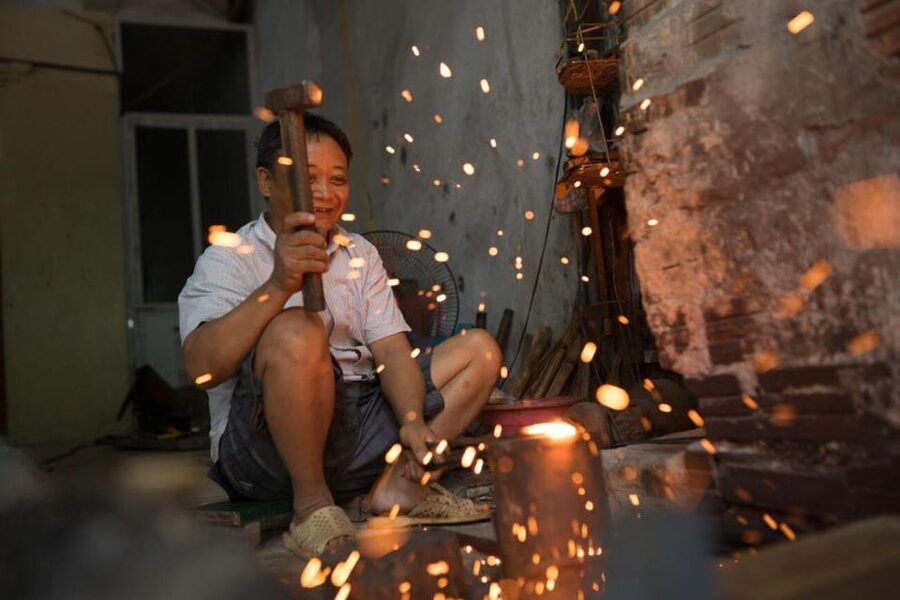
Wear long sleeves and long pants. This is not just a style suggestion. Sparks can fly during forging, and more coverage gives your skin some protection. Comfortable shoes are also listed as essential, and you should avoid dresses.
Large bags and luggage are not allowed during the activity. Bring only what you need for the session. The workshop supplies equipment, tools, materials, a mask, and eye protection accessories.
The knife is included in the price, but a knife cover is not. More important, you need check-in luggage if you plan to fly with it. Do not assume you can place the finished blade in a carry-on bag. Arrange your packing before the workshop, particularly if this activity falls near the end of your Vietnam trip.
The meeting point is provided when you book, and you are asked to arrive five minutes early. A WhatsApp number is requested so the activity provider can contact you easily. The activity finishes back at the meeting point.
The experience is not suitable for wheelchair users or people with mobility impairments. The work environment and the need to move around tools and hot metal make this an important limitation, not a minor footnote.
Is $66 a fair price?
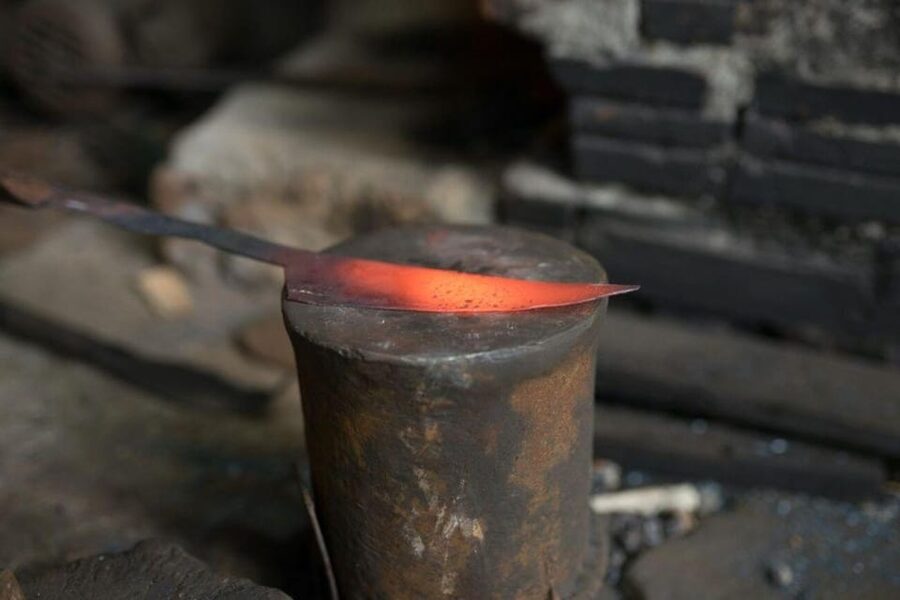
At $66 per person, this is not the cheapest way to spend 2.5 hours in Hanoi. You are paying more than you would for a basic sightseeing stop or a simple market visit.
The value comes from the combination of instruction, materials, equipment, local access, and the knife you take home. You are not paying just for a demonstration. The price covers the chance to participate in each main stage, with an English-speaking facilitator to help you follow along.
It also includes light refreshments, which are a small but welcome addition. The real value, though, is the personal object and the context behind it. If you like craft, food culture, practical souvenirs, or activities that give you something to talk about later, the cost is easier to justify.
I would be less enthusiastic about the price if you only want to take photographs or watch an expert. This activity earns its fee through participation. If you are not interested in handling tools or wearing workshop clothing, there are cheaper and easier ways to fill an afternoon.
Hotel transfer is not included, and other personal expenses are separate. Since the precise meeting point and travel arrangements are not supplied here, check the location carefully before booking and allow enough time to reach Da Sy.
Who will enjoy this experience most
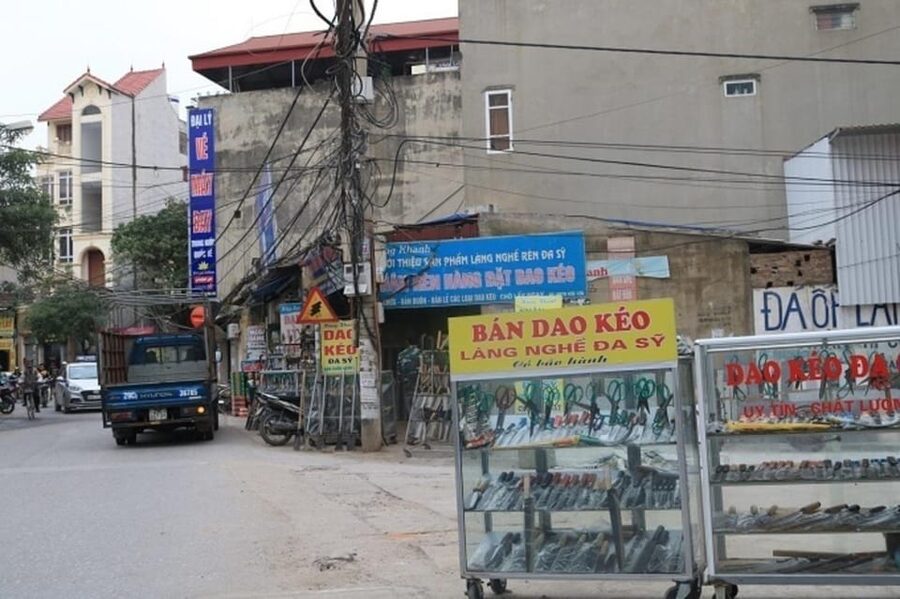
This is a strong choice for adults, couples, families with suitable older children, and anyone who prefers making something to simply seeing another landmark. It also works well for repeat visitors to Hanoi who want an activity outside the usual food, temple, and museum circuit.
You will probably enjoy it most if you like practical skills and do not mind a little heat, noise, and mess. The result does not need to be perfect to be satisfying. In fact, small marks from the hand-forging process are part of what makes the knife personal.
It is less suitable if you have limited mobility, dislike workshop conditions, or cannot carry a knife in check-in luggage. It is also not ideal for a traveler with only a small carry-on bag.
The English-speaking support helps, but the activity is still physical and visual. You will learn by watching, listening, and following demonstrations rather than through a long classroom lesson.
Timing, flexibility, and booking advice
The stated duration is 2.5 hours, and starting times are arranged according to availability. Timings can be flexible, so send a message after making your reservation if you have a preferred date and time.
The operator offers free cancellation up to 24 hours before the activity for a full refund. You can also reserve now and pay later, which helps if your Hanoi plans are still shifting.
Because no hotel transfer is included, confirm the meeting point and route before the day. Arrive five minutes early and keep your WhatsApp available for contact. These small steps matter more here than on a standard city attraction because the experience begins at a specific local workshop.
The activity ends at the same meeting point. That makes planning easier once the forging is finished, but you still need to arrange your own way there and back.
The finished knife and taking it home
The knife is the clearest reason to pack carefully. You will leave with a blade you helped shape, temper, and sharpen. That gives it a useful connection to both Hanoi and your own time in the workshop.
No knife cover is included, so protect the blade properly after the session. More importantly, make sure you have check-in luggage for your journey home. The activity information specifically warns you about this, and it should be treated as a booking requirement.
If you are flying onward without checked baggage, think twice before booking. The knife may be a fine souvenir, but it is not a convenient one for a carry-on-only trip.
Should you book the Da Sy knife-making workshop?
Book this if you want hands-on local craft, a useful souvenir, and a short break from Hanoi’s standard sightseeing route. The activity gives you a clear role, introduces a real village trade, and keeps the session manageable at 2.5 hours.
Skip it if you want a quiet cultural visit, have mobility limitations, or cannot check luggage. Also think carefully about clothing and comfort. Heat and sparks are part of the experience, not an occasional surprise.
For the right person, $66 buys more than a knife. It buys a practical look at how a village trade works and the satisfaction of taking home something shaped by your own effort. That is a fair exchange for an afternoon away from the usual city circuit.
FAQ
Where does the knife-making activity take place?
It takes place in Da Sy village, in Kien Hung Commune, Ha Dong Town, Hanoi. The listed location is Dong Bac, Vietnam.
How long does the experience last?
The activity lasts 2.5 hours. Starting times depend on availability, and timings can be flexible if you request a preferred date and time.
What will I make during the workshop?
You will make a simple knife. The session covers rough shaping, hammering heated metal, tempering it with water, and sharpening the finished blade.
Can I take the knife home?
Yes. A knife is included and you can take it home after the workshop. A knife cover is not included.
Do I need check-in luggage?
Yes. You should have check-in luggage to carry the knife home, especially if you are flying. Do not plan to carry it in cabin baggage.
What should I wear?
Wear long sleeves, long pants, and comfortable shoes. Dresses are not recommended because the activity involves sparks and hot metal.
Is transportation from my hotel included?
No. Hotel transfer service is not included. You meet at the designated meeting point and return there when the activity ends.
Is the workshop suitable for wheelchair users?
No. The activity is not suitable for wheelchair users or people with mobility impairments.
Is the activity taught in English?
Yes. An English-speaking facilitator is included.
Can I cancel the booking?
You can cancel up to 24 hours in advance for a full refund. Reserve now and pay later is also available.
Just added to the Hanoi list
- Pu Luong Nature Reserve 3 days★ 5.0 · 6 reviews
- Mai Chau 2 days 1 night Pu Luong Adventure★ 5.0 · 10 reviews
- Private transfers from Hanoi to Ninh Binh or Ninh Binh to Hanoi★ 4.5 · 63 reviews
- Pu Luong 3-Day Adventure: Trekking, Cycling & Local Cooking Class★ 5.0 · 26 reviews
- Private Transfer from Hanoi Airport HAN to Old Quarter★ 5.0 · 16 reviews
- Private transfer between Hanoi and Halong★ 5.0 · 51 reviews
- Private transfer between Hanoi – Ninh Binh one way trip★ 5.0 · 31 reviews
- Private kid-friendly Hanoi food tour with a taste of great dishes★ 5.0 · 18 reviews