
Reviewed · SAPA TOURS FROM HANOI
From Hanoi: 2-Day Overnight Sapa Tour by Limousine
Sapa is at its best on foot, and this tour gets you quickly from Hanoi to the trails that matter. You will walk through Black H’mong and Dzay villages, cross the Muong Hoa Valley area, and see rice terraces and mountain scenery rather than spending your whole visit in town. The long second-day trek is the real prize.
I like the comfortable 9-seater limousine and the way the tour includes hotel accommodation, meals, village transfers, and entry fees in one price. I also like the guides, especially Ai, whose calm help on steep paths made a strong impression, and Lala, who was praised for her friendly care. The main caution is the schedule: the drive takes about six hours each way, and the second day includes a demanding 9-kilometer walk that can be slippery in rain.
Key points to know before booking
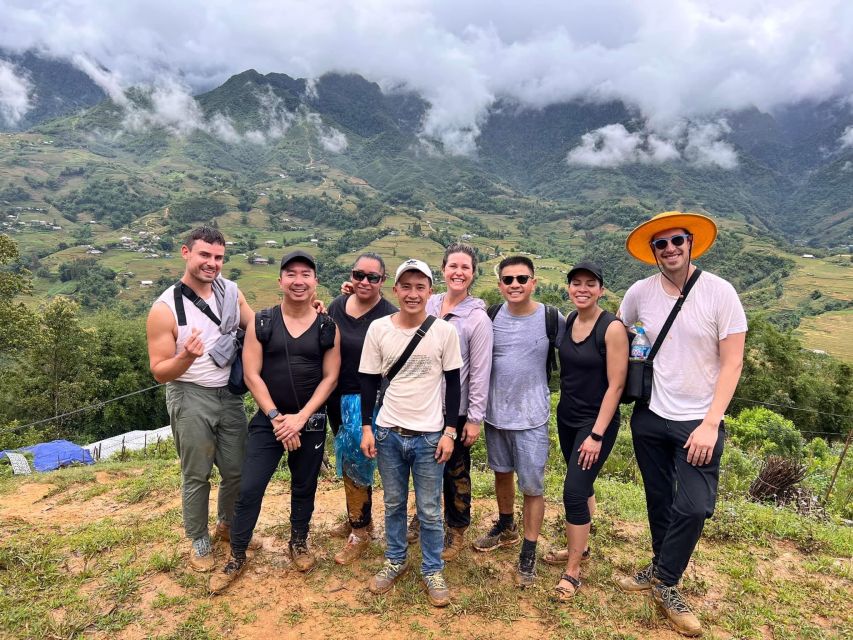
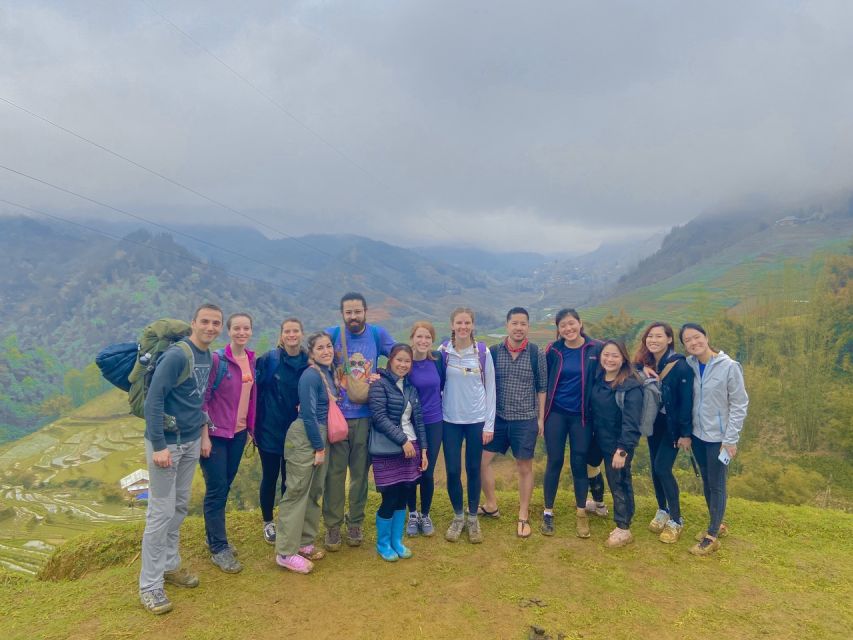
- The 9-kilometer trek is the highlight: You walk from Y Linh Ho through Lao Chai and onward to Ta Van, with rice terraces and valley views along the route.
- Transport is usually a roomy limousine: The vehicle has wide seats and good legroom, though pickup and vehicle arrangements have occasionally been disorganized.
- You sleep in Sapa, not on the mountain trail: The package includes one night in a 3 or 4-star hotel, depending on the option you select.
- The village visits mix real life with tourism: Sin Chai is simple and rural, while some parts of the first afternoon route feel arranged for visitors.
- Weather changes quickly: Bring warm layers, a hat, sturdy shoes, and rain-ready clothing, especially from September through March.
- The price covers the costly basics: At $150 per person, you get round-trip transport, meals, guiding, lodging, local transfers, and entrance fees.
Why this two-day Sapa trip works
Sapa is a long way from Hanoi, so a quick visit needs careful planning. This package takes care of the main pieces: transport, a hotel, food, guiding, and the short transfers needed around Sapa. You can book the trip for $150 per person, which is a fair price if you want a guided mountain visit without arranging each part yourself.
The value is strongest for a first visit. You do not need to work out how to reach four different villages, find the trail, arrange a local guide, or negotiate a return ride to Hanoi. You also get one night in town, which is far more sensible than trying to see Sapa as a rushed day trip.
There are tradeoffs. The six-hour road journey takes up much of day one, and the return to Hanoi leaves Sapa at about 2:30 PM on day two. This is an efficient introduction, not a slow mountain stay. You will see a lot, but you will not have long stretches of free time.
More Sapa treks and homestays:
- Sapa 2 Days 1 Night From Hanoi – Overnight in Ta Van Village
★ 5.0 · 2,669 reviews - Hanoi – Sapa 2 Days 1 Night Overnight At Homestay
★ 5.0 · 899 reviews - From Hanoi: 2-Day Sapa Trekking Trip with Homestay & Meals
★ 4.8 · 704 reviews
The six-hour ride from Hanoi to Sapa
Pickup is scheduled for about 6:30 to 7 AM from hotels in Hanoi’s Old Quarter, in the Hoan Kiem district. The ride is in a shared 9-seater limousine, with two stops for restrooms and a light meal if you need one.
The limousine is an important detail. A spacious seat and decent legroom make a six-hour ride much easier than a cramped minibus. One account described the seats as wide and comfortable, while other transport comments referred to a sleeper bus. That difference matters, so confirm the vehicle type with the operator before departure if comfort is a priority.
Pickup has not always run like a Swiss clock. Some passengers waited more than an hour, and one early Hanoi transfer had too few seats before the group reached the main bus. The later journey itself was described as comfortable, with useful breaks, but the handoff can be confusing because the driver may not speak English and the main Sapa guide usually meets you after arrival.
My advice is simple: keep your phone charged, stay in contact with the operator, and do not leave the hotel lobby until the pickup is clear. Bring water and a small snack, even though a light meal stop is planned.
Arrival in Sapa and the Sin Chai walk
After reaching Sapa, you have lunch at the hotel restaurant, check in, and get some rest. This pause is welcome after the road trip. The afternoon walk begins later, once your guide collects you.
The first route covers about four kilometers toward Sin Chai, southwest of Sapa. The village is associated with the Black H’mong people and is described as simple and rustic, with a more traditional highland feel than the center of town. You get an early look at local homes, daily routines, and the way village life fits into the mountain setting.
The route is not only about walking. Your guide provides cultural context, and the local setting gives you a useful base for understanding the longer walk on day two. Guides who speak clear English make a real difference here. Ai was singled out for explaining village life and helping people over uneven paths, while Lala was praised for her warm, attentive manner.
There is one point to keep in mind. Parts of this first afternoon visit, particularly the route near the waterfall, can feel shaped for tourism rather than entirely untouched. That does not make it worthless. The views are good, and it is a gentle introduction to Sapa, but you should save your strongest expectations for the following day.
A van brings you back to the hotel after the walk. You can freshen up before dinner, which is served at about 6 PM. Later, you have free time to explore Sapa at night, perhaps looking for roasted corn or baked eggs beside a charcoal fire, or browsing the shops.
What the overnight hotel adds
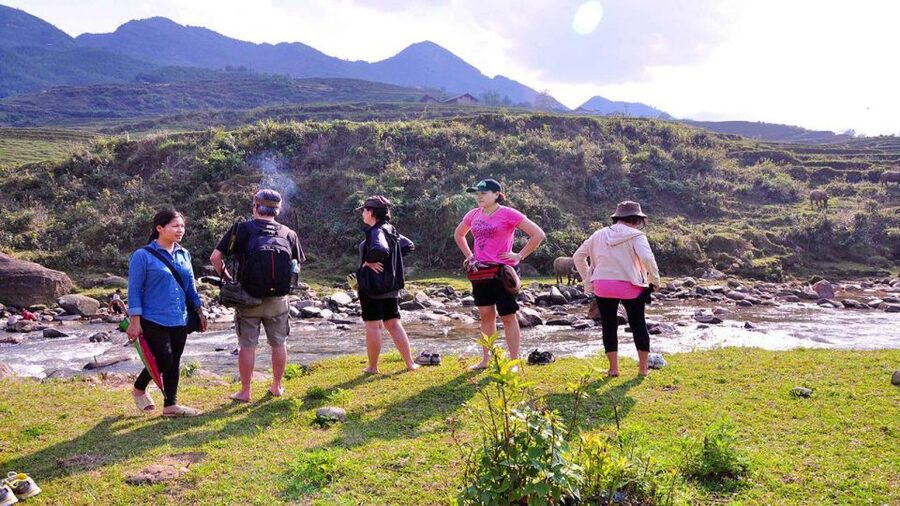
The hotel is listed as either 3 or 4-star, depending on the option you choose. Specific properties can vary, but the accommodation described in the trip feedback was comfortable, with one 3-star hotel called Relax Hotel receiving especially good marks.
A hotel night gives this itinerary a practical rhythm. You can wash, sleep properly, eat breakfast, and start the major trek without carrying your full luggage along the trail. The room also provides a dry place to regroup if the weather turns wet or cold.
Do not expect a mountain homestay from this package. You stay in Sapa town, with the convenience of a hotel and an evening to look around. That suits you if you want comfort and easy transport. If your main goal is sleeping in a village with a family, this is not that kind of trip.
Dinner and breakfast are included, as are two lunches. Drinks and personal spending are not included, so bring Vietnamese Dong. Card systems in Sapa may not work reliably, and US Dollars, Euros, and Australian Dollars are also accepted in town.
More 2-day tours in Hanoi:
- Amanda Cruise – Ha Long, Lan Ha Bay – All Inclusive 2D1N & 3D2N
★ 5.0 · 4,358 reviews - Hanoi: 2-Day Halong & Lan Ha Bay 5-Star Cruise with Balcony
★ 4.8 · 3,300 reviews - Halong Bay – Le Journey Cruises – All Inclusive 2D1N and 3D2N
★ 5.0 · 2,500 reviews - Mon Chéri Cruise 5 star: Unique 2 Days Tuan Chau – Halong bay – Lan Ha Bay
★ 5.0 · 2,422 reviews
The long walk through Muong Hoa Valley
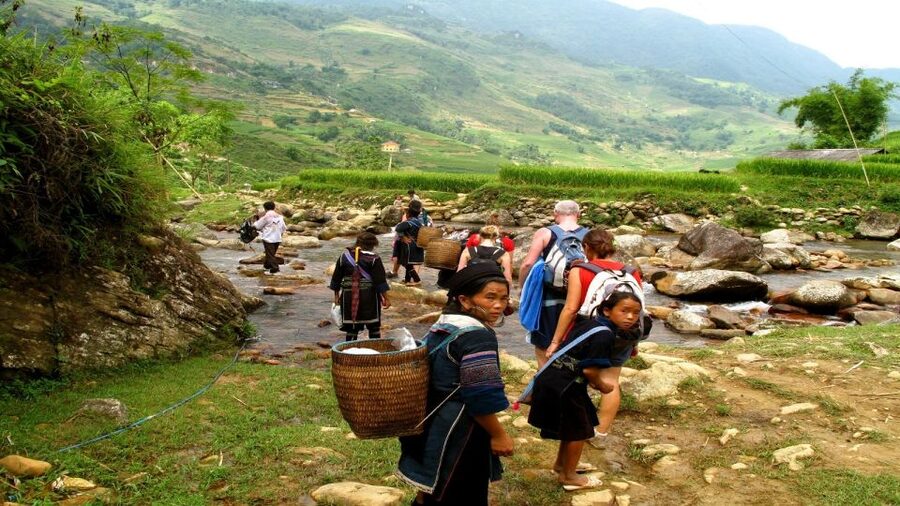
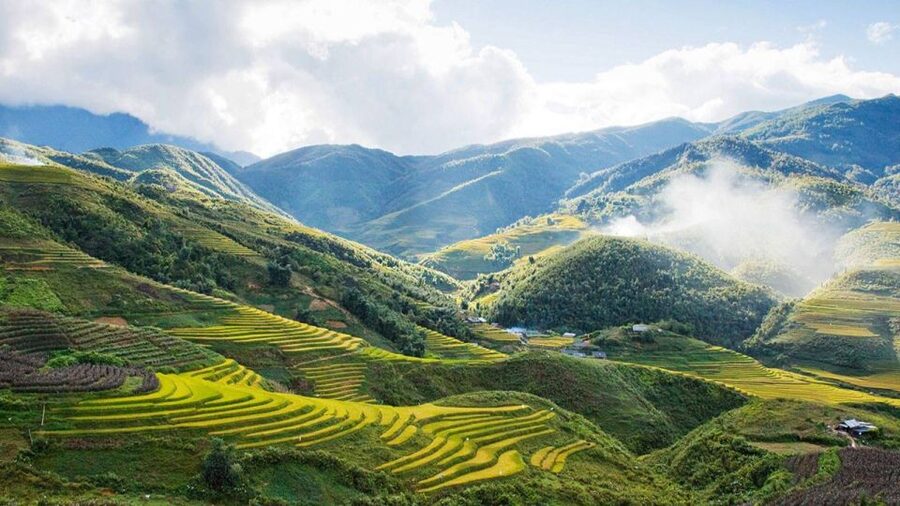
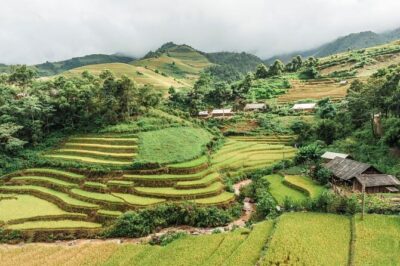
Day two begins with hotel breakfast, followed by the main trek southeast from Sapa. The route descends about six kilometers toward Y Linh Ho along the side of the Muong Hoa Valley, then continues for another two kilometers to Lao Chai. From there, you walk through rice fields toward Ta Van, a village associated with the Dzay people.
This is the part of the tour that earns the overnight stay. The scenery opens as you leave the town behind, with terraces, slopes, and valley views providing the setting. The walk also gives you time to see how houses, paths, fields, and village routines fit together rather than simply stopping for a quick photograph.
Y Linh Ho and Lao Chai are linked with the Black H’mong community. In Ta Van, your guide can explain Dzay house design, customs, and daily life. The value here is not just seeing a village sign. It is having someone explain the differences between communities and point out details you might otherwise pass without noticing.
The path is not a flat sightseeing stroll. It descends for much of the route, can be muddy or slippery after rain, and totals about nine kilometers. Good shoes with firm grip are essential. One account described cloudy weather and slippery ground, while another warned that older people should avoid the full trek because it can become dangerous in wet conditions.
If you do not want the long walk, the tour leader can arrange another place to visit. However, you must pay the extra tickets and transport costs yourself. The alternative is also not described in detail, so ask before departure if you already know the full route is too demanding.
Meeting local guides and handling village sellers
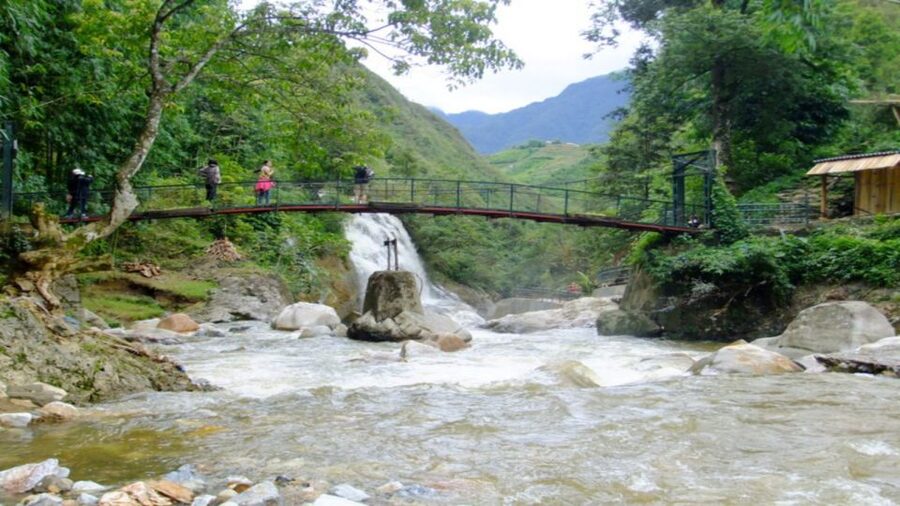
The Sapa guide and local walking guides are central to the experience. A good guide helps you understand the Black H’mong and Dzay communities, keeps the group together, and makes uneven paths less stressful. Ai was praised for guiding people confidently up and down the trails, while Lala was noted for being friendly and consistently attentive.
You may also be accompanied for part of the trek by local women who sell handmade items. Their company can be helpful on difficult sections, but the sales pitch at the end can be persistent. If you do not want to buy anything, be polite and clear from the beginning. Do not feel that accepting walking help obliges you to purchase goods.
This is one of the tour’s more complicated cultural points. The contact can feel personal and useful, yet the selling is part of the tourism economy. You will get a more honest experience if you treat the interaction respectfully without pretending it is something it is not.
Food, timing, and the return to Hanoi
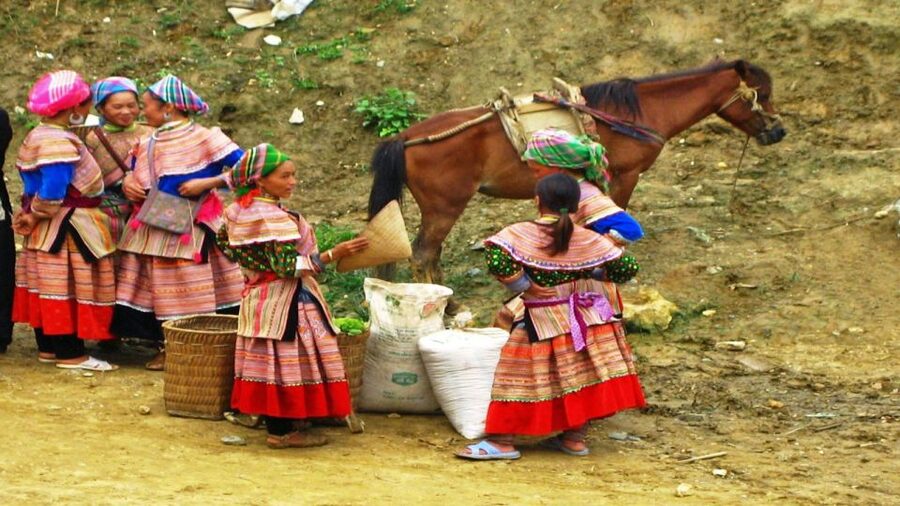
The package includes one breakfast, two lunches, and one dinner. Meals are served through the hotel or arranged restaurants, and the food was generally considered good. Drinks cost extra, so carry water and some cash for coffee, soft drinks, or snacks.
After reaching Ta Van, you return to the hotel at around 2 PM to collect your luggage. The limousine leaves Sapa at approximately 2:30 PM, arriving back in Hanoi around 8:30 to 9 PM. That makes the final day long, but the timing lets you complete the major trek and still return to Hanoi the same evening.
The schedule leaves little room for delays. Rain, slow walking, traffic, or a late pickup can affect the whole day. Keep your Hanoi plans flexible after arrival, especially if you have a flight or a separate booking that night.
Weather, clothing, and physical demands

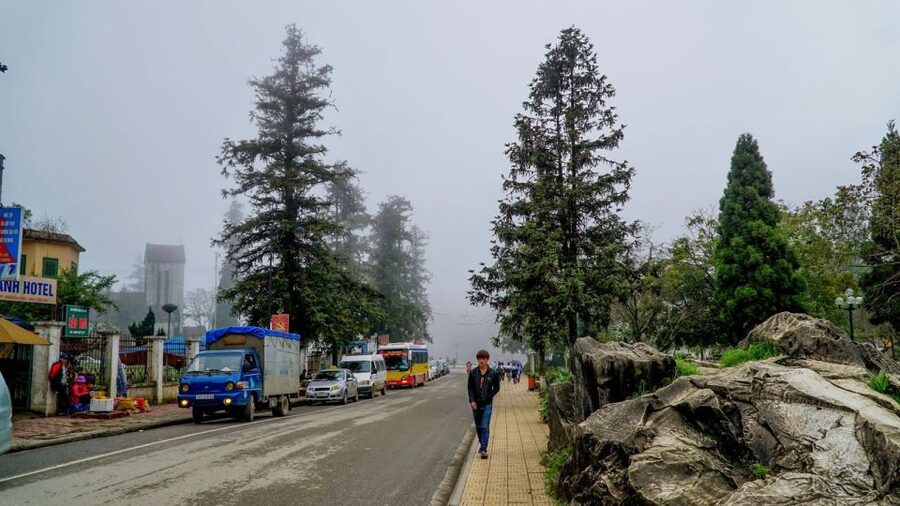
Sapa weather changes quickly. From September through March, it is normally cold, and from December through March fog can reduce mountain views. Warm clothes, a scarf, and a hat or cap belong in your day bag even if Hanoi feels mild.
Pack comfortable shoes with good grip, sunglasses, a sun hat, insect repellent, and a camera. Also bring any medicine you may need. Pharmacies exist in Sapa, but you should not rely on finding a particular medicine after arrival.
This tour is not suitable for wheelchair users or people with mobility impairments. The long trek is challenging even for fit walkers because of the distance, slopes, and possible mud. If you are unsure, ask the operator about the alternative route before paying rather than hoping to decide halfway down the valley.
Is $150 a fair price?
For $150, you receive shared round-trip transport from Hanoi, hotel pickup and drop-off in the Old Quarter, local Sapa transfers, an English-speaking guide, a local guide, one hotel night, four included meals, and entrance fees for the listed sites.
That is solid value if you want convenience. Booking transport, a Sapa hotel, village transfers, and a guide separately could take more time and may not cost less. The price also removes much of the uncertainty around reaching the trailheads.
The shared format keeps the cost down, but it means you do not control every departure or stop. Solo visitors should note that a single supplement applies. If you are traveling alone and want a private pace, ask about the supplement and group arrangements before booking.
Free cancellation is available up to 24 hours before departure, and you can reserve now and pay later. Those terms help if your Hanoi schedule is still shifting, but they do not remove the need to check the pickup time and vehicle details.
Who should book this Sapa tour?
You should consider this trip if you want a compact introduction to Sapa, prefer a hotel to a homestay, and are happy to spend long hours on the road for two strong walking days. It suits people who like having a guide, want cultural explanation, and do not want to arrange local transport themselves.
I would be more cautious if you dislike fixed schedules, struggle with long descents, or need a fully accessible route. The first village walk is easier, but the second day is the heart of the tour and cannot be treated as a casual stroll.
Book it for the trekking, guides, and efficient all-in-one planning. Skip it if you want several quiet days in the mountains or a fully independent village experience. Before you confirm, check three things: the exact hotel category, the limousine or sleeper-bus arrangement, and the plan for day two if you cannot manage nine kilometers.
FAQ
How long is the journey from Hanoi to Sapa?
The trip from Hanoi to Sapa takes about six hours, with two stops for restroom breaks and a light meal if needed.
Where does pickup take place in Hanoi?
Pickup and return are available from hotels in Hanoi’s Old Quarter, in the Hoan Kiem district.
What type of transport is used?
The tour is described as using a shared 9-seater limousine. Some trip details also refer to a sleeper bus, so confirm the exact vehicle with the operator before departure.
Which villages are included?
The itinerary includes Sin Chai on day one, followed by Y Linh Ho, Lao Chai, and Ta Van on day two.
How long is the day-two trek?
The main second-day route totals about nine kilometers, including six kilometers toward Y Linh Ho and another two kilometers toward Lao Chai before continuing to Ta Van.
Is hotel accommodation included?
Yes. The package includes one night in a 3 or 4-star hotel in Sapa, depending on the option selected.
What meals are included?
You receive one breakfast, two lunches, and one dinner. Drinks and personal expenses are not included.
Can I avoid the long trek?
Yes. The tour leader can arrange a visit to another place, but you are responsible for the additional tickets and transportation fees.
Just added to the Hanoi list
- (TOP) Private car: Hanoi/Noi Bai Airport (HAN) from/to Ninh Binh★ 3.5 · 16 reviews
- Thang Long Water Puppet Theater★ 4.5 · 45 reviews
- Private car transfer from Hanoi Airport to Hotels★ 4.5 · 5 reviews
- Private Tour Ninh Binh 1 Day★ 5.0 · 5 reviews
- Private Hanoi Old Quarter Food Tour with 8+ Authentic Tastings★ 5.0 · 11 reviews
- Private Transfer Service from Hanoi to Ha Long Bay★ 5.0 · 3 reviews
- Private Transfer Between Hanoi City and Noi Bai Airport (HAN)★ 5.0 · 3 reviews
- Private Hanoi Food Walking Tour of the French Quarter★ 5.0 · 38 reviews
Sapa Tours from Hanoi, compared.
Sapa 2 Days 1 Night From Hanoi – Overnight in Ta Van Village
Read our review →
Sapa 3 Days 2 Nights Trekking Tour (1 Night In Ta Van Village, 1 Night In Hotel)
Read our review →
3-Day Trekking Adventure of Sapa from Hanoi – Stay Ta Van Village
Read our review →
2-Day Sa Pa Ethnic Homestay Tour & Trek with Limousine Bus
Read our review →
Sapa 2 Days 1 Night From Hanoi – Overnight in Hotel
Read our review →
Sapa 3 Day 2 Night Trekking With Hotel & Homestay
Read our review →Browse the lists this tour appears in