
Reviewed · HOA LO PRISON TOURS
Hoa Lo Prison and Little Paris in Hanoi
Hanoi’s French Quarter tells two stories at once: the grand colonial city built in the image of Paris, and the long Vietnamese fight to control its own future. This 3.5-hour walk connects the Opera House, Tonkin Palace, St. Joseph’s Cathedral, and Hoa Lo Prison in one clear route.
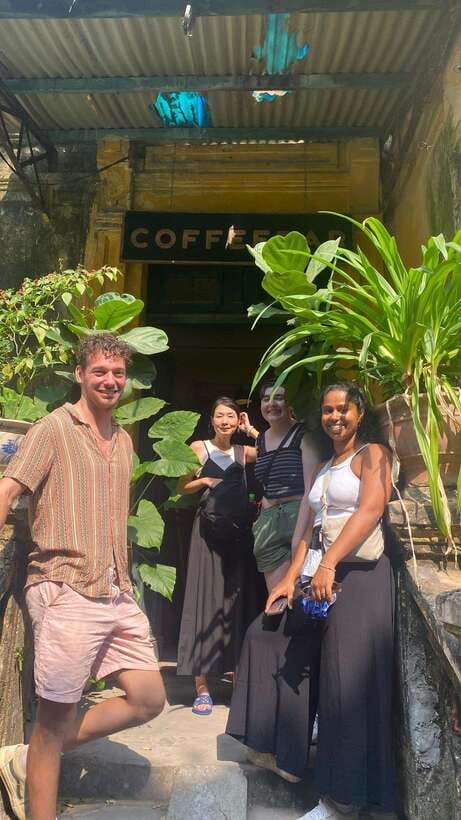
I like the small group, limited to 10 people, and the chance to walk with a young local guide such as Van, Lisa, Julia, or Nam. I also like the mix of famous buildings and less obvious corners, plus the pause for Vietnamese coffee. The main drawback is simple: Hanoi can be hot, noisy, and tiring on foot, so comfortable shoes, sunscreen, and a hat matter.
Key points to know before you book
- Hoa Lo Prison gives the tour its emotional weight: The visit adds the difficult story of French detention, Vietnamese resistance, and the later Vietnam War.
- Little Paris is more than a nickname: The Opera House, cathedral, Metropole Hotel, and broad French Quarter streets show how colonial planners reshaped central Hanoi.
- Your guide shapes the experience: Van, Lisa, Julia, and Nam explain the city in English and add local stories, food ideas, and everyday cultural context.
- The group stays small: With no more than 10 participants, it is easier to ask questions and keep the walk personal.
- The price includes useful basics: At $40 per person, you get the guide, prison admission, coffee, water, and Old Quarter pickup.
- Plan for walking in warm weather: Bring comfortable shoes, sunscreen, a hat, and a camera. Flash photography and smoking are not allowed.
Why the French Quarter deserves a morning
The French Quarter is a useful counterpoint to Hanoi’s Old Quarter. The Old Quarter is known for narrow streets and tightly packed activity. Here, you see wider roads, formal public buildings, gardens, hotels, and churches shaped by French colonial planning.
That change in scale is one of the pleasures of the walk. You are not simply ticking off buildings. You are watching Hanoi change from one block to the next, from Vietnamese street life to grand civic architecture and back again.
The tour also gives you a better frame for the period of French rule. Buildings such as the State Bank of Vietnam and the Government Guest House were part of a colonial administrative center. Later, these places took on new meaning in an independent Vietnam.
I find this kind of guided walk more useful than looking at façades alone. Architecture tells you who had power, but a local guide can explain how those buildings fit into the country’s struggle for independence.
More visits to Hoa Lo Prison:
- From Hanoi: Full-Day City Tour with Hoa Lo Prison |Optional Lunch
★ 5.0 · 54 reviews - Incense + Hat Villages/ Temple of Literature, Hoa Lo Prison
★ 4.7 · 37 reviews - Hanoi Private Day Tour: Hidden Gems, Hoa Lo Prison, Train Street
★ 5.0 · 30 reviews
Starting at the Ly Thai To Monument
Pickup is available from hotels and stays in Hanoi’s Old Quarter. You can also meet at the Ly Thai To Monument Statue, a practical starting point near the French Quarter.
If you use hotel pickup, be ready in the lobby. The guide checks your name at reception. If you meet at the monument, allow enough time to locate the statue and avoid arriving at the last minute.
The opening part of the walk helps you get oriented. Your guide introduces the plan and begins connecting modern Hanoi with its earlier political and colonial chapters. Since the group is capped at 10, you should have room to ask about buildings, local customs, or places to eat.
The guides are Nam, Van, Lisa, and Julia, all young locals who present the city in a friendly, informal way. The strongest part of their role is not just naming dates. It is explaining how the French Quarter relates to Vietnamese identity, war, food, and daily life.
State Bank of Vietnam and Tonkin Palace
The State Bank of Vietnam is an early stop. It gives you a look at the formal side of central Hanoi, where government and finance occupy imposing buildings rather than ordinary shopfronts.
You then reach the Government Guest House, also known as Tonkin Palace. This is one of the tour’s most useful places for understanding colonial administration and the political importance of the quarter.
Your guide explains the building as part of the French colonial period, then places it against the Vietnamese struggle for independence. That contrast matters. A grand building can look elegant in a photograph, but its original purpose also reflects who controlled the city.
The walk does not treat French architecture as a simple decorative backdrop. You learn to look at it with two thoughts in mind: the design may be attractive, but the colonial system behind it was contested and resisted.
There is also a secret stop along the route. Its exact details are not given in advance, which is part of the appeal. You should expect an additional sightseeing pause rather than a major museum visit, and let the guide reveal it in context.
Hanoi Opera House and the Little Paris idea
The Hanoi Opera House is the clearest expression of the city’s Little Paris nickname. Its design recalls European opera houses, and its position in the French Quarter gives the area a formal, ceremonial feel.
This is a guided sightseeing stop, so your guide can point out architectural details and explain the building’s place in Hanoi’s colonial story. You should not expect a full performance or a long interior tour. The value here is seeing the building as part of the streetscape and learning why it matters.
Nearby, the French Quarter’s broad streets and formal façades make more sense after the earlier stops. The Opera House is not an isolated attraction. It belongs to a planned district meant to project European authority and status.
The route also refers to the Metropole Hotel as another example of Paris-inspired design. Even if your time is limited, seeing these landmarks together helps you understand how the French tried to reproduce parts of their capital in Indochina.
This is a good point to take photographs, but remember that flash photography is not allowed. Hanoi’s light can be strong, so a hat and sunscreen are more useful than they may seem at the start.
Something completely different for the rest of your time in Hanoi:
- Hanoi Jeep Tour: Food, Culture and Fun by Vietnam Army Jeep
★ 5.0 · 15,222 reviews - Full-Day Ninh Binh Highlights Tour from Hanoi
★ 5.0 · 7,761 reviews - Hanoi: Ha Long Bay Day Cruise – Swimming, Meal, Kayaking
★ 4.7 · 7,415 reviews - Hanoi: Water Puppet Show Tickets
★ 4.6 · 7,029 reviews
St. Joseph’s Cathedral and Hanoi’s changing identity
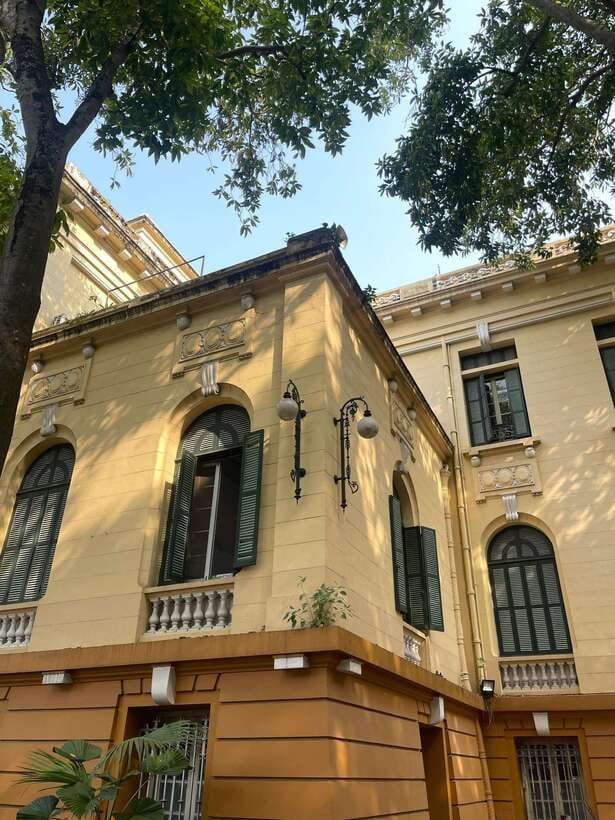
St. Joseph’s Cathedral offers another view of French influence. Its Gothic style looks very different from the low-rise Vietnamese streets nearby, and the contrast is part of what makes the stop worthwhile.
The visit includes time for photographs and a guided explanation. You can expect your guide to connect the cathedral with the wider French Quarter and the way European institutions shaped central Hanoi.
This stop also keeps the tour from becoming a parade of government buildings. The cathedral adds a religious and architectural dimension to the story. Together with the Opera House and Metropole Hotel, it helps explain the Little Paris label without reducing Hanoi to a French copy.
I like the way the route places these grand buildings alongside the account of Vietnamese resistance. You see beauty, but you also hear about the political cost of colonial rule. That balance is important for anyone who wants more than a polished architecture walk.
Entering Hoa Lo Prison
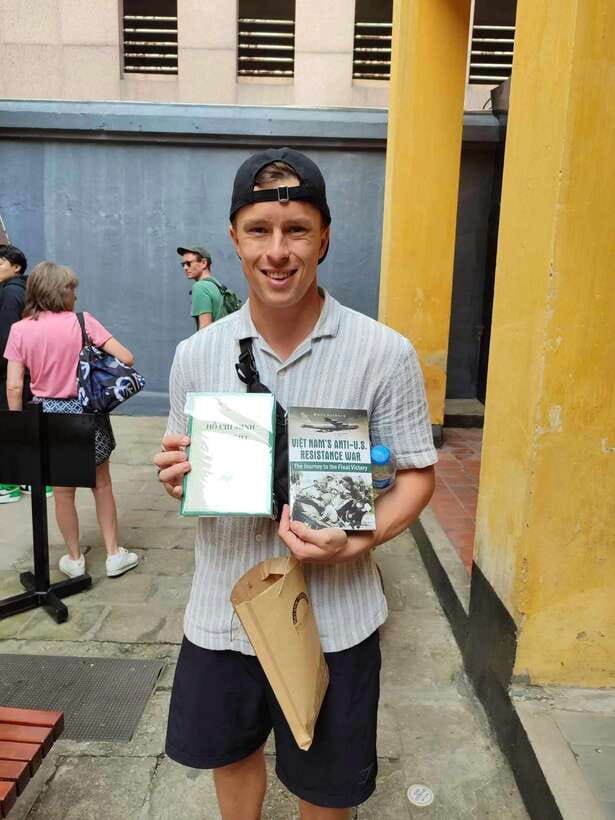
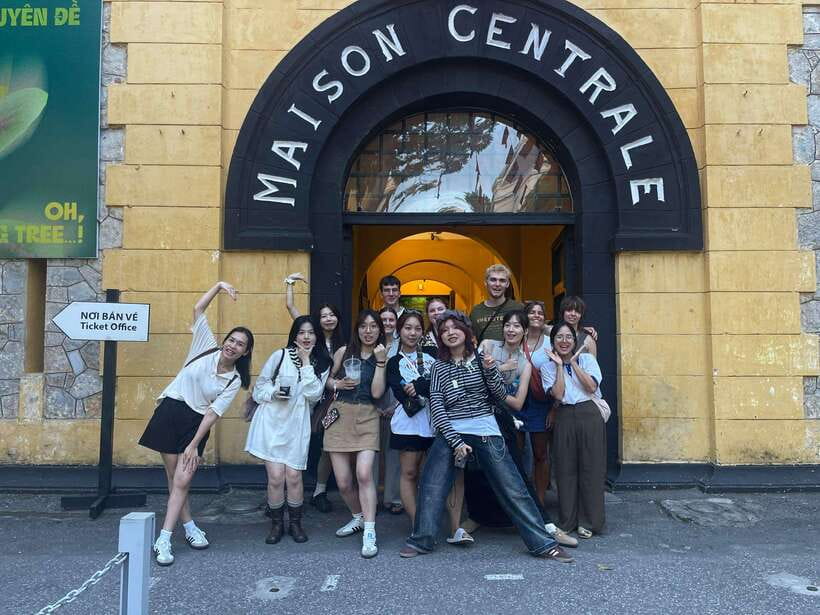
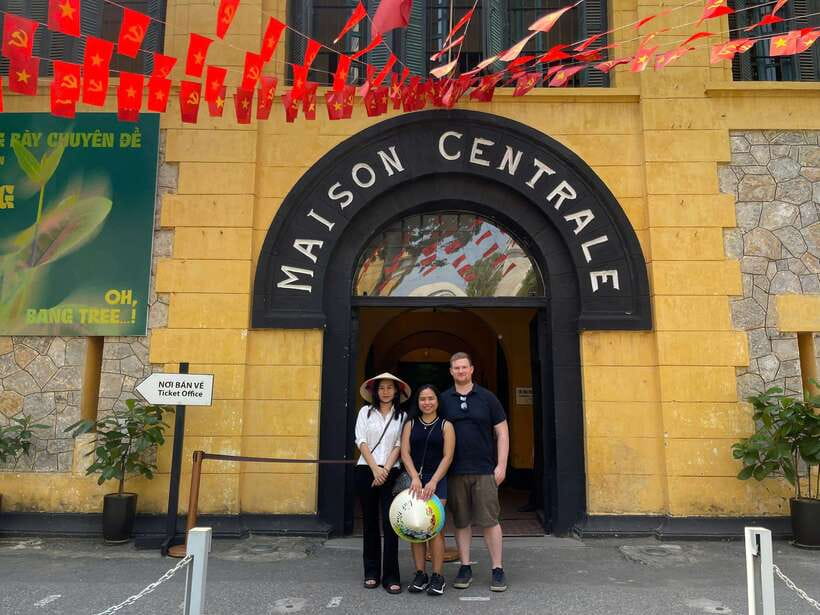
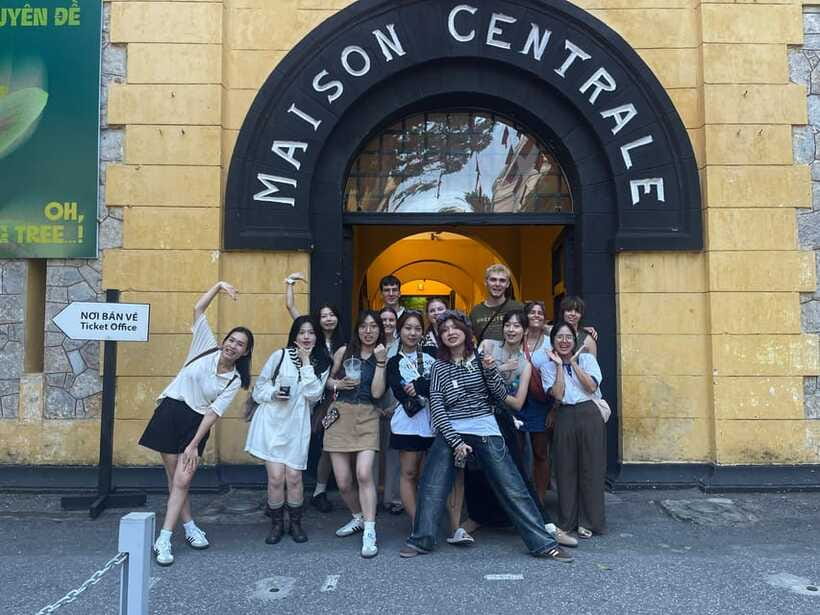
Hoa Lo Prison is the tour’s central historical visit and the point where the story becomes more direct and personal. The entry ticket is included, so you do not need to arrange admission separately.
The prison is presented in connection with the French occupation and the Vietnamese struggle for independence. The tour also covers Vietnam’s resistance against the United States, commonly called the Vietnam War. These are difficult subjects, and the guide’s role is especially valuable here because the displays cannot explain every historical connection on their own.
You should expect a serious visit rather than a light final stop. The prison asks you to think about detention, resistance, political power, and competing national memories. It is not just another old building on the route.
The guides bring local context to the visit. Lisa, for example, is described as sharing stories about the war and the people of Hanoi that you would not find from a quick online search. That kind of personal explanation can help connect national events with ordinary lives.
Hoa Lo Prison also gives the earlier architecture stops a sharper meaning. After seeing the buildings created under colonial rule, you confront the system’s repression. The contrast is one reason this tour works better as a complete experience than as a simple French-style architecture walk.
Coffee, local advice, and the human side of the walk
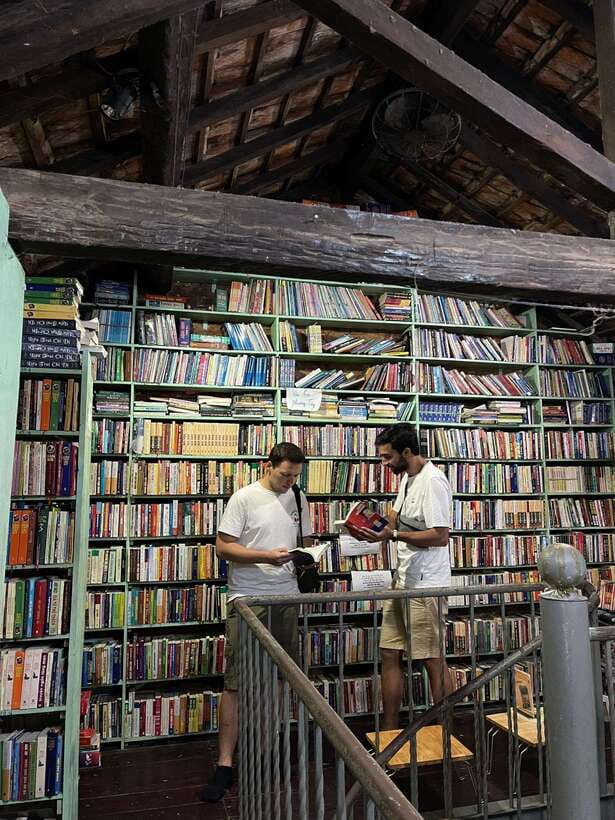
The included Vietnamese coffee is a small but welcome part of the experience. It gives you a pause during a three-and-a-half-hour walk and brings the tour back from national history to daily Hanoi life.
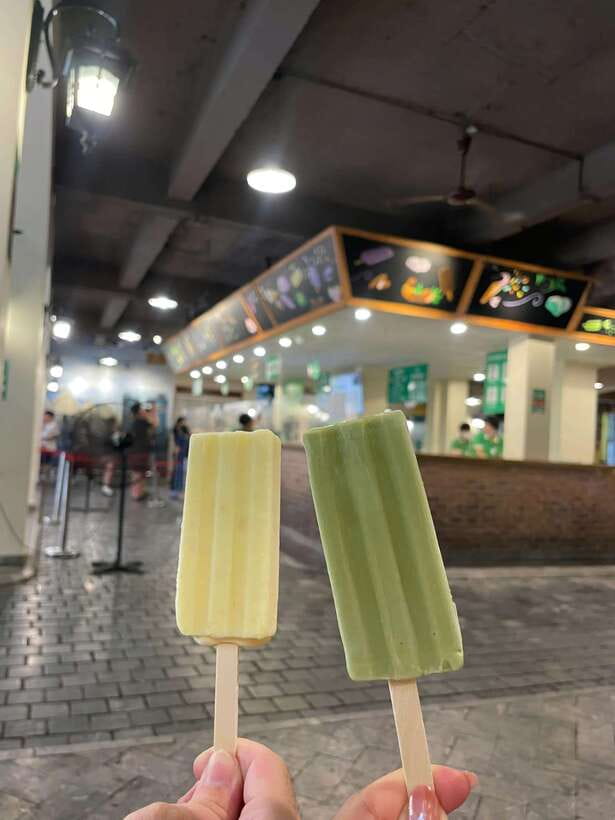
The exact coffee location is not specified, but the guides may take you to a local spot. Lisa has also been praised for offering food suggestions, and another account describes a quick ice cream stop during a hot day. These extras should not be treated as guaranteed menu items or scheduled stops, but they show how the guides can add local flavor around the main route.
This is where the tour feels most personal. You can ask what to eat, where to walk next, or how the French Quarter differs from other parts of Hanoi. Julia is described as making the conversation feel natural and two-way, rather than delivering a speech while everyone follows silently.
That style suits me. A city walk should leave you with practical ideas for the rest of your stay, not only a list of dates and building names.
Is $40 a fair price?
At $40 per person, the tour is not the cheapest way to look around Hanoi. You could walk past several of these buildings on your own for little or no cost.
The price makes more sense when you count what is included: a 3.5-hour English-speaking guide, a small group of no more than 10, Hoa Lo Prison admission, Vietnamese coffee, a bottle of water, and pickup from a Hanoi Old Quarter hotel.
The real value is the interpretation. Without a guide, you may recognize the Opera House or cathedral, but miss the connection between colonial design, Vietnamese independence, and the later war. You also may not find the less obvious stop or local coffee place.
I would choose this tour early in my Hanoi visit. The route gives you a useful map of the French Quarter, and the food advice can help with later meals. It is also a good first look at how Vietnam presents its own past, which can make later museum visits easier to understand.
A private experience may give you more control, but this small-group format keeps the cost lower while still allowing questions. If you are mainly interested in entering every building or taking architectural photographs at your own pace, an independent walk may suit you better.
Who should book this Hanoi walk?
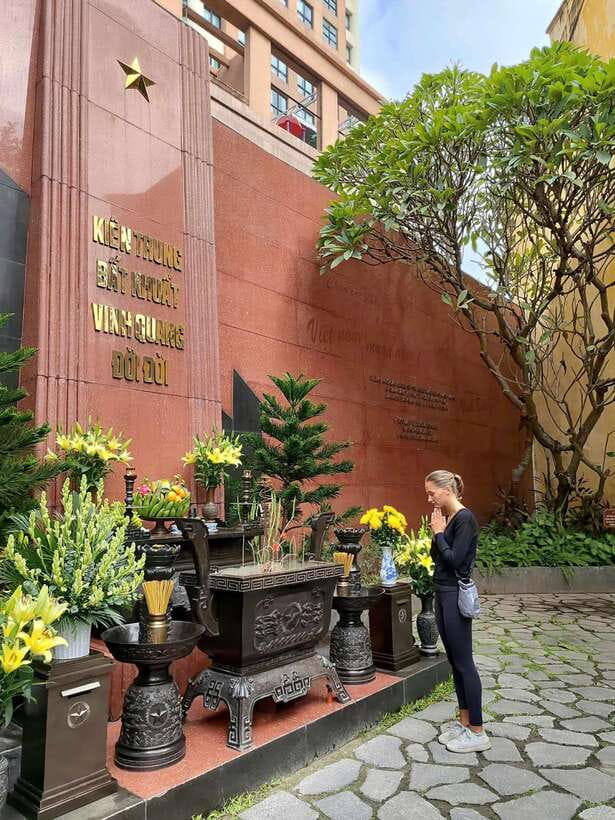
I would recommend it to anyone interested in architecture, colonial history, Vietnamese independence, or the Vietnam War. It is also a good fit if you prefer to learn through a conversation rather than read signs on your own.
The tour suits first-time visitors who want orientation in central Hanoi. It also works for repeat visitors who have seen the Old Quarter but have not spent much time around the French Quarter.
History lovers will get the most from Hoa Lo Prison and the discussions of resistance. Architecture fans will appreciate the Opera House, cathedral, government buildings, and Paris-inspired design. Food-focused visitors may enjoy the local suggestions from guides such as Lisa, even though food is not the main subject.
The walk is less suitable if you have heart problems, as noted in the activity information. It also requires enough stamina for several hours on foot. Wheelchair access is available, but Hanoi streets and individual surroundings can still make any walking route worth discussing with the provider before booking.
Bring water, even though one bottle is supplied. Wear shoes that can handle pavement, and use sunscreen and a hat. Smoking and flash photography are not allowed.
The tour offers free cancellation up to 24 hours before departure, and you can reserve now while paying later. Starting times vary, so check availability before planning the rest of your day.
Should you book the Hoa Lo Prison and Little Paris tour?
Book it if you want Hanoi’s French Quarter explained as both an architectural district and a place shaped by conflict. The combination of Tonkin Palace, the Opera House, St. Joseph’s Cathedral, and Hoa Lo Prison gives the walk a clear arc.
I would especially choose it early in a Hanoi stay, with Van, Lisa, Julia, or Nam guiding a small group. The included prison ticket and coffee help justify the price, while the local stories give you more than a self-guided circuit of attractive buildings.
Skip it if you dislike walking in heat, want a slow photography session, or prefer to explore each site without a set route. For most visitors who want context, local conversation, and a focused introduction to central Hanoi, this is a strong three-and-a-half-hour choice.
FAQ
Where does the tour start?
You can be picked up from a hotel or stay in Hanoi’s Old Quarter, or meet at the Ly Thai To Monument Statue.
How long does the tour last?
The tour lasts 3.5 hours. Starting times vary, so check availability when booking.
What language is the tour conducted in?
The live tour guide speaks English.
What is included in the price?
The price includes a local guide, Hoa Lo Prison entry, the French Quarter walking tour, Vietnamese coffee, one bottle of water, and hotel pickup from the Hanoi Old Quarter.
Is hotel drop-off included?
No. Hotel pickup is included for the Hanoi Old Quarter, but hotel drop-off is not included.
How large is the group?
The tour is limited to 10 participants.
Is the tour wheelchair accessible?
Yes, the activity is listed as wheelchair accessible.
What should I bring?
Bring comfortable shoes, a hat, sunscreen, and a camera. Smoking and flash photography are not allowed.
Just added to the Hanoi list
- (TOP) Private car: Hanoi/Noi Bai Airport (HAN) from/to Ninh Binh★ 3.5 · 16 reviews
- Thang Long Water Puppet Theater★ 4.5 · 45 reviews
- Private car transfer from Hanoi Airport to Hotels★ 4.5 · 5 reviews
- Private Hanoi Old Quarter Food Tour with 8+ Authentic Tastings★ 5.0 · 11 reviews
- Private Tour Ninh Binh 1 Day★ 5.0 · 5 reviews
- Private Transfer Service from Hanoi to Ha Long Bay★ 5.0 · 3 reviews
- Private Transfer Between Hanoi City and Noi Bai Airport (HAN)★ 5.0 · 3 reviews
- Ba Be National Park With Boat Trip, Kayaking, Swimming, Trekking And Cycling★ 5.0 · 10 reviews
Hoa Lo Prison Tours, compared.
Full-Day City Tour with Hoa Lo Prison |Optional Lunch
Read our review →
Incense + Hat Villages/ Temple of Literature, Hoa Lo Prison
Read our review →
Hanoi Private Day Tour: Hidden Gems, Hoa Lo Prison, Train Street
Read our review →

Hoa Lo Prison and Little Paris Tour in Hanoi (French Quarter)
Read our review →Browse the lists this tour appears in