
Reviewed · SAPA TOURS FROM HANOI
Hanoi- SaPa: 3-Day Homestay Trek to Explore Ethnic cultures
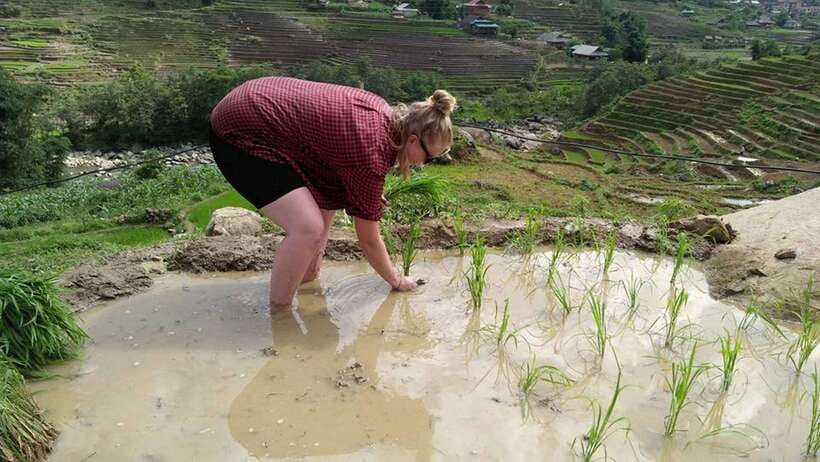
Sapa’s best moments come on foot, far from the town center. This three-day route leads you past rice terraces and bamboo forest into Hmong, Giay, and Red Dzao villages, with two nights in homestays rather than a quick hotel stop. The local guides make the difference: Su and Sang are praised for their care, flexibility, and stories.
I like the chance to share meals and daily routines with village families, especially the second-night homestay in Ban Ho. I also like the small group size, capped at 14, and the useful shower, breakfast, and rest stop after the overnight bus from Hanoi. The catch is the transport: the sleeping bus can be dirty and uncomfortable, and the trek is not gentle on tired legs.
Key points to know before booking
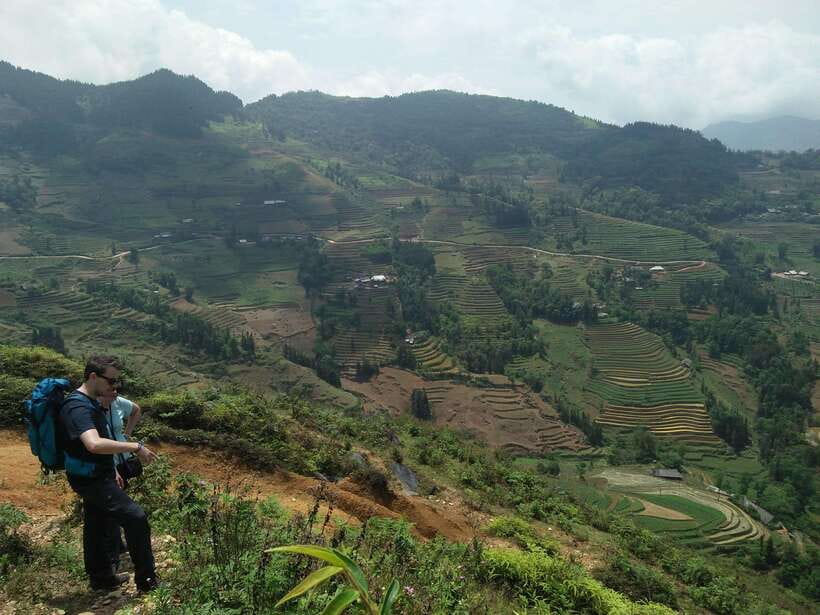
- Two nights in village homestays: Sleep in Ta Van and Ban Ho, where local families provide meals and a closer look at village life.
- Three ethnic cultures: Meet Hmong people in Lao Chai, Giay people in Ta Van, and Red Dzao communities in Giang Ta Chai and Nam Tong.
- A demanding route: Expect long walking days, bamboo forest paths, wet weather, and uneven trails.
- Overnight travel from Hanoi: You leave Hanoi at about 8:45 PM and reach Sapa around 4:00 AM.
- Small English-speaking group: The group is limited to 14 people, with a live guide.
- Strong value at $139: The price covers buses, guide, two homestays, six meals, and mineral water, though drinks and personal costs are extra.
Why this Sapa trek feels more personal
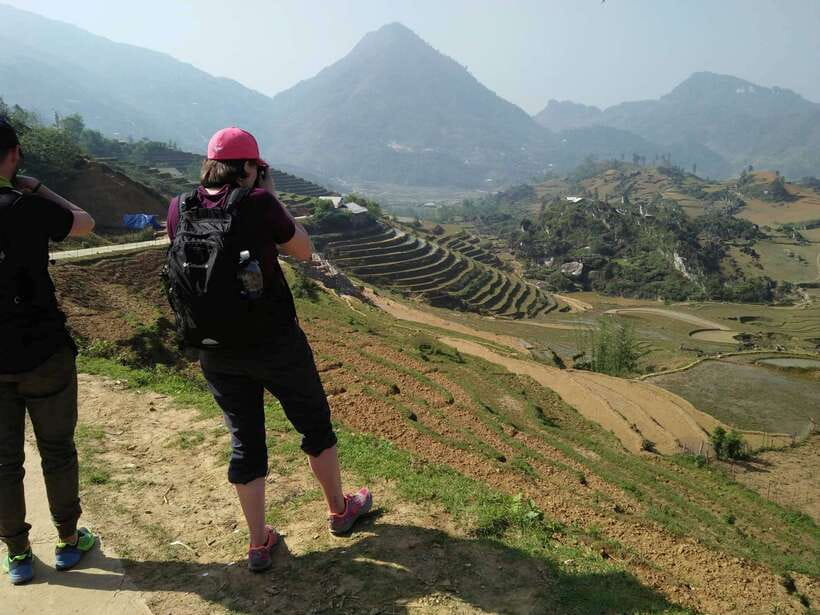
This trip is built around walking from village to village, not checking off viewpoints by van. You start in Hanoi’s Old Quarter, travel through the night, then spend three days moving through valleys and communities around Sapa.
That structure gives you time to notice small things: rice terraces cut into steep hillsides, a bamboo trail under thick forest, a family kitchen, or a local host explaining a custom through gestures and translation. The route also lets you meet several ethnic communities instead of seeing only one village from a roadside stop.
I especially like that the guides are local to the area or closely connected to the villages on the route. Su and Sang are two guides singled out for being attentive, flexible, and good at explaining local traditions. English ability may vary, but the guides make a real effort to bridge the gap.
This is not a polished resort experience. Homestay accommodation can feel more like a simple home-based guesthouse than sleeping in a family bedroom. That may mean basic facilities and shared areas, but it also brings you closer to everyday life.
More Sapa treks and homestays:
- Sapa 2 Days 1 Night From Hanoi – Overnight in Ta Van Village
★ 5.0 · 2,669 reviews - Hanoi – Sapa 2 Days 1 Night Overnight At Homestay
★ 5.0 · 899 reviews - From Hanoi: 2-Day Sapa Trekking Trip with Homestay & Meals
★ 4.8 · 704 reviews
Leaving Hanoi for Sapa at 8:45 PM
You have free time in Hanoi before meeting at 30 Hang Muoi in the Old Quarter. Pickup is limited to the Old Quarter, so if you are staying elsewhere, you need to reach the bus station yourself.
The overnight bus leaves at about 8:45 PM. You arrive in Sapa around 4:00 AM, then remain on the bus until about 6:00 AM. This saves a daytime travel block, but it is also the least comfortable part of the trip.
The sleeping bus has received mixed feedback. You should be ready for a cramped or untidy ride and limited sleep. Pack a light layer, water, earplugs if you use them, and keep essential items close. The bus is part of the price, but you are trading comfort for more time in the mountains.
After you wake, you are taken to a boutique hotel for breakfast. This stop matters more than it sounds. You have traveled all night, and a proper meal, a chance to wash, and time to change can make the first trekking day much easier. The exact rest arrangements can vary, so do not count on a fully private hotel room for a long morning rest.
Day 1: Hmong villages from Y Linh Ho to Ta Van
The walking begins around 9:00 AM after breakfast and an introduction to the group. The first route takes you through Y Linh Ho toward Lao Chai, an area associated with the Hmong community.
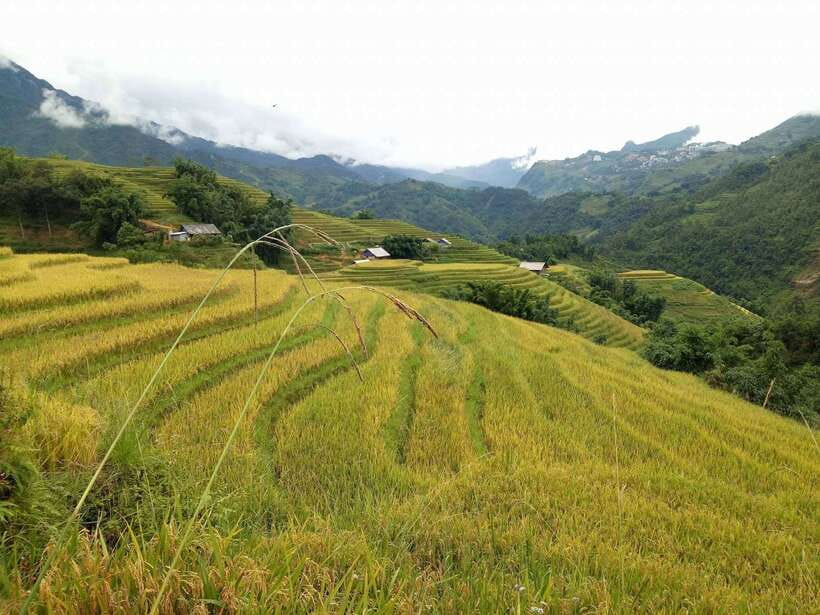
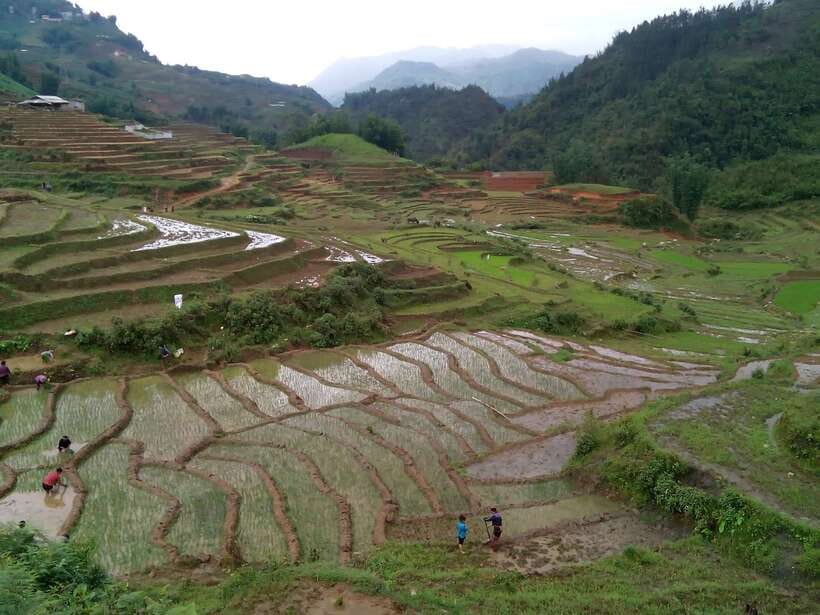
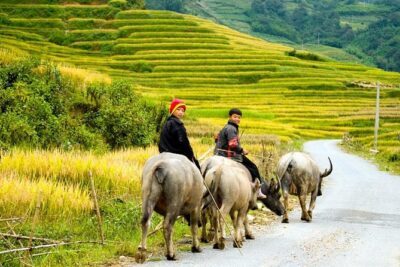
This is where the famous Sapa scenery begins. Rice terraces spread across the hillsides, and the views change with the weather, season, and visibility. In clear conditions, you can stop often for photographs. In rain or mist, the same route becomes moodier and much harder to see.
Do not expect the entire day to be an easy stroll. Mud, slippery ground, and uneven paths can make the route demanding. One especially wet day left visibility poor, while later days brought much better views. Good footwear is essential, not optional.
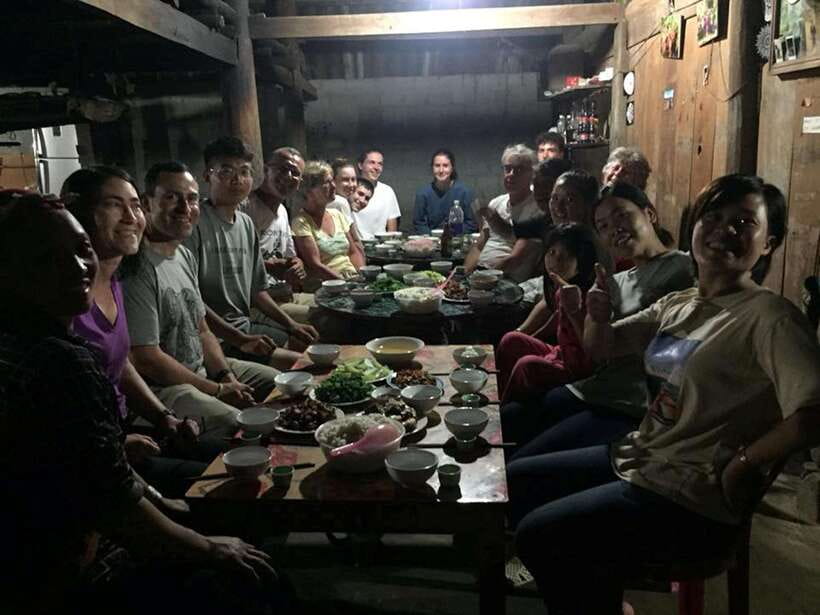
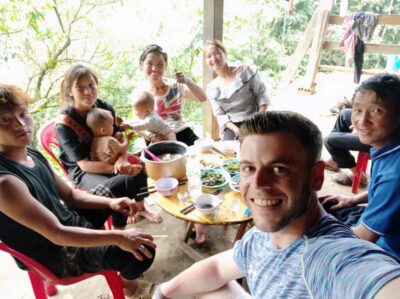
Lunch takes place in Lao Chai at a local family home. This meal is one of the trip’s most valuable features because it turns the village from a scenic backdrop into a lived-in place. You are not simply looking at terraces. You are eating in a home and learning how people live in the area.
After lunch, you continue to Ta Van, where Giay people live. The final part of the day brings you to your first homestay. You can expect dinner, a simple overnight stay, and time to hear about Giay customs and local traditions.
The homestays are described as clean and suitable, but do not expect hotel service. Facilities are basic, and English may be limited among hosts. That is part of the exchange. Communication may happen through your guide, simple phrases, or shared food.
Day 2: Bamboo forest, Rattan Bridge, and Ban Ho
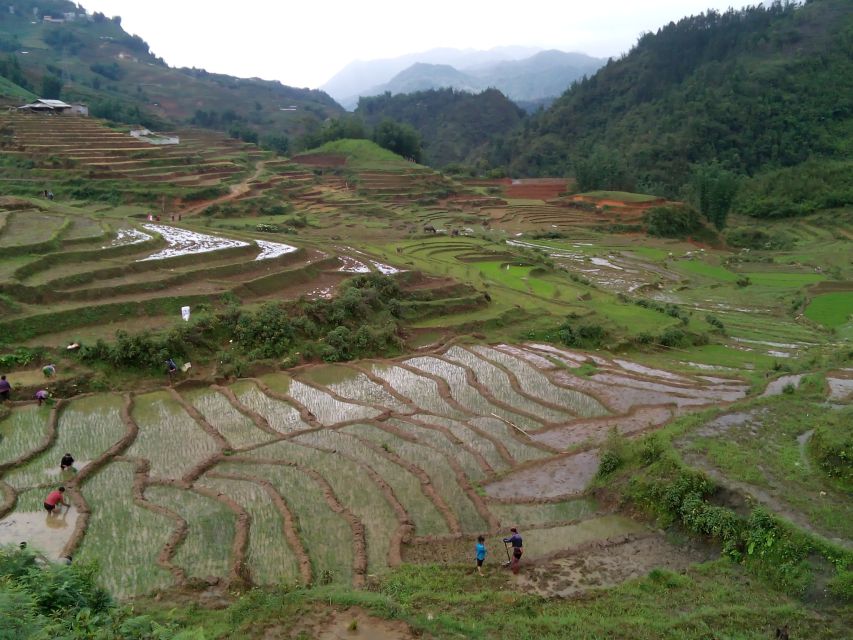
Day two starts with breakfast at the Ta Van homestay. You then walk through bamboo forest toward Giang Ta Chai, a village associated with the Red Dzao community.
This section offers a different setting from the first day. The forest provides shade, while the trail gives you a closer look at the countryside rather than a constant series of wide viewpoints. The route includes a visit to Rattan Bridge and a Red Dzao family home.
The family visit works best if you arrive with patience and respect. Customs may not be explained in perfect English, and the guide may need a phone translation for detailed questions. Still, the chance to enter a family home gives the day more substance than a standard photo stop.
Lunch is served along the trail. The meals throughout the trip are generally generous, with food provided at the homestays and along the walking route. Drinks are available for purchase, so carry enough water and budget for extra beverages.
You continue trekking to Ban Ho, where you have free time to rest and walk around the village. This pause is welcome after two long walking days. Use it to slow down, look around, and speak with your guide rather than treating the village as another quick stop.
Dinner and your second homestay follow in Ban Ho. One memorable feature of this night is the chance to join the host family in the kitchen and help prepare the meal. You should not assume every group will have exactly the same invitation, but the setup allows for a more direct exchange with the family.
Rice wine may be offered, and hosts can be generous with it. Enjoy local hospitality carefully, especially if you still have walking ahead. Water is included in the tour, but the amount may not last through every hot or strenuous stretch. Bring extra cash for bottled drinks.
More hiking tours in Hanoi:
- Halong Bay Full Day with Kayaking, Hiking viewpoint, Cave – Deluxe To Luxury
★ 5.0 · 884 reviews - Sapa 3 Days 2 Nights Trekking Tour (1 Night In Ta Van Village, 1 Night In Hotel)
★ 5.0 · 699 reviews - 3-Day Trekking Adventure of Sapa from Hanoi – Stay Ta Van Village
★ 5.0 · 611 reviews - 3D and 2N Lan Ha Bay Cat Ba Island Kayaking & Trekking with Vega
★ 5.0 · 593 reviews
Day 3: Sunrise in Ban Ho and Nam Tong
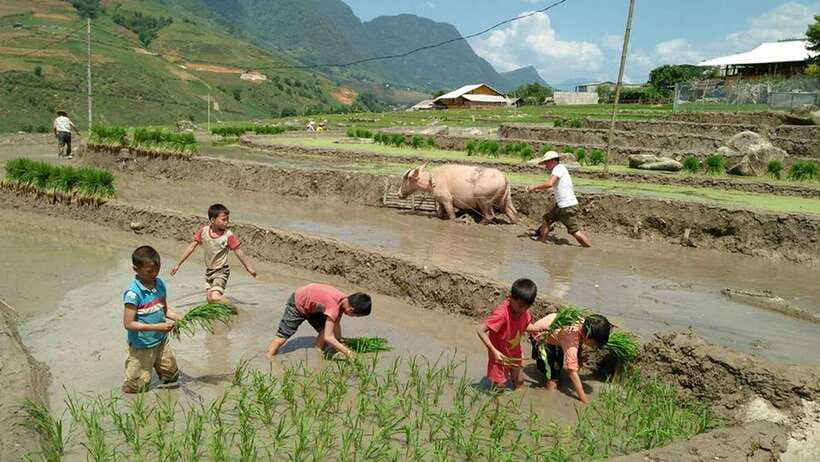
The final morning begins with breakfast and a chance to see the sunrise in Ban Ho valley. Weather controls how much you see, but the early light is one reason this overnight stay is worthwhile.
You then take a short trek to Nam Tong village, home to Red Dzao people. This final walk focuses on culture and traditions rather than adding another long mountain route. Your guide can explain the community and help you understand how it differs from the Hmong and Giay villages visited earlier.
After returning to Ban Ho, a van takes you back to Sapa. You have time to relax at the hotel before the bus leaves for Hanoi at about 4:00 PM. The return journey is scheduled to arrive around 10:00 PM at the original meeting point.
The end of the trip can feel long. After three days of walking, you still have a six-hour bus ride ahead. On the other hand, returning by road keeps the tour price low and avoids the cost of arranging separate transport.
The guide can shape the whole experience
The route is fixed, but the quality of the walking days depends heavily on your guide. Su is praised for being warm, attentive, and willing to adjust the schedule when someone feels unwell. Sang is also noted as a caring local guide who knew the paths and villages well.
That flexibility matters. Weather can make a planned viewpoint pointless, and tired legs may call for a slower pace. A good guide can choose a more natural route, give you time for photos, or explain what you are seeing instead of rushing the group onward.
Do not expect a full academic lecture about every ethnic group. English communication can be uneven, especially when you ask detailed questions. Still, a local guide offers something more useful than a memorized script: practical help on the trail and personal stories about village life.
The group limit of 14 is a good compromise. It is small enough for a guide to notice if you are struggling, but large enough to keep the cost at $139.
What $139 includes, and what it does not
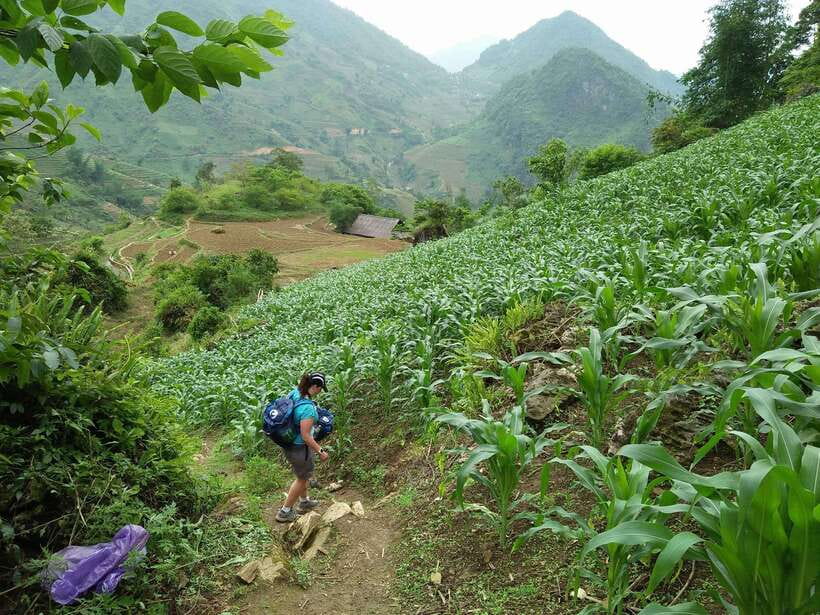
At $139 per person, the trip offers solid value if you want transport and accommodation arranged in one package. The price includes:
- Round-trip bus travel between Hanoi and Sapa
- An English-speaking guide
- Two nights in homestays
- Three breakfasts
- Three lunches
- Two dinners
- Mineral water
You are paying for a full three-day route, not just a single guided walk. The two homestays and six included meals add real value, especially since independent transport between villages can be awkward to arrange.
You still need money for drinks, personal purchases, travel insurance, and any other expenses not listed. VAT is also excluded. A Lunar New Year surcharge of $75 per person applies from January 26 to February 2, 2025, payable at the meeting point.
The biggest value question is comfort. If you want a private hotel room, reliable sleep, and easy transport, this is not the right $139 package. If you want a low-cost route into the villages and are willing to accept basic accommodation and a rough overnight bus, the price is fair.
Weather, footwear, and what to pack
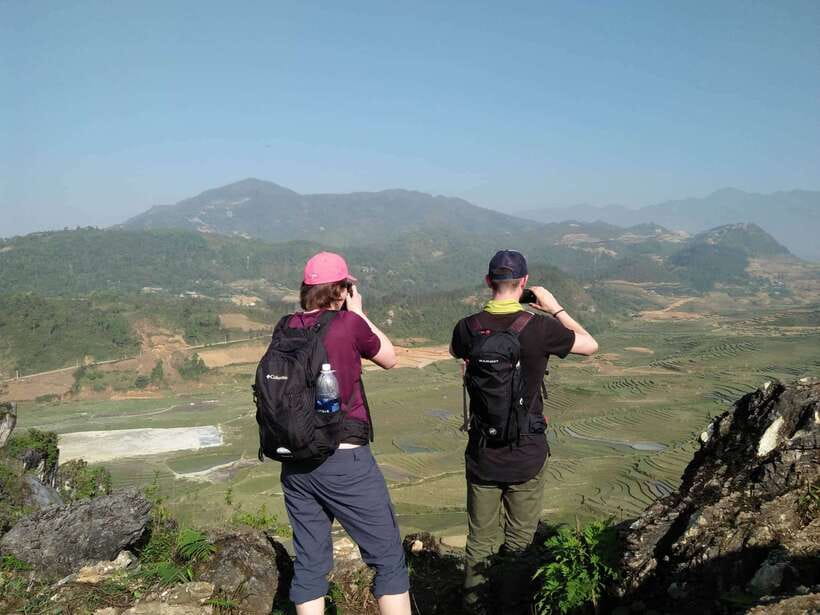
Sapa can be cold from October through March, so bring warm clothes during those months. Rain can arrive quickly, and wet conditions can turn a pleasant trail into a slippery one.
Pack:
- Sturdy trekking shoes
- Comfortable walking clothes
- Warm layers from October through March
- Sunglasses
- A sun hat
- Sunscreen
- Insect repellent
- Extra cash for drinks and personal expenses
I would also bring a small daypack, a waterproof layer, and a change of socks. Those items are practical responses to a three-day walk and an overnight bus, even though they are not specifically required in the tour information.
Respect matters here. Ask before taking close-up photos of people, listen when your guide explains local customs, and treat homestays as homes rather than themed accommodation.
Who should book this Sapa homestay trek?
This trip suits you if you enjoy active days, simple lodging, and direct contact with local families. It is a good choice if you want to see more than Sapa town and are happy to trade comfort for access to village life.
It also works well for people who want a small group and a guide who can help with local communication. Families with older children may consider it, but the tour is not suitable for children under six.
You should think twice if you have limited mobility, use a wheelchair, are pregnant, or dislike steep, muddy, and uneven paths. The tour is not designed for those needs.
The overnight bus is another deciding point. If you sleep poorly on buses, you may find the first morning difficult. A private transfer and hotel stay would be more comfortable, but also more expensive.
Should you book it?
Book this tour if you want Sapa’s villages, terraces, and homestays in one organized trip, and if you can handle basic accommodation and a challenging walk. The best parts are the local guides, generous home cooking, small group, and time spent in Ta Van and Ban Ho.
Skip it if comfort, privacy, or easy walking comes first. Also consider the weather carefully. Mist can hide the views, while rain can make the first day tough, though better conditions on days two and three may bring the scenery back into focus.
For an active visitor who wants a real connection with northern Vietnam, this is a worthwhile three-day plan at a fair price. Pack for cold and wet conditions, bring patience for the bus, and let the village experience matter more than perfect facilities.
FAQ
Where does the tour start?
The tour starts at 30 Hang Muoi, Ly Thai To, Hoan Kiem, Hanoi, Vietnam. Pickup is available only from Hanoi’s Old Quarter.
When does the overnight journey to Sapa begin?
Pickup is around 8:45 PM from the Hanoi Old Quarter. You arrive in Sapa at about 4:00 AM the next morning and can sleep on the bus until around 6:00 AM.
How many nights do I spend in homestays?
You spend two nights in homestays, one in Ta Van village and one in Ban Ho village.
Which ethnic communities do I visit?
The route includes Hmong communities around Y Linh Ho and Lao Chai, Giay people in Ta Van, and Red Dzao communities in Giang Ta Chai and Nam Tong.
What meals are included?
The tour includes three breakfasts, three lunches, two dinners, and mineral water. Beverages other than the included water are not included.
Can I cancel for a full refund?
Yes. You can cancel up to 24 hours in advance for a full refund.
More 3-day tours in Hanoi
- Amanda Cruise – Ha Long, Lan Ha Bay – All Inclusive 2D1N & 3D2N
★ 5.0 · 4,358 reviews - Halong Bay – Le Journey Cruises – All Inclusive 2D1N and 3D2N
★ 5.0 · 2,500 reviews - Hanoi: 3-Day Ninh Binh, Ha Long, & Lan Ha Bay 5-Star Cruise
★ 4.8 · 1,401 reviews - Mon Chéri Cruises 5 star: Amazing 3 days exploring Halong & Cat Ba island
★ 5.0 · 1,280 reviews
Just added to the Hanoi list
- (TOP) Private car: Hanoi/Noi Bai Airport (HAN) from/to Ninh Binh★ 3.5 · 16 reviews
- Thang Long Water Puppet Theater★ 4.5 · 45 reviews
- Private car transfer from Hanoi Airport to Hotels★ 4.5 · 5 reviews
- Private Tour Ninh Binh 1 Day★ 5.0 · 5 reviews
- Private Hanoi Old Quarter Food Tour with 8+ Authentic Tastings★ 5.0 · 11 reviews
- Private Transfer Service from Hanoi to Ha Long Bay★ 5.0 · 3 reviews
- Private Transfer Between Hanoi City and Noi Bai Airport (HAN)★ 5.0 · 3 reviews
- Private Hanoi Food Walking Tour of the French Quarter★ 5.0 · 38 reviews
Sapa Tours from Hanoi, compared.
Sapa 2 Days 1 Night From Hanoi – Overnight in Ta Van Village
Read our review →
Sapa 3 Days 2 Nights Trekking Tour (1 Night In Ta Van Village, 1 Night In Hotel)
Read our review →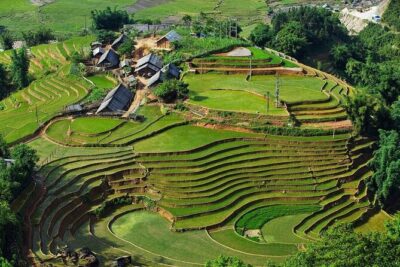
3-Day Trekking Adventure of Sapa from Hanoi – Stay Ta Van Village
Read our review →
2-Day Sa Pa Ethnic Homestay Tour & Trek with Limousine Bus
Read our review →
Sapa 2 Days 1 Night From Hanoi – Overnight in Hotel
Read our review →
Sapa 3 Day 2 Night Trekking With Hotel & Homestay
Read our review →Browse the lists this tour appears in