
Reviewed · HANOI OLD QUARTER TOURS
Hanoi: Old Quarter Street Food Tour
Hanoi’s best introduction may come one small plate at a time. This private Old Quarter food walk moves from soft bánh cuốn and clear-broth phở bò to grilled pork, crisp bánh mì, creamy egg coffee, and fresh pineapple. You also get local stories and a visit to Train Street, except with the Hot Hour of Train option.
I like the variety of dishes and the fact that your guide can explain how each one fits Hanoi life. I also like the private format, which gives you more room to ask questions than a large group tour. The main thing to check is the food-cost wording: the tour details say tastings are included, while booking feedback says food costs were paid separately.
Key points
- Five or six Hanoi tastings: Try bánh cuốn, phở bò, bún chả, bánh mì, egg coffee, and seasonal fruit.
- Private English-speaking guide: Past bookings name Jenny and Tommy, with guide skill praised as a major part of the experience.
- Old Quarter pickup: Hotel pickup and drop-off are offered only within the Old Quarter and Hoan Kiem area.
- Train Street visit: Included on the standard option, but not with the Hot Hour of Train choice.
- A full 210-minute walk: Allow three and a half hours, with comfortable shoes and water.
- Possible extra cost: Confirm whether food is included or paid separately before you go.
A three-and-a-half-hour introduction to Hanoi by fork
This is not a quick snack stop with a few token bites. The 210-minute route is built around several of Hanoi’s signature foods, with enough time to move through the Old Quarter and hear about the city’s food customs and past.
You walk rather than ride between stops. That matters in Hanoi, where the street itself is part of the meal. A bowl of noodles means more when you have just watched the Old Quarter flow around you: scooters, shopfronts, narrow lanes, and small places devoted to one particular dish.
The group is private, and the guide speaks English. That makes this a useful first activity in Hanoi. You can ask what you are eating, how to use the herbs and sauce, and which dishes are worth seeking out later on your own.
The tour is described as five or six tastings. The listed food is enough for a full meal, though. One useful warning is that whole portions may be served, not tiny samples. By the middle of the route, you may be quite full. Pace yourself, especially if you have a large breakfast.
More Old Quarter walks in Hanoi:
- [HOT] Hanoi Old Quarter Walking Street Food – Small Group Tour
★ 5.0 · 2,163 reviews - Private transfer between Hanoi Airport (HAN) and Hanoi Old Quarter
★ 5.0 · 850 reviews - Hanoi Food Tours in Hanoi Old Quarter (Small Group/Private)
★ 5.0 · 657 reviews
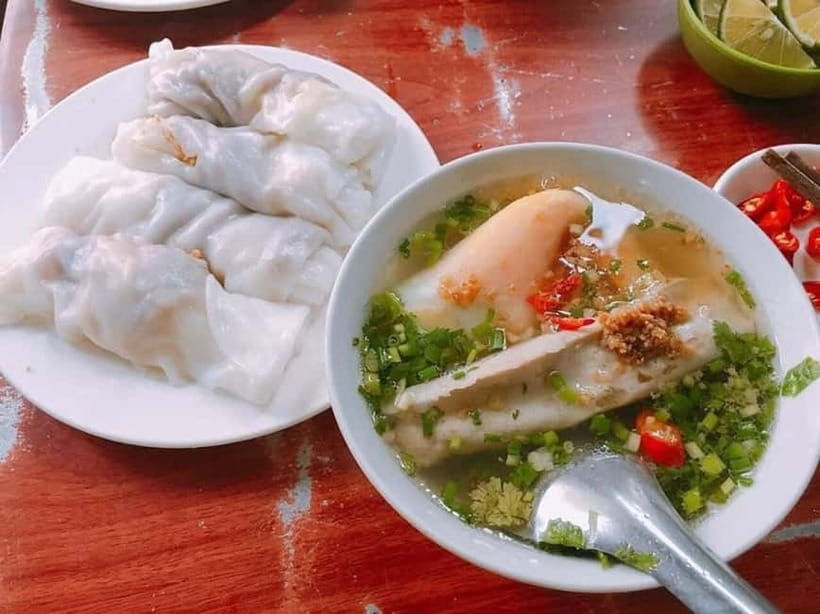
Bánh cuốn begins the food trail
Bánh cuốn is a gentle opening dish. These thin, silky rice rolls are filled with minced pork and served with a savory dipping sauce. The texture is soft and delicate, making it a good contrast to the stronger grilled and fried flavors that follow.
The version named here is Bánh Cuốn Cao Bằng. You should expect the guide to explain the dish as you eat, since local food context is one of the main reasons to book a guided walk rather than simply order from a menu.
I like this stop because it introduces you to a food that can be easy to overlook. It does not arrive with the international fame of phở, but it shows the care and lightness found in northern Vietnamese cooking.
If you prefer bold spice or heavy seasoning, bánh cuốn may seem restrained. That is part of its appeal, though. The rice roll, minced pork, and dipping sauce let texture do much of the work.
Phở bò shows why Hanoi takes noodles seriously
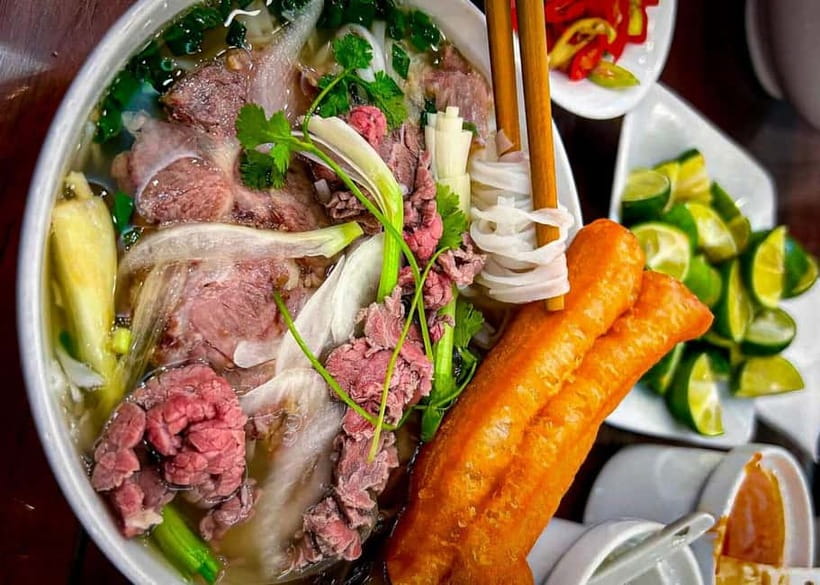
Phở bò is the most familiar name on the route, but it still deserves a proper stop in Hanoi. This version pairs smooth rice noodles with tender beef slices and a clear, full-flavored broth.
The broth is the test here. It should provide the main character of the bowl without becoming heavy. You will likely have a chance to add or adjust the flavor at the table, but the supplied details do not specify the exact condiments or toppings, so ask your guide how locals prefer to eat it.
I would not treat this as the final word on phở in Hanoi. Food changes from shop to shop, and this tour gives you one guided introduction rather than a citywide comparison. Still, tasting it early in your visit helps you recognize what you like when you order another bowl later.
The practical issue is portion size. Phở is a complete meal, and it arrives after bánh cuốn. If you want to reach every stop comfortably, avoid filling up at the first bowl.
Bún chả brings smoke, herbs, and sweet-sour sauce
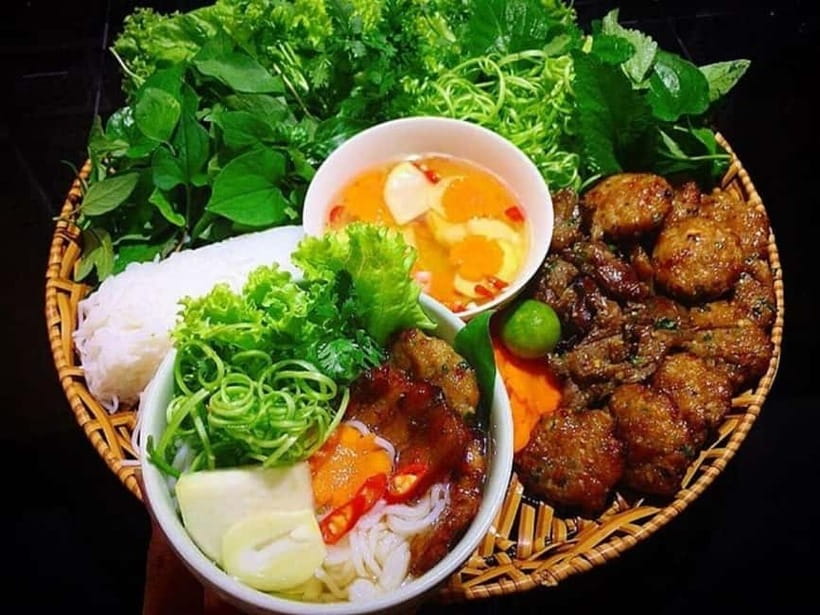
Bún chả is one of Hanoi’s essential dishes. It combines grilled pork with fresh vermicelli noodles and a sweet-and-sour dipping sauce. The grilled meat supplies the smoky, savory note, while noodles and herbs keep the meal from feeling too rich.
This is a good example of why a guide adds value. The components may arrive separately, and a first-time diner may not know how to combine them. Your guide can explain the dipping method and the balance between pork, noodles, herbs, and sauce.
Bún chả is also a substantial stop. If the portions are full-sized, this is another place where you need to think of the whole route rather than just the plate in front of you.
I like the contrast with phở. Phở is about broth and noodles. Bún chả is about grilled meat, fresh greens, and a sauce that changes the character of every bite. Together, they give you two very different ideas of Hanoi comfort food.
More street food crawls in Hanoi:
- Small Group Hanoi Street Food Tour with a Real Foodie
★ 5.0 · 4,682 reviews - Hanoi: Street Food Tour with Train Street & Hidden Alleyways
★ 5.0 · 2,831 reviews - Hanoi: Guided Street Food Tour with Train Street Experience
★ 4.9 · 2,479 reviews - Hanoi Street Food Tour with local delicacies
★ 5.0 · 1,506 reviews
Bánh mì adds crisp texture to the route
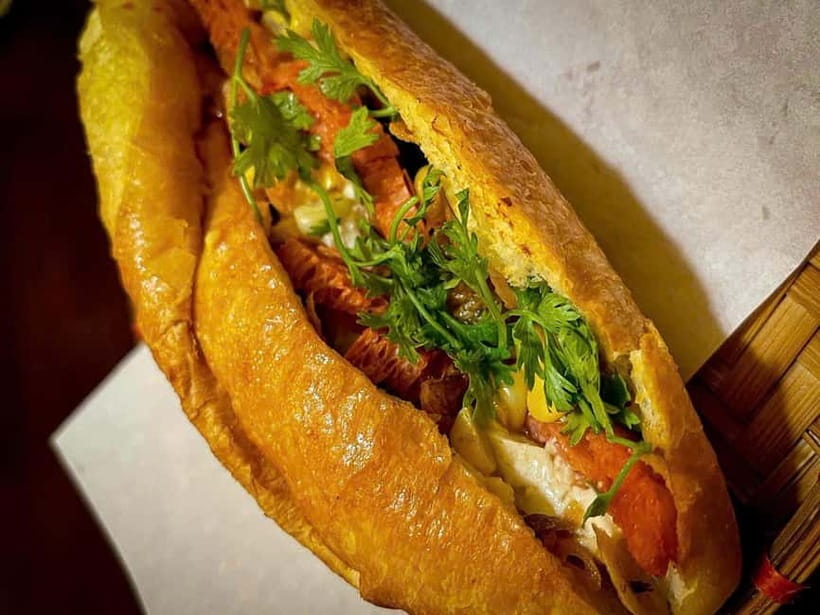
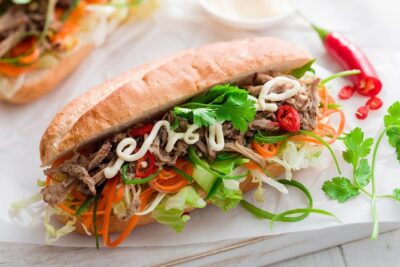
The bánh mì stop shifts the meal toward crunch. The bread has a crisp crust, while the filling listed here includes pâté, grilled meat, chả lụa, cucumber, herbs, and a special sauce.
That combination can be quite filling. It is also one of the easiest dishes to understand if you are new to Vietnamese food: a warm, crisp sandwich with savory meat, creamy pâté, fresh vegetables, and herbs.
The details do not identify a specific bakery or sandwich shop, so I would ask the guide what makes this version local to Hanoi. The value of the stop lies partly in that explanation. Hanoi has many bánh mì choices, and your guide can help you notice the differences rather than treating the sandwich as a generic snack.
If you are counting calories or trying to sample every dish, consider sharing portions when possible. The route includes enough food that finishing everything at every stop may be difficult.
Egg coffee is the sweet centerpiece
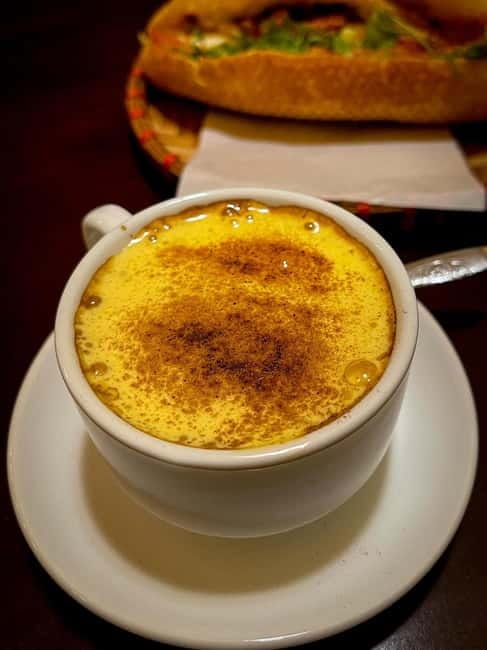
Cà phê trứng, or egg coffee, is Hanoi’s most distinctive drink on this route. It is creamy and indulgent, with a texture closer to a dessert than a plain cup of coffee.
You should not expect a light refreshment. The egg mixture gives the drink weight and sweetness, while the coffee provides the bitter base underneath. It is a clever Hanoi specialty, and it gives the tour a change of pace after several savory dishes.
This is also a useful stop for anyone who does not drink much coffee. The tour information describes it as a creamy specialty, but it does not provide caffeine details or a recipe, so ask your guide if that matters to you.
Egg coffee can be polarizing. If you prefer black coffee, it may feel too sweet. I would still try it here, since it is one of the foods most closely associated with Hanoi’s café culture.
Pineapple and seasonal fruit finish the meal
Fresh seasonal fruit closes the tour. Pineapple is specifically described as sweet and juicy, making it a sensible ending after noodles, grilled pork, bread, and coffee.
This is not just a decorative final plate. Fruit cleans up the palate and gives you a cool, fresh finish. It also keeps the route from ending on something heavy.
The exact fruit depends on the season, so pineapple is the clearest expectation, but other seasonal choices may appear. If you have allergies or food restrictions, tell the company ahead of time rather than waiting until the final stop.
Walking through the Old Quarter adds the local context
The Old Quarter is the setting, not merely the space between restaurants. You are walking through a central part of Hanoi while the guide explains food culture and the city’s history.
The tour does not promise a long formal history lecture. That is a good thing for this format. You get stories connected to what you see and eat, which can make the neighborhood easier to understand without turning a food walk into a classroom.
The route is likely to feel active and crowded at times, but the supplied details do not promise a particular street sequence or exact restaurant list. Think of this as a guided food introduction, not a fixed architecture tour.
Wear comfortable walking shoes. Bring water, a hat, and sunscreen, and be ready for changing weather. The experience lasts three and a half hours, so small discomforts can become irritating by the end.
Train Street adds a memorable visual stop
A visit to Train Street is included except for the Hot Hour of Train option. This gives the tour a visual break from the food stops and lets you see one of Hanoi’s best-known urban settings.
The details do not state how long you spend there or whether a train passes during your visit. Do not book this expecting a guaranteed train sighting. Treat it as a stop within the walk, not the central promise of the experience.
Because the tour is private, you can ask your guide about the area and how it fits into Hanoi life. Follow local instructions closely, especially around railway space. The booking information does not promise access beyond the standard visit.
What the $60 price really means
At $60 per person, this is not the cheapest way to eat in Hanoi. Street food itself can cost far less when you order directly. You are paying for a private English-speaking guide, three and a half hours of walking, several food stops, cultural explanation, and Old Quarter hotel pickup and drop-off if your hotel is in the stated area.
That can be fair value for a first day in Hanoi, especially if you want someone else to handle the ordering and route. It is less compelling for an experienced Hanoi diner who already knows the Old Quarter and is happy to eat independently.
There is one important price question to settle before booking. The main details say food costs as outlined in the itinerary are included. However, booking feedback specifically says food costs were not included and that full portions appeared at the table. Since those statements do not match, ask the provider exactly what the $60 covers and what you will pay at the food stops.
Drinks not listed in the program are also extra. Personal expenses are not included. The optional 30-minute foot spa or head wash applies only if you select that option, so check whether it changes the price.
The guides can make or break the experience
The strongest praise is directed at the guides. Jenny is named as a guide who picked up a party at its hotel and kept the outing running smoothly. Tommy is also named as a strong guide who introduced many different foods.
Another booking specifically highlights an experienced guide and good restaurant choices. That tells me the human side of this tour matters more than a fixed checklist. Food tours succeed when the guide explains unfamiliar dishes, manages the pace, and notices when the group is getting full.
You are not guaranteed Jenny or Tommy. The listed language is English, and the tour is private, but guide assignment may vary. If a particular guide matters to you, ask before booking.
Who should book this Hanoi food walk?
I would recommend it for first-time visitors who want a structured introduction to northern Vietnamese food. It is also useful if you are nervous about ordering from street stalls, unsure how to eat bún chả, or keen to ask questions without holding up a large group.
The private format suits couples, families, and small groups with different comfort levels. You can tell the company about vegetarian needs or other dietary restrictions in advance.
It may not suit a person looking for a short, inexpensive snack crawl. The route is long, the portions may be full-sized, and the price is much higher than eating independently. It may also be a poor match if you want a precise list of famous restaurants, since the available information does not name each venue.
Free cancellation is available up to 24 hours before the tour, and you can reserve now and pay later. Pickup and drop-off are limited to hotels in Hanoi’s Old Quarter and Hoan Kiem area, so confirm that your accommodation qualifies.
Should you book it?
Book this tour if you want a private, guided first taste of Hanoi and value explanations as much as the food. The combination of bánh cuốn, phở bò, bún chả, bánh mì, egg coffee, fruit, and Train Street gives you a broad introduction in one afternoon or evening.
Before paying, confirm the food-cost policy in writing. If the $60 includes the tastings, the value is stronger. If you pay separately for full portions, budget accordingly and arrive hungry. With that point settled, this is a practical choice for curious eaters who want local dishes without guessing their way through the Old Quarter.
FAQ
How long does the Hanoi Old Quarter food tour last?
The tour lasts 210 minutes, or three and a half hours.
What foods are included?
The listed tastings include bánh cuốn, phở bò, bún chả, bánh mì, egg coffee, and seasonal fruit. The tour includes five or six tastings.
Is the tour private?
Yes. The tour is described as a private group experience.
What language does the guide speak?
The live guide speaks English.
Is hotel pickup available?
Pickup and drop-off are available only for hotels in Hanoi’s Old Quarter and Hoan Kiem area. The guide or hotel receptionist will be contacted through WhatsApp or within 24 hours before the tour.
Is Train Street included?
Train Street is included except with the Hot Hour of Train option.
Are food costs included in the price?
The tour details describe food costs as included according to the program, but booking information also says food costs are not included. Confirm the exact policy with the provider before booking.
Can vegetarians join?
Yes, but vegetarians and anyone with dietary restrictions should inform the provider in advance.
What should I bring?
Wear comfortable walking shoes, bring a hat and sunscreen, prepare for changing weather, and carry a bottle of water.
More food tours in Hanoi
- Hanoi: Guided Food Tour with Train Street Visit
★ 4.9 · 6,239 reviews - Hanoi Motorbike Tours Led By Women: Hanoi By Night Foodie Motorbike Tours
★ 5.0 · 1,734 reviews - Hanoi: Small-Group Street Food Walking Tour
★ 4.8 · 1,165 reviews - Private Hanoi Street Food Walking Tour With Real Foodie
★ 5.0 · 1,042 reviews
Just added to the Hanoi list
- (TOP) Private car: Hanoi/Noi Bai Airport (HAN) from/to Ninh Binh★ 3.5 · 16 reviews
- Thang Long Water Puppet Theater★ 4.5 · 45 reviews
- Private car transfer from Hanoi Airport to Hotels★ 4.5 · 5 reviews
- Private Tour Ninh Binh 1 Day★ 5.0 · 5 reviews
- Private Hanoi Old Quarter Food Tour with 8+ Authentic Tastings★ 5.0 · 11 reviews
- Private Transfer Between Hanoi City and Noi Bai Airport (HAN)★ 5.0 · 3 reviews
- Private Transfer Service from Hanoi to Ha Long Bay★ 5.0 · 3 reviews
- Ba Be National Park With Boat Trip, Kayaking, Swimming, Trekking And Cycling★ 5.0 · 10 reviews
Hanoi Old Quarter Tours, compared.
[HOT] Hanoi Old Quarter Walking Street Food – Small Group Tour
Read our review →
Hanoi Food Tours in Hanoi Old Quarter (Small Group/Private)
Read our review →
Hanoi Old Quarter Private Walking Tour with Student Guide
Read our review →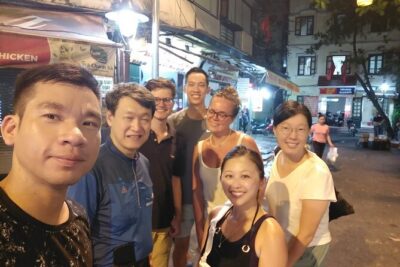
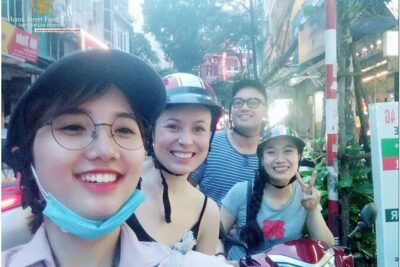
Hanoi old quarter sightseeing & street food eating by Motorcycle
Read our review →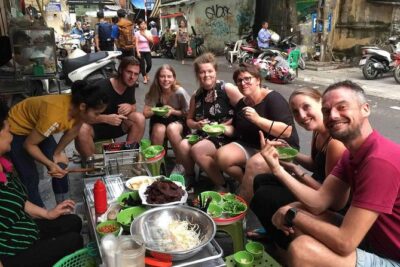
Private Street Food Tour – Walking Hanoi Old Quarter
Read our review →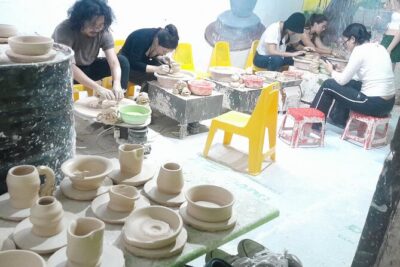
Bat trang Pottery Class in Hanoi Old Quarter/Handmade experience
Read our review →
Bat trang Pottery Ceramics Class in Hanoi’s Old Quarter | VN
Read our review →Browse the lists this tour appears in