Reviewed · TOURS
Hanoi Local Tours: Villages/Art Excursion
The most interesting part of this day is the chance to leave Hanoi’s busy streets and visit four very different craft and religious sites in the Red River Delta. I like the hands-on pottery session at Bat Trang and the chance to see Dong Ho folk art, a small village tradition tied to countryside life and festivals. The main drawback is that the experience can feel uneven: the driver may not provide full guiding, and some stops can be commercial rather than deeply local.
I also like the value for a small group. At $122 for up to three people, the private car, fuel, tolls, parking, bottled water, and hotel transfers make the price reasonable if you are traveling with two companions. Still, you should book with modest expectations, since the schedule has limited time at each site and one detailed account describes a rushed return and a missed Dong Ho village visit.
Key points to know before booking
- Bat Trang includes pottery making, not just a look around the shops.
- Dong Ky is a woodcarving village known for large, ornate furniture made by skilled craftspeople.
- But Thap Pagoda contains major Vietnamese sculpture, including a thousand-handed and thousand-eyed Guanyin.
- Dong Ho village is tiny, with fewer than 200 households and a folk-art tradition tied to daily life and festivals.
- The private rate covers up to three people, making it more attractive for a small party than for a solo visitor.
- The English service may be limited, since the advertised English-speaking driver may function mainly as a driver rather than a full guide.
Four craft villages and a pagoda in one day
This outing is designed as a long loop from Hanoi, with pickup at 8:00 a.m. and a return planned for about 5:00 p.m. The listed route covers roughly 80 kilometers, though the stated driving estimate of two hours should be read as an approximate total rather than a promise of door-to-door road time.
You begin at your hotel lobby. Pickup details matter here, so provide the hotel name, address, and room number in advance. The stated pickup point is 6 Đ. Láng, and hotel pickup and drop-off are included with the private car.
The day combines craft production, architecture, folk culture, and food. That mix is useful if you want more than city sights, but it also means no single stop receives a very long visit. You will spend about an hour at Bat Trang, two hours at the next village stop, an hour for lunch or free time, and roughly an hour at each of the final two attractions.
Other ways to fill a day around Hanoi:
- Hanoi Jeep Tour: Food, Culture and Fun by Vietnam Army Jeep
★ 5.0 · 15,222 reviews - Full-Day Ninh Binh Highlights Tour from Hanoi
★ 5.0 · 7,761 reviews - Hanoi: Ha Long Bay Day Cruise – Swimming, Meal, Kayaking
★ 4.7 · 7,415 reviews
Bat Trang pottery: the best hands-on stop
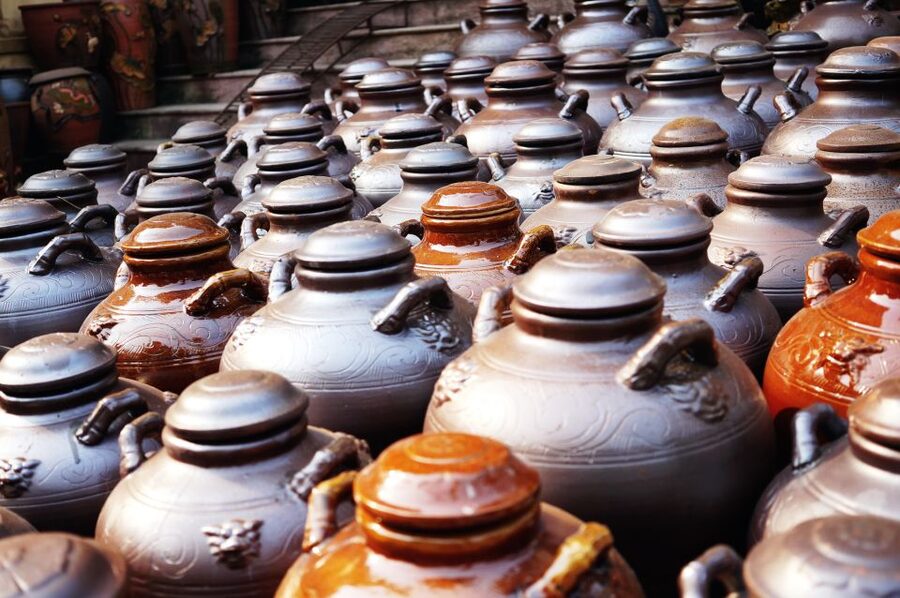
Bat Trang is the clearest activity on the schedule. This traditional ceramic village is known for pottery, and shopkeepers guide you in making your own ceramic product. That practical element gives the stop more purpose than simply walking past shelves of finished bowls, cups, and ornaments.
I would treat the pottery session as the heart of the day. You get to handle the material and see how a finished object begins, even if the surrounding area feels commercial. The visit is scheduled for about one hour, so you should not expect a long workshop or a detailed studio course.
There is an important distinction here. Bat Trang is a working craft center, but it is also a popular shopping stop. One account describes the pottery building as crowded with schoolchildren and focused on sales rather than on seeing potters at work. That does not cancel out the value of making a piece yourself, but it does mean you should not picture a quiet village studio.
If you prefer calm, unhurried craft visits, this may be the least satisfying part of the route. If you enjoy trying something with your hands and browsing ceramics afterward, it is likely to be the most immediately enjoyable stop.
Dong Ky woodcraft and the scale of Vietnamese furniture
The route then continues to Dong Ky, a traditional woodcarving village in Dong Quang commune, Tien Son district, Bac Ninh province. The village is known for carved furniture, including large pieces with elaborate decoration and a distinctly formal style.
The appeal here is craftsmanship. Skilled woodworkers produce furniture with detailed carving, polished surfaces, and heavy construction. You may be struck by the scale and finish of the pieces, particularly if you have an interest in traditional furniture or decorative arts.
The limitation is that this is not presented as a broad village walk with many open workshops. A detailed account found only two shops operating, with large Chinese-influenced furniture on display. That is useful information for setting expectations. The stop may show you finished work more clearly than it shows a full production process.
I would see Dong Ky as a short cultural look at a specialized trade, not as a major shopping destination unless you are seriously interested in carved furniture. The two-hour allocation may also include travel, walking, and time across more than one part of the visit, so ask the driver to keep the schedule clear if this craft matters most to you.
A local meal with Hanoi specialties
Lunch is scheduled at a local restaurant, with about an hour for a break and free time. The food description includes several well-known Hanoi dishes:
- Xoi xeo, sticky rice served in a savory style
- Noodle soup
- Bun thang, a Hanoi noodle dish
- Bun dau mam tom, rice noodles with fried tofu and fermented shrimp paste
- Banh cuon, steamed rice rolls
This is a good chance to try foods that are part of everyday northern Vietnamese eating rather than relying only on familiar tourist meals. The strongest flavors may come from bun dau mam tom, whose fermented shrimp paste is not for everyone. If you are sensitive to strong aromas, ask what is being served before ordering.
The information does not specify one fixed menu, so you should not assume you will receive every dish listed. Think of these as examples of local foods available during the day. The one-hour break is enough for a meal, but it is not a long food tour with several tastings.
Something completely different for the rest of your time in Hanoi:
- Hanoi: Water Puppet Show Tickets
★ 4.6 · 7,029 reviews - Hanoi Motorbike Tour: Food, Culture and Fun by Vintage Motorbike
★ 5.0 · 6,699 reviews - Hanoi: Guided Food Tour with Train Street Visit
★ 4.9 · 6,239 reviews - Hanoi Cooking Class: Culture, Local Market & Meaning CSR Impact
★ 5.0 · 5,147 reviews
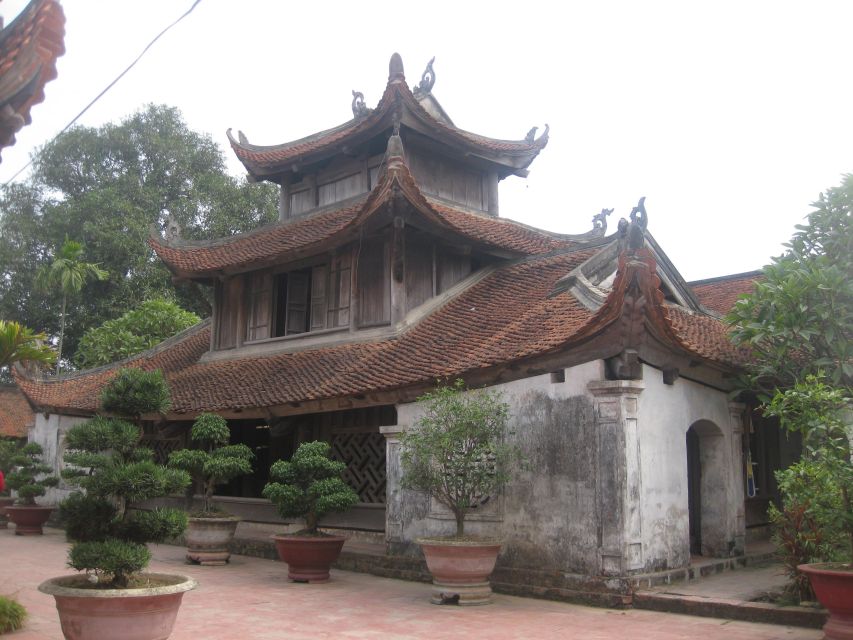
But Thap Pagoda and the Guanyin masterpiece
But Thap Pagoda is the most important historical and artistic stop on the route. The complex includes 10 buildings spread across about 100 meters, running from the three-entrance gate to the bell tower and rear buildings.
Inside are more than 50 statues and other old objects. The most notable is the thousand-handed and thousand-eyed Guanyin, a major example of 17th-century Vietnamese wood carving. Its many arms and eyes represent the ability to see suffering and offer help in every direction.
This is the stop where the quality of the art matters more than the amount of time spent. The pagoda is not simply a quiet religious building. It gives you a chance to see the level of carving and religious sculpture that developed in northern Vietnam during the 17th century.
A practical warning: the pagoda may be more meaningful if you already have some interest in Vietnamese Buddhist art, architecture, or religious traditions. One account found it more interesting to Vietnamese visitors than to outsiders and described the site as somewhat touristy. I would not treat that as a reason to skip it, but I would prepare for a cultural visit rather than a dramatic sightseeing reveal.
Wear comfortable shoes. The tour includes walking at several stops, and the pagoda complex spreads across a substantial distance from entrance to rear buildings.
Dong Ho village and its small-scale folk art
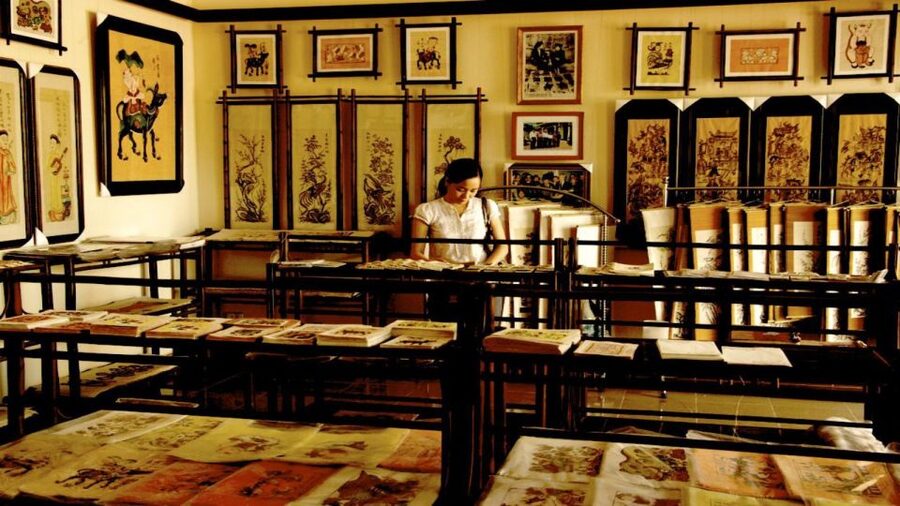
The final cultural stop is Dong Ho village, also called Mai village. It is very small, with no more than 200 households. Its traditional paintings describe countryside scenes, ordinary life, customs, and festivals.
Dong Ho art is valuable because it connects visual art with village culture. These are not simply decorative pictures. They present a view of rural life and traditional celebrations in a direct, accessible style.
The schedule gives the painting village about an hour. That should be enough for an introduction, but not necessarily enough for an extensive demonstration or a long conversation with artists. The supplied description does not promise a formal painting workshop, so you should not book this expecting to make a print yourself.
This stop also needs special attention because the route may not always run as described. One account says the painting village was not visited, and the vehicle returned to Hanoi around 3:00 p.m. instead of the planned 5:00 p.m. return. That could reflect a navigation problem, an incomplete understanding of the program, or a change on the day. Either way, confirm the full sequence with the driver at pickup, especially if Dong Ho is your main reason for booking.
What the private car adds to the experience
The tour uses an air-conditioned private car for a group of up to three. Included costs cover the driver, fuel, road tolls, parking, land transport, hotel pickup and drop-off, and one 0.5-liter bottle of water per person per day.
For three people, $122 works out to about $41 per person before any meal or optional purchases. That is fair for a full-day private transfer covering several sites outside Hanoi. You are paying for convenience and flexibility more than for a polished guided tour.
For one person, the value is weaker. The same group price becomes a much higher individual cost, and the English-speaking driver may not give the depth of explanation you would expect from a dedicated guide. For a couple or family of three, the calculation is more favorable.
The private format also lets you ask for a little more time at a preferred stop, though the driver may need to keep the overall route moving. Since the experience includes several places and an estimated 80 kilometers of travel, a clear morning conversation about priorities is sensible.
The guide question: driver or full cultural guide?
The service is described as including an English-speaking driver. That wording is important. It does not clearly promise a professional guide at every stop, a scholar of Vietnamese art, or a local craft specialist.
One detailed account describes a driver who did not speak English well, did not know the route, and seemed unfamiliar with the program. You should take this as the biggest practical risk. The tour can still work as private transport, but the experience loses much of its value if you cannot confirm the stops or understand what you are seeing.
At pickup, confirm these four points directly:
- Bat Trang pottery activity
- Dong Ky woodcraft village
- But Thap Pagoda
- Dong Ho painting village
You should also confirm the planned return time and lunch stop. These simple checks may prevent the day from becoming only a drive to a pottery shopping center and a pagoda.
Timing, comfort, and what to bring
The tour lasts eight hours, with a planned 8:00 a.m. pickup and about 5:00 p.m. drop-off. Bring comfortable shoes because the itinerary includes walking through village areas and the pagoda complex.
Sunglasses, a sun hat, and sunscreen are also recommended. Bottled water is included, but the stated amount is limited to 0.5 liter per person, so carrying extra water is sensible in warm weather.
Oversize luggage is not allowed. Smoking, alcohol, and drugs are also prohibited. This is best treated as a day excursion, not as a transfer with room for large bags.
The experience is available as a private group, and cancellation is free up to 24 hours before departure. You can also reserve and pay later, which helps if your Hanoi schedule may change.
Who should book this Hanoi village tour?
I would recommend this outing to a small group that wants to see several cultural sites beyond central Hanoi without arranging separate transport. It suits people who enjoy pottery, furniture, folk art, and old religious architecture more than people looking for one perfectly focused attraction.
Families may like the pottery activity, especially because it gives the day a hands-on element. Art-minded visitors will get the most from Dong Ho painting and the carved statues at But Thap. A group of three receives the best value from the fixed price.
I would be cautious if your priority is a carefully explained cultural tour in fluent English. The route depends heavily on the driver, and the available information does not guarantee a dedicated guide. You should also be comfortable with a commercial feel at Bat Trang and a possibly brief look at Dong Ky.
Should you book it?
Book this tour if you want a convenient private car, a pottery activity, and a broad introduction to northern Vietnamese village crafts. The $122 group price is sensible for up to three people, and But Thap Pagoda gives the day real artistic weight.
Skip it if you need a reliable, in-depth guide or if Dong Ho village is essential and you cannot confirm it will be visited. Before leaving Hanoi, check the driver’s English, repeat the four-stop route, and make sure the planned return is around 5:00 p.m. Those checks will tell you quickly if this is the right fit.
FAQ
How long does the tour last?
The planned duration is eight hours, with pickup at about 8:00 a.m. and drop-off around 5:00 p.m.
How much does the tour cost?
The price is $122 per private group of up to three people.
Is hotel pickup included?
Yes. Hotel pickup and drop-off are included, and you should provide the hotel name, address, and room number in advance.
What language does the driver speak?
The activity lists an English-speaking driver. The available information does not identify a separate guide or guarantee extensive guiding at each stop.
Is the tour private?
Yes. It is offered as a private group experience.
Which craft villages are included?
The planned route includes Bat Trang ceramic village, Dong Ky wooden handicraft village, and Dong Ho folk painting village.
What is special about But Thap Pagoda?
But Thap Pagoda has 10 buildings, more than 50 statues, and a notable thousand-handed and thousand-eyed Guanyin sculpture associated with 17th-century Vietnamese wood carving.
Is lunch included?
A one-hour stop at a local restaurant is included in the schedule, but the information does not clearly state that the meal itself is included in the price.
What local foods may be available?
The food description includes xoi xeo, noodle soup, bun thang, bun dau mam tom, and banh cuon.
What should I bring?
Bring comfortable shoes, sunglasses, a sun hat, and sunscreen. Bottled water is provided, and oversize luggage is not allowed.
Just added to the Hanoi list
- (TOP) Private car: Hanoi/Noi Bai Airport (HAN) from/to Ninh Binh★ 3.5 · 16 reviews
- Thang Long Water Puppet Theater★ 4.5 · 45 reviews
- Private car transfer from Hanoi Airport to Hotels★ 4.5 · 5 reviews
- Private Tour Ninh Binh 1 Day★ 5.0 · 5 reviews
- Private Hanoi Old Quarter Food Tour with 8+ Authentic Tastings★ 5.0 · 11 reviews
- Private Transfer Service from Hanoi to Ha Long Bay★ 5.0 · 3 reviews
- Private Transfer Between Hanoi City and Noi Bai Airport (HAN)★ 5.0 · 3 reviews
- Private Hanoi Food Walking Tour of the French Quarter★ 5.0 · 38 reviews
Tours, compared.

Hanoi Jeep Tour: Food, Culture and Fun by Vietnam Army Jeep
Read our review →
Full-Day Ninh Binh Highlights Tour from Hanoi
Read our review →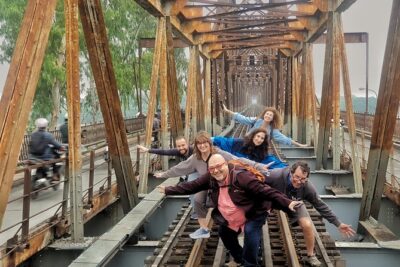
Hanoi Motorbike Tour: Food, Culture and Fun by Vintage Motorbike
Read our review →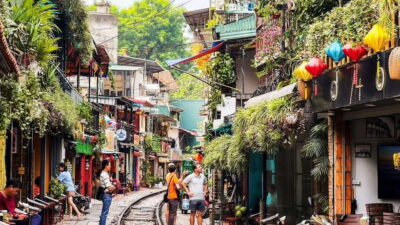
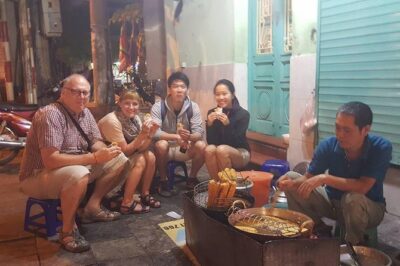
Small Group Hanoi Street Food Tour with a Real Foodie
Read our review →
Ninh Binh Full-Day Tour from Hanoi to Hoa Lu, Tam Coc & Mua Cave Via Boat & Bike
Read our review →
Ninh Binh, Bai Dinh/Hoa Lu, Trang An, & Mua Cave Tour
Read our review →