

Reviewed · SAPA TOURS FROM HANOI
2-Day Sapa Tour – Overnight in Ta Van Village (All in One)
Ta Van Village is the heart of this trip. After the long ride from Hanoi, you walk through rice terraces, along the Muong Hoa Stream, and into villages where H’Mong, Giay, and Red Dzao communities live. I like the local ethnic minority guide and the overnight stay with a village family. Guides such as Dao and Chang can make the walk feel personal rather than like a simple photo stop.
I also like the price: $36 covers buses, meals, lodging, guide service, and entrance fees. The catch is the schedule. You spend many hours on buses, and the homestay is basic. Communication may also be uneven, so send your phone number and pickup details before departure.
Key points to know before booking

- A long first-day trek: Walk about 9 kilometers from Y Linh Ho through Lao Chai to Ta Van, usually in about three and a half hours.
- A real village overnight: Sleep in a bungalow or stilt-house dorm with basic facilities, clean water, and fresh food.
- Local guides matter: Dao and Chang have received especially warm praise for making the trek friendly, light, and informative.
- Two ways to reach Sapa: Take a morning bus from Hanoi or use the overnight sleeper bus and rest on board until morning.
- A compact second trek: Walk about 4 kilometers through bamboo forest and rice paddies to a view of Giang Ta Chai.
- Excellent value, limited comfort: At $36, the tour is inexpensive, but it is not designed for private rooms, slow mornings, or luxury transport.
Why this Sapa trip works so well for a short visit

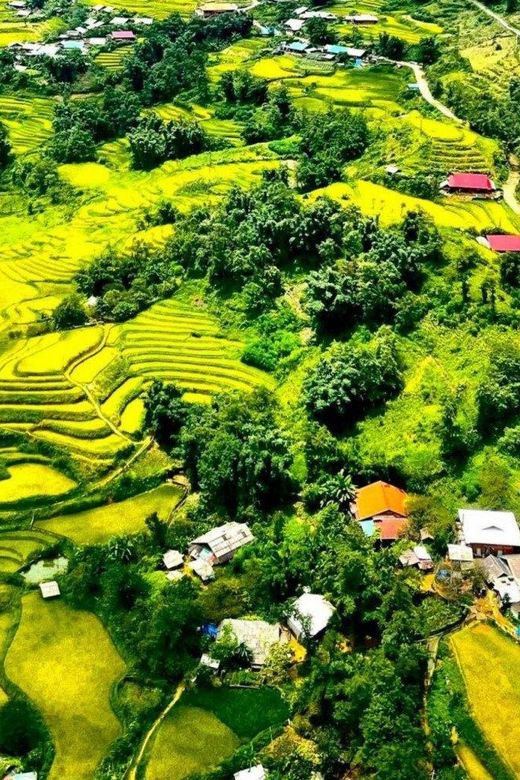
Sapa is famous for its steep rice terraces and mountain villages, but reaching the best walking routes on your own can take planning. This tour handles the long-distance transport from Hanoi and then puts you on foot for the part that matters most.
You get two different kinds of Sapa time. The first afternoon is the major walk, with wide views of Hoang Lien Son Mountain, terraced fields, and villages along the Muong Hoa Stream. The second morning is shorter and quieter, with bamboo forest, rice paddies, and a panorama toward Giang Ta Chai.
I like that the tour does not stop at Sapa Town alone. Sapa gives you shops, restaurants, and a chance to see H’Mong, Dzao, and Tay clothing. Ta Van gives you a closer look at village life, shared meals, and the slower rhythm of the valley.
The group is limited to 10 people. That is small enough for a guide to keep an eye on the walking pace and explain things without shouting across a crowd. It also means the social side of the homestay can be enjoyable, especially if you join other visitors at a nearby local bar in the evening.
More Sapa treks and homestays:
- Sapa 2 Days 1 Night From Hanoi – Overnight in Ta Van Village
★ 5.0 · 2,669 reviews - Hanoi – Sapa 2 Days 1 Night Overnight At Homestay
★ 5.0 · 899 reviews - From Hanoi: 2-Day Sapa Trekking Trip with Homestay & Meals
★ 4.8 · 704 reviews
Getting from Hanoi to Sapa by morning bus
The morning option starts with pickup in Hanoi’s Old Quarter between 6:00 and 6:20. You transfer to a larger bus, then follow the highway toward Lao Cai and Sapa. There are two comfort stops, including one before the final climb toward Sapa.
You reach Sapa Town at about 13:00. The bus ride takes up much of the day, but that is the tradeoff for a low-cost package from Hanoi. A modern air-conditioned bus or limousine bus is included, though the exact vehicle depends on the option you book.
I suggest treating this as a transport day rather than expecting a relaxed morning in Hanoi. Eat something before pickup, keep water and medication close, and make sure your luggage is easy to handle. The tour includes a small bottle of water on the bus, but you may want more for the trek.
Your pickup point may vary. Send the supplier your hotel, hostel, or Airbnb details in Hanoi’s Old Quarter, along with a working phone number for WhatsApp, Line, Viber, or KakaoTalk. That simple step is important because pickup arrangements can change.
The overnight bus option and its tradeoffs

You can also take the sleeper bus from Hanoi at about 22:20. Pickup is at the bus station on 30 Ly Thai To Street in Hoan Kiem. The bus reaches Sapa around 5:00 the next morning, and you can continue sleeping on board until about 6:00.
A guide then meets you for breakfast. The trek begins around 8:00.
This option saves a hotel night and gives you more daylight for the walking portion, but it is not the same as arriving rested after a proper night in bed. If you sleep well on buses, it is efficient. If you need solid rest before a mountain walk, the morning bus may feel kinder, even though it uses most of Day 1.
Both options lead to the same basic village program. Check the specific departure and pickup details before paying because the transfer schedule can vary.
Day 1: Y Linh Ho, Lao Chai, and the walk to Ta Van
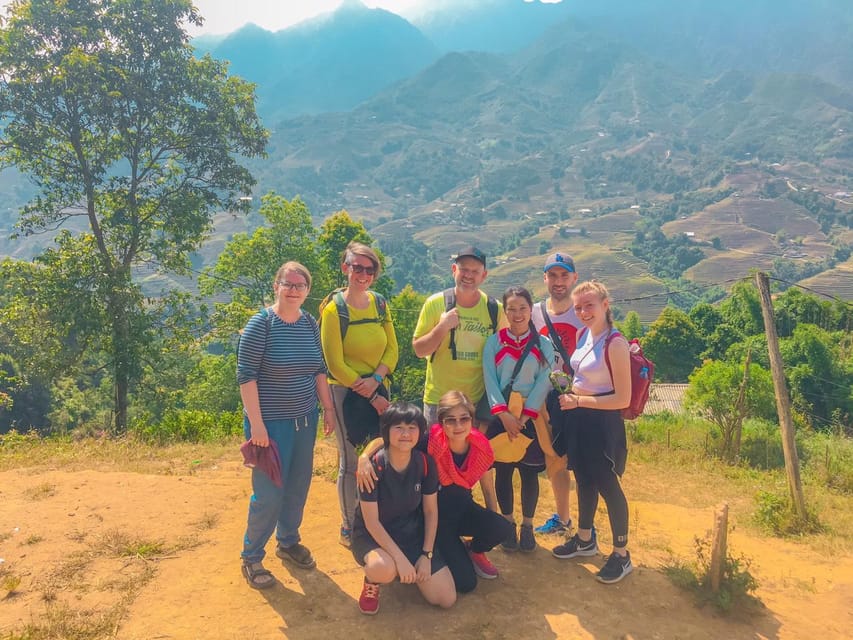
After reaching Sapa, you meet the guide, have lunch at a local restaurant, and begin the main trek at about 14:30. The route starts around Y Linh Ho, then continues through rice terraces and along the Muong Hoa Stream toward Lao Chai.
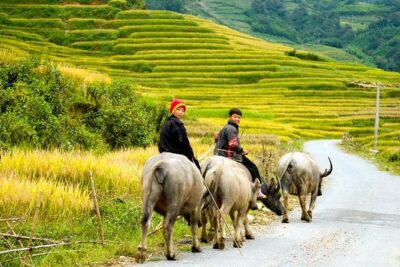
The scenery is the main reward here. You get open views of the Hoang Lien Son range, sloping fields, and narrow village paths. The route is not just a viewpoint visit. You spend several hours moving through the valley, which gives you time to notice how the villages connect with the farmland.
Lao Chai is associated with the Black H’Mong people. You may see traditional clothing and local homes as you pass through the village. The guide is important because the visual details alone do not explain how the different communities relate to the area.
The trek is about 9 kilometers and lasts around three and a half hours. That distance is manageable for many people with reasonable fitness, but it is not a casual stroll. Paths can be uneven, and Sapa’s weather can shift quickly. Bring proper trekking shoes, not smooth-soled fashion trainers.
By late afternoon, you reach Ta Van, home to the Giay people. Check-in is scheduled for about 17:45, giving you time to settle in and enjoy the mountain light before dinner.
More 2-day tours in Hanoi:
- Amanda Cruise – Ha Long, Lan Ha Bay – All Inclusive 2D1N & 3D2N
★ 5.0 · 4,358 reviews - Hanoi: 2-Day Halong & Lan Ha Bay 5-Star Cruise with Balcony
★ 4.8 · 3,300 reviews - Halong Bay – Le Journey Cruises – All Inclusive 2D1N and 3D2N
★ 5.0 · 2,500 reviews - Mon Chéri Cruise 5 star: Unique 2 Days Tuan Chau – Halong bay – Lan Ha Bay
★ 5.0 · 2,422 reviews
What the Ta Van homestay is really like

The overnight stay is one of the strongest reasons to choose this tour. You sleep in a bungalow or a dorm-style stilt house in the village, rather than returning to a hotel in Sapa Town.
Keep your expectations practical. The homestay has clean water and fresh food, but the facilities are basic and tied to local village life. This is a cultural stay, not a resort night. You should be comfortable with shared or simple sleeping arrangements and with fewer comforts than you would find in town.
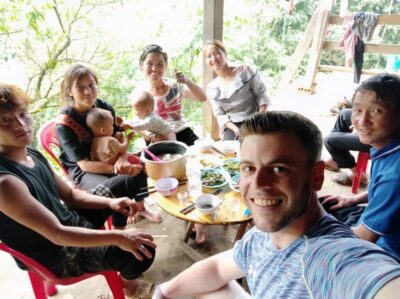
Dinner is included. You may help the family prepare local dishes, then eat together in a quieter setting. That small activity can tell you more about daily life than a quick stop at a market. It also gives the guide and host family a chance to explain the food and customs.
After dinner, you can spend time at a nearby local bar with music and other people on the tour. You are not required to go. If you are tired after the 9-kilometer walk, staying at the bungalow may be the better choice.
Guides named Dao and Chang have been especially well received for their warmth and energy. Dao, who is 21, has been praised for making the two-day trek feel easier while sharing useful information. Chang has also been singled out for showing beautiful spots and putting real care into the guiding. Guide quality can shape this trip more than the bus or the bedroom, so these personal touches matter.
Day 2: Bamboo forest and Giang Ta Chai

Breakfast is prepared by the family at about 8:00. The second walk starts around 8:45 and covers about 4 kilometers over two hours.
You pass rice paddies and stop for photographs of the surrounding mountains and valleys. The route then enters bamboo forest before reaching a panorama of Giang Ta Chai, a village associated with the Red Dzao people.
This morning is shorter than Day 1, which is useful after the previous afternoon’s trek. You still need comfortable shoes, sun protection, and insect repellent. The trail is part of the attraction, so rushing through it to get back to the bus would miss the point.
At about 11:00, you cross the Giang Ta Chai Bridge and continue to the main road. You return to the bungalow to shower and prepare for lunch. Lunch runs from about 12:30 to 13:30.
The schedule is tight but clear. A van or car takes you to the bus station at about 13:30, where you receive the return bus ticket. You then have roughly an hour to walk around Sapa Town or shop at the market before meeting the group.
Returning to Hanoi by bus

The return bus leaves around 15:30 and makes two rest stops. Arrival in Hanoi is scheduled for about 21:30, with drop-off at the meeting point rather than directly at your hotel.
That final day is long. You trek in the morning, shower and eat lunch, transfer to Sapa, spend a little free time in town, then sit on a bus for several hours. Plan a lighter evening in Hanoi rather than a late dinner reservation or another activity.
The free time in Sapa is useful, but do not expect a full sightseeing session. You have enough time for a short walk or some market shopping, not a careful tour of the town.
What the $36 price includes
At $36 per person, this is strong value for a two-day trip from Hanoi. The cost includes:
- Air-conditioned bus or limousine bus from Hanoi to Sapa and back
- English and Vietnamese speaking guide service
- One night in a bungalow or stilt-house dorm
- Meals listed in the schedule
- A small bottle of water on the bus
- Entrance fees
- Hotline support
You would spend a fair part of that amount on Hanoi to Sapa transport alone if booking each piece separately. Adding two days of guiding, several meals, a village night, and local transfers makes the package appealing for people watching their budget.
The low price also explains what you do not get. There is no promise of a private room, premium transport at every stage, or a flexible private itinerary. The group is small, but it is still a group. You follow the set timing because the return bus leaves at a fixed hour.
One concern is communication. Most arrangements are handled by phone and messaging, and at least one booking has suffered from unanswered contact. I would confirm your pickup point, departure choice, and guide meeting details before the trip. Save the supplier’s contact information and keep your phone charged.
Weather, clothing, and trail preparation

Sapa can be cold from September through March, especially in December, January, February, and March. Fog is also possible during those winter months, which can soften the mountain views and make the paths feel damp.
Pack layers rather than one heavy coat. A warm top, scarf, hat, or cap can make a big difference, while a light waterproof layer is sensible when the weather changes.
Your basic packing list should include:
- Trekking shoes with good grip
- Warm layers
- Sunglasses and sun cream
- Insect repellent
- Personal medicine
- Cash in Vietnamese dong
- A charged phone and power bank if available
The banking system in Sapa may not always work properly. US dollars, euros, and Australian dollars are accepted in Sapa, but Vietnamese dong is the safer option for small purchases.
This tour is not suitable for wheelchair users. It also does not allow pets. The walking routes, village paths, stairs, and basic homestay setup make the trip best for people who can manage several hours on foot.
Who should book this tour
I would choose this trip if you want to see Sapa’s rice terraces and villages without arranging every bus, meal, entrance ticket, and overnight stay yourself. It is particularly well suited to first-time visitors with only two days available.
It also suits you if you value local contact more than comfort. The guide, family meal, village night, and walks through Lao Chai and Giang Ta Chai are the real point. The bungalow is part of that setting, so its basic facilities should not come as a surprise.
You may want another option if you prefer private rooms, a slower pace, or more control over photo stops. The two-day schedule is efficient but packed. The long bus rides may also be tiring, especially if you choose the sleeper bus and do not sleep well.
Should you book the Ta Van Village tour?
Book it if you want a low-cost, active introduction to Sapa with a real village overnight and local guiding. The best parts are specific: the 9-kilometer route from Y Linh Ho to Ta Van, the Giang Ta Chai walk, the Giay homestay, and the chance to learn from guides such as Dao or Chang.
Skip it if basic lodging, fixed group timing, and long bus journeys sound frustrating. Confirm your phone contact and pickup details in advance, pack for changing weather, and arrive ready to walk. With those expectations, the $36 price gives you a lot of northern Vietnam in just two days.
FAQ
How long is the Sapa tour?
The activity lasts two days, including transport between Hanoi and Sapa, the overnight stay in Ta Van Village, and the return bus to Hanoi.
What is the walking distance on Day 1?
The first trek is about 9 kilometers and usually lasts around three and a half hours. It runs from Y Linh Ho through Lao Chai and onward to Ta Van Village.
How long is the Day 2 trek?
The second trek covers about 4 kilometers and lasts around two hours. It includes rice paddies, bamboo forest, and a panorama of Giang Ta Chai.
Where do you sleep?
You spend one night in a bungalow or stilt-house dorm in Ta Van Village. The accommodation is basic and provides clean water and fresh food.
Are meals included?
Yes. Lunch and dinner are included on Day 1, while breakfast and lunch are included on Day 2.
Can I take a night bus from Hanoi?
Yes. The overnight sleeper bus leaves at about 22:20, reaches Sapa around 5:00, and allows you to rest on the bus until about 6:00 before breakfast and the trek.
What should I bring?
Bring warm clothing, trekking shoes, sunglasses, sun cream, insect repellent, personal medicine, and cash in Vietnamese dong. Sapa weather can change quickly, and it can be cold or foggy from December through March.
Just added to the Hanoi list
- (TOP) Private car: Hanoi/Noi Bai Airport (HAN) from/to Ninh Binh★ 3.5 · 16 reviews
- Thang Long Water Puppet Theater★ 4.5 · 45 reviews
- Private car transfer from Hanoi Airport to Hotels★ 4.5 · 5 reviews
- Private Tour Ninh Binh 1 Day★ 5.0 · 5 reviews
- Private Hanoi Old Quarter Food Tour with 8+ Authentic Tastings★ 5.0 · 11 reviews
- Private Transfer Service from Hanoi to Ha Long Bay★ 5.0 · 3 reviews
- Private Transfer Between Hanoi City and Noi Bai Airport (HAN)★ 5.0 · 3 reviews
- Ba Be National Park With Boat Trip, Kayaking, Swimming, Trekking And Cycling★ 5.0 · 10 reviews
Sapa Tours from Hanoi, compared.
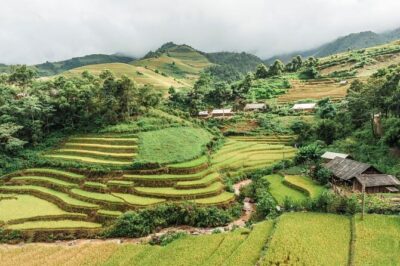
Sapa 2 Days 1 Night From Hanoi – Overnight in Ta Van Village
Read our review →
Sapa 3 Days 2 Nights Trekking Tour (1 Night In Ta Van Village, 1 Night In Hotel)
Read our review →
3-Day Trekking Adventure of Sapa from Hanoi – Stay Ta Van Village
Read our review →
2-Day Sa Pa Ethnic Homestay Tour & Trek with Limousine Bus
Read our review →
Sapa 2 Days 1 Night From Hanoi – Overnight in Hotel
Read our review →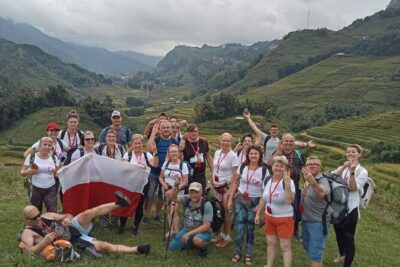
Sapa 3 Day 2 Night Trekking With Hotel & Homestay
Read our review →Browse the lists this tour appears in