

Reviewed · SAPA TOURS FROM HANOI
From Hanoi: Sapa Tour w Fansipan Peak 3 days 2 nights
Sapa’s real reward is not simply the mountain views. It is the chance to walk between hillside villages, meet H’mong, Dzay, and Red Dao communities, and see rice terraces, bamboo forest, and waterfalls at a human pace. I especially like the 17-person group limit and the useful Hanoi pickup, which removes much of the transport fuss.
I also like the flexible third day: you can save money with a free morning in Sapa or pay extra for the Fansipan cable car. The main catch is the 17-kilometer trek on day two, which is a serious walk, and there is no guide with you on the final day.
Key points at a glance
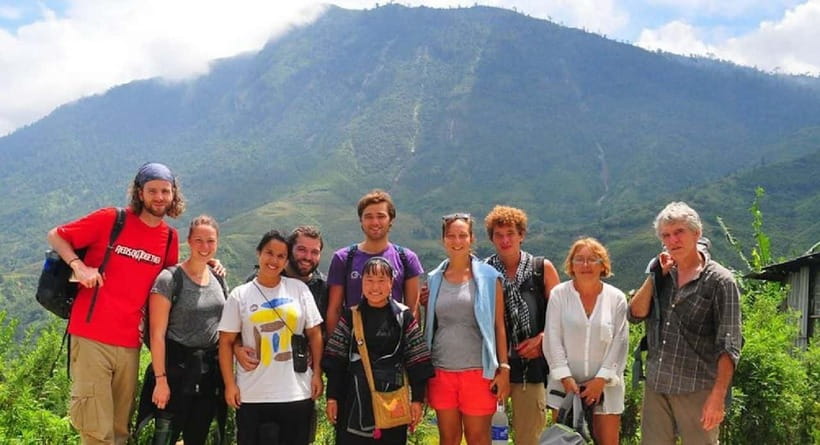
- Cat Cat begins the Sapa experience: Walk among Black H’mong homes and village scenery soon after arriving.
- Day two is the physical heart of the tour: The route covers Lao Chai, Ta Van, and Giang Ta Chai, with terraces, bamboo forest, and waterfalls.
- Fansipan is optional: The cable car ticket costs extra, but it gives you a simple way to reach Vietnam’s highest mountain peak.
- Chang helps set the tone in Sapa: She assists with hotel check-in and lunch and shares practical insight into local life.
- The $161 price covers the basics well: Transport, two nights of shared lodging, meals, entrance fees, and a local English-speaking guide are included.
Why this three-day Sapa trip works
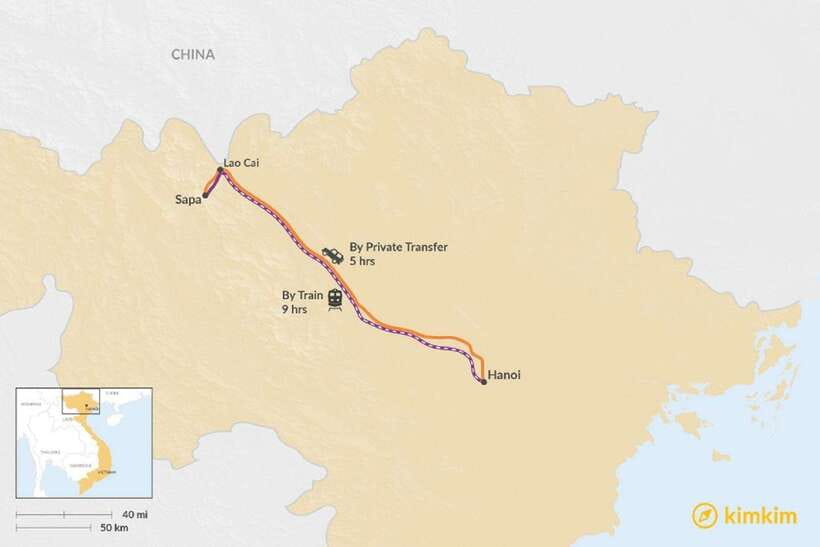
This tour is built for you if you want a quick introduction to northern Vietnam without arranging every bus, hotel, meal, and village visit yourself. You leave Hanoi early, reach Sapa around lunchtime, spend a full day walking through the surrounding villages, then return to Hanoi on the third afternoon.
The pace is brisk. You are not getting a slow rural retreat with long stretches of free time. Instead, you get a compact mix of town time, village walking, local contact, and a choice of mountain sightseeing.
The small-group format matters here. A maximum of 17 people is easier to manage on narrow village paths than a large coach group. It also gives you a better chance to hear the guide and keep a reasonable pace, though the group may still feel busy during the more popular parts of the route.
At $161 per person, the value is strongest for independent visitors who would otherwise need to arrange Hanoi to Sapa transport, two nights of accommodation, meals, local guiding, village entry fees, and the return journey. Fansipan cable car tickets are not included, so keep that extra cost in your budget if the summit is a priority.
More Sapa treks and homestays:
- Sapa 2 Days 1 Night From Hanoi – Overnight in Ta Van Village
★ 5.0 · 2,669 reviews - Hanoi – Sapa 2 Days 1 Night Overnight At Homestay
★ 5.0 · 899 reviews - From Hanoi: 2-Day Sapa Trekking Trip with Homestay & Meals
★ 4.8 · 704 reviews
The early road from Hanoi to Sapa
Pickup is offered from hotels in Hanoi’s Old Quarter. You should wait in your hotel lobby 10 minutes before the scheduled time. If you are staying outside the Old Quarter, you can go to the departure office at 31 Lo Su in Hoan Kiem.
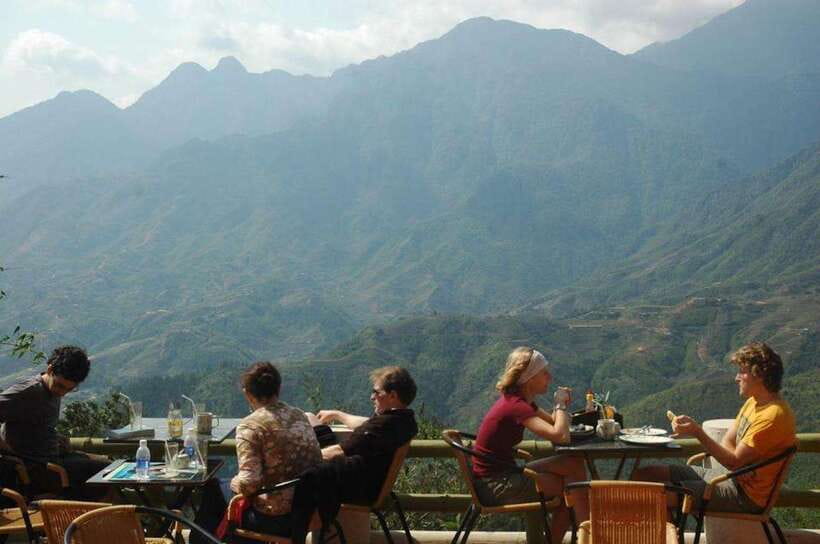
The trip heads north through the countryside toward Lao Cai. There is a break at Lao Cai, followed by the scenic road up to Sapa. This part of the journey is not a sightseeing stop-by-stop excursion, but you will see mountain scenery and rice terraces as the road climbs.
A luxury bus transfer is included in both directions. That is a useful part of the package because Sapa is far enough from Hanoi that transport arrangements can eat up time and attention. Still, prepare for a long first travel day. You leave early and do not reach Sapa until about 1 p.m.
First afternoon in Sapa and the walk to Cat Cat

After arriving in Sapa Town, you have lunch with traditional Vietnamese dishes. Your accommodation check-in starts at 1 p.m., so the timing fits the hotel schedule, though the first afternoon may feel tightly arranged after the road trip.
One especially useful touch is the arrival support from Chang. She helps with check-in and lunch arrangements, and she explains aspects of life in Sapa, including how the area is changing and what local people hope for in the future. That kind of practical conversation can add meaning to the village visits, instead of leaving you with only photographs and a few place names.
The afternoon walk goes to Cat Cat village, home of the Black H’mong. You will see traditional clothing and get an early look at local handicrafts and daily life. The route offers a gentle introduction to the area before the longer walk on day two.
Cat Cat is close enough to Sapa to fit comfortably into the arrival day, but do not expect complete solitude. Its easy access makes it one of the better-known village visits in the area. I would treat it as an orientation walk, not as the most remote or demanding part of the trip.
Back in town, your evening is free. Sapa has its own atmosphere after the day visitors leave, and free time lets you eat, browse, or simply rest without another scheduled activity. Since day two is long, I would use the evening to prepare rather than stay out late.
The 17-kilometer route through three communities

Day two is the main reason to book this tour. After breakfast, you set out on a medium-level trek covering about 17 kilometers round trip. The route takes you toward Lao Chai, Ta Van, and Giang Ta Chai, with time to observe village life and traditional handicraft work.
The distance deserves respect. This is not a short viewpoint stroll, and the terrain around Sapa can make a stated distance feel harder than the number suggests. You should bring proper hiking shoes, sports shoes, sun protection, insect repellent, and water or cash for your needs.
Lao Chai gives you a closer look at the hill communities around Sapa and the way homes and paths fit around rice-growing areas. The scenery is a major part of the day, but the stronger point is the connection between the villages and everyday work. You are not just stopping at a viewpoint and moving on.
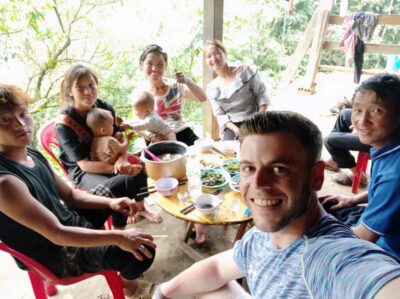
Lunch is served at a local house. This is a valuable pause in the middle of a long route, since it breaks up the walking and gives you a chance to see how a family lives. The experience is simple rather than polished, which is exactly why it can feel more connected to the place.
More 3-day tours in Hanoi:
- Amanda Cruise – Ha Long, Lan Ha Bay – All Inclusive 2D1N & 3D2N
★ 5.0 · 4,358 reviews - Halong Bay – Le Journey Cruises – All Inclusive 2D1N and 3D2N
★ 5.0 · 2,500 reviews - Hanoi: 3-Day Ninh Binh, Ha Long, & Lan Ha Bay 5-Star Cruise
★ 4.8 · 1,401 reviews - Mon Chéri Cruises 5 star: Amazing 3 days exploring Halong & Cat Ba island
★ 5.0 · 1,280 reviews
Ta Van, green tea, and local homes
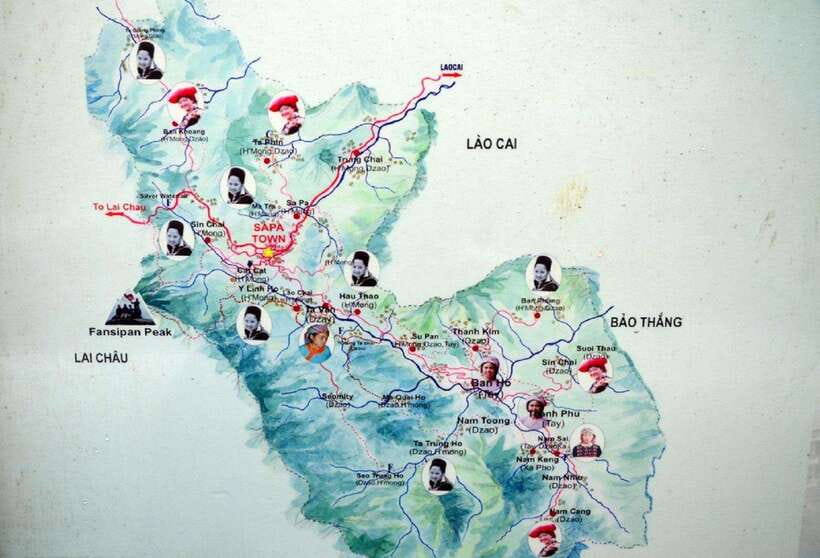
After lunch, you continue to Ta Van, associated with the Dzay people. The village is known for houses set beside rice fields, and the route gives you a different view of Sapa’s ethnic communities from the Black H’mong visit on day one.
You visit a local family home and enjoy green tea while learning about daily life. I like this part because it allows time for conversation. A short home visit cannot explain everything about a community, but it gives you more context than walking through a village without stopping.
The guide’s role is important here. A local English-speaking guide can explain what you are seeing and help keep the exchange respectful. The tour uses English, and the group size is limited to 17, so you should have a better chance of following the explanations than you would in a large coach group.
The route then includes Giang Ta Chai, home to the Red Dao people. You walk through rice terraces and bamboo forest and pass waterfalls. The mix of open fields, shaded paths, and water makes this section more varied than a road-based tour.
The day returns to Sapa Town in the evening, leaving you free again. That sounds relaxed, but remember the 17-kilometer round trip. If you are not used to long walks, you may prefer a quiet meal and an early night.
Choosing Fansipan on the final morning

Day three gives you a choice. You can have a free and easy morning in Sapa, walk around town, and enjoy the atmosphere before lunch. Or you can pay extra for a Fansipan cable car ticket and go up to the peak.
The cable car is not included in the $161 price. This keeps the base cost lower for people who do not care about reaching Fansipan, but it means you need to decide if the additional expense is worth it. You can book the ticket separately as an optional part of the day.
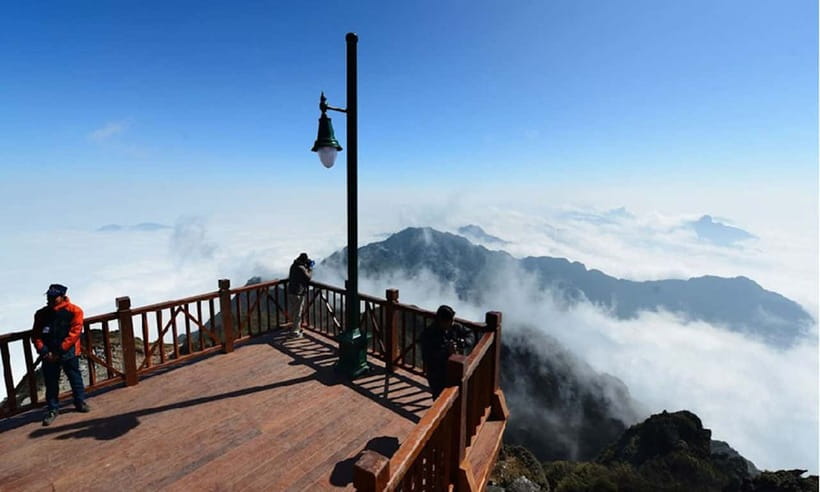
Fansipan is a strong choice if you want a broad mountain view without adding another long trek after day two. You depart from the Sapa cable car station and have free time at the summit to take in the panorama. Weather can affect what you see, so the cable car is best viewed as access to the peak rather than a guarantee of clear views.
If you prefer a slower finish, stay in Sapa. The free morning is useful for anyone who wants a final walk through town, a less rushed breakfast, or a break before the return journey. This flexibility is one of the tour’s better features, especially because the third day has no guide.
After lunch, you have time to explore Sapa independently before the bus collects you at 2:30 p.m. The bus then returns to Hanoi. Since the final day is unguided, make sure you understand the meeting time and place before leaving the group.
What the $161 covers
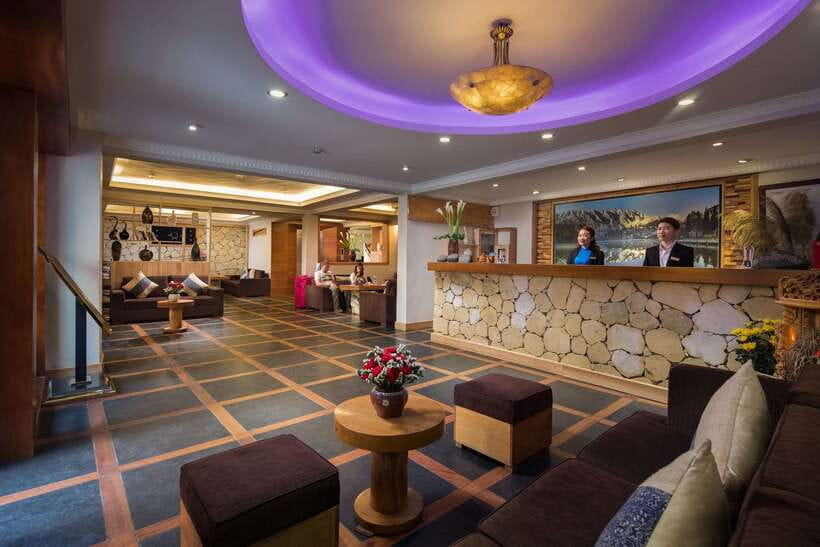
The price includes the luxury bus from Hanoi to Sapa and back, two nights of twin-shared accommodation, three lunches, two breakfasts, entrance fees to the listed sites, and an English-speaking local guide in Sapa. You can also use the hotel swimming pool.
That is a useful bundle for a short trip. Transport alone can be a concern on the Hanoi to Sapa route, and the included meals reduce the need to plan around restaurants during the busiest parts of the itinerary. Shared twin accommodation keeps the price down, so solo visitors should check how room arrangements are handled when booking.
The package does not include Fansipan cable car tickets. It also does not provide a guide on day three. Those are not hidden complications, but they affect the final cost and the amount of support you receive.
The accommodation has an earliest check-in time of 1 p.m. and a midday check-out. The first fits the arrival schedule, while the second means you will need to leave your room before the Fansipan or free-morning option.
Who should book this Sapa itinerary
I would recommend this tour to you if you want a structured first visit to Sapa and prefer not to organize the Hanoi transfer yourself. It suits people who enjoy walking, local village visits, and a full schedule with some free time at night.
It is also a good match if you want several ethnic communities included in one trip. Cat Cat introduces you to the Black H’mong, Ta Van brings in the Dzay, and Giang Ta Chai is connected with the Red Dao. You get variety without needing separate day tours.
The tour is less suitable if you want a gentle holiday. The day two route is long, and the area includes uneven paths and changes in height. It is not suitable for children under seven, pregnant women, or people with mobility impairments.
Pack for changing mountain conditions. Warm clothing, a hat, scarf, sunscreen, insect repellent, hiking shoes, sports shoes, and cash are all listed as useful. Sapa can feel very different from Hanoi, so do not assume warm city weather will be enough.
Practical details that affect the experience
The tour lasts three days and two nights, with starting times shown when you check availability. Pickup is included only from accommodations in Hanoi’s Old Quarter. Outside that area, use the stated office departure point.
Cancellation is flexible up to 24 hours before departure for a full refund, and you can reserve now and pay later. Those terms are helpful if your Vietnam plans are still shifting, but you should still confirm the exact pickup time and hotel details before departure.
The tour is offered in English with a live guide on the Sapa portions. Chang is specifically connected with arrival assistance, check-in, lunch arrangements, and explanations about local life. Guide quality can shape a village walk, so that personal support is a meaningful part of the experience.
The overall rating is 4.2 from 11 reviews, which suggests a generally positive response but not a large enough sample to treat it as a guarantee. The strongest praise centers on warm arrival help, engaging local explanation, and the village walks. Those are also the parts I would value most when choosing this itinerary.
Should you book this tour?
Book it if you want an efficient Sapa introduction with Hanoi transport, a small group, several village communities, and a substantial walking day. The $161 cost is reasonable for the included transport, meals, lodging, entrance fees, and guide, especially if you would otherwise have to arrange each part yourself.
Think twice if you dislike long treks, shared accommodation, or making your own plans on the final morning. Fansipan is optional and costs extra, so compare the total price with your budget before booking.
For an active three-day snapshot of Sapa, I would choose this tour and treat Fansipan as an optional bonus rather than the main event. The village walks and the chance to learn from people such as Chang are the more distinctive parts of the experience.
FAQ
How long is the tour?
The tour lasts three days and two nights.
Where does pickup take place in Hanoi?
Pickup is offered from accommodations in Hanoi’s Old Quarter. You should wait in the hotel lobby 10 minutes before the scheduled pickup time.
Where should I go if I stay outside Hanoi’s Old Quarter?
You can go to the tour office at 31 Lo Su, Hoan Kiem, Hanoi, for departure.
Is Fansipan cable car access included?
No. Fansipan cable car tickets cost extra and are not included in the tour price.
Is there a guide on the third day?
No. The third day is unguided after you return to Sapa from the Fansipan cable car station or spend the morning in town.
What villages does the tour visit?
The itinerary includes Cat Cat, Lao Chai, Ta Van, and Giang Ta Chai. Cat Cat is home to the Black H’mong, Ta Van to the Dzay people, and Giang Ta Chai to the Red Dao people.
How long is the trek on day two?
The day two trek is about 17 kilometers round trip.
What does the price include?
The price includes round-trip luxury bus transport from Hanoi to Sapa, twin-shared accommodation, three lunches, two breakfasts, entrance fees to mentioned sites, an English-speaking local guide in Sapa, and use of the swimming pool.
Who should not join this tour?
The tour is not suitable for children under seven, pregnant women, or people with mobility impairments.
Just added to the Hanoi list
- (TOP) Private car: Hanoi/Noi Bai Airport (HAN) from/to Ninh Binh★ 3.5 · 16 reviews
- Thang Long Water Puppet Theater★ 4.5 · 45 reviews
- Private car transfer from Hanoi Airport to Hotels★ 4.5 · 5 reviews
- Private Hanoi Old Quarter Food Tour with 8+ Authentic Tastings★ 5.0 · 11 reviews
- Private Tour Ninh Binh 1 Day★ 5.0 · 5 reviews
- Private Transfer Service from Hanoi to Ha Long Bay★ 5.0 · 3 reviews
- Private Transfer Between Hanoi City and Noi Bai Airport (HAN)★ 5.0 · 3 reviews
- Ba Be National Park With Boat Trip, Kayaking, Swimming, Trekking And Cycling★ 5.0 · 10 reviews
Sapa Tours from Hanoi, compared.

Sapa 2 Days 1 Night From Hanoi – Overnight in Ta Van Village
Read our review →

Sapa 3 Days 2 Nights Trekking Tour (1 Night In Ta Van Village, 1 Night In Hotel)
Read our review →
3-Day Trekking Adventure of Sapa from Hanoi – Stay Ta Van Village
Read our review →
2-Day Sa Pa Ethnic Homestay Tour & Trek with Limousine Bus
Read our review →
Sapa 2 Days 1 Night From Hanoi – Overnight in Hotel
Read our review →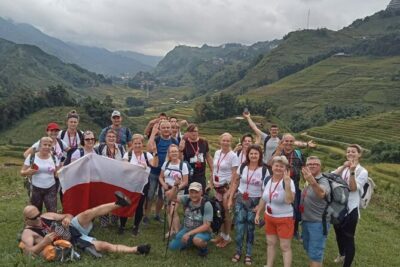
Sapa 3 Day 2 Night Trekking With Hotel & Homestay
Read our review →Browse the lists this tour appears in