
Reviewed · SAPA TOURS FROM HANOI
From Hanoi: Premium 2-Day Sapa Adventure with DCAR Limousine
Sapa’s best moments come on foot, where rice terraces, mountain paths, and village life replace the town’s busy streets. This two-day trip gives you that taste without making you arrange the long Hanoi transfer yourself. I especially like the small group of up to nine and the choice of homestay, bungalow, or hotel.
The DCAR limousine, with Wi-Fi, bottled water, and rest stops, makes the long ride easier. The main catch is time: this is a quick Sapa sampler, and the walks may feel modest for serious hikers. Weather can also turn the terraces muddy or hide the mountains in cloud.
Key points at a glance
- Nine-person DCAR limousine: Ride between Hanoi and Sapa with bottled water, Wi-Fi, and two rest stops.
- Two distinct route choices: Stay outside central Sapa for the Ta Van and Giang Ta Chai trek, or stay in town and visit Cat Cat with a choice of Fansipan or village trekking.
- Local mountain culture: Meet Hmong and Red Dao traditions through village visits, local guides, and a spring-roll cooking class on the homestay route.
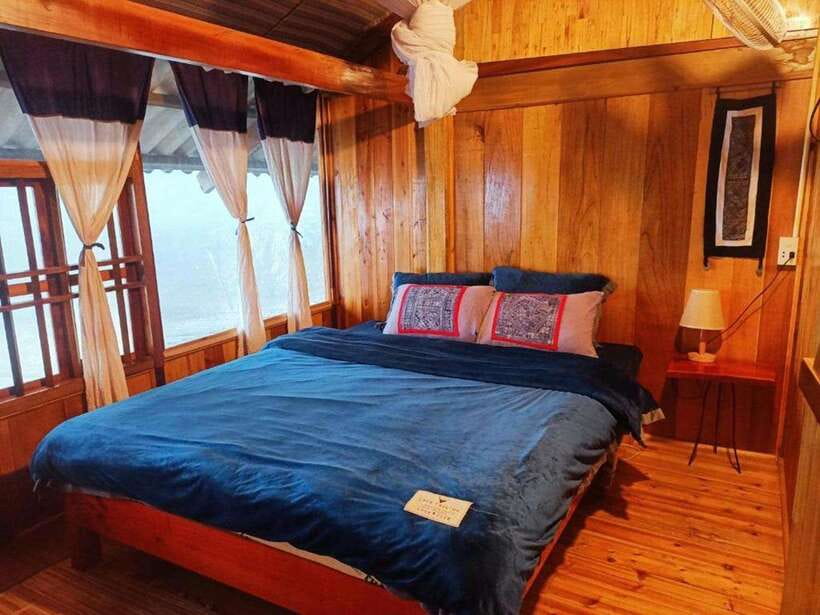
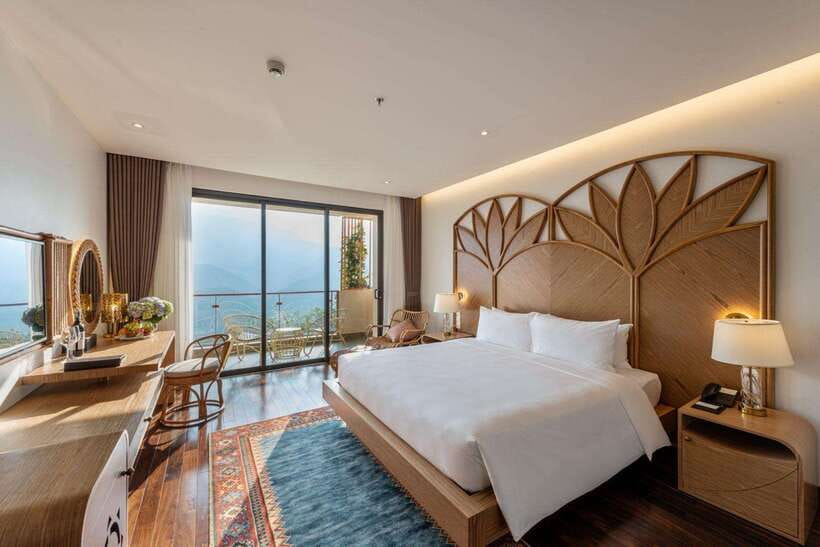
- Flexible lodging: Pick a 3-star hotel or homestay, 4-star hotel or bungalow, or 5-star hotel package.
- Fansipan costs extra: The cable car is not included, and cloud, maintenance, or weather may affect access and views.
- A fast but useful introduction: You see major Sapa sights in two days, but the schedule leaves little spare time.
The 6:00 AM road from Hanoi to Sapa

Your day starts with pickup from a hotel, hostel, or Airbnb in Hanoi’s Old Quarter, usually between 6:30 and 6:45 AM. The vehicle leaves after the pickup round, with a scenic stop along the way. You arrive in Sapa around lunchtime, depending on traffic and road conditions.
The DCAR limousine is one of the strongest parts of this package. It is more comfortable than a basic minibus, and the included Wi-Fi, water, and two rest stops make the long highway ride less tiring. The transfer has no guide, though, so think of it as comfortable transport rather than part of the sightseeing program.
At $109 per person, the value depends heavily on your accommodation choice. That price covers the round-trip ride, one night, an English-speaking local guide, admission to listed attractions, breakfast, two lunches, water, and wet tissues. You still pay for dinner, snacks, souvenirs, and the Fansipan cable car.
You also need to watch the extra charges. Solo visitors pay a mandatory single-room supplement, and holiday surcharges apply on listed peak dates: 500,000 VND for the 3-star option, 850,000 VND for 4-star, and 1,200,000 VND for 5-star. Those fees are paid on site.
More Sapa treks and homestays:
- Sapa 2 Days 1 Night From Hanoi – Overnight in Ta Van Village
★ 5.0 · 2,669 reviews - Hanoi – Sapa 2 Days 1 Night Overnight At Homestay
★ 5.0 · 899 reviews - From Hanoi: 2-Day Sapa Trekking Trip with Homestay & Meals
★ 4.8 · 704 reviews
Pick your Sapa overnight style carefully
The most important decision is not the star rating. It is the location.
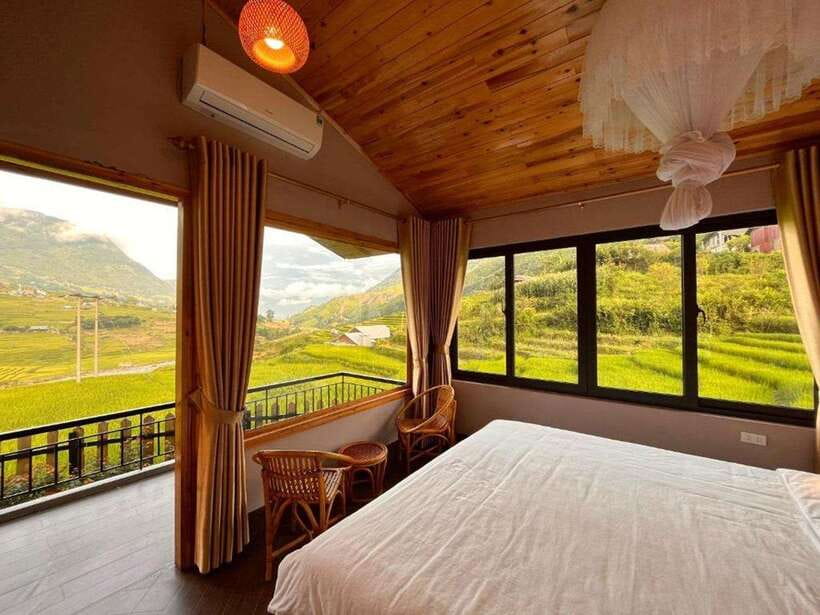
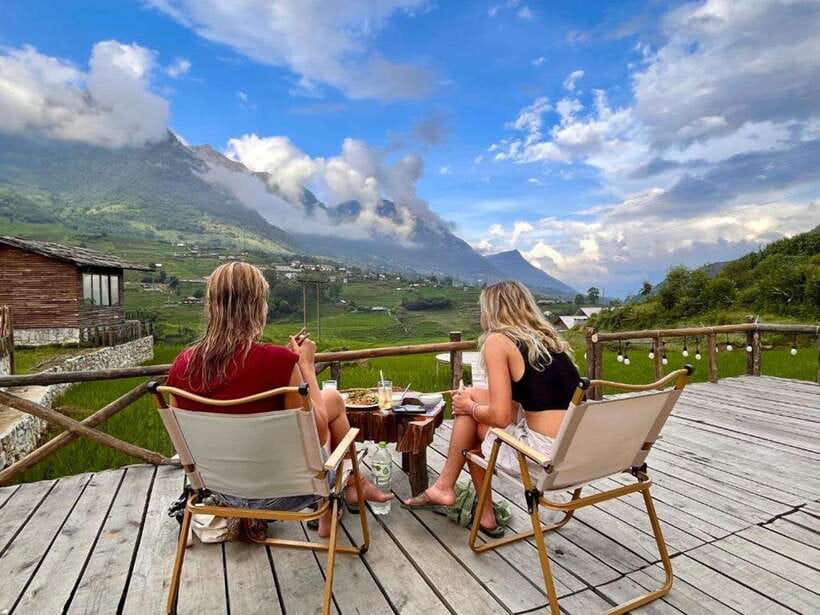
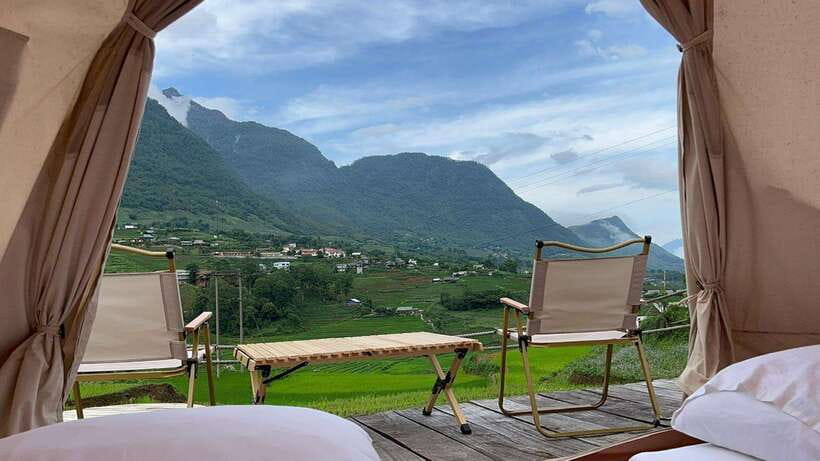
If you choose the homestay or bungalow program, you stay outside central Sapa, in or near Ta Van village. That puts you close to the rice terraces and walking routes. You get a more rural evening and a cooking class for spring rolls, but you should not expect the same town access or hotel facilities as a central Sapa stay.
The homestay program includes dinner only as a self-arranged meal. You can eat at the accommodation or find street food, but dinner is not part of the package. Ask about the exact lodging before booking if a private bathroom, heating, or a specific room type matters to you.
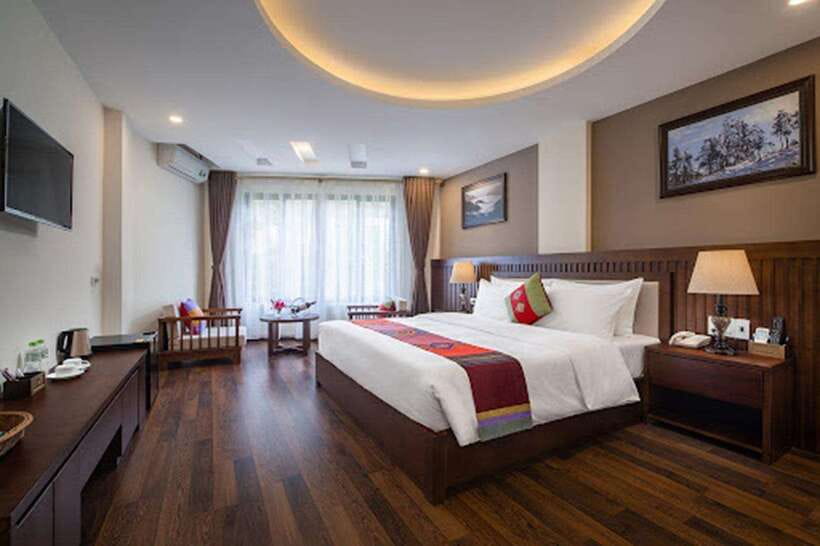
The hotel options place you in central Sapa. You can choose a 3-star hotel or homestay, a 4-star hotel or bungalow, or a 5-star hotel. One 5-star arrangement used KK Sapa Hotel, while the tour operation first gathered participants at the 3-star Unique Hotel Sapa before taking them to their selected accommodation. That means the first drop-off point may be a central meeting hotel rather than your final room.
A hotel makes more sense if you want an easier base for dinner, town walks, and a possible Fansipan visit. The homestay route is better if your priority is walking through village country and sleeping away from the center.
Day one on the homestay route: Y Linh Ho to Ta Van

After lunch in Sapa, the homestay route begins with a trek of roughly 9 kilometers in total. The schedule describes 6 kilometers to Y Linh Ho, followed by another 3 kilometers to Lao Chai village, before continuing to Ta Van.
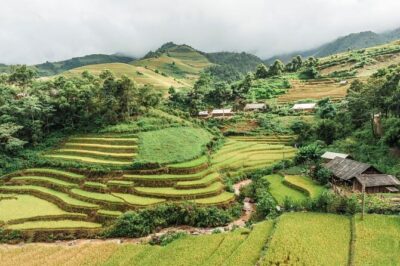
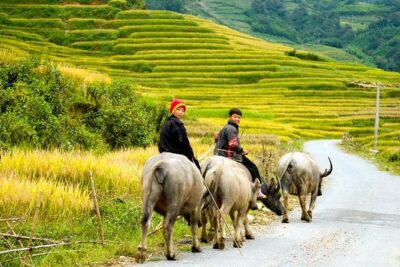
Y Linh Ho gives you the classic Sapa scene: steep mountains, narrow paths, and rice terraces cut into the hillsides. Lao Chai lies in the Muong Hoa Valley and brings you closer to Hmong village life. The appeal here is not a long list of monuments. It is the steady change from town road to footpath, with fields and homes spread across the valley.
You also visit Ancient Rock Beach and Cau May, two named stops along the route. The precise walking conditions depend on the season. Rain can make the paths slippery and the paddies muddy, while cloud may block the mountain views. Bring shoes with a firm grip, not smooth city sneakers.
This route includes a local guide, but it is worth keeping your expectations realistic. One account described the walking as closer to a simple 5-kilometer stroll than a demanding trek. The route may be longer on paper, but the exact walking distance can vary with the group and conditions. If you want a hard day hike, a private guide or a longer Sapa itinerary would suit you better.
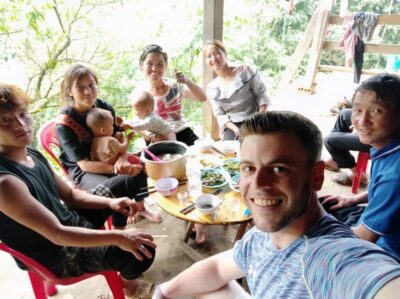
On arrival in Ta Van, you check in and join a cooking class to make spring rolls. It is a small activity, but a useful one: you get something hands-on after the walk rather than simply taking photographs and returning to the room.
The evening is free. Dinner is not included, so carry a snack in case you arrive hungry or local food options are limited near your accommodation.
Day two outside town: Giang Ta Chai and the Red Dao
Breakfast comes at 7:00 AM, followed by an approximately 8-kilometer visit to Giang Ta Chai village. This section focuses on Red Dao traditions and offers another view of rural Sapa.
The two-day route is valuable because it does not treat the Hmong and Red Dao communities as one generic mountain culture. You visit different villages and hear about distinct local traditions through the guide. Still, the visit is brief, so approach it as an introduction rather than a full cultural study.
Lunch is served at a local restaurant. After lunch, you return to Sapa by car around 2:00 to 2:30 PM and begin the trip back to Hanoi. Arrival is scheduled for about 9:00 to 9:30 PM, with drop-off on Tran Quang Khai or Ly Thai To street.
That return timing matters. You get two active days, but the second evening is spent on the road. Do not plan a tight onward connection, a late show, or an early flight the next morning without a generous cushion.
More 2-day tours in Hanoi:
- Amanda Cruise – Ha Long, Lan Ha Bay – All Inclusive 2D1N & 3D2N
★ 5.0 · 4,358 reviews - Hanoi: 2-Day Halong & Lan Ha Bay 5-Star Cruise with Balcony
★ 4.8 · 3,300 reviews - Halong Bay – Le Journey Cruises – All Inclusive 2D1N and 3D2N
★ 5.0 · 2,500 reviews - Mon Chéri Cruise 5 star: Unique 2 Days Tuan Chau – Halong bay – Lan Ha Bay
★ 5.0 · 2,422 reviews
Day one in central Sapa: Cat Cat Village
The hotel route follows a different plan. After lunch and hotel check-in, you visit Cat Cat Village, a popular stop close to Sapa.
Cat Cat is tied to Hmong culture and includes a waterfall and a French-built hydroelectric plant. It is an easy way to see several well-known Sapa sights in a short afternoon. The route is more convenient than the longer Ta Van program, especially if you prefer a hotel room and town access.
The trade-off is that Cat Cat can feel more arranged and less remote than the valley villages. One account found the walk longer than necessary and felt the guiding information was limited during the walk, with more explanation at departure. Your experience depends on the guide and the group, but this is a fair reason to choose the homestay route if village scenery and walking are your main goals.
Dinner is again on your own. Central Sapa gives you more choices than a rural homestay, but the meal is not included in the $109 package.
Day two choice: Fansipan or Lao Chai and Ta Van
The hotel route gives you the trip’s biggest choice. After breakfast, you either visit Fansipan Peak or trek through Y Linh Ho, Lao Chai, and Ta Van.
Fansipan is Vietnam’s highest mountain, and the practical way to reach the summit area on this short schedule is the cable car. The cable car ticket is not included, so budget for it separately. The hotel or local operator may help arrange tickets and transport, but confirm the current procedure and cost before you commit.
Fansipan is also weather-sensitive. Cloud and fog can hide the summit views, and the mountain is sometimes closed for safety maintenance. The tour operator may adjust the order because of weather, traffic, or other conditions. That flexibility is sensible, but it means you should not treat a clear summit view as guaranteed.
The alternative is the valley trek to Y Linh Ho, Lao Chai, and Ta Van, followed by lunch. This gives you more time among fields and villages and avoids the extra cable-car charge. If your aim is mountain culture and scenery rather than checking off the summit, I would choose the trek.
The two options are not equal in character. Fansipan is a major attraction with a simple transport solution. The valley route is slower, more physical, and closer to the rural life that makes Sapa special.
What the small group changes

The tour is limited to nine participants, which is a good size for narrow paths and village visits. A small group also gives the English-speaking guide a better chance to answer questions and adjust the pace.
There is one important detail: this is a combined program with two different routes and two different tour guides. The Hanoi to Sapa transfer is also unguided. You should expect a change of guide between sections rather than one person accompanying you from Hanoi and back.
That arrangement is common for a transfer-led tour, but it can feel less personal than a private trip. If you want one guide who knows your interests, controls every stop, and can extend the walk, book privately instead.
The guide quality can shape the day. Local guides bring useful knowledge of village life, and one guide from a nearby village was described as friendly and informative. At the same time, one Cat Cat walk had little explanation along the route. Ask questions directly and do not be shy about requesting more context.
What to pack for the terraces
Comfortable walking shoes are essential. Add warm clothing even if Hanoi feels hot, because Sapa can be cool, especially in cloud or rain.
Bring a camera, water, snacks, and rain gear. Bottled drinking water is included, but extra snacks are sensible because dinner is not covered and the walking days are long. Wet tissues are supplied, but basic personal items remain your responsibility.
This trip is not suitable for pregnant women, people with back problems, or wheelchair users. The mountain paths, steps, uneven ground, and transport changes make the physical demands clear.
Is $109 a fair price for two days?
For a small-group trip, $109 is reasonable if you value convenience. You are paying for the long Hanoi to Sapa transfer, accommodation, two lunches, breakfast, guiding, and entry fees without having to assemble each part yourself.
The value is strongest in the 3-star or homestay category if you care more about the route than room luxury. The 5-star option gives you a more comfortable night, but it does not create extra time in Sapa or guarantee better mountain weather.
The main costs left outside the headline price are dinner, single-room supplements, peak-date fees, and the Fansipan cable car. Add those before comparing this tour with a bus ticket and independent hotel booking.
The free cancellation window is practical: you can cancel up to 24 hours ahead for a full refund, and you can reserve now and pay later. Those terms help if your Hanoi plans are still moving.
Who should book this Sapa trip?
I would choose this tour if you have only two days, want door-to-door transport from Hanoi’s Old Quarter, and prefer a prepared schedule. It suits first-time Sapa visitors who want a mix of mountain scenery, ethnic village visits, a guided walk, and a comfortable transfer.
Choose the homestay route if you want the strongest walking and rural feel. Choose the central hotel route if you want town convenience, better access to dinner, and the option of Fansipan.
I would not choose it for a serious trekker, a wheelchair user, or anyone who dislikes early starts and long return rides. The itinerary is full, and the walks may feel too gentle for experienced hikers. Weather is another real variable. Fog, rain, and maintenance can change the mountain views or Fansipan plan.
FAQ
Where does pickup take place in Hanoi?
Pickup is included from hotels, hostels, and Airbnbs in Hanoi’s Old Quarter. Pickup usually takes place between 6:30 and 6:45 AM.
How many people are in the group?
The tour is a small-group experience limited to nine participants.
What accommodation choices are available?
You can choose a 3-star hotel or homestay, a 4-star hotel or bungalow, or a 5-star hotel. The homestay and bungalow program is for accommodation outside central Sapa, while the hotel route uses accommodation in central Sapa.
Is dinner included?
No. Dinner is self-arranged. You can eat at the accommodation or find street food in Sapa.
Is the Fansipan cable car included?
No. The Fansipan cable car ticket is an extra cost. Fansipan may also be affected by maintenance or weather conditions.
What food is included?
The package includes breakfast and two lunches. Bottled water and wet tissues are also provided.
Can the itinerary change?
Yes. Weather, traffic, and unforeseen conditions can lead to changes in the order of the visits, while the tour aims to include the listed attractions.
My call: book it for convenience, not for a long trek
This is a practical introduction to Sapa, not an expedition. I like the comfortable DCAR ride, the small group, the choice between a rural homestay and central hotel, and the chance to see both Hmong and Red Dao communities in one short trip.
Book it if your time is limited and you want the major pieces handled for you. Pick the Ta Van homestay route for the more authentic walking experience, or choose the hotel route if Fansipan and town comfort matter more. If you have three or more days, or want demanding hikes and a slower pace, arrange a longer stay instead.
Just added to the Hanoi list
- (TOP) Private car: Hanoi/Noi Bai Airport (HAN) from/to Ninh Binh★ 3.5 · 16 reviews
- Thang Long Water Puppet Theater★ 4.5 · 45 reviews
- Private car transfer from Hanoi Airport to Hotels★ 4.5 · 5 reviews
- Private Tour Ninh Binh 1 Day★ 5.0 · 5 reviews
- Private Hanoi Old Quarter Food Tour with 8+ Authentic Tastings★ 5.0 · 11 reviews
- Private Transfer Service from Hanoi to Ha Long Bay★ 5.0 · 3 reviews
- Private Transfer Between Hanoi City and Noi Bai Airport (HAN)★ 5.0 · 3 reviews
- Private Tour: Hanoi City Tour Including Water Puppet Show and Cyclo Ride★ 4.0 · 57 reviews
Sapa Tours from Hanoi, compared.
Sapa 2 Days 1 Night From Hanoi – Overnight in Ta Van Village
Read our review →
Sapa 3 Days 2 Nights Trekking Tour (1 Night In Ta Van Village, 1 Night In Hotel)
Read our review →
3-Day Trekking Adventure of Sapa from Hanoi – Stay Ta Van Village
Read our review →
2-Day Sa Pa Ethnic Homestay Tour & Trek with Limousine Bus
Read our review →
Sapa 2 Days 1 Night From Hanoi – Overnight in Hotel
Read our review →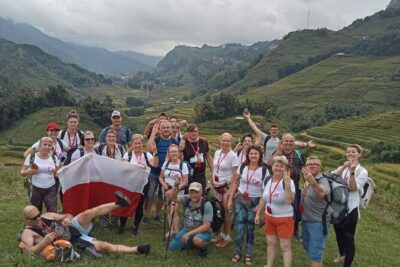
Sapa 3 Day 2 Night Trekking With Hotel & Homestay
Read our review →Browse the lists this tour appears in