
Reviewed · SAPA TOURS FROM HANOI
Hanoi: 3-Day Sapa Trek Secret Trails, Waterfall, Stay in Villages
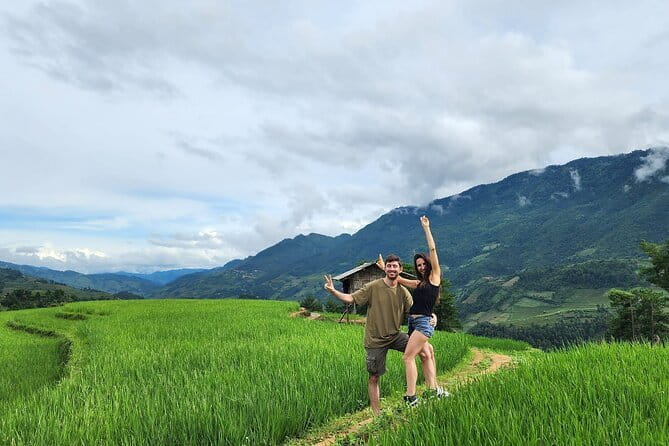
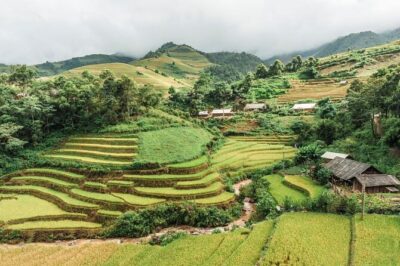
The best part of this three-day trip is its shift from Sapa’s busy center to quiet village trails and mountain communities. You’ll walk through Cat Cat, Y Linh Ho, Lao Chai, Ta Van, and Giang Ta Chai, with rice terraces, bamboo groves, waterfalls, and views of misty mountains along the way.
I like the strong cultural focus, especially the chance to learn about Hmong, Dao, and Giay life from local guides and village hosts. I also like the easy package: transport from Hanoi, meals, entrance fees, a local English-speaking guide, and a place to sleep are included.
The main consideration is physical effort. The tour calls for moderate fitness, with a downhill walk on the first afternoon and several hours of trekking on the next two days. Village accommodation is part of the appeal, but it is simpler than a standard hotel.
Key points to know before booking

- Three distinct trekking days: You cover Cat Cat on day one, Y Linh Ho, Lao Chai, and Ta Van on day two, then Giang Ta Chai and its bamboo forest on day three.
- Local guides shape the experience: Guides such as Hoai and Kien have been praised for clear English, trail help, cultural insight, and taking good photos.
- Village stays are simple by design: Expect a homestay experience rather than polished hotel facilities, with home-cooked meals and local contact.
- The $163 price covers the big expenses: Transport from Hanoi, accommodation, meals, entrance fees, bottled water, and guided walks are included.
- The trekking is moderate, not effortless: Comfortable shoes, a small backpack, sun protection, and mosquito spray will make the trip easier.
- A small group helps: The maximum group size is 15 people, enough for a social trip without a huge procession on the trails.
Why this Sapa trip feels different

Sapa is famous for its rice terraces and mountain villages, but the way you see them matters. A short stop in town followed by a quick photo visit can feel thin. This trip gives you time to walk between communities, pause for local meals, and hear about daily life from people who live in the valleys.
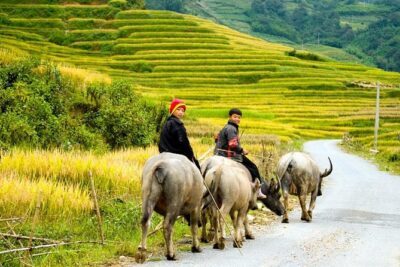
The route includes Hmong, Dao, and Giay communities. That mix gives the trip more range than a single village visit. In Lao Chai, you learn about Hmong farming and textile work. Ta Van brings Hmong and Giay communities together in one rural setting. The route also reaches less urban sections around Y Linh Ho and Giang Ta Chai.
I especially like that the focus is not limited to scenic viewpoints. The useful part is the connection between the scenery and the people who work the land. Rice terraces are not just pretty steps on a hillside. They reflect farming methods, seasonal work, and village life.
You should still set sensible expectations. This is not a luxury mountain retreat. The homestay is intended to give you a closer look at village life, and the accommodation may be basic. That is a fair trade for the setting, but it will not suit anyone who needs resort-style comfort every night.
More Sapa treks and homestays:
- Sapa 2 Days 1 Night From Hanoi – Overnight in Ta Van Village
★ 5.0 · 2,669 reviews - Hanoi – Sapa 2 Days 1 Night Overnight At Homestay
★ 5.0 · 899 reviews - From Hanoi: 2-Day Sapa Trekking Trip with Homestay & Meals
★ 4.8 · 704 reviews
From Hanoi to Sapa by sleeping bus
The trip begins at 204 Đ. Trần Quang Khải in Hanoi’s Hoàn Kiếm area. A clean, modern, air-conditioned sleeping bus takes you toward Sapa with a safe driver. The first travel stretch lasts about five hours, so the bus is a major part of day one.
A sleeping bus is more useful than a standard coach for this route, since you can rest while the road carries you into the mountains. Still, bus travel can feel long, and you should keep your small essentials close. Bring the items you need during the ride rather than placing everything in larger luggage.
Once you reach Sapa, a local guide meets you at the bus office. You then have lunch, check into the hotel, and get a little time to settle before the afternoon walk. This arrangement is practical. You do not begin the first trek immediately after stepping off the bus.
The exact rhythm of the day depends on road conditions and the group, but the planned afternoon start is 2:30 pm. That leaves the morning travel behind and puts the first walk in the cooler part of the day.
Cat Cat Village and the first afternoon walk
The first trek runs from Sapa to Cat Cat Village. The downhill section is about three kilometers and takes roughly three hours, including stops and village visits. You walk among terraced rice fields, mountain views, and misty slopes, with photo opportunities along the route.
Cat Cat is a good opening stop because it introduces the area without demanding the longest hike on the first afternoon. You get a first look at village life, local buildings, and the setting around Sapa before the longer walks begin.
The route is not flat. Downhill walking can feel easy at first, but uneven paths and repeated steps still require care. Wear shoes with a firm grip, especially if the ground is wet. Comfortable clothing matters too, since the weather can change around the mountains.
At about 5:30 pm, you return to Sapa by a four-kilometer uphill route. This return walk offers a different view of the same area, but the climb is worth noting. The itinerary gives you roughly three hours for the walk out and another stretch for the return, so day one is more active than the simple schedule might suggest.
Dinner follows at about 7 pm, with free time afterward to rest or explore Sapa on your own. That free period is welcome. You have already spent hours on a bus and on foot, so you may prefer a quiet evening rather than another organized activity.
Y Linh Ho, Lao Chai, and the long second day

Day two begins early. Breakfast is set for 7 am, followed by the trek toward Y Linh Ho at about 8:30 am. The early start gives you cooler air and more time on the trail, though it does mean you should be ready soon after breakfast.
Y Linh Ho is known for its scenery and older trees, including hundred-year-old specimens noted on the route. The village feels quieter than Sapa, and this section lets you see the countryside at a slower pace. You are not simply transported to a viewpoint, then moved on. You walk into the area and notice the change from town to rural valley.
The trek to Y Linh Ho lasts about three hours. From there, you continue to Lao Chai, the center of a Hmong community. The program includes insight into farming methods and textile making, including fabrics colored with natural dyes.
This is one of the most valuable parts of the trip for anyone who wants cultural context. You learn how local work connects to the scenery around you. The fields, paths, homes, and craft traditions are part of one working community, not separate attractions arranged for a quick stop.
The route from Lao Chai to Ta Van adds more walking through bamboo groves and along winding rivers. Ta Van is shared by Hmong and Giay people, giving the visit another cultural angle. The setting is rural and peaceful, with simple homes and valley views.
Day two is a serious trekking day. The planned visits and walks occupy much of the morning and afternoon, and you stay overnight in or near Ta Van. You should not book this expecting a half-day outing with a long lunch break. The reward is more time in the villages, but your legs will know you have spent the day outdoors.
More hiking tours in Hanoi:
- Halong Bay Full Day with Kayaking, Hiking viewpoint, Cave – Deluxe To Luxury
★ 5.0 · 884 reviews - Sapa 3 Days 2 Nights Trekking Tour (1 Night In Ta Van Village, 1 Night In Hotel)
★ 5.0 · 699 reviews - 3-Day Trekking Adventure of Sapa from Hanoi – Stay Ta Van Village
★ 5.0 · 611 reviews - 3D and 2N Lan Ha Bay Cat Ba Island Kayaking & Trekking with Vega
★ 5.0 · 593 reviews
Ta Van homestay and village meals
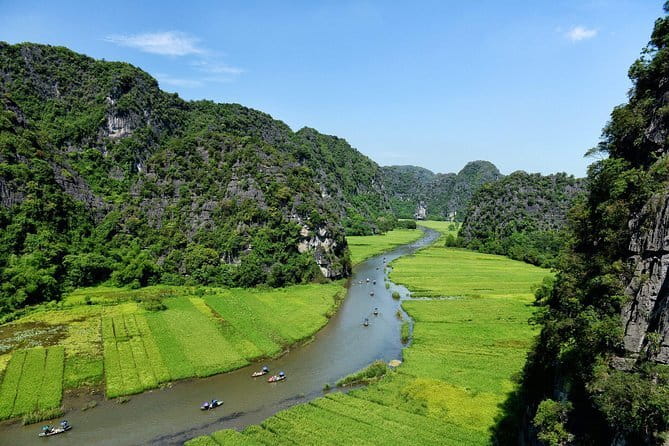
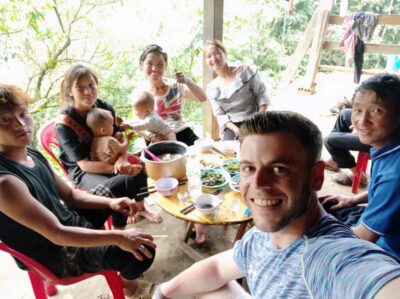
The overnight stay is an important part of the experience. Instead of returning to Sapa for another hotel night, you sleep in a village setting and eat meals prepared as part of the local stay. Home cooking gives you a more direct sense of the area than restaurant meals designed mainly for visitors.
The accommodation is described as clean and comfortable, but simple. That distinction matters. A homestay may provide the basics you need, yet it is not presented as a luxury room. The simplicity is part of the contact with village life, though you should pack with that in mind.
Meals included in the trip are two breakfasts, two dinners, and three lunches. Vegetarian food is available if requested. Bottled water is also included, while other drinks and personal purchases are not.
I would confirm any dietary needs before departure and share your WhatsApp number or email so the operator can reach you. The company offers 24-hour support, which is useful when transport times or weather conditions change.
Giang Ta Chai and the bamboo forest

Day three begins with an outdoor breakfast at about 7 am. The morning walk starts around 8:30 am and leads through Giang Ta Chai and a bamboo forest. The sound of nature and views across the rice terraces give this section a calmer feel than the longer village-to-village trek on day two.
The bamboo forest is one of the route’s more distinctive settings. It changes the walk from open terraces to a greener, more enclosed path. You also have more chances to see how the area shifts from one type of terrain to another: fields, forest, streams, and mountain slopes.
The morning trek lasts about five hours. That is long enough to make the final day active, even though you are heading back to Sapa afterward. Outdoor breakfast and early walking also mean you should keep your morning kit accessible rather than buried in your luggage.
At about 2 pm, you return to Sapa town. The hotel provides a chance to shower and freshen up before departure. At 3 pm, a shuttle takes you to the bus office, where the guide helps with check-in and gives you a packed snack for the journey back to Hanoi.
That shower is a small but valuable detail. After three days of walking, having a place to clean up before the long bus ride makes the return much more comfortable. The final road journey lasts about six hours, and the trip ends back at the Hanoi meeting point.
What the $163 price really covers
At $163 per person, the cost is reasonable if you value an organized trip with transport and meals already arranged. You are paying for the Hanoi to Sapa bus, local transfers, accommodation, guided trekking, entrance fees, bottled water, two breakfasts, two dinners, and three lunches.
That package removes several costs that can add up quickly in Sapa. You do not need to arrange separate transport between the bus office, hotel, villages, and departure point. Entrance fees are also included, and vegetarian meals can be requested.
The price does not cover tips, drinks beyond the included bottled water, or personal spending. Keep some money available for those items. A tip for the guide is not compulsory under the listed inclusions, but it is a normal way to thank someone who has helped with trail pacing, translation, and local introductions.
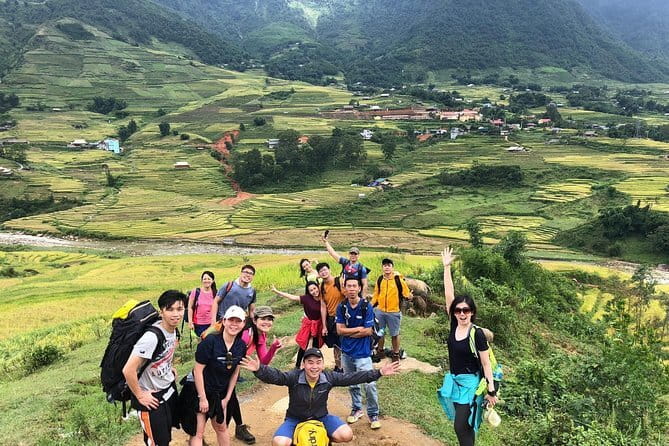
The maximum group size is 15. That is not a private tour, but it is small enough for a guide to keep track of the group and answer questions. Guides named in past feedback include Hoai, praised for trail and cultural explanations, and Kien, praised for enthusiasm and helping with photos. Guide assignments can vary, so treat those names as examples rather than a promise.
Who should book this trek
I would choose this trip if you want a practical first taste of Sapa without arranging every bus, meal, village visit, and overnight stay yourself. It suits people who care about local culture as much as mountain scenery.
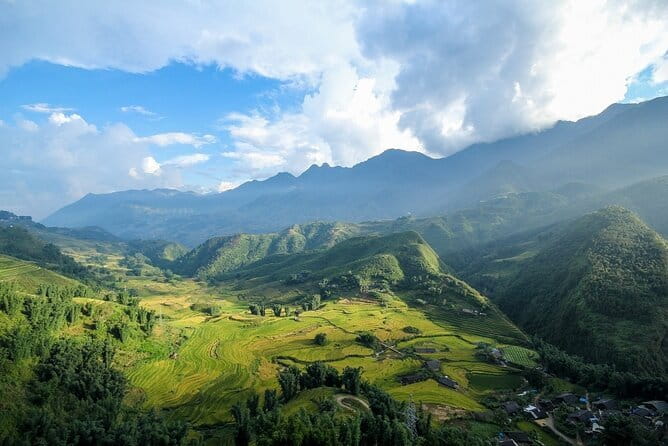
It is also a good match for you if you prefer walking between places rather than checking off viewpoints by vehicle. The route has enough variety to keep three days interesting: rice terraces, waterfalls, bamboo, rivers, villages, and mountain views.
You should think twice if you dislike early starts, long bus rides, or basic homestays. The second and third days require several hours of trekking, and the first afternoon includes a return climb to Sapa. Comfortable shoes are essential, not optional.
Pack a small backpack, hat, sunglasses, water bottle, and mosquito spray. Wear clothes suited to outdoor activity and bring shoes that can handle uneven trails. Since the tour runs daily only in suitable weather, the operator checks the forecast and may offer another date, another experience, or a full refund if conditions force a cancellation.
Free cancellation is available up to 24 hours before the start time. Changes or cancellations inside that window are not accepted for a refund.
Should you book it?
Book this Sapa trip if you want three active days with real village contact, included transport, and a guide who can explain what you are seeing. The best parts are the quieter trails, the Hmong and Giay cultural encounters, and the chance to sleep and eat in a village setting.
Skip it if you want a soft-paced holiday with private rooms, late mornings, and little walking. For the right person, $163 buys a well-organized route through some of northern Vietnam’s most memorable mountain scenery, with fewer planning headaches and more time on foot.
FAQ
Where does the tour start in Hanoi?
The tour starts at 204 Đ. Trần Quang Khải, Tràng Tiền, Hoàn Kiếm, Hanoi, Vietnam.
How long does the tour last?
The experience lasts approximately three days, including transport between Hanoi and Sapa.
What villages are included?
The route includes Cat Cat, Y Linh Ho, Lao Chai, Ta Van, and Giang Ta Chai.
Is transport from Hanoi included?
Yes. Transport is provided by a clean, modern, air-conditioned sleeping bus, with shuttle arrangements between Sapa and the bus office.
What meals are included?
The package includes three lunches, two dinners, and two breakfasts. Vegetarian food is available on request.
Is accommodation included?
Yes. The trip includes hotel accommodation in Sapa and a village homestay as part of the route.
How difficult is the trekking?
A moderate level of physical fitness is recommended. The route includes a three-kilometer downhill walk to Cat Cat, a four-kilometer return trek to Sapa, and several hours of walking on days two and three.
What should I bring?
Bring comfortable trekking shoes, suitable outdoor clothing, a small backpack, hat, sunglasses, water bottle, and mosquito spray.
What happens if bad weather cancels the trip?
If poor weather requires cancellation, you can be offered a different date or experience, or receive a full refund. The operator checks the forecast and provides advance updates.
More 3-day tours in Hanoi
- Amanda Cruise – Ha Long, Lan Ha Bay – All Inclusive 2D1N & 3D2N
★ 5.0 · 4,358 reviews - Halong Bay – Le Journey Cruises – All Inclusive 2D1N and 3D2N
★ 5.0 · 2,500 reviews - Hanoi: 3-Day Ninh Binh, Ha Long, & Lan Ha Bay 5-Star Cruise
★ 4.8 · 1,401 reviews - Mon Chéri Cruises 5 star: Amazing 3 days exploring Halong & Cat Ba island
★ 5.0 · 1,280 reviews
Just added to the Hanoi list
- (TOP) Private car: Hanoi/Noi Bai Airport (HAN) from/to Ninh Binh★ 3.5 · 16 reviews
- Thang Long Water Puppet Theater★ 4.5 · 45 reviews
- Private car transfer from Hanoi Airport to Hotels★ 4.5 · 5 reviews
- Private Tour Ninh Binh 1 Day★ 5.0 · 5 reviews
- Private Hanoi Old Quarter Food Tour with 8+ Authentic Tastings★ 5.0 · 11 reviews
- Private Transfer Service from Hanoi to Ha Long Bay★ 5.0 · 3 reviews
- Private Transfer Between Hanoi City and Noi Bai Airport (HAN)★ 5.0 · 3 reviews
- Ba Be National Park With Boat Trip, Kayaking, Swimming, Trekking And Cycling★ 5.0 · 10 reviews
Sapa Tours from Hanoi, compared.
Sapa 2 Days 1 Night From Hanoi – Overnight in Ta Van Village
Read our review →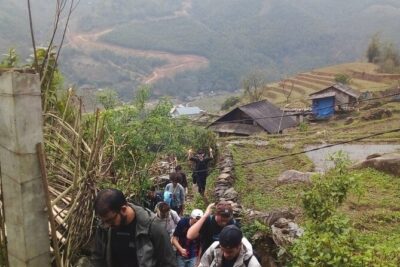
Sapa 3 Days 2 Nights Trekking Tour (1 Night In Ta Van Village, 1 Night In Hotel)
Read our review →
3-Day Trekking Adventure of Sapa from Hanoi – Stay Ta Van Village
Read our review →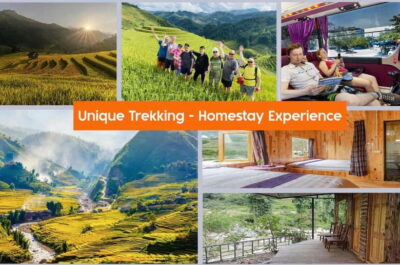
2-Day Sa Pa Ethnic Homestay Tour & Trek with Limousine Bus
Read our review →
Sapa 2 Days 1 Night From Hanoi – Overnight in Hotel
Read our review →
Sapa 3 Day 2 Night Trekking With Hotel & Homestay
Read our review →Browse the lists this tour appears in