
Reviewed · SAPA TOURS FROM HANOI
From Hanoi: 2-Day Sapa-Fansipan Peak & Trek & Ha Giang Bus
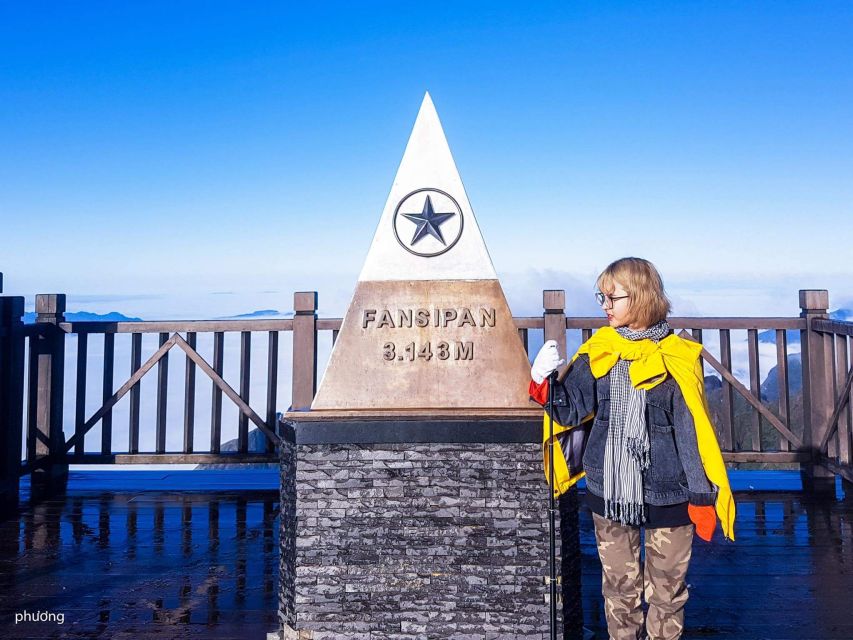
Fansipan is the headline, but the Lao Chai to Ta Van trek is the part that gives this short tour its character. You walk through rice terraces beside the Muong Hoa Stream, reach a Black Hmong village, and get a look at mountain life that a cable car ride alone cannot provide. Then, on the second morning, you rise above the clouds by cable car and climb the final 600 steps to the Roof of Indochina.
I like the efficient transport plan and the chance to continue from Sapa to Ha Giang without returning to Hanoi. I also like the mix of guided walking, local food, and free time in Sapa. The main drawback is the tight schedule: the trek, hotel transfer, Fansipan visit, and long bus rides leave little room for delays or a leisurely pace.
Key points to know before booking
- Fansipan cable car access: The ride takes about 20 minutes, but the 850,000 VND return ticket is extra.
- Rice terrace trekking: You walk around Lao Chai, Ta Van, and the Muong Hoa Stream with a local guide.
- Flexible transport: Choose a limousine bus or night transport between Hanoi and Sapa, then continue to Ha Giang if needed.
- Packed two-day plan: This works well for a short northern Vietnam trip, but it is not a slow-paced Sapa stay.
- Weather matters: Sapa can be cold, foggy, wet, or sunny in the same trip, especially from December through March.
- Guide support: A guide helps with the village walk, local culture, transfers, and cable car arrangements. If assigned, Song is a guide name associated with this experience.
Why this short Sapa tour works
This is a practical choice if you want to fit Sapa into a larger northern Vietnam route. In two days, you get mountain scenery, a village trek, Fansipan, meals, a hotel room, and onward transport options.
The tour is not designed for travelers who want long mornings, quiet village stays, or a free choice of every stop. It is built around connections. You leave Hanoi early, walk in the afternoon, visit Fansipan the next morning, and then either return to Hanoi or continue toward Ha Giang.
That tight structure has a real advantage. You do not need to arrange separate bus tickets, hotel transfers, a village guide, and Fansipan transport on your own. The provider handles the main movements, while you pay separately for the cable car and, if selected, the bus to Ha Giang.
The experience has earned a strong 4.8 rating from 52 ratings. The most consistent praise centers on organization, the quality of the hotel, generous meals, and guides such as Song. Those details matter here because a rushed mountain trip can become confusing when several vehicles and meeting points are involved.
More Ha Giang Loop rides:
- Ha Giang Loop 3 days Small group- From Ha Noi
★ 5.0 · 1,114 reviews - Ha Giang Loop Tour 4 Days 3 Nights with Ha Giang Vision Tour
★ 5.0 · 675 reviews - 3-Day Ha Giang Loop Tour from Ha Noi and Return
★ 5.0 · 652 reviews
Leaving Hanoi for the mountains
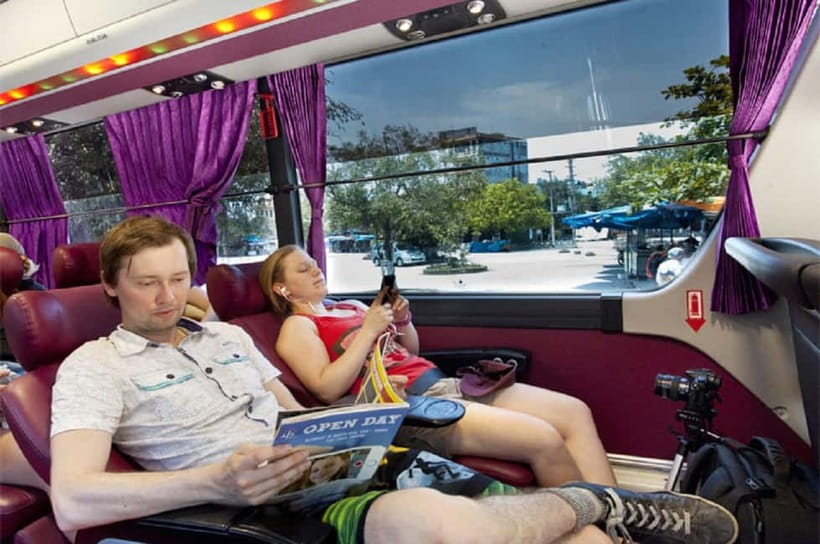
The standard departure begins at 6:15 in the morning from 204 Tran Quang Khai Street. You board a sleeper bus for Sapa, with short stops in Phu Tho Province and Lao Cai for coffee or a light breakfast.
A sleeper bus is useful for the long road journey, though you should not expect a train-like cabin or a private seat. Bring water, a small snack, and any medication you need. The bus arrival time can affect the walking schedule, so keep your morning flexible.
There is also an optional night departure at about 9:30 from a railway station or bus stop. This may suit you if you want to save daytime hours, but the exact arrangement depends on the option booked. Ask for the meeting point and transport type before you leave Hanoi.
The transport choice changes the feel of the trip. A daytime limousine or sleeper bus lets you see northern Vietnam along the way. A night bus or train saves daylight, but it may leave you less rested for the first day’s walk.
Lunch in Sapa before the village walk
After arriving in Sapa, a local representative meets you and takes you for lunch. The meal includes local Vietnamese dishes, and lunch is one of the included meals on the tour.
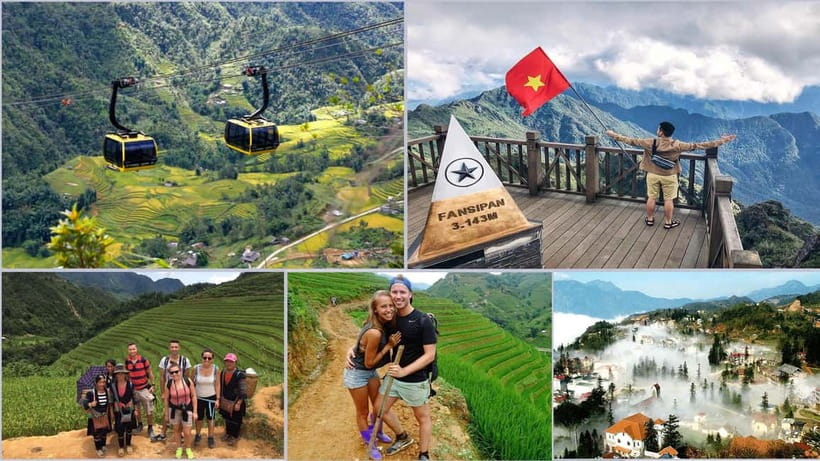
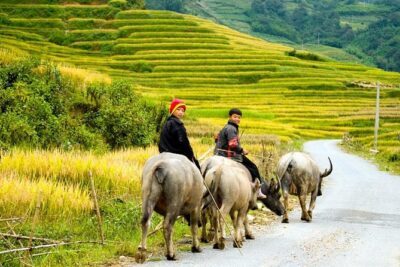
You then begin the village portion of the trip. The route takes you through rice terraces and along the Muong Hoa Stream toward Lao Chai, a Black Hmong village surrounded by the Hoang Lien Son range.
This is the most culturally grounded part of the experience. The guide can explain local life and customs as you pass through the mountain area. You are not simply looking at terraces from a roadside viewpoint. You are walking through the setting where people work, live, and travel.
The supplied schedule uses the Lao Chai to Ta Van name, but its day-by-day description clearly details arrival at Lao Chai and a return by car after the village visit. It does not give a walking distance, duration, or exact endpoint in Ta Van. If reaching Ta Van on foot is essential to you, confirm the route with the provider before booking.
That point is worth checking. Sapa trekking routes can vary with weather, road access, and group pace. You should know if your plan includes the complete Lao Chai to Ta Van walk or a shorter section around Lao Chai.
What the trek is really like
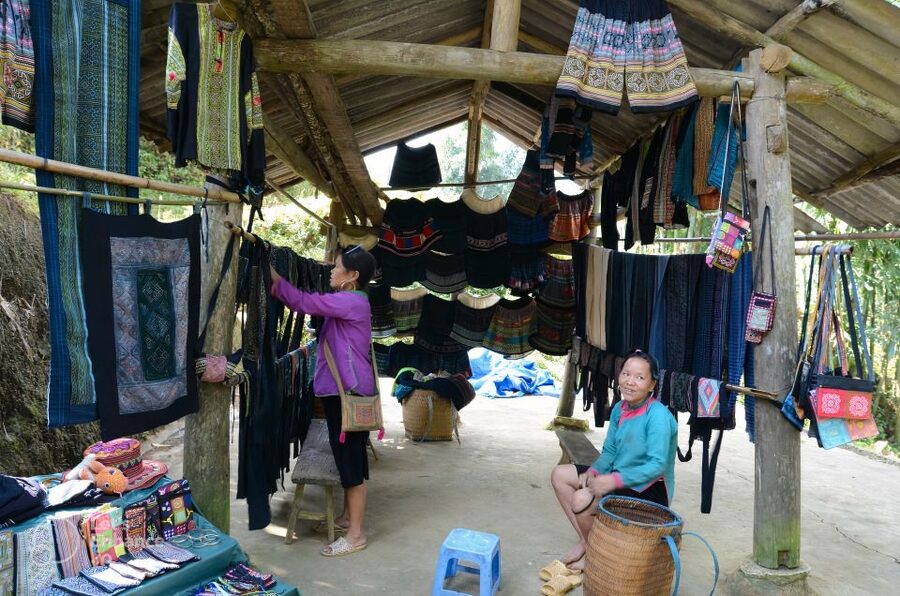
You need comfortable shoes with a good grip. The route includes terraces, village paths, and uneven ground, so ordinary city footwear is a poor choice.
Pack a change of clothes. Sapa weather can shift quickly, and a sunny start does not guarantee a dry afternoon. A rain layer, warm top, scarf, and hat are sensible additions, especially from September through March.
The trek is also a good reason to travel with a guide. A local guide helps you understand the communities you pass and keeps the group moving between the walking route and the vehicle transfer. If Song is assigned to your group, you can expect a named guide rather than an entirely self-guided village visit.
Do not treat the walk as a private cultural encounter. It is a scheduled group activity, and the time available is limited. Still, it offers far more contact with local life than a quick photo stop beside a main road.
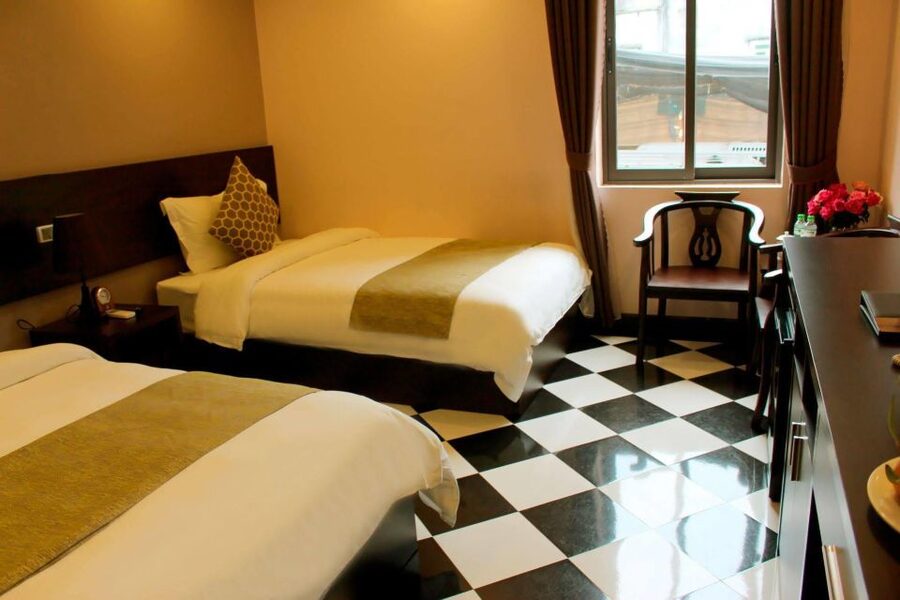
After the walking portion, a car takes you back to the hotel. Dinner is included, giving you a chance to eat without searching for a restaurant after the transfer. The hotel is described as a three-star property, with a double or twin room shared between two people.
More Sapa treks and homestays:
- Sapa 2 Days 1 Night From Hanoi – Overnight in Ta Van Village
★ 5.0 · 2,669 reviews - Hanoi – Sapa 2 Days 1 Night Overnight At Homestay
★ 5.0 · 899 reviews - From Hanoi: 2-Day Sapa Trekking Trip with Homestay & Meals
★ 4.8 · 704 reviews - Sapa 3 Days 2 Nights Trekking Tour (1 Night In Ta Van Village, 1 Night In Hotel)
★ 5.0 · 699 reviews
The hotel and included meals
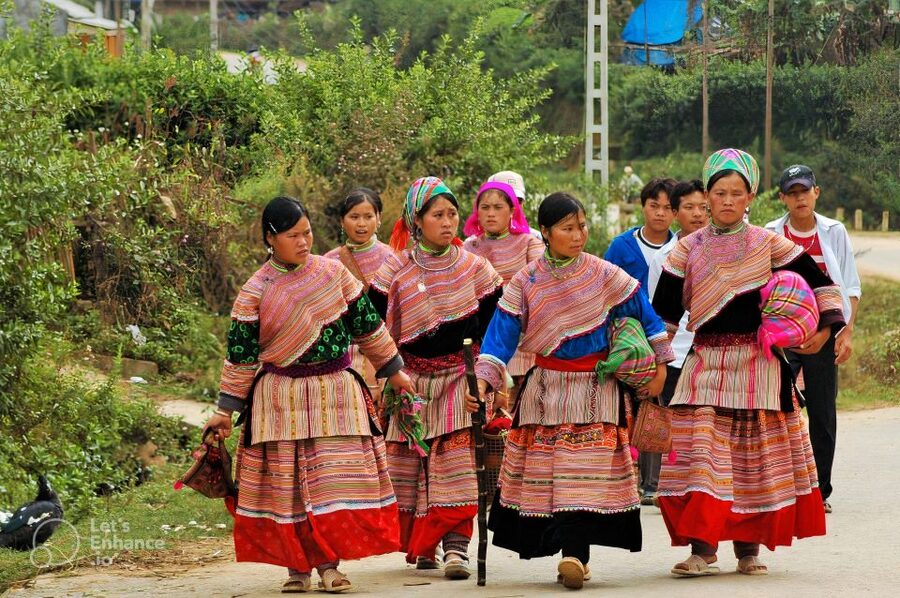
The accommodation is practical rather than luxurious. A twin-sharing room suits couples, friends, or family members who are comfortable sharing. Solo guests should check the room arrangement and any supplement before paying.
The meal plan includes two lunches, one dinner, and one breakfast. Drinks are not included, so carry Vietnamese dong for water, coffee, and other purchases.
The food receives strong praise for being good and generously served. That is useful on a short, active tour, since you do not have to spend your limited free time arranging every meal.
Still, meal preferences and dietary needs should be raised before departure. The supplied information does not promise vegetarian, vegan, allergy-free, or other special menus.
Riding the cable car to Fansipan
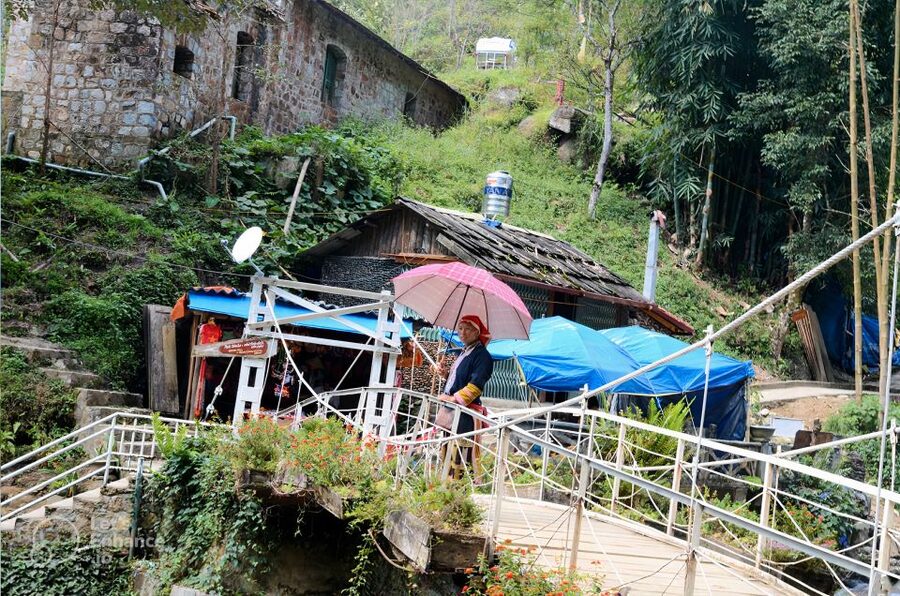
The second morning begins with breakfast and a transfer to the Fansipan cable car station. The driver or guide helps you buy the ticket, but the cable car fee is paid separately.
The return ticket costs 850,000 VND per person. This is a major extra cost, so include it when comparing the total price of the tour with other Sapa packages.
The cable car ride takes about 20 minutes. It gives you broad views of the Hoang Lien Son area as you rise toward Fansipan, known as the Roof of Indochina.
At the upper station, you can visit a pagoda and climb the final 600 steps to the summit. The cable car removes the need for a long mountain ascent, but the summit area still requires a real stair climb. Anyone with limited stamina should take that into account.
Fog can change the experience. From December through March, the altitude may bring mist that hides the views. That does not make the cable car pointless, but you should not book it with a guarantee of clear skies.
Warm clothing helps even when Sapa town feels mild. Bring a scarf, hat, sunglasses, sun cream, and a jacket. The combination of altitude, wind, and changing weather can make the summit feel much colder than the town below.
Returning to Sapa and choosing your next route

After Fansipan, you return to Sapa for lunch at the hotel. You then have some time to explore Sapa on your own before choosing the next transport plan.
If you return to Hanoi, the limousine bus leaves at 2:00 in the afternoon from Sapa and reaches Tran Quang Khai Street at about 8:30 to 8:45 in the evening. From there, you make your own way back to your hotel.
That timing makes the tour useful for an onward Hanoi stay, but it is not a relaxed final afternoon in Sapa. The Fansipan visit must run on schedule, and traffic can affect the arrival time.
If you continue to Ha Giang, the route can save both time and money by avoiding a return to Hanoi. A limousine bus with 18 seats leaves at 2:30 in the afternoon from May Hotel and takes about six hours. A 40-seat sleeper bus leaves later, listed at 7:00 or 7:30 in the evening in the supplied timing, and also takes about six hours.
Because the information gives two slightly different evening departure times, confirm the final pickup time before departure. The Ha Giang bus costs extra for both vehicle types. This connection is valuable if Ha Giang is already part of your plan, but expect a long travel day after the morning at Fansipan.
What the price includes, and what it does not
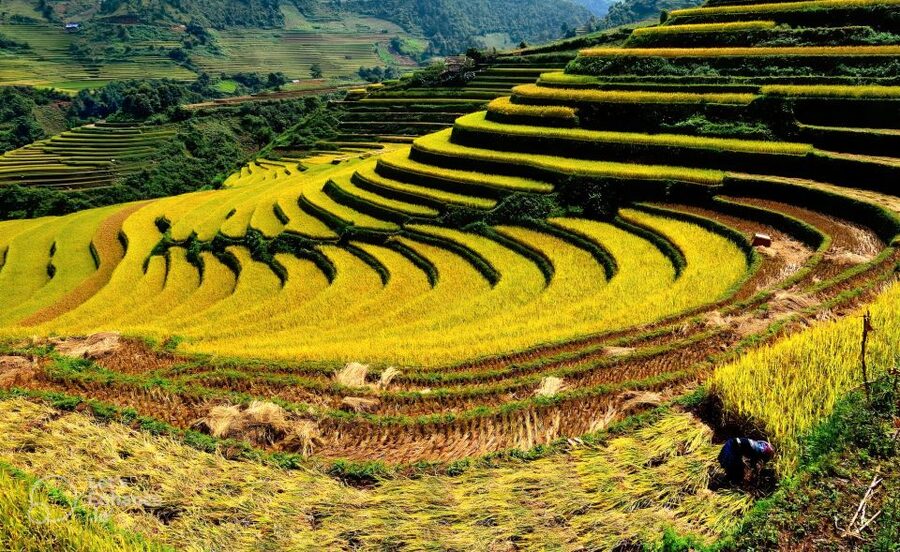
The package includes the Hanoi to Sapa round-trip limousine bus when that option is selected, a three-star twin-sharing room, two lunches, dinner, breakfast, the Lao Chai and Ta Van entrance ticket, a local guide, and the transfer to and from the Fansipan cable car station.
The Fansipan cable car ticket is not included. At 850,000 VND, it is the most important extra expense.
The bus from Sapa to Ha Giang is also extra. Drinks, government tax, travel insurance, and holiday surcharges are outside the basic package. A 700,000 VND per person holiday surcharge applies on April 30, May 1, September 1 through 3, December 24, December 31, and January 1, paid directly to the guide on the date.
I see the package as good value if you want transport and planning handled for you. It is less attractive if you already have a hotel, bus tickets, and a guide arranged independently. The value comes from combining several moving parts in a short schedule, not from luxury accommodation.
Carry Vietnamese dong. The banking system in Sapa may not work reliably, and the information says U.S. dollars, euros, and Australian dollars are accepted in Sapa. I would still use local currency for small purchases and transport-related extras.
Weather, packing, and physical effort
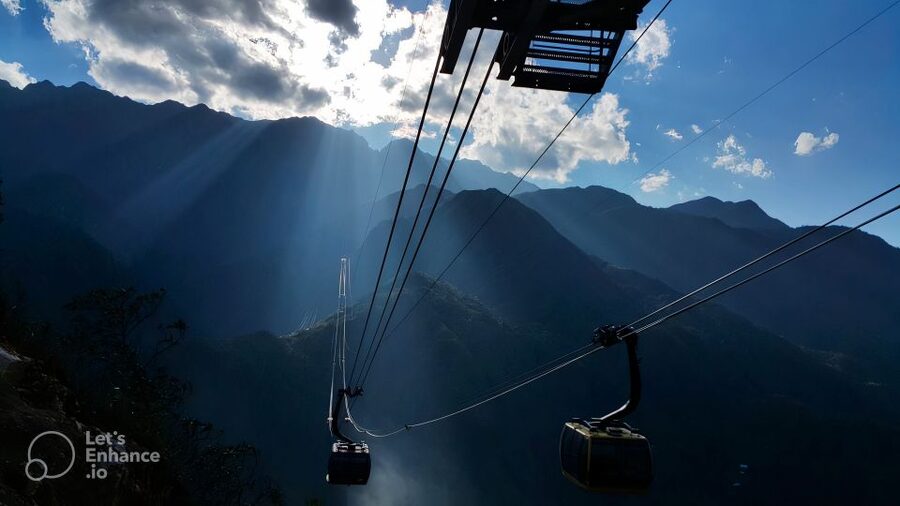
Sapa is unpredictable. It is normally cold from September through March, and fog is possible from December through March. Pack layers rather than relying on one heavy coat.
Your day bag should include:
- Comfortable trekking shoes
- Warm clothing, a scarf, and a hat
- Sunglasses and sun cream
- Insect repellent
- A change of clothes
- Any medication you need
- Vietnamese cash
Pregnant women should not book this activity. Pets are not allowed. The tour also involves early departures, long bus journeys, uneven paths, stairs, and a 600-step climb at Fansipan.
You do not need to be an expert hiker for the stated plan, but you should be comfortable walking on mountain paths and handling a full day of transport and sightseeing. If you want a softer pace, ask about the exact trek before confirming.
Who should choose this tour
I would choose this trip if you have only two days for Sapa and want both the village walk and Fansipan. It is especially useful for an itinerary that continues to Ha Giang, since the direct bus avoids backtracking through Hanoi.
It also suits first-time visitors who prefer a guide, prearranged transport, included meals, and a hotel rather than assembling each part separately. Families can benefit from the simple structure, though children should be able to manage the walking and summit stairs.
I would look elsewhere if you want a private trek, detailed control over the route, a long village stay, or a quiet Sapa holiday. I would also hesitate if you dislike sleeper buses, tight schedules, or changing meeting points.
Should you book it?
Book this experience if your priority is seeing a lot of northern Vietnam in a short time. You get the two faces of Sapa: daily life around Lao Chai and Ta Van, plus the high-altitude viewpoint from Fansipan. The direct Ha Giang option makes the plan even more useful for a longer northern route.
Before paying, confirm three things: the exact trek endpoint, the cable car cost, and your Sapa to Ha Giang departure time if you select that option. If those details suit you, the strong organization, generous meals, comfortable hotel, and guide support make this a sensible short tour.
FAQ
Is the Fansipan cable car ticket included?
No. The return cable car ticket costs 850,000 VND per person and is paid separately.
How long is the cable car ride to Fansipan?
The cable car ride takes about 20 minutes each way.
How many steps are there to the Fansipan summit?
You climb 600 steps from the cable car area to the summit.
Can I go from Sapa directly to Ha Giang?
Yes. You can choose a limousine bus or sleeper bus from Sapa to Ha Giang. The drive takes about six hours, and the bus fare is extra.
What meals are included?
The tour includes two lunches, one dinner, and one breakfast. Beverages are not included.
What should I bring to Sapa?
Bring comfortable trekking shoes, warm clothing, a scarf, a hat, sunglasses, sun cream, insect repellent, a change of clothes, and any medication you need. You should also carry Vietnamese dong.
More 2-day tours in Hanoi
- Amanda Cruise – Ha Long, Lan Ha Bay – All Inclusive 2D1N & 3D2N
★ 5.0 · 4,358 reviews - Hanoi: 2-Day Halong & Lan Ha Bay 5-Star Cruise with Balcony
★ 4.8 · 3,300 reviews - Halong Bay – Le Journey Cruises – All Inclusive 2D1N and 3D2N
★ 5.0 · 2,500 reviews - Mon Chéri Cruise 5 star: Unique 2 Days Tuan Chau – Halong bay – Lan Ha Bay
★ 5.0 · 2,422 reviews
More hiking tours in Hanoi
- Halong Bay Full Day with Kayaking, Hiking viewpoint, Cave – Deluxe To Luxury
★ 5.0 · 884 reviews - 3-Day Trekking Adventure of Sapa from Hanoi – Stay Ta Van Village
★ 5.0 · 611 reviews - 3D and 2N Lan Ha Bay Cat Ba Island Kayaking & Trekking with Vega
★ 5.0 · 593 reviews - 2-Day Sa Pa Ethnic Homestay Tour & Trek with Limousine Bus
★ 4.8 · 440 reviews
Just added to the Hanoi list
- (TOP) Private car: Hanoi/Noi Bai Airport (HAN) from/to Ninh Binh★ 3.5 · 16 reviews
- Thang Long Water Puppet Theater★ 4.5 · 45 reviews
- Private car transfer from Hanoi Airport to Hotels★ 4.5 · 5 reviews
- Private Tour Ninh Binh 1 Day★ 5.0 · 5 reviews
- Private Hanoi Old Quarter Food Tour with 8+ Authentic Tastings★ 5.0 · 11 reviews
- Private Transfer Service from Hanoi to Ha Long Bay★ 5.0 · 3 reviews
- Private Transfer Between Hanoi City and Noi Bai Airport (HAN)★ 5.0 · 3 reviews
- Private Tour: Hanoi City Tour Including Water Puppet Show and Cyclo Ride★ 4.0 · 57 reviews
Sapa Tours from Hanoi, compared.
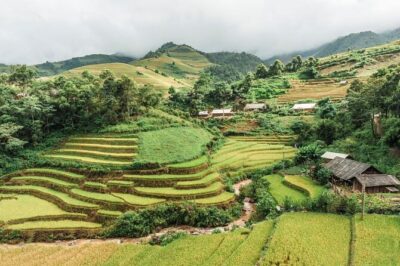
Sapa 2 Days 1 Night From Hanoi – Overnight in Ta Van Village
Read our review →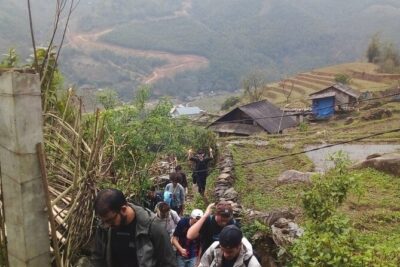
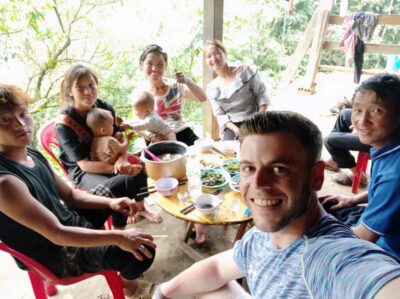
Sapa 3 Days 2 Nights Trekking Tour (1 Night In Ta Van Village, 1 Night In Hotel)
Read our review →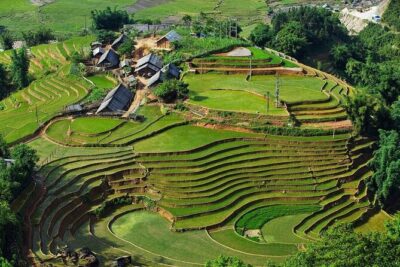
3-Day Trekking Adventure of Sapa from Hanoi – Stay Ta Van Village
Read our review →
2-Day Sa Pa Ethnic Homestay Tour & Trek with Limousine Bus
Read our review →
Sapa 2 Days 1 Night From Hanoi – Overnight in Hotel
Read our review →
Sapa 3 Day 2 Night Trekking With Hotel & Homestay
Read our review →Browse the lists this tour appears in