
Reviewed · SAPA TOURS FROM HANOI
From Hanoi: 2-Day Sapa Cultural Exchange Tour with Homestay
The best part of this two-day Sapa trip is the night in Ta Van village, where you sleep in a Dzay family homestay instead of rushing back to town. You also get a proper walk through Muong Hoa Valley, with rice terraces, hamlets, bamboo forest, and Red Dzao villages along the way.
I like the easy transport from Hanoi and the chance to learn about local life while walking between villages. I also like the small group size, capped at 15 people, and the helpful guides, including Sung, Chun, Lala, Cheng, Lily, and Za. The main catch is simple: the homestay is basic, and wet weather can make the paths slippery and the views hazy.
Key points
- A long first-day walk: Trek downhill through Y Linh Lo and Muong Hoa Valley before reaching Ta Van.
- A real village overnight: Sleep in a simple Dzay family homestay with a mosquito net and hot-water public bathroom.
- Comfortable long-distance transport: Travel between Hanoi and Sapa by air-conditioned bus, with comfort stops on both journeys.
- A second scenic walk: Cover about 4 kilometers in two hours through rice paddies, bamboo forest, and Giang Ta Chai.
- Small-group guiding: Groups are limited to 15, with English-speaking guides such as Sung, Chun, Lala, Cheng, Lily, or Za.
- Bring proper shoes and cash: Rain can turn the paths slick, and card payments may not work reliably in Sapa.
Hanoi to Sapa by bus, then straight into the hills

Your day begins with pickup at a hotel in Hanoi’s Old Quarter, or at the meeting point at 204 Tran Quang Khai Street near Hong Ha Hotel. Pickup is limited to the Hoan Kiem district, so you will need to reach the meeting point yourself if you are staying elsewhere.
The ride to Sapa takes much of the morning. You travel by air-conditioned bus and stop twice for comfort breaks before arriving around lunchtime. The bus is described as comfortable, and some departures use a VIP bus, but you should still think of this as a long transfer rather than a quick shuttle.
That arrangement works well if you are based in Hanoi and want to avoid arranging a separate Sapa trip. The return bus drops you on Tran Quang Khai Street, which keeps the transport simple at both ends. It does mean the first and last parts of the trip are road-heavy, so this tour suits you best if you accept that Sapa is a long way from Hanoi.
After arriving in Sapa, you have lunch before beginning the trek. Your main luggage does not need to come with you for the full walk. One useful detail from the experience is that larger bags are handled separately, so you can walk with a small day pack rather than dragging a suitcase over village paths.
More Sapa treks and homestays:
- Sapa 2 Days 1 Night From Hanoi – Overnight in Ta Van Village
★ 5.0 · 2,669 reviews - Hanoi – Sapa 2 Days 1 Night Overnight At Homestay
★ 5.0 · 899 reviews - From Hanoi: 2-Day Sapa Trekking Trip with Homestay & Meals
★ 4.8 · 704 reviews
Walking through Y Linh Lo and Muong Hoa Valley

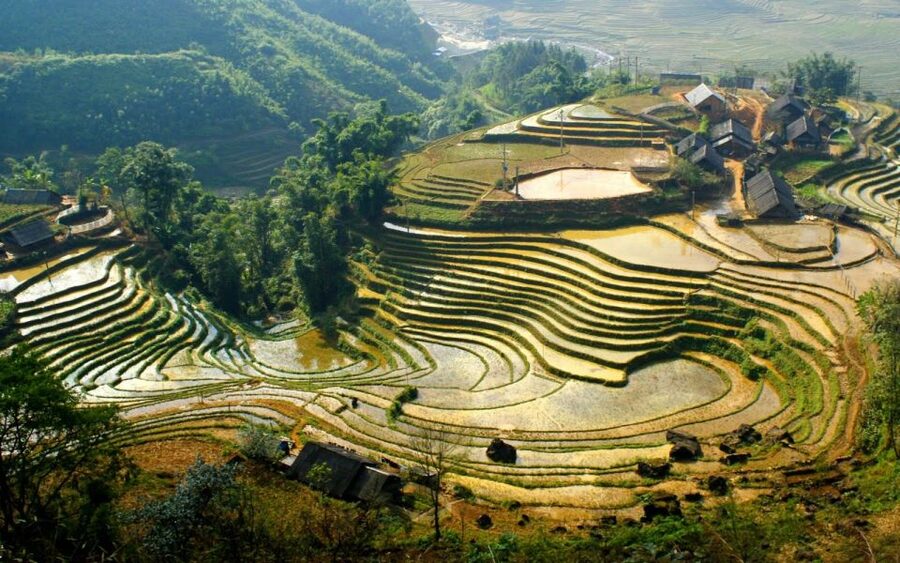
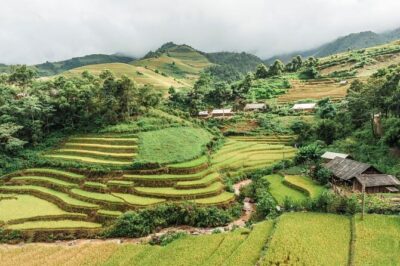
The first trek heads toward Y Linh Lo and then downhill through Muong Hoa Valley. This is the heart of the trip. You walk beside rice paddies, pass small hamlets, and see how village life fits around the steep hills and cultivated terraces.
The route is not described as a technical hike, and one account calls the walking manageable without much elevation gain. Still, downhill paths can be tiring in their own way. Rain makes the ground slippery, so hiking shoes with good grip are a much better choice than casual trainers.
The valley is especially rewarding when the weather is clear. You get broad views of the terraces and surrounding hills, along with close views of homes, paths, and working farmland. In fog or low cloud, Sapa can feel very different. From December through March, fog is common, and from September through March, the weather is usually cold. Check the forecast before booking if clear views matter greatly to you.
As you walk, the guide explains local customs and daily life among the communities in the valley. The quality of this part depends heavily on your guide. Guides named by participants include Sung, Chun, Lala, Cheng, Lily, and Za. Sung is particularly associated with careful attention to the group, while Chun is noted for answering cultural questions and taking photographs. These personal touches matter on a walk where the scenery is only half the experience.
You may also meet local women walking alongside the group and offering goods for sale. That can be part of the social character of the route, but it may feel persistent if you want a quiet walk. Keep your buying decisions clear and polite. You are not required to purchase anything.
Ta Van village and a Dzay family homestay
The walk continues through rice terraces and village paths toward Ta Van. The village is associated with the Dzay people and is often considered one of the prettiest places in the Sapa area. Its appeal comes from the setting and the chance to spend time in a lived-in community, not from polished tourist facilities.
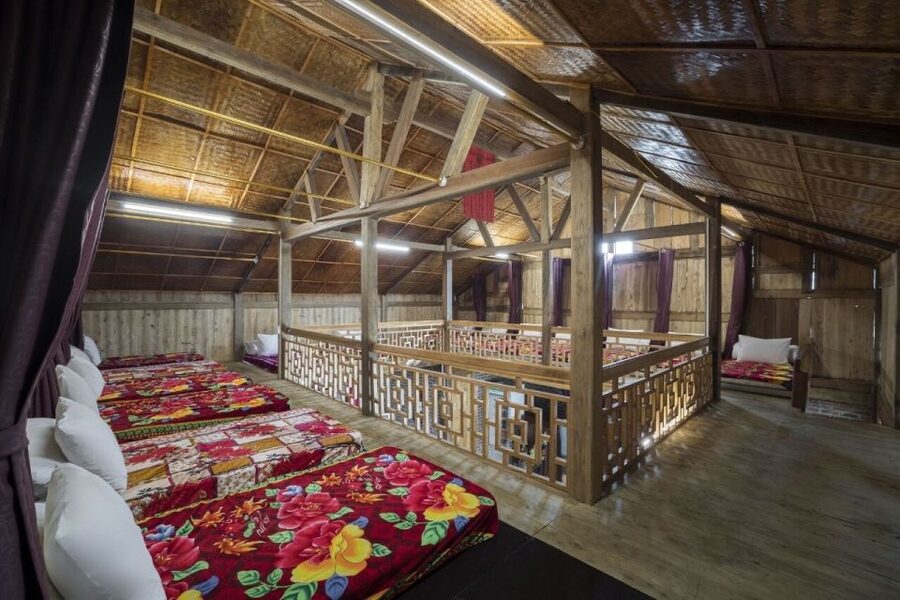
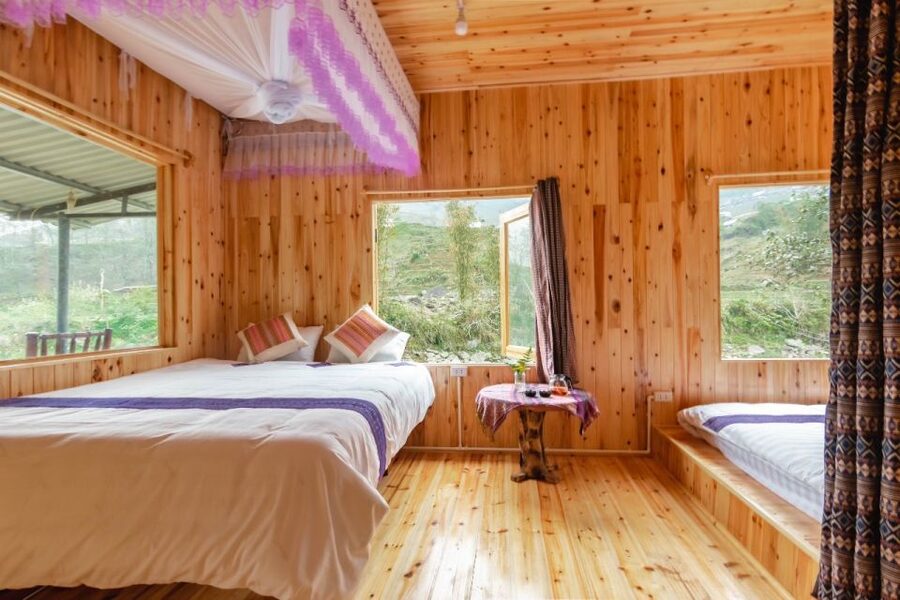
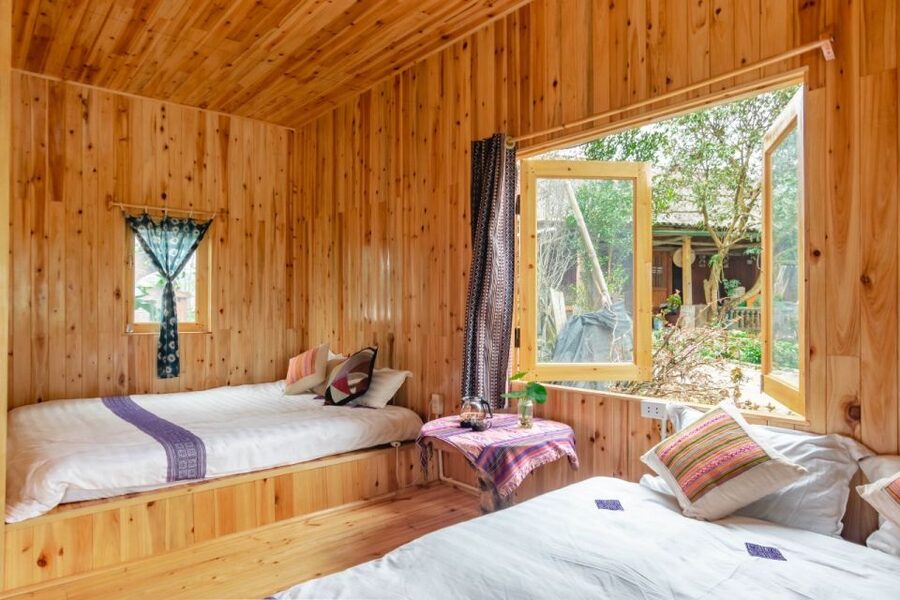
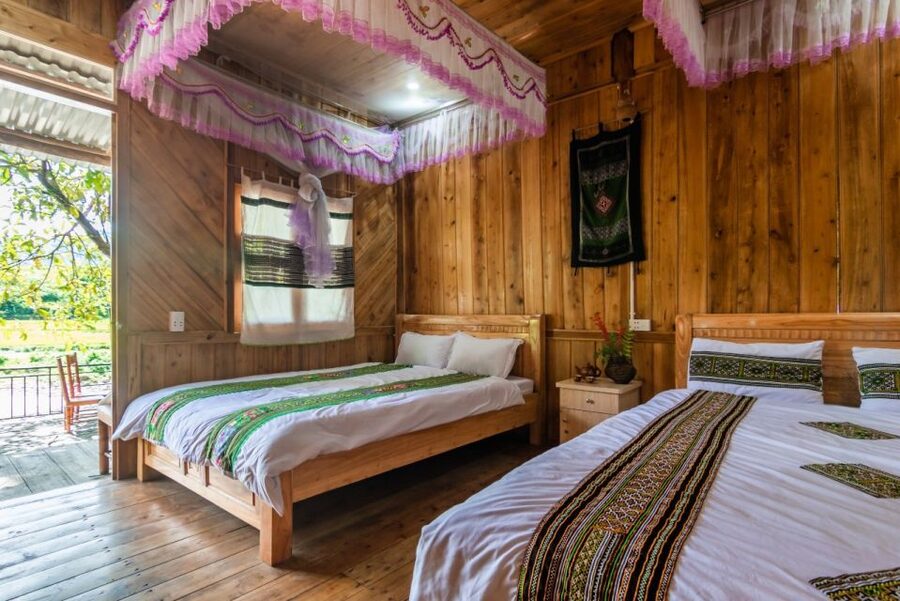
The homestay is a simple place. Your bed is a single basic bed with a mosquito net, and the bathroom is public with hot water. Some people may find the setup closer to a small hostel than a private family home. That is worth knowing before you book, especially if you are used to hotels.
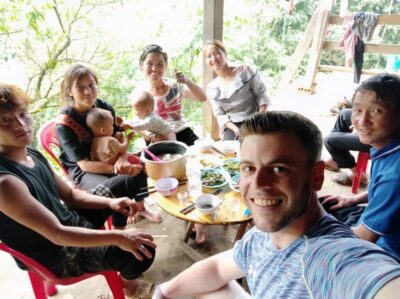
In return, you get an evening connected to local family life. Dinner is included, along with breakfast the next morning, and the food is one of the stronger parts of the experience. The guide may remain with the group during the evening, helping with communication and conversation.
This is not a private luxury stay. You should expect modest facilities, shared areas, and limited privacy. The value comes from the location and the human contact. Staying overnight also lets you begin the second walk from the village rather than making the long return to Sapa after the first day.
Pack lightly for the homestay. Bring warm clothing, a scarf, and a hat, especially from autumn through early spring. Cash in Vietnamese dong is also useful because the banking system in Sapa may not function well. United States dollars, euros, and Australian dollars are accepted in Sapa, but local currency is the safer choice for small purchases.
The second morning: rice paddies, bamboo, and Giang Ta Chai
Breakfast comes from the family before you set out again. The second walk covers about 4 kilometers and takes roughly two hours, making it shorter than the first day but still active.
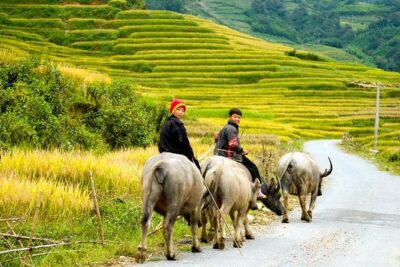
The route leads toward rice paddies, where you can stop for photographs of the surrounding hills and terraces. It then passes through a bamboo forest before reaching a panoramic view of Giang Ta Chai village, home to the Red Dzao people.
This section offers a different rhythm from the first day. Instead of a long descent through several settlements, you get a shorter morning walk with several clear stopping points. The bamboo forest and village viewpoint give the route some variety, though rain can make parts of the path hazardous. One wet-weather account describes the second hike as more dangerous, with the guide providing useful help. Take your time on muddy sections and keep both hands free when possible.
You continue to the Giang Ta Chai Bridge and then reach the main road. A bus picks you up there and takes you back to Sapa town. This short transfer saves you from walking the same route in reverse.
More 2-day tours in Hanoi:
- Amanda Cruise – Ha Long, Lan Ha Bay – All Inclusive 2D1N & 3D2N
★ 5.0 · 4,358 reviews - Hanoi: 2-Day Halong & Lan Ha Bay 5-Star Cruise with Balcony
★ 4.8 · 3,300 reviews - Halong Bay – Le Journey Cruises – All Inclusive 2D1N and 3D2N
★ 5.0 · 2,500 reviews - Mon Chéri Cruise 5 star: Unique 2 Days Tuan Chau – Halong bay – Lan Ha Bay
★ 5.0 · 2,422 reviews
Your free time in Sapa before the return bus
Once back in Sapa, you can shower at the hotel, check out, eat, or rest while the rest of the group finishes preparing for departure. This pause is practical after two consecutive walking days. It also gives you a little breathing room before the long bus journey back to Hanoi.
The schedule does not promise a full sightseeing period in Sapa town. You should treat this as recovery time rather than a chance to explore the market or major town sights. The main focus is the valley walk and village stay.
The bus then returns to Hanoi with two comfort breaks. Drop-off is on Tran Quang Khai Street, the same general area as the meeting point. If you have an evening train, flight, or fixed appointment, allow plenty of extra time. Road conditions and operating changes can affect the schedule, and the tour company reserves the right to adjust the route because of weather or other conditions.
What the $100 price really covers
At $100 per person, this trip includes a great deal of the basic cost of visiting Sapa from Hanoi. You receive hotel pickup in the Hoan Kiem area, return bus transport, a guide, two lunches, one dinner, one breakfast, and the overnight stay. You also avoid arranging a separate transfer, village walk, homestay, and return journey.
The value is strongest if you want a ready-made two-day trip and do not want to compare buses or find a guide after reaching Sapa. A small group of up to 15 people is large enough to keep the price down but usually small enough for the guide to help with slippery paths and questions.
The price does not include drinks, travel insurance, or personal spending. Bring water and cash. One account specifically warns to bring water, and you should not assume that every stop will accept a card.
The compromises are clear. You spend many hours on buses, the accommodation is basic, and the walking can feel demanding because it takes place on two consecutive days. For a private guide, a hotel room, or a gentler schedule, you would need a different kind of Sapa trip.
The guide can shape the whole experience
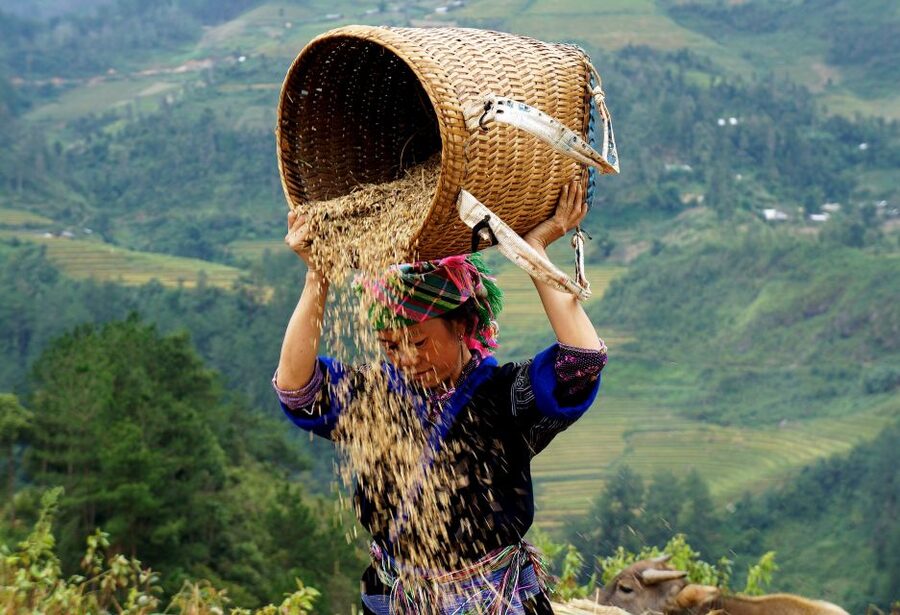
This tour depends more on guiding than on equipment. A good guide helps you understand the villages, keeps the group together on slick paths, translates when needed, and makes the homestay feel less like a stopover.
The names connected with this experience include Sung, Chun, Lala, Cheng, Lily, and Za. Sung is described as attentive and caring, while Chun is praised for taking photographs and answering questions about Vietnamese culture in Sapa. Lily helped one sick participant with a traditional treatment from her tribe, though you should not treat that as a substitute for medical care.
The guide’s communication style can vary. If learning about village life is your main reason for booking, ask questions directly and let the guide know what interests you. Some groups have found that guides spent too much time talking with local sellers, which reduced the explanations along the route. A small group helps, but it does not guarantee the same guiding style every time.
Weather, fitness, and what to pack
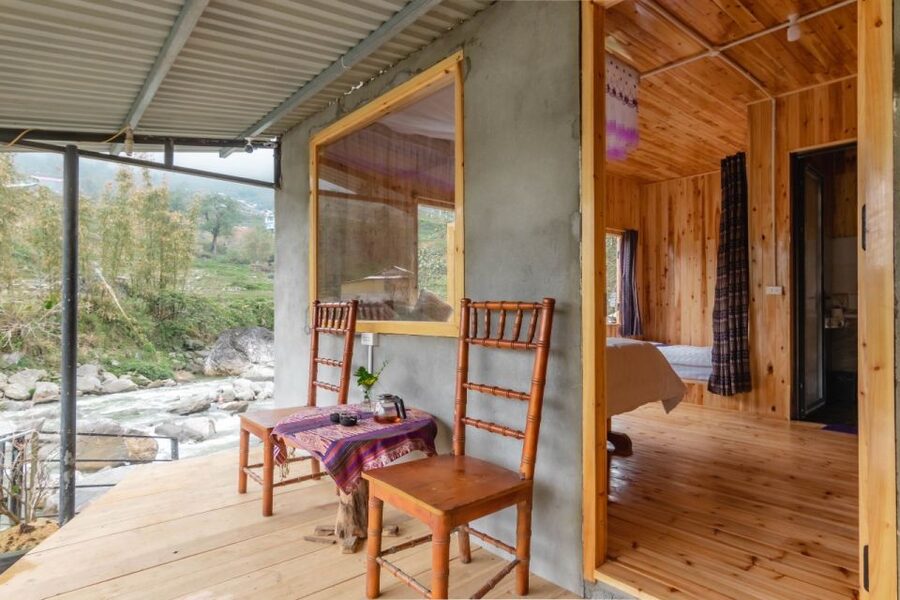
You do not need to be an expert hiker, but you should be comfortable walking for several hours on uneven paths. The first day is the demanding one, with a long route through the valley. The second day adds another two hours, so the total effect can be tiring even if neither section feels extreme by itself.
This trip is not suitable for people with limited mobility, pregnant women, or children under six. The operator also advises against joining if you cannot manage uneven, slippery village paths.
Pack:
- Grippy walking shoes or hiking shoes
- Warm layers, including a jacket, scarf, and hat
- Comfortable clothing that can handle rain and mud
- A small day pack
- Water
- Passport or identification
- Vietnamese dong and other cash
- A phone or camera for the valley viewpoints
Sapa weather changes quickly. Cold conditions are common from September to March, and fog is frequent from December to March. Rain can affect both the views and your footing, so a flexible attitude matters as much as your clothing.
Who should book this Sapa homestay trip?
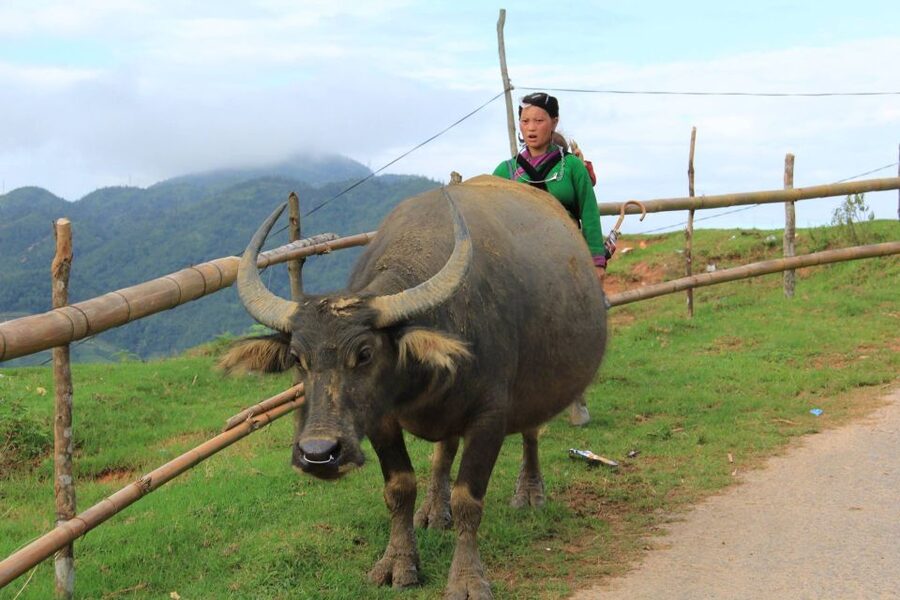
I would choose this tour if you want to see Sapa’s countryside without organizing every part yourself. It suits you if you enjoy walking, accept basic accommodation, and want a family homestay rather than a standard hotel.
It is also a good match if you are traveling alone or as a couple and like the social side of a small group. The evening meal, shared transport, and guided village walks make it easy to meet other people.
I would hesitate if you need a private bathroom, dislike long bus rides, or want full control over the walking pace. You should also reconsider if your main goal is clear mountain photography, since fog and rain can change the views quickly.
The experience receives a strong overall rating of 4.5 from 158 ratings, and the most consistent praise centers on the guides, homestay meal, village scenery, and sense of local contact. The less consistent parts are the simple facilities, occasional sales pressure along the path, and difficult footing in rain.
Should you book it?
Book this two-day trip if you want a practical introduction to Sapa with transport, meals, guiding, and a village overnight bundled together. The strongest reason to choose it is the route itself: you walk through Muong Hoa Valley, sleep in Ta Van, and continue toward Giang Ta Chai instead of seeing the area from a bus window.
Skip it if you want comfort, privacy, or a short and gentle outing. For the right person, $100 is fair value because it covers the long Hanoi transfer and the essential Sapa arrangements. Bring proper shoes, warm layers, water, and patience, and you will be prepared for the parts that make this trip memorable as well as the parts that require some tolerance.
FAQ
Where does the tour start?
The main meeting point is 204 Tran Quang Khai Street, near Hong Ha Hotel. Hotel pickup is available from hotels in Hanoi’s Hoan Kiem district.
Where does the tour end?
The activity ends back at the meeting point on Tran Quang Khai Street in Hanoi.
How long is the tour?
The tour lasts two days. You should check availability for the exact starting time.
How do I travel from Hanoi to Sapa?
You travel by air-conditioned bus, with two comfort stops before reaching Sapa and two comfort stops on the return trip.
How large is the group?
The tour is limited to 15 participants.
Is the guide English-speaking?
Yes. The live tour guide speaks English.
What communities will I learn about?
The overnight stay is with a Dzay family in Ta Van. The second walk includes a viewpoint over Giang Ta Chai, which is home to the Red Dzao people.
What meals are included?
The package includes one breakfast, two lunches, and one dinner. Beverages are not included.
What are the homestay facilities like?
The homestay provides a single basic bed with a mosquito net and a public bathroom with hot water. Facilities are simple.
Is the walking suitable for everyone?
No. The tour is not suitable for people with limited mobility, pregnant women, or children under six. Rain can make the paths slippery.
Can I cancel the booking?
You can cancel up to 24 hours in advance for a full refund. The reserve-now, pay-later option is also available.
What should I bring?
Bring your passport or identification, comfortable walking shoes, warm clothing, comfortable clothes, and cash. Water is also a practical addition, especially for the longer first-day walk.
Just added to the Hanoi list
- (TOP) Private car: Hanoi/Noi Bai Airport (HAN) from/to Ninh Binh★ 3.5 · 16 reviews
- Thang Long Water Puppet Theater★ 4.5 · 45 reviews
- Private car transfer from Hanoi Airport to Hotels★ 4.5 · 5 reviews
- Private Tour Ninh Binh 1 Day★ 5.0 · 5 reviews
- Private Hanoi Old Quarter Food Tour with 8+ Authentic Tastings★ 5.0 · 11 reviews
- Private Transfer Service from Hanoi to Ha Long Bay★ 5.0 · 3 reviews
- Private Transfer Between Hanoi City and Noi Bai Airport (HAN)★ 5.0 · 3 reviews
- Ba Be National Park With Boat Trip, Kayaking, Swimming, Trekking And Cycling★ 5.0 · 10 reviews
Sapa Tours from Hanoi, compared.
Sapa 2 Days 1 Night From Hanoi – Overnight in Ta Van Village
Read our review →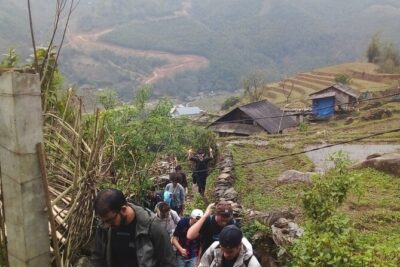
Sapa 3 Days 2 Nights Trekking Tour (1 Night In Ta Van Village, 1 Night In Hotel)
Read our review →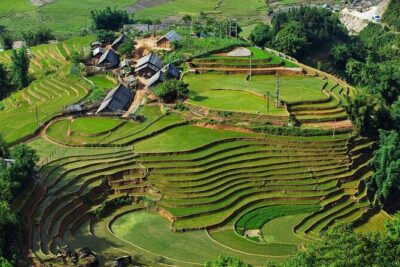
3-Day Trekking Adventure of Sapa from Hanoi – Stay Ta Van Village
Read our review →
2-Day Sa Pa Ethnic Homestay Tour & Trek with Limousine Bus
Read our review →
Sapa 2 Days 1 Night From Hanoi – Overnight in Hotel
Read our review →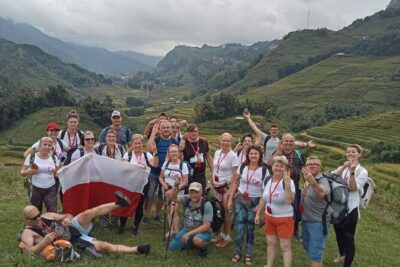
Sapa 3 Day 2 Night Trekking With Hotel & Homestay
Read our review →Browse the lists this tour appears in