
Reviewed · SAPA TOURS FROM HANOI
From Hanoi: 2-Day Sapa, Fansipan, and Muong Hoa Valley Tour
Fansipan is the star here. You ride a cable car high into the Hoang Lien Son mountains, then walk about 600 steps past pagodas and mountain viewpoints to reach Vietnam’s highest summit, known as the Roof of Indochina. Sue and Chai have earned special praise for explaining local life and patiently helping people over muddy paths.
I like the smart pairing of Fansipan and Muong Hoa Valley: one day gives you big mountain views and temple sites, while the next takes you among rice terraces, Hmong and Dzay villages, and local homes. I also like the small-group size, limited to 10 people. The tradeoff is a rushed schedule, with a long bus ride from Hanoi, a demanding valley walk, and a 2:30 pm departure back to Hanoi on the second day.
Key points at a glance
- Fansipan by cable car: Ride for about 25 minutes, then climb roughly 600 steps to the summit.
- Muong Hoa Valley on foot: Visit Lao Chai and Ta Van, with a choice of lighter or harder trekking.
- Local guides matter: Guides such as Sue and Chai add useful detail about rice farming, clothing, village life, and local customs.
- A long but efficient journey: Leave Hanoi around 6:30 am, reach Sapa around 12:30 pm, and return to Hanoi around 7:30 pm the next day.
- Good value at $169: The price covers transport, a 3-star room, meals, guide services, entrance costs, and the cable car.
- Come prepared for mud and altitude: Hiking shoes, sunscreen, insect repellent, comfortable clothes, and personal medication are important.
Fansipan gives you the tour’s biggest moment
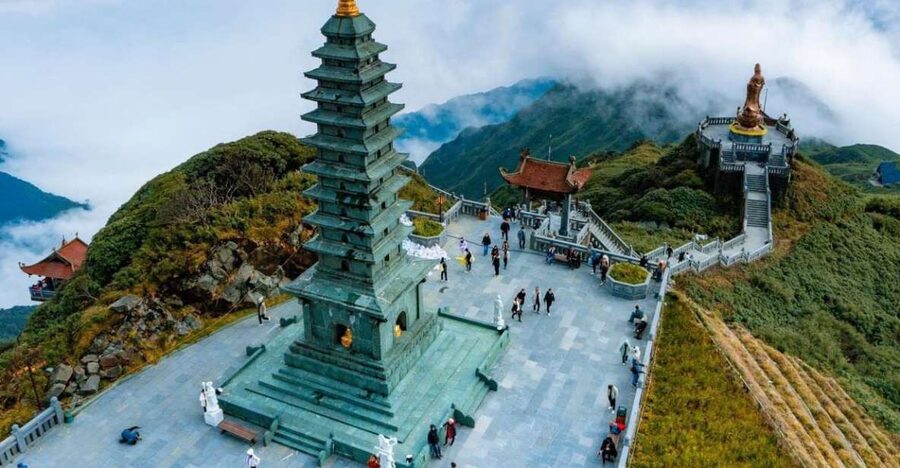
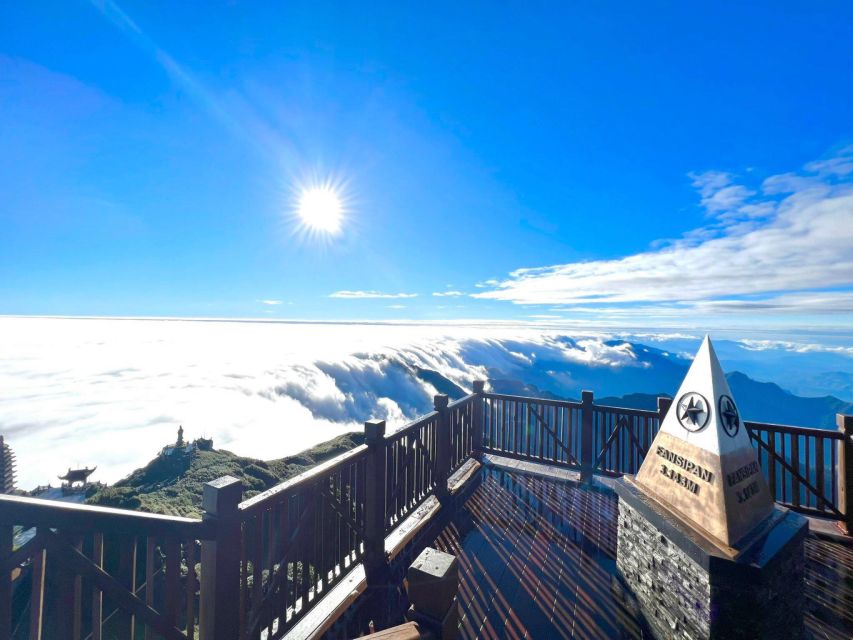
At 3,143 meters, Fansipan is Vietnam’s highest mountain and the highest point in Indochina. This tour removes much of the physical work of reaching it, since the cable car carries you up toward the summit rather than requiring a full mountain ascent.
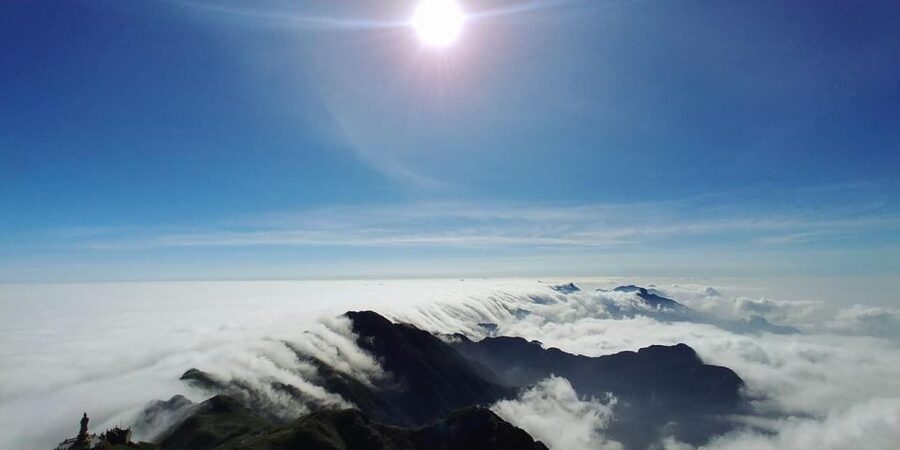
The cable car ride takes about 25 minutes. It is not just a transfer. As you rise, you get broad views of the northern mountains, though clouds and fog can cover much of the scene. Clear weather makes a major difference. One lucky day can bring open views from the summit, while another can leave you looking at mist.
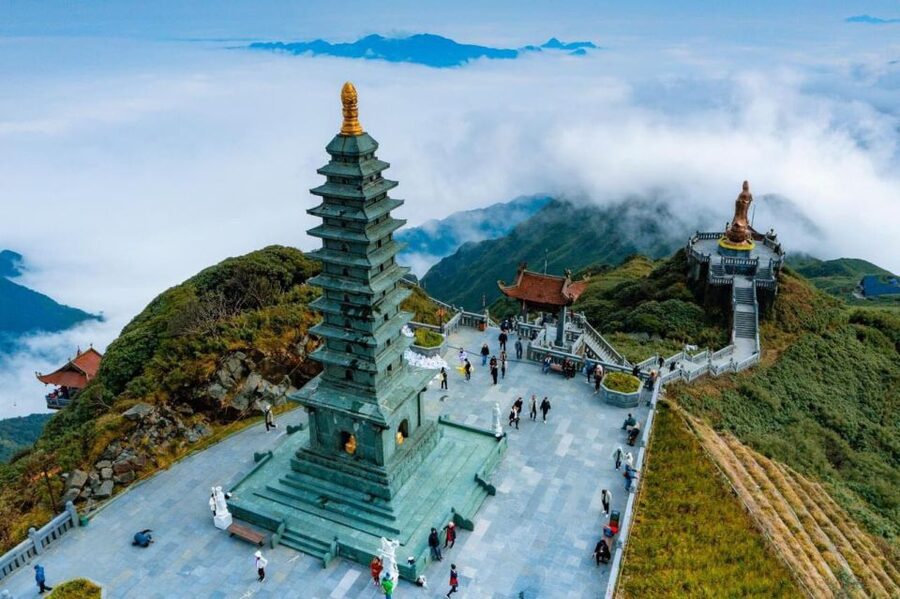
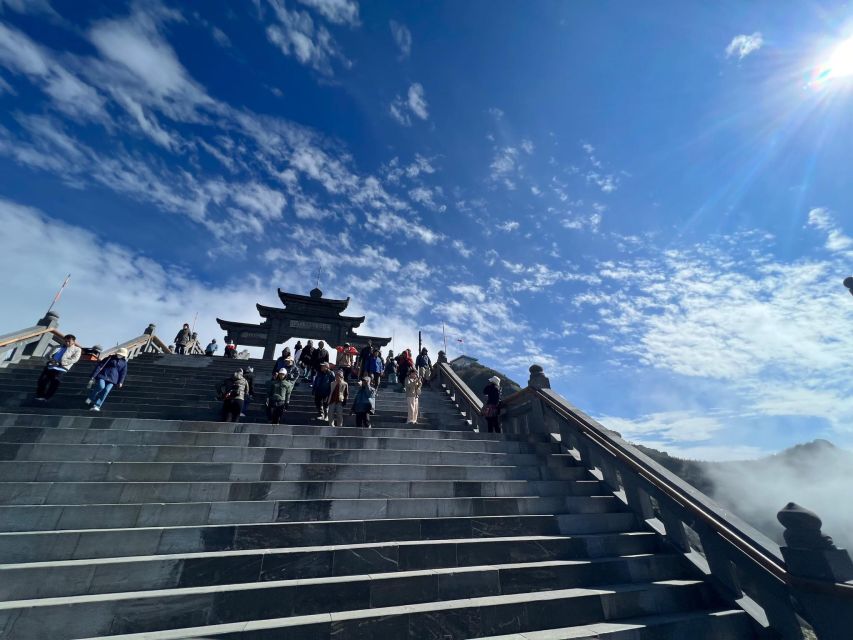
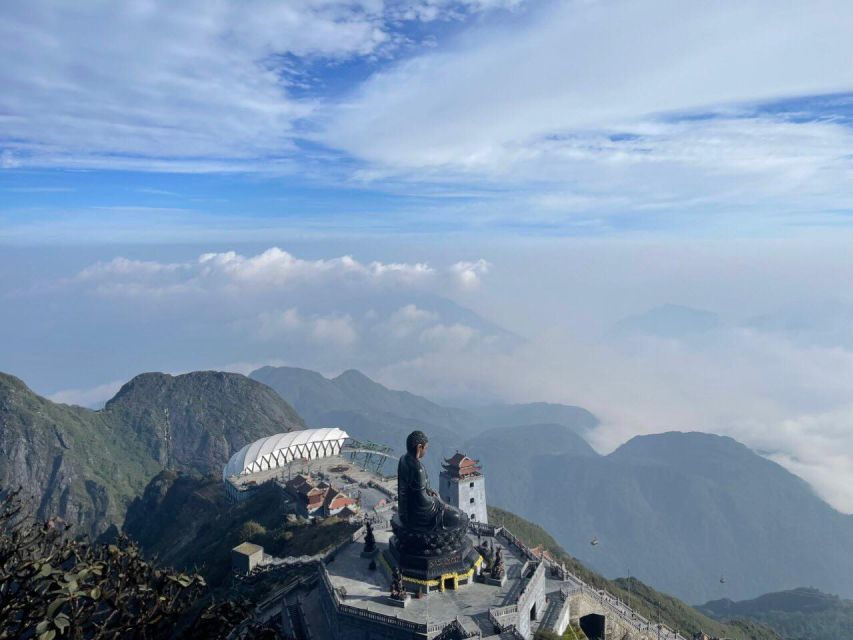
The cable car brings you to an altitude of about 2,800 meters. From there, you visit pagodas and other spiritual sites before tackling around 600 steps to the summit. This final section is still a workout. You do not need to be a serious mountaineer, but you should be comfortable with steep stairs and high altitude.
I would allow several hours for the full Fansipan outing. The cable car itself is short, but getting to the station, visiting the upper sites, walking to the summit, taking photographs, and returning to Sapa takes time. The stated afternoon departure is around 2:00 pm, so you have little room for delays.
The site is not suitable for people with heart problems, high blood pressure, acrophobia, or serious mobility limits. The mountain visit can also be delayed or cancelled in bad weather. That is sensible, but it means you should not treat the summit view as guaranteed.
The monorail and funicular are not included. You can still reach the summit on foot from the cable car area, but anyone wanting those extra rides should budget for additional tickets.
More Sapa treks and homestays:
- Sapa 2 Days 1 Night From Hanoi – Overnight in Ta Van Village
★ 5.0 · 2,669 reviews - Hanoi – Sapa 2 Days 1 Night Overnight At Homestay
★ 5.0 · 899 reviews - From Hanoi: 2-Day Sapa Trekking Trip with Homestay & Meals
★ 4.8 · 704 reviews
The Hanoi to Sapa ride sets the pace
Pickup is around 6:30 am from Hanoi’s Old Quarter or a hotel in that area. The journey uses a limousine bus on the Hanoi to Lao Cai highway, with arrival in Sapa expected around 12:30 pm.
That is a substantial ride before the walking begins. The highway makes the trip faster than older road routes, and the northern mountain scenery becomes more interesting as you approach Sapa. Still, you should expect a long morning in a vehicle. One practical weakness is the limited comfort for taller passengers. A 1.90-meter passenger found the middle rear seat especially cramped and the road rough.
To make the journey easier, choose comfortable clothes, keep your essential medication with you, and bring water for the bus even though food and drinks are not allowed at the Fansipan site. The tour information advises against bringing food and drinks into the activity areas, so do not plan on carrying a full picnic.
The transport back to Hanoi is set for 2:30 pm on Day 2, with arrival around 7:30 pm. A delayed departure can make the ride feel even longer. Some passengers also found the return driving uncomfortable, so I would keep the next morning free rather than booking an early activity in Hanoi.
Your first afternoon: check in, then go uphill
After arriving in Sapa, your local guide welcomes you and takes you to the hotel. You are given time to check in, shower, and rest before heading to the cable car station at about 2:00 pm.
This pause is useful. After the morning bus ride, a shower and short break will help you face the steps at Fansipan. It also means Day 1 is not simply a transfer day. You get a proper mountain visit soon after reaching Sapa.
The accommodation is described as a deluxe double, twin, or triple room in a 3-star hotel. The hotel experience can vary. Some rooms have been comfortable, with friendly staff and a good breakfast, while others have felt old or had maintenance issues such as a leaking bathroom. I would view the room as a practical overnight base rather than a reason to book this tour.
Breakfast is included on Day 2, but your evening meal is not listed. You should also note the wording about hotel costs in Hanoi: the Sapa room is included, while your accommodation after returning to Hanoi is your own responsibility.
Pagodas, steps, and views at 2,800 meters
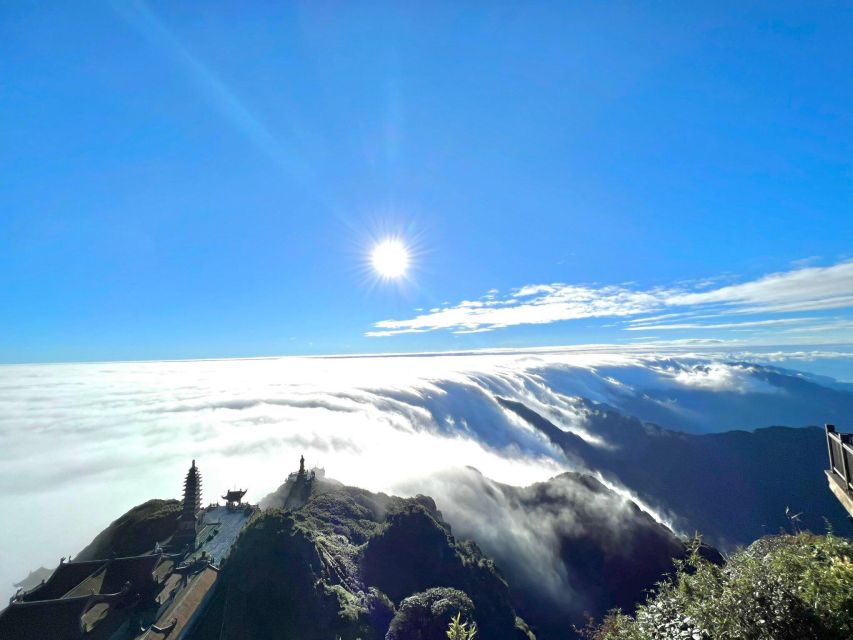
The upper Fansipan complex combines mountain scenery with religious sites. You can visit pagodas, pause at spiritual destinations, and then continue toward the summit. This gives the afternoon more variety than a simple viewpoint visit.
The summit itself is the payoff, but conditions rule the experience. When clouds lift, you get broad views across the northern mountains and excellent photo chances. When fog stays in place, the temples and summit marker still make the trip worthwhile, but the famous views may be missing.
The altitude can affect how hard the stairs feel. Walk steadily and do not rush the climb. You can stop for photographs and short rests, which is especially important if you are not used to high mountain conditions.
This is also the part of the tour most likely to disappoint anyone expecting a quiet wilderness experience. The cable car makes Fansipan accessible to many people, and the upper area is a developed visitor site with pagodas, transport infrastructure, and crowds at popular photo spots. You are visiting a famous summit, not taking a remote expedition.
More 2-day tours in Hanoi:
- Amanda Cruise – Ha Long, Lan Ha Bay – All Inclusive 2D1N & 3D2N
★ 5.0 · 4,358 reviews - Hanoi: 2-Day Halong & Lan Ha Bay 5-Star Cruise with Balcony
★ 4.8 · 3,300 reviews - Halong Bay – Le Journey Cruises – All Inclusive 2D1N and 3D2N
★ 5.0 · 2,500 reviews - Mon Chéri Cruise 5 star: Unique 2 Days Tuan Chau – Halong bay – Lan Ha Bay
★ 5.0 · 2,422 reviews
Muong Hoa Valley brings you closer to daily life
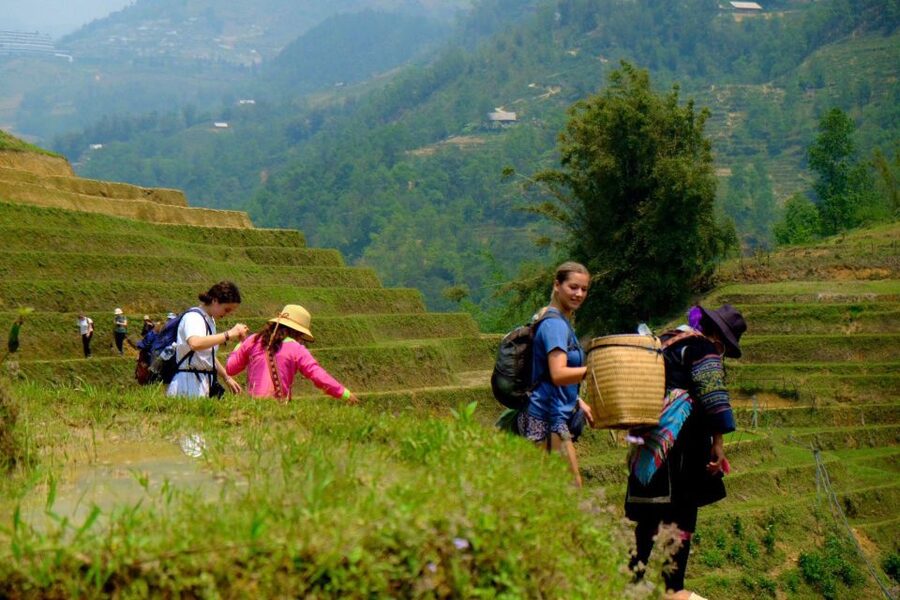
Day 2 begins after breakfast with a trek through Muong Hoa Valley. The route takes you toward Lao Chai, a village associated with the Hmong, and Ta Van, home to Dzay communities.
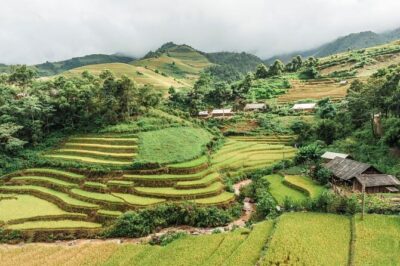
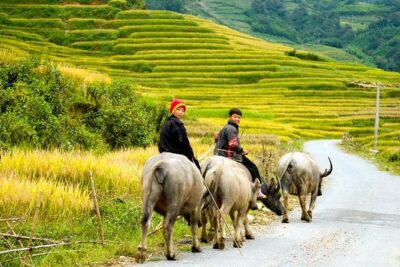
The setting is the main attraction. Rice terraces follow the mountain slopes, and the route takes you through fields, village paths, and muddy sections. The exact difficulty can be adjusted, with a lighter or harder trek available depending on your fitness level. Ask your guide early in the day which route fits your condition.
Do not confuse the light option with an easy city stroll. The ground can be uneven and slippery, especially after rain. One trek lasted more than three hours and became tiring because of mud. Another group spent about five hours on the valley route. Trail shoes with strong grip are a much better choice than smooth tennis shoes.
The scenery changes with the season and weather. Rice terraces may look different depending on planting and harvest cycles, and clouds can soften the mountain views. Your guide can explain rice harvesting, local clothing, and natural dyeing, which adds meaning to what you see rather than leaving you to guess at the work behind the fields.
Lao Chai and Ta Van are more than photo stops
The village visits are the most human part of the tour. You may stop at local homes and schools and talk with people about daily life. The guide helps explain village customs and work, while also keeping the group moving along the route.
That guidance matters. It is easy to reduce Hmong and Dzay communities to colorful clothing and rice terraces. A good local guide gives you more context, including how clothes are made and dyed and how farming shapes village life.
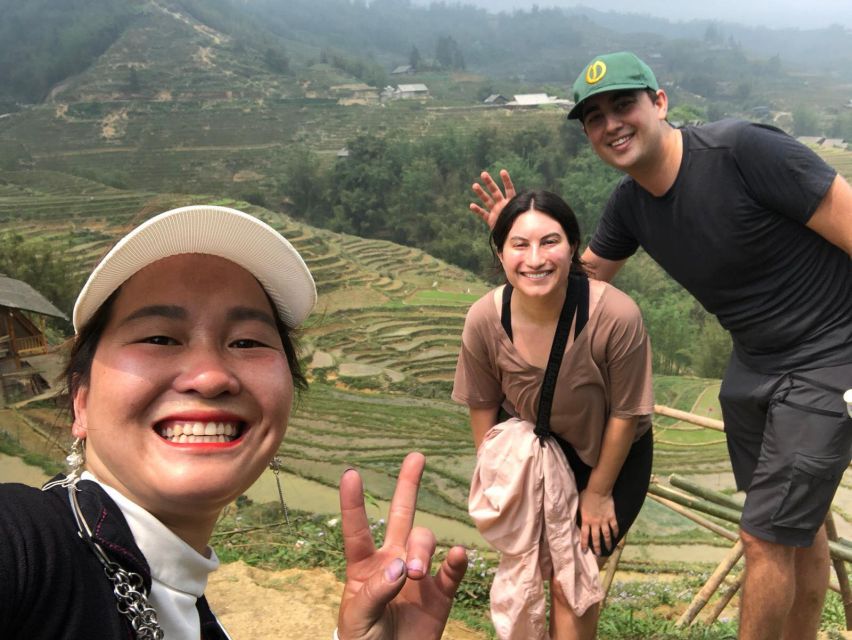
Guides Sue and Chai have been particularly effective for this kind of day. Sue has explained rice harvesting, natural clothing dyes, and village life while helping people through slippery paddies. Chai has also been praised for her energy, humor, and care on the trail. The guide’s role is practical as well as cultural. A local helper may assist with difficult sections, which can make a real difference when the path is muddy.
You should still approach the village visits respectfully. Ask before taking close-up photographs, follow the guide’s instructions, and do not treat homes or schools as staged attractions. The value comes from a brief, genuine exchange, not from collecting pictures of people going about their day.
Lunch at a Dzay home
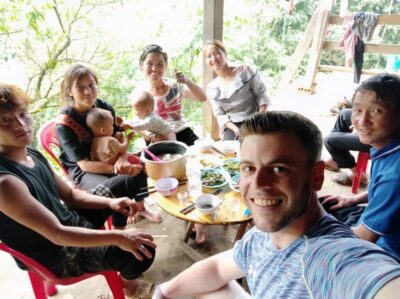
Lunch is served at a local home in Ta Van. This is one of the tour’s strongest details because it gives you time to sit down in the village rather than simply walk past it.
The included meal is one lunch, but the exact menu is not specified. A separate motorbike outing described by one guide included freshly prepared salmon and sturgeon at her home, but that is an optional activity and should not be assumed to be part of this package.
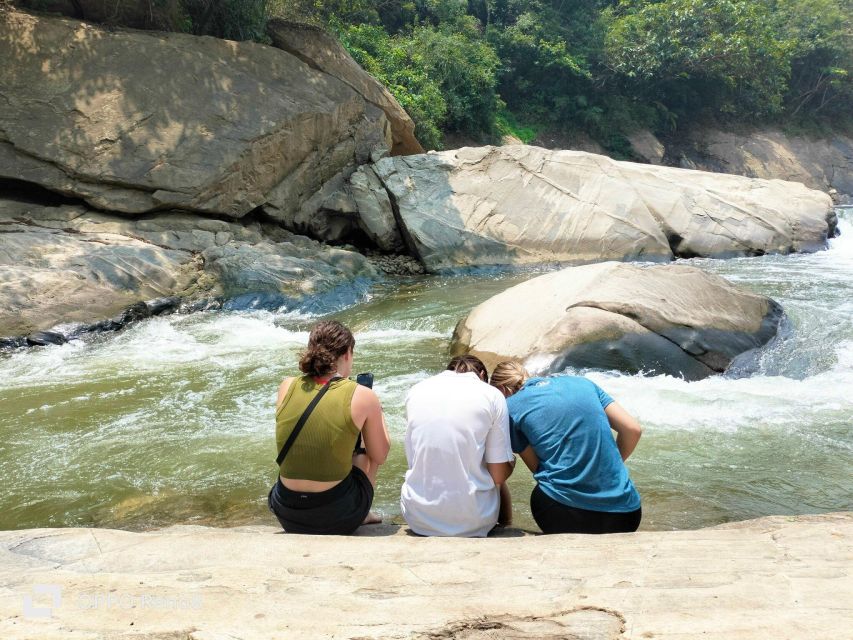
After lunch, you can spend time walking around or swimming in the Muong Hoa stream. The stream option depends on conditions and your own comfort, so bring suitable clothing only if you plan to use it. The tour’s required packing list focuses on hiking shoes, sunscreen, comfortable clothes, insect repellent, and medication.
The afternoon has a fixed clock. A van collects you from the village and returns you to Sapa town. You then have some free time before leaving for Hanoi at 2:30 pm. That free period is useful for a short walk around Sapa, but it is not long enough for another major activity.
What the $169 price really covers
At $169 per person, this is not the cheapest way to see Sapa, but the price includes several costly pieces:
- Return limousine bus transport between Hanoi and Sapa
- One night in a 3-star room
- Return Fansipan cable car tickets
- An English-speaking local guide
- One breakfast and one lunch
- Muong Hoa Valley sightseeing fees and permission
- Transport from the village back to Sapa
- Hotel transport to and from the cable car station
The cable car alone makes a noticeable difference to the value. You are also paying for the guide, the overnight room, and the long-distance transfers, so the price is reasonable if you want the main Sapa sights in a short window.
It is less attractive if you already have transport and accommodation arranged in Sapa. In that case, you may pay for services you do not need. It is also not the best choice if you want a slow rural stay, several days of walking, or a flexible departure from the valley.
Extra costs include the 10 percent government tax, travel insurance, soft drinks, and monorail or funicular tickets. A French-speaking guide costs an additional $15 per person. A Lunar New Year surcharge of $30 per person applies from January 26 to February 2, 2025.
Who will enjoy this two-day plan
I would recommend this tour to you if you have limited time in Vietnam and want to combine a famous mountain summit with a real valley walk. It suits reasonably fit adults who can handle a long bus ride, high-altitude stairs, and muddy paths.
It also works well for small groups and families with older children who are comfortable walking. The group limit of 10 people is useful because a guide can give more help on narrow or slippery sections than would be possible with a large coach group.
I would think twice if you have high blood pressure, heart problems, severe fear of heights, or difficulty walking on uneven ground. The tour is not suitable for wheelchair users, and it is not recommended for people over 95. Bad weather may alter the Fansipan plan, and poor trail conditions can make the valley walk harder than expected.
The tour offers live guiding in English, French, or Vietnamese. The French option carries an extra charge, payable at the meeting point.
Practical packing advice for Fansipan and the valley
Bring your passport or ID card, as well as hiking shoes with a real tread. This is the single most useful piece of advice from the walking conditions. Smooth-soled tennis shoes can become dangerous in wet rice terraces.
Pack sunscreen, comfortable clothes, insect repellent, and any personal medication. A light change of clothing may also be useful after a muddy walk, though the supplied information does not specify luggage facilities.
Wear clothes that let you move easily and handle changing mountain conditions. Keep your valuables and documents secure during the bus ride and walking portions. Pets, alcohol, drugs, explosives, littering, and nudity are not allowed.
Cancellation is flexible up to 24 hours before departure for a full refund, and you can reserve now and pay later. Travel insurance is not included, so arranging your own cover is sensible, particularly because weather can affect the mountain visit.
Should you book this Sapa tour?
Book it if you want the most famous sights in a compact package and value having Sue, Chai, or another local guide explain the villages and help you across difficult ground. The combination of Fansipan’s high summit, Muong Hoa’s rice terraces, a Dzay home lunch, and transport from Hanoi gives you a lot in two days.
Skip it if you want a relaxed pace. The Hanoi bus ride is long, the hotel quality may be uneven, the Fansipan visit depends on weather, and the return to Hanoi leaves little breathing room. For a short first visit to Sapa, though, $169 is fair value, provided you arrive with good shoes, realistic expectations, and enough energy for a busy pair of days.
FAQ
How long does the tour last?
The tour lasts two days. Pickup from Hanoi is around 6:30 am on Day 1, and arrival back at a Hanoi hotel is expected around 7:30 pm on Day 2.
Where does pickup take place?
Pickup is available from Hanoi’s Old Quarter or from your hotel in the Hanoi Old Quarter.
How do I reach Fansipan?
You travel from Sapa to the cable car station, then take a return cable car ride. The ride to Fansipan takes about 25 minutes, followed by a walk of roughly 600 steps to the summit.
Is the Fansipan cable car included?
Yes. Return cable car tickets are included. Monorail and funicular tickets are not included.
Which villages does the valley trek visit?
The trek visits Lao Chai village, associated with the Hmong, and Ta Van village, associated with the Dzay people.
How difficult is the Muong Hoa Valley walk?
You can choose a lighter or harder trek based on your fitness level. The route can be muddy and slippery, and the walking portion may last more than three hours.
Is accommodation included?
One night in a deluxe double, twin, or triple room at a 3-star hotel is included. Accommodation after you return to Hanoi is not included.
Can I cancel the booking?
Yes. You can cancel up to 24 hours in advance for a full refund. You can also reserve now and pay later.
Just added to the Hanoi list
- (TOP) Private car: Hanoi/Noi Bai Airport (HAN) from/to Ninh Binh★ 3.5 · 16 reviews
- Thang Long Water Puppet Theater★ 4.5 · 45 reviews
- Private car transfer from Hanoi Airport to Hotels★ 4.5 · 5 reviews
- Private Tour Ninh Binh 1 Day★ 5.0 · 5 reviews
- Private Hanoi Old Quarter Food Tour with 8+ Authentic Tastings★ 5.0 · 11 reviews
- Private Transfer Between Hanoi City and Noi Bai Airport (HAN)★ 5.0 · 3 reviews
- Private Transfer Service from Hanoi to Ha Long Bay★ 5.0 · 3 reviews
- Ba Be National Park With Boat Trip, Kayaking, Swimming, Trekking And Cycling★ 5.0 · 10 reviews
Sapa Tours from Hanoi, compared.
Sapa 2 Days 1 Night From Hanoi – Overnight in Ta Van Village
Read our review →
Sapa 3 Days 2 Nights Trekking Tour (1 Night In Ta Van Village, 1 Night In Hotel)
Read our review →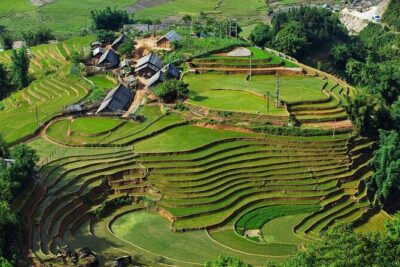
3-Day Trekking Adventure of Sapa from Hanoi – Stay Ta Van Village
Read our review →
2-Day Sa Pa Ethnic Homestay Tour & Trek with Limousine Bus
Read our review →
Sapa 2 Days 1 Night From Hanoi – Overnight in Hotel
Read our review →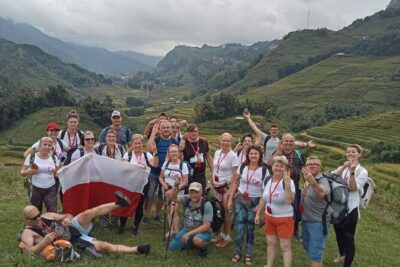
Sapa 3 Day 2 Night Trekking With Hotel & Homestay
Read our review →Browse the lists this tour appears in