
Reviewed · SAPA TOURS FROM HANOI
3 Days SAPA Real Experience at Local People House
Sapa is at its best when you leave the town behind and walk through the rice terraces to a family home. This trip gives you two nights in Ta Van Village, with local meals, cooking, field work, and village walks rather than a quick photo stop. Mama Zuzu is a key local host, and her warm family welcome is one of the strongest parts of the experience.
I like that the price includes the big costs: return sleeper bus transport, two nights of lodging, meals, entrance fees, and a local English-speaking guide. I also like the small-group limit of 15, which makes it easier to spend time with your host and ask questions about rice planting, food, customs, and daily life.
The trade-off is physical. You will trek about 12 kilometers on the first day, with more walking on the second, and the routes can become difficult in poor weather. The homestay is simple, not a polished hotel, and the operator does not recommend this trip for anyone over 60 or anyone with physical difficulties.
Key points to know before booking
- Two nights with a local family: You stay in a local people’s house in Ta Van Village, with shared meals and time around the household.
- A real trekking trip: The first day includes roughly 12 kilometers through terrace fields, followed by more village walking on Day 2.
- Mama Zuzu is a memorable host: She speaks English well and can explain local rice farming, food, customs, and village life.
- The $98 price covers the essentials: Sleeper bus transport from Hanoi, accommodation, meals, guiding, trekking, and entrance fees are included.
- Simple accommodation and active days: Pack for rural conditions, uneven paths, and a homestay that values warmth and local contact over hotel comforts.
- Early start from Hanoi: You meet at 6:30 a.m., then return to Hanoi around 9:30 p.m. on the third day.
Why this Sapa trip feels different
Many Sapa excursions show you a village, then return you to town by afternoon. This one gives you time to settle into village life. You sleep in a local home, eat food prepared with your hosts, cook together, and spend time on the fields.
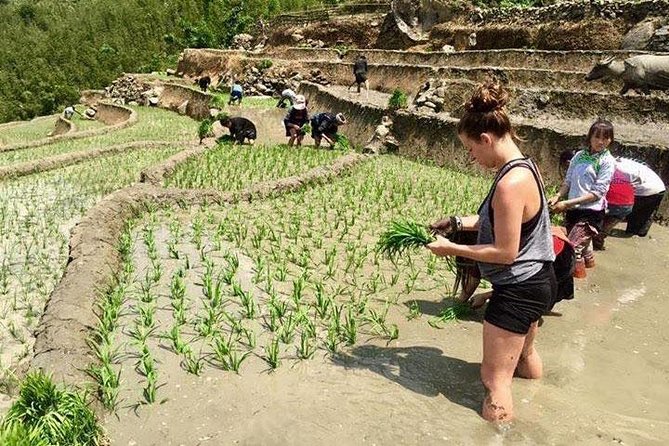
That extra time matters. A short walk can show you a rice terrace, but two nights give you a better sense of how the household works. You can watch breakfast being prepared, see how the hosts begin the day, and join in practical tasks such as planting rice or potatoes, depending on the season and the work available.
You should not expect a staged cultural show. The experience is built around ordinary activities, simple homes, shared food, and long walks between villages. That can feel much more personal than a standard sightseeing route, but it also means you need patience and a willingness to accept rural conditions.
The group can include up to 15 people. That is still small enough for a local guide to speak with you directly, though it is not a private tour. The exact number in your group may affect how quiet or social the homestay experience feels.
More Sapa treks and homestays:
- Sapa 2 Days 1 Night From Hanoi – Overnight in Ta Van Village
★ 5.0 · 2,669 reviews - Hanoi – Sapa 2 Days 1 Night Overnight At Homestay
★ 5.0 · 899 reviews - From Hanoi: 2-Day Sapa Trekking Trip with Homestay & Meals
★ 4.8 · 704 reviews
From Hanoi at 6:30 a.m. to Sapa
Your day begins early. The stated meeting time is 6:30 a.m., and the bus transfer from Hanoi to Sapa is included. The information gives two nearby meeting details: 204 Tran Quang Khai Street as the pickup point and 166 Tran Khanh Du, Ly Thai To, Hoan Kiem, as the listed start and end point.
Because those details do not match exactly, confirm the final pickup address before departure. Staff identify the group by name and guide you to the sleeper bus. Air conditioning and a blanket are included, which helps on the long ride.
The return journey also uses a sleeper bus. You leave Sapa at about 3:30 p.m. on Day 3 and are expected back in Hanoi Old Quarter around 9:30 p.m. This is efficient for a short trip, but it does make the experience feel full. You spend much of Day 1 and part of Day 3 in transit, so the main village time is concentrated in the middle.
The bus is a practical value at this price. Arranging separate transport to Sapa could add cost and planning, while this package handles the route for you. The downside is that sleeper-bus comfort varies from person to person, and you should not plan an important late-night appointment in Hanoi after the scheduled return.
Day 1: Walking from Sapa town to Ta Van

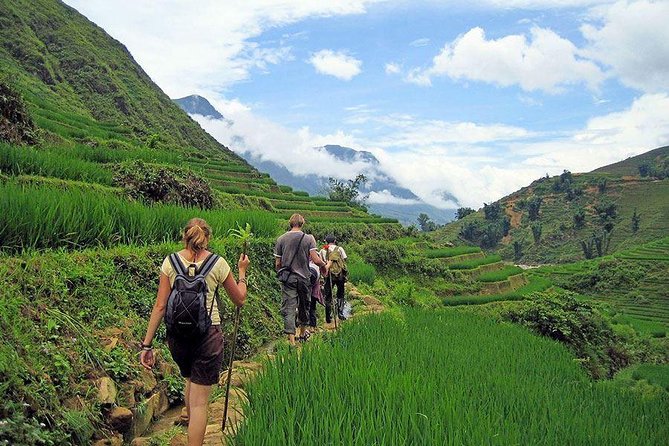
The bus reaches Sapa around midday. A local guide meets you at the bus stop, then the active part of the trip begins. The first route covers about 12 kilometers through terrace fields to the homestay.
This is the day to pay attention to your footwear. The route passes through villages and agricultural areas, and the ground can be uneven or slippery. The supplied guidance calls the walking difficult, with weather affecting the challenge. Good grip matters more here than stylish shoes.
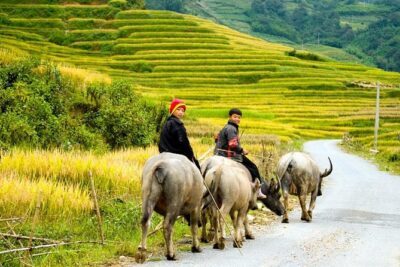
The reward is a gradual move away from Sapa town. Instead of seeing rural life through a vehicle window, you walk through the fields and arrive at Ta Van with a clearer sense of the distance between town and village. You also have time for photographs along the route, with photo stops included as part of the experience.
Once you reach Ta Van, you settle into the local home for two nights. The accommodation is basic but described as warm and familiar. You should think of it as a genuine household stay, not a guesthouse with hotel-style facilities.
Meals are included, and the first day includes lunch and dinner. Food is local Vietnamese cooking shared with the household. The trip also gives you the chance to cook with your hosts, so the meal becomes part of the cultural experience rather than just a service provided at the table.
Ta Van Village and the value of two nights
Ta Van is the heart of the trip. You walk through village areas, see simple houses, and have time to observe how local families live. The goal is not to rush from one attraction to another. It is to notice the everyday details, such as the work done around the home, the preparation of food, and the role of the fields in village life.
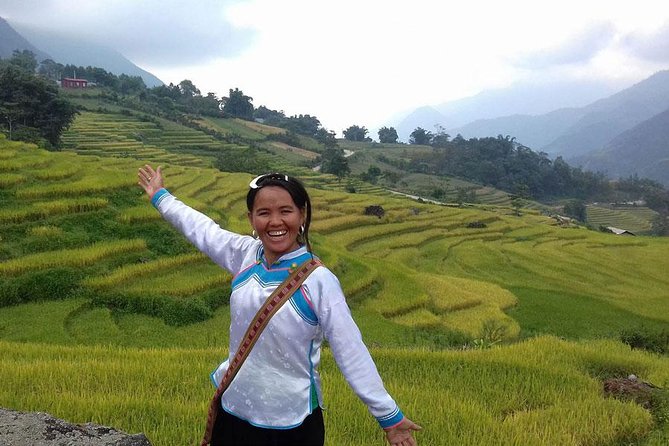
Mama Zuzu receives especially strong praise in the supplied material. She speaks English well and can explain rice farming and the place itself. Her family hosts the overnight stay, and the shared time around meals is a major part of what makes this trip personal.
Mama Letti is also singled out for her kindness. The names matter because a homestay depends heavily on the people who welcome you. You are not simply booking a bed in Ta Van. You are relying on the host family to help you understand the setting and feel comfortable in a very simple home.
The two-night stay is a smart choice. One night can feel like a quick visit, especially after the long bus ride and first-day trek. Two nights allow you to wake up in the village, return from a full walking day, and take part in the household routine before leaving.
Still, simple means simple. The accommodation is not presented as luxurious, and the operator is direct about the local nature of the stay. If you need private hotel facilities, a soft landing after every walk, or a carefully controlled environment, this may not be the right match.
More 3-day tours in Hanoi:
- Amanda Cruise – Ha Long, Lan Ha Bay – All Inclusive 2D1N & 3D2N
★ 5.0 · 4,358 reviews - Halong Bay – Le Journey Cruises – All Inclusive 2D1N and 3D2N
★ 5.0 · 2,500 reviews - Hanoi: 3-Day Ninh Binh, Ha Long, & Lan Ha Bay 5-Star Cruise
★ 4.8 · 1,401 reviews - Mon Chéri Cruises 5 star: Amazing 3 days exploring Halong & Cat Ba island
★ 5.0 · 1,280 reviews
Day 2: Fields, food, and a longer village walk
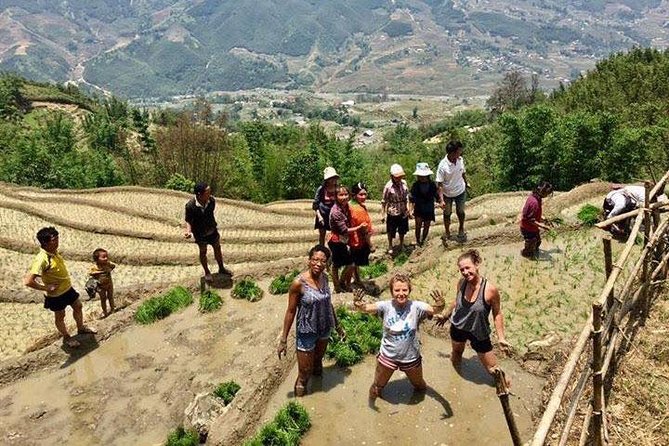
After breakfast, your guide takes you toward another village farther from the homestay. The day centers on seeing local ethnic communities at work in their fields. Depending on what is being grown and what work is taking place, you may learn about planting rice, potatoes, or other crops.
This is the most useful day for anyone interested in rural work. You are not only looking at terraces from a viewpoint. You are given a chance to understand how food is planted and how the fields shape the rhythm of local life.
The route is another long walking day, and the difficulty can change with the weather. Rain can make paths harder, so tell the operator in advance if strenuous walking is a concern. An alternative may be possible, as long as the local team knows before the trip begins.
Lunch and dinner are included, along with breakfast. That makes the $98 cost look strong, particularly because the price also covers the bus, two nights of accommodation, guiding, entrance fees, and the cooking activity. You will still pay for personal expenses, drinks or meals not specifically included, tips, and anything outside the Old Quarter pickup area.
Food is part of the connection here. Eating together gives you a natural chance to ask about the area and compare daily routines. You should expect local dishes, not a menu designed around international hotel tastes. If you have dietary needs, the supplied details do not promise special arrangements, so ask before booking.
Day 3: A village morning and the ride back

You can wake early on the final morning to see how the host family starts the day. Breakfast preparation is part of the experience, and you can join the household before the last activity.
The morning offers options. You may trek toward a farther village and continue through bamboo forest and rural scenery, or choose another available route based on the local conditions and your energy. The exact choice is less important than using the final hours well. After two nights, you have a chance to see the setting in a quieter way before returning to Sapa.
You have breakfast and lunch included on this day. At around 3:30 p.m., you board the sleeper bus for Hanoi. The trip ends in the Old Quarter at about 9:30 p.m.
That return timing is worth considering. You get three days away from Hanoi without needing a separate hotel in Sapa, but the journey home takes much of the evening. I would book this when the next morning in Hanoi is free, rather than before an early flight or a demanding appointment.
What the $98 price really includes
At $98 per person, this is a strong package for someone who wants transport and logistics handled. The price includes:
- Sleeper bus transport from Hanoi to Sapa and back
- Air conditioning and a blanket on the bus
- Two nights in a local home
- Two breakfasts, three lunches, and two dinners
- Local English-speaking guiding
- Village trekking and entrance fees
- Cooking with the host
- Time working or learning in the fields
- Photo stops and rural village activities
The value is not just in the number of meals. You avoid arranging a separate Sapa transfer, finding a homestay, hiring a village guide, and planning daily routes. That makes the trip useful for a first visit or for anyone with limited time.
Some expenses remain outside the price. Personal spending, tips, unlisted meals and drinks, travel insurance, and a Vietnam visa are not included. Pickup and drop-off outside Hanoi Old Quarter are also excluded, so you need to reach the stated meeting area yourself if you are staying elsewhere.
The trip is generally booked about 17 days ahead, which suggests you should not leave it until the last minute if your Hanoi dates are fixed. Confirmation is provided at booking.
Who should book this experience?
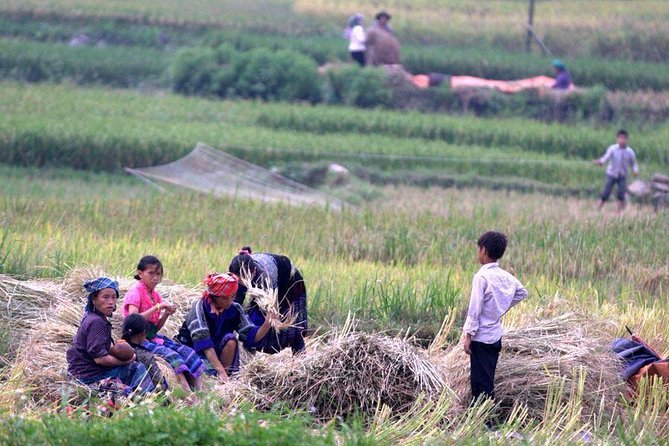
I would choose this trip if you want active rural travel, shared meals, and genuine contact with a host family. It suits people who would rather walk through working villages than spend three days moving between viewpoints by vehicle.
It also fits visitors who value convenience. The bus, guide, meals, accommodation, and entrance fees are bundled together, so you can focus on the village experience instead of arranging each part yourself.
You should think carefully if you have physical difficulties. The operator does not recommend the trip for people over 60, and it is not recommended for anyone with mobility concerns. The 12-kilometer first-day trek and additional walking on Day 2 are central parts of the experience, not optional extras.
This is also not the best pick if your idea of a holiday requires polished accommodation. The local home is simple, and the trip asks you to adapt to the household and the countryside. That is exactly what makes it appealing, but it will not suit every comfort level.
Service animals are allowed, and the tour is near public transportation. Still, the walking demands and rural setting should guide your decision more than those conveniences.
Small practical details that matter
Wear shoes with a firm grip and bring clothing suitable for changing weather. The supplied information does not give a detailed packing list, but the long walks, terrace fields, village paths, and bamboo-forest option make practical clothing more useful than city outfits.
Buy travel insurance before going. It is not included in the price, and the experience involves long-distance transport and demanding outdoor activity.
The cancellation terms are fairly flexible if your plans change early. You can receive a full refund when you cancel at least 24 hours before the start time. Cancellations or changes made within 24 hours are not accepted for a refund.
The tour is operated by Vietnam Real Tour. The local English-speaking guide in Sapa also acts as your local host, so the quality of your experience depends heavily on the guide and host family assigned to your group. Mama Zuzu is specifically associated with a strong English-speaking and cultural explanation role, while Mama Letti is also noted for her kindness.
Should you book the Sapa local-home experience?
Book it if you want two useful things from Sapa: time in the countryside and a real household stay. The included bus, meals, guiding, and accommodation make $98 good value, while the two nights in Ta Van give the trip more substance than a quick village visit.
Skip it if you want easy walking, hotel comfort, or a flexible schedule. This is a full, active three days with a long first trek, another demanding walking day, simple lodging, and a late return to Hanoi.
For the right person, the best part is not a single viewpoint. It is the combination of walking through terrace fields, eating with the host family, learning how local crops are planted, and waking up to the household routine. Pack light, prepare for mud and effort, confirm the pickup address, and let the village pace set the trip.
FAQ
How long is the Sapa experience?
The experience lasts three days. It includes travel from Hanoi to Sapa, two nights in a local home, village trekking, and the return bus to Hanoi.
Where does the tour start and end?
The listed start and end area is 166 Tran Khanh Du, Ly Thai To, Hoan Kiem, Hanoi. The pickup instructions also mention 204 Tran Quang Khai Street, so confirm the exact meeting point before departure.
What time does the tour start?
The stated start time is 6:30 a.m.
How do I travel from Hanoi to Sapa?
Return transportation is provided by sleeper bus. Air conditioning and a blanket are included.
Where do I stay in Sapa?
You stay for two nights in a local people’s house in Ta Van Village.
Are meals included?
Yes. The package includes two breakfasts, three lunches, and two dinners with local food. Meals and beverages not specifically listed are not included.
How much walking is involved?
The first day includes about 12 kilometers of trekking through terrace fields. Day 2 includes additional trekking to another village, and Day 3 offers a shorter trekking option.
Is the tour suitable for people with physical difficulties?
No. The experience is not recommended for people with physical difficulties, and it is also not recommended for travelers over 60. The operator describes the trekking as potentially difficult.
How many people can join the group?
The maximum group size is 15 people.
Can I cancel for a full refund?
Yes, if you cancel at least 24 hours before the experience starts. Cancellations or changes made less than 24 hours before the start time are not refunded or accepted.
Just added to the Hanoi list
- (TOP) Private car: Hanoi/Noi Bai Airport (HAN) from/to Ninh Binh★ 3.5 · 16 reviews
- Thang Long Water Puppet Theater★ 4.5 · 45 reviews
- Private car transfer from Hanoi Airport to Hotels★ 4.5 · 5 reviews
- Private Tour Ninh Binh 1 Day★ 5.0 · 5 reviews
- Private Hanoi Old Quarter Food Tour with 8+ Authentic Tastings★ 5.0 · 11 reviews
- Private Transfer Service from Hanoi to Ha Long Bay★ 5.0 · 3 reviews
- Private Transfer Between Hanoi City and Noi Bai Airport (HAN)★ 5.0 · 3 reviews
- Ba Be National Park With Boat Trip, Kayaking, Swimming, Trekking And Cycling★ 5.0 · 10 reviews
Sapa Tours from Hanoi, compared.
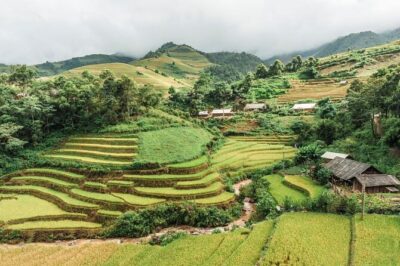
Sapa 2 Days 1 Night From Hanoi – Overnight in Ta Van Village
Read our review →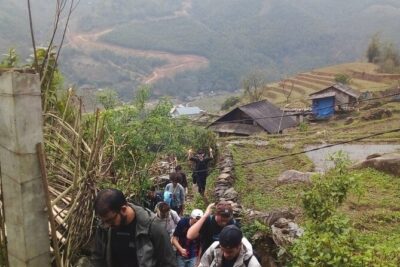
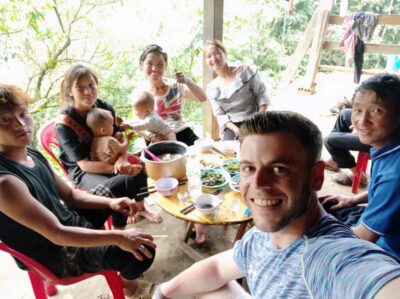
Sapa 3 Days 2 Nights Trekking Tour (1 Night In Ta Van Village, 1 Night In Hotel)
Read our review →
3-Day Trekking Adventure of Sapa from Hanoi – Stay Ta Van Village
Read our review →
2-Day Sa Pa Ethnic Homestay Tour & Trek with Limousine Bus
Read our review →
Sapa 2 Days 1 Night From Hanoi – Overnight in Hotel
Read our review →
Sapa 3 Day 2 Night Trekking With Hotel & Homestay
Read our review →Browse the lists this tour appears in