
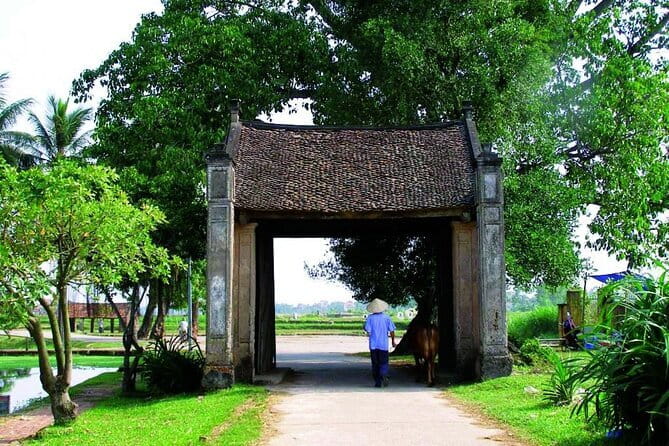
Reviewed · HIKING & TREKKING
3 Day 2 Night Trek
Sapa’s best moments often come after the road ends. This three-day trek leads you through rice terraces, bamboo forest, and quiet mountain villages, with nights spent in Dzay and Tay homes rather than a standard hotel. I like that Giang and her local guiding team can shape the route to your pace, and that the trek supports H’mong guides and local families directly.
I also like the human side of the trip. You eat with local families, may help with farming or cooking, and have time for rice wine, conversation, and a sunset over the valley. The main drawback is the walking: day one covers about 12 kilometers, and the trails can be demanding enough that you should have moderate physical fitness.
Key points to know before booking
- Three days on foot: The route covers Lao Chai, Ta Van, Giang Ta Chai, Su Pan, Ban Ho, and Nam Toong.
- Two homestay nights: You stay with Dzay people in Ta Van and Tay people in Ban Ho, with local meals included.
- Private experience: Only your group takes part, with one or more English-speaking local guides.
- A quieter Sapa route: The trek aims for village paths and valley scenery away from the busiest tourist tracks.
- Strong local connection: Giang and her family can help with practical Sapa details, including transport and luggage storage.
- Good value at $180: The price covers three lunches, two breakfasts, two dinners, guiding, and two nights of local lodging.
Why this Sapa trek feels different
Many Sapa outings give you a quick view of rice terraces and a village, then return you to town before dinner. This trip gives you time. You walk from one community to the next, sleep in local homes, and see how the valley changes from one ethnic group to another.
The route passes through villages associated with H’mong, Dzay, Tay, and Red Dzao people. You are not simply looking at traditional clothing for a photo stop. The plan gives you chances to meet families, share meals, and learn about daily life in the mountains.
That local connection depends greatly on the guide. Giang is named as one of the key guides, and she also helps with practical arrangements around Sapa. Her help with a taxi from the bus office and luggage storage can matter if you arrive from Hanoi and are still sorting out the basics.
The tour is private, so you do not have to fit into a large group’s pace. That can make a real difference on a long walking day. You can discuss route timing and walking speed with your guide, though the stated distances and mountain terrain still require effort.
More hiking tours in Hanoi:
- Halong Bay Full Day with Kayaking, Hiking viewpoint, Cave – Deluxe To Luxury
★ 5.0 · 884 reviews - From Hanoi: 2-Day Sapa Trekking Trip with Homestay & Meals
★ 4.8 · 704 reviews - Sapa 3 Days 2 Nights Trekking Tour (1 Night In Ta Van Village, 1 Night In Hotel)
★ 5.0 · 699 reviews
Day one: Y Linh Ho, Lao Chai, and Ta Van
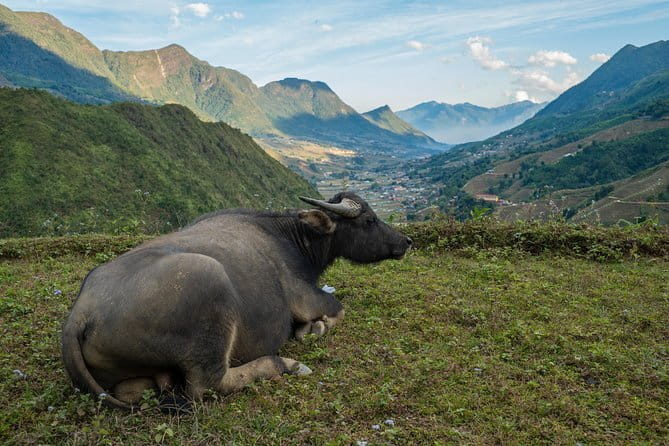
You meet at 9:00 am at 690 Duong Dien Bien Phu in Sapa. The first day introduces the cultural range of the area, with traditional clothing and village life connected to H’mong, Dzao, Tay, Zay, and Xa Pho communities.
The walking begins around Y Linh Ho. From there, the route follows rice terraces and the Muong Hoa Stream toward Lao Chai, a Black H’mong village. The Hoang Lien Son Mountain scenery is the main visual reward here, with layered fields and steep valley views.
The walk is listed at about 12 kilometers and takes roughly three and a half hours. That timing gives you a useful sense of the day, but do not treat it like a flat three-hour stroll. You are moving through mountain terrain, and the route includes terraces and village paths rather than paved sidewalks.
Lunch may be at a restaurant or with a local family. That flexibility is useful because the best setting can depend on the day’s route and local arrangements. If you prefer direct contact with village life, a family meal offers more than a simple restaurant stop. If you need a quieter break, the restaurant option may suit you better.
You reach Ta Van in the late afternoon. Dzay people live here, and your overnight stay gives you time to meet the family, watch the sunset, and slow down after the day’s walk.
The lodging can be a homestay with Wi-Fi and hot showers, or a more basic local house with a family. The exact style matters. A homestay may feel easier if you want familiar comforts, while an authentic local house offers a closer look at ordinary mountain life. You should be ready for a simple setting either way.
Dinner is either with the family or arranged so you can eat privately. Afterward, the plan is simple: conversation, local food, perhaps rice wine, and rest. This is the part of the trip that benefits from having no tight evening schedule.
Day two: bamboo forest, Giang Ta Chai, and Ban Ho
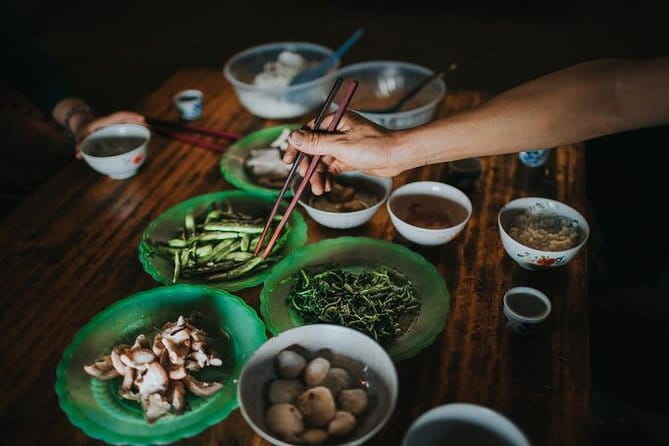
The second morning starts with breakfast prepared by your host family. You then leave Ta Van and continue through rice fields toward a bamboo forest.
The route pauses for a broad view of Ta Van and Giang Ta Chai village, home of Red Dzao people. The change in scenery is part of the appeal. One moment you are crossing open terraces, and the next you are walking among bamboo with the valley opening below.
You continue toward Su Pan, where lunch is served at the home of a H’mong or Dzao family. This is another chance to connect food with place. Rather than treating lunch as a fuel stop, you get a look at how meals fit into family life in the valley.
After lunch, the route returns to rice terraces and follows the valley toward Ban Ho. This section is described as peaceful and less likely to have many other tourists. That matters if you want quiet views and time to walk without a constant stream of people around you.
Ban Ho is associated with Tay people, and you stay with a Tay family for the second night. You may take part in farming or help cook local food. The plan leaves room for you to choose how much activity you want after a full day outside.
That flexibility is one of the trip’s strengths. Some people want to keep moving and learn by doing. Others want to sit down, watch the evening settle over the village, and enjoy dinner without another scheduled stop. You can do either.
Day three: sunrise in Ban Ho and Nam Toong
The final morning begins with sunrise and breakfast prepared by your host family. Starting the day this way gives Ban Ho a quieter feel than a quick daytime visit.
You then trek through Nam Toong, a village connected with Tay and Red Dzao people. The route includes time to meet local people and learn about their way of life before lunch at a restaurant or local house.
After lunch, you return to Sapa. The final day is shorter in description than the first two, but you should still plan for more walking and mountain paths. The activity ends back at the original meeting point.
This final return makes the trip practical if you need to continue from Sapa afterward. Still, you should avoid booking a tight onward connection without confirming the actual return timing with the operator.
More 3-day tours in Hanoi:
- Amanda Cruise – Ha Long, Lan Ha Bay – All Inclusive 2D1N & 3D2N
★ 5.0 · 4,358 reviews - Halong Bay – Le Journey Cruises – All Inclusive 2D1N and 3D2N
★ 5.0 · 2,500 reviews - Hanoi: 3-Day Ninh Binh, Ha Long, & Lan Ha Bay 5-Star Cruise
★ 4.8 · 1,401 reviews - Mon Chéri Cruises 5 star: Amazing 3 days exploring Halong & Cat Ba island
★ 5.0 · 1,280 reviews
What the homestays are really like

The homestay nights are central to the experience, not just a place to sleep. You stay first with Dzay people in Ta Van, then with Tay people in Ban Ho. These two nights give the route a human rhythm that a hotel in Sapa cannot provide.
The accommodation can include Wi-Fi and hot showers, but the description also allows for an authentic local house. Do not assume both nights will offer hotel-style privacy or facilities. Ask about the exact arrangement if hot water, room style, or internet access is important to you.
You may eat dinner with the family, drink rice wine, and talk around an open fire. You may also have the option to eat quietly. That balance is welcome, since a long day of walking can leave you eager for either conversation or an early night.
The local meals are part of the value. Breakfast twice, lunch three times, and dinner twice are included. You will still want to clarify any personal food needs before setting out, since the supplied details do not specify special-diet arrangements.
Guides, private groups, and local support

The tour uses one or more English-speaking local guides familiar with Sapa, the villages, ethnic communities, and regional culture. Giang is specifically associated with the experience, and her niece Zo and Ma have also guided parts of the trek.
That family connection can make the trip feel personal. Giang has also helped with practical needs beyond the walking route, including advice on getting from Hanoi to Sapa, a taxi pickup from the bus office, and luggage storage. Those small details can save time and stress at the start of a mountain trip.
Because this is a private activity, only your group participates. You can ask for a pace and route that suit your group, within the fixed three-day plan. The description says guides can adjust routes and timing to your requirements, which is especially helpful when one person in the group walks more slowly.
The experience is not designed as a polished stage show. Its appeal comes from local families, working villages, and a direct connection between your booking and community income. The region is described as having about 70 percent of its population below the poverty line, so choosing local guides and homestays can have real economic value.
Is $180 a fair price?
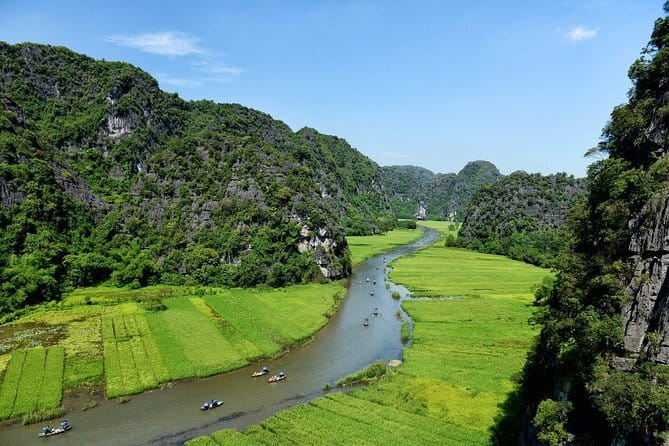
At $180 per person, this is not the cheapest way to see Sapa. It is also not simply a three-day walk. The price includes guiding, two homestay nights, two breakfasts, three lunches, and two dinners.
You are paying for time and coordination. The operator links several villages, arranges local lodging and meals, provides an English-speaking guide, and returns you to Sapa after three days. Private participation also gives you more control than a large shared group.
The value is strongest if you want local contact and overnight village stays. If you only want a short rice terrace walk and a comfortable hotel each night, this trip may offer more walking and cultural contact than you need.
You should also budget for travel to and from Sapa unless that has been arranged separately. Pickup is offered, but the meeting point and end point are in Sapa, and the supplied details do not state that Hanoi transport is included.
Fitness, weather, and practical planning
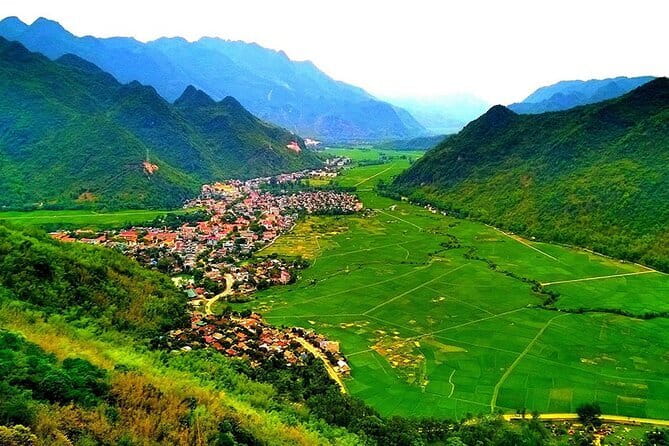
You should be comfortable walking for several hours over uneven mountain paths. The first day covers about 12 kilometers, and the next two days continue through terraces, bamboo forest, and valleys. Good walking shoes are a sensible choice, though the supplied details do not prescribe particular gear.
Weather matters. The activity requires good weather and may be moved or refunded if poor conditions make it unsafe or unsuitable. Sapa’s mountain weather can also affect how the views look and how comfortable the paths feel, so pack for changeable conditions.
Bring only what you need for two nights on the trail. The luggage storage help associated with Giang may be useful if you are arriving with a larger bag, but confirm the arrangement before you depend on it.
The tour is suitable for service animals and is near public transportation. You should consult your medical practitioner before booking if you have a medical condition, and comprehensive travel insurance is not included, so arrange it yourself.
Cancellation is free up to 24 hours before the 9:00 am start time. Changes or cancellations inside that window are not accepted for a refund, except when poor weather causes the operator to cancel.
Who should book this trek?
I would choose this trip if you want Sapa beyond the main town, enjoy walking, and are comfortable with simple lodging. It suits couples, families with active older children, and small private groups who want a guide focused on their needs.
It is especially good for people who value local meals and conversation more than polished accommodation. You will have time to see how Dzay, Tay, H’mong, and Red Dzao communities differ, while still enjoying the major rice terrace views that bring people to Sapa.
I would think twice if you dislike uneven paths, need guaranteed hotel facilities, or want a tightly timed sightseeing schedule. The route is active, the homestays can vary, and weather may change the plan.
Should you book the three-day Sapa trek?
Book it if you want a real village-to-village walk rather than a quick photo outing. Giang’s personal help, the private format, two family homestays, and the chance to share meals make the $180 price reasonable for the right kind of visitor.
Before paying, confirm the exact homestay setup, expected walking conditions, meal arrangements, and how luggage storage or pickup will work. If you are ready for three days of mountain walking and basic local living, this is a strong way to see Sapa at a slower, more personal pace.
FAQ
Where does the trek start and finish?
The trek starts at 690 Duong Dien Phu in Sapa at 9:00 am and ends back at the same meeting point.
How long is the trek?
The activity lasts about three days and two nights. Day one covers approximately 12 kilometers and takes about three and a half hours of trekking.
Where do you sleep?
You spend one night in a Dzay homestay or local house in Ta Van and one night with a Tay family in Ban Ho. Wi-Fi and hot showers may be available at the homestay, while the local house option is more basic.
What meals are included?
The price includes two breakfasts, three lunches, and two dinners. Meals may be served at restaurants or in local homes, depending on the day and route.
Is this a private tour?
Yes. Only your group participates, and you are accompanied by one or more English-speaking local guides.
Can you cancel for a full refund?
You can cancel at least 24 hours before the experience start time for a full refund. If poor weather causes the activity to be canceled, you will be offered another date or a full refund.
Just added to the Hanoi list
- (TOP) Private car: Hanoi/Noi Bai Airport (HAN) from/to Ninh Binh★ 3.5 · 16 reviews
- Thang Long Water Puppet Theater★ 4.5 · 45 reviews
- Private car transfer from Hanoi Airport to Hotels★ 4.5 · 5 reviews
- Private Tour Ninh Binh 1 Day★ 5.0 · 5 reviews
- Private Hanoi Old Quarter Food Tour with 8+ Authentic Tastings★ 5.0 · 11 reviews
- Private Transfer Service from Hanoi to Ha Long Bay★ 5.0 · 3 reviews
- Private Transfer Between Hanoi City and Noi Bai Airport (HAN)★ 5.0 · 3 reviews
- Private Hanoi Food Walking Tour of the French Quarter★ 5.0 · 38 reviews
Hiking & Trekking, compared.
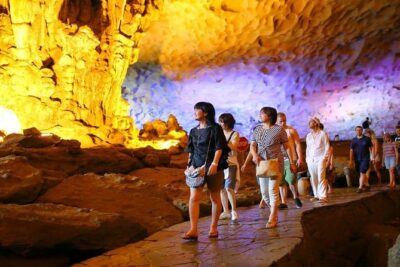
Halong Bay Full Day with Kayaking, Hiking viewpoint, Cave – Deluxe To Luxury
Read our review →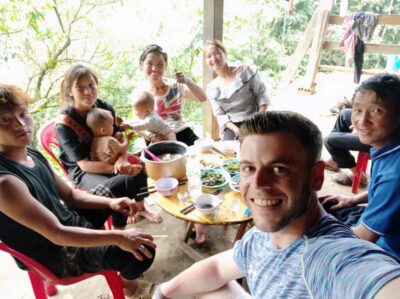
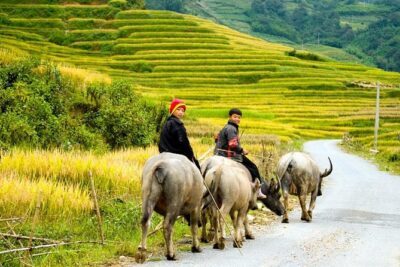
Sapa 3 Days 2 Nights Trekking Tour (1 Night In Ta Van Village, 1 Night In Hotel)
Read our review →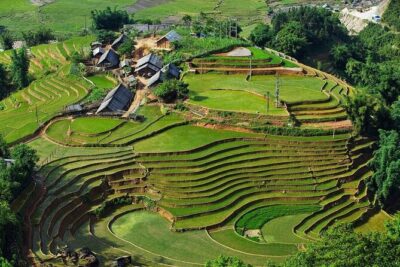
3-Day Trekking Adventure of Sapa from Hanoi – Stay Ta Van Village
Read our review →
3D and 2N Lan Ha Bay Cat Ba Island Kayaking & Trekking with Vega
Read our review →
2-Day Sa Pa Ethnic Homestay Tour & Trek with Limousine Bus
Read our review →
Sapa 3 Day 2 Night Trekking With Hotel & Homestay
Read our review →
Browse the lists this tour appears in