
Reviewed · HANOI
Hanoi: Taste Fresh Lotus Tea Ceremony & Untold Stories
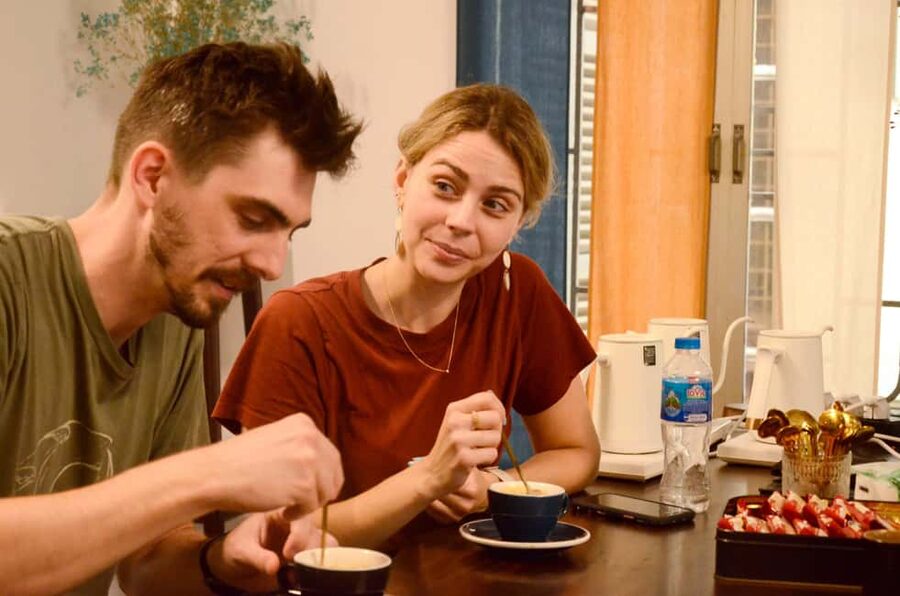
Fresh lotus tea is not a quick cup of flavored water. At this Hanoi ceremony, you learn why West Lake lotus tea is prized, how fresh stamens scent the leaves over several days, and why the process still demands patience. The setting is a peaceful heritage villa, far better suited to slow conversation than a crowded café.
I like the hands-on brewing lesson, since water temperature, steeping time, and tea-to-water ratios can change the cup. I also like the pairing with Vietnamese floating cakes, which gives the tea a local food partner rather than treating the tasting as a stand-alone ritual.
The main consideration is the pace. This is a quiet, focused experience lasting 150 minutes, not a fast sightseeing stop. If you want constant activity or a broad city tour, the ceremony may feel too gentle.
Key points to know before booking
- Fresh lotus stamens: Smell the flower parts used in traditional West Lake lotus tea and learn to spot artificial flavoring.
- A preserved villa: The calm setting adds a sense of place and gives the ceremony room to unfold.
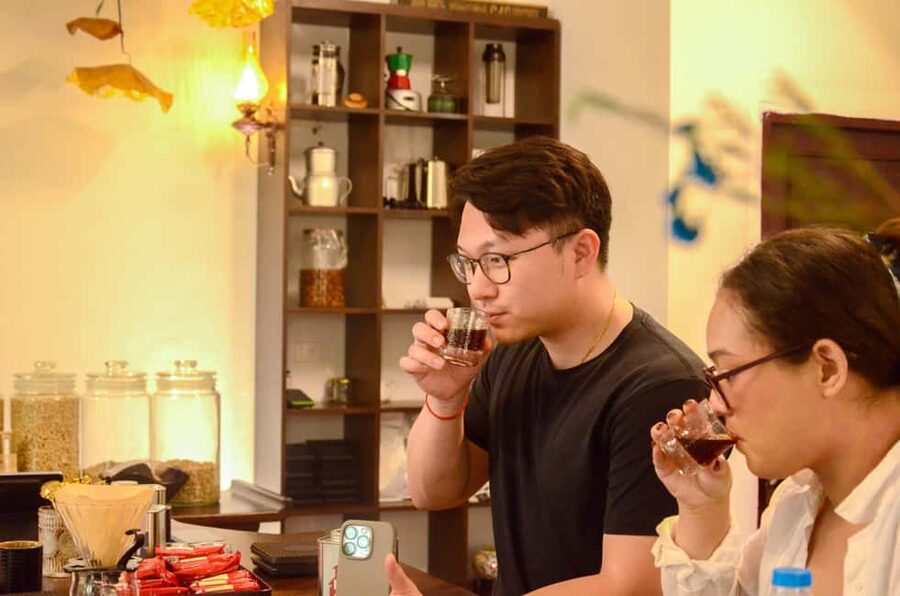
- Practical tea skills: Learn brewing ratios, water temperature, steeping time, and how to read aroma and aftertaste.
- Vietnamese sweets: Try lotus tea with traditional floating cakes, then compare it with another scented tea.
- Cultural purpose: Part of the experience supports education for coffee farmers’ children in Da Lat.
- Useful take-home items: You receive a recipe book, class photos by Google link, and a professional certificate if requested.
A lotus ceremony in a quiet Hanoi villa
This experience begins with a small change of gear. You are asked to slow your breathing and pay attention to the tea, the scent, and the act of preparing it. That opening may sound simple, but it sets the right tone. You are not rushing through a tasting flight or ticking off another attraction. You are learning how Vietnamese tea culture values care and time.
The ceremony takes place in a preserved villa described as a peaceful piece of Hanoi heritage. The villa matters because tea feels different in a setting with history around it. Instead of sitting in a modern tasting room, you have a place that connects the drink with older domestic and cultural traditions.
The experience is offered in English or Vietnamese. Hosts named in participant feedback include Piey, Maxie, and Sue, although the specific guide for your session can vary. The tone appears friendly and welcoming, with an emphasis on explanation rather than formal performance.
Other ways to fill a day around Hanoi:
- Hanoi Jeep Tour: Food, Culture and Fun by Vietnam Army Jeep
★ 5.0 · 15,222 reviews - Full-Day Ninh Binh Highlights Tour from Hanoi
★ 5.0 · 7,761 reviews - Hanoi: Ha Long Bay Day Cruise – Swimming, Meal, Kayaking
★ 4.7 · 7,415 reviews
Why West Lake lotus tea takes so much patience
Your host introduces West Lake lotus tea as the king of Vietnamese teas. The title is not just a marketing line. The tea is valued for its fragrance, its labor-intensive preparation, and its connection with Hanoi.
The important point is that traditional lotus tea is scented with real lotus material, rather than simply mixed with a strong artificial flavor. You get to smell fresh lotus stamens and learn how they contribute to the finished tea. This sensory step is useful because it gives you a reference point. Afterward, you can better understand the difference between a layered floral aroma and a one-note perfume-like scent.
The scenting process takes several days and has remained unchanged for generations. The supplied details do not give a precise number of scenting rounds, so you should not expect a technical production schedule. What you will get is a clear explanation of why the process takes time and why authentic lotus tea costs more than an ordinary flavored blend.
This is one of the strongest parts of the experience for curious food and drink lovers. A cup of tea becomes a lesson in labor. You begin to see that the price of good lotus tea reflects repeated handling, careful scenting, and the use of fresh flowers.
Learning to tell real lotus tea from flavored tea
The session does not stop at showing you a flower. You are guided through the signs of authentic lotus tea and the differences between natural scenting and flavored alternatives.
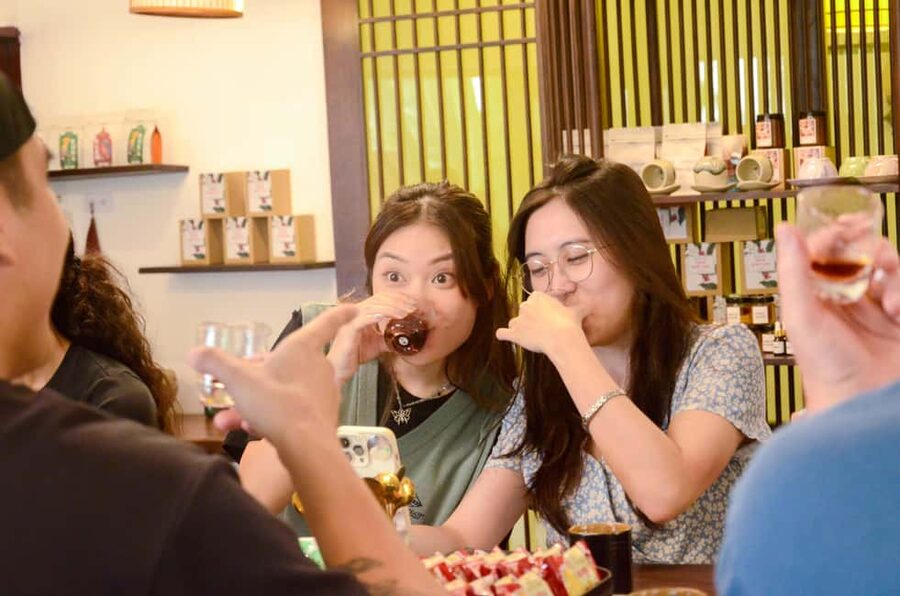
Pay attention to how the aroma changes as you smell and sip. The aim is not to turn you into a professional tea buyer in one afternoon. It is to give you a working vocabulary: floral notes, gentle bitterness, and the long sweet aftertaste that remains after swallowing.
That aftertaste is especially important. A heavily flavored tea can hit your nose at once and disappear just as quickly. Traditional lotus tea is presented as more gradual, with layers that open as you drink slowly. You may find that the first sip seems restrained compared with a perfumed tea. Give it time before deciding.
This is also where the calm format earns its place. You need a few quiet minutes to notice small changes in aroma. In a busy café, conversation and background noise would make that harder.
Brewing the tea instead of only watching
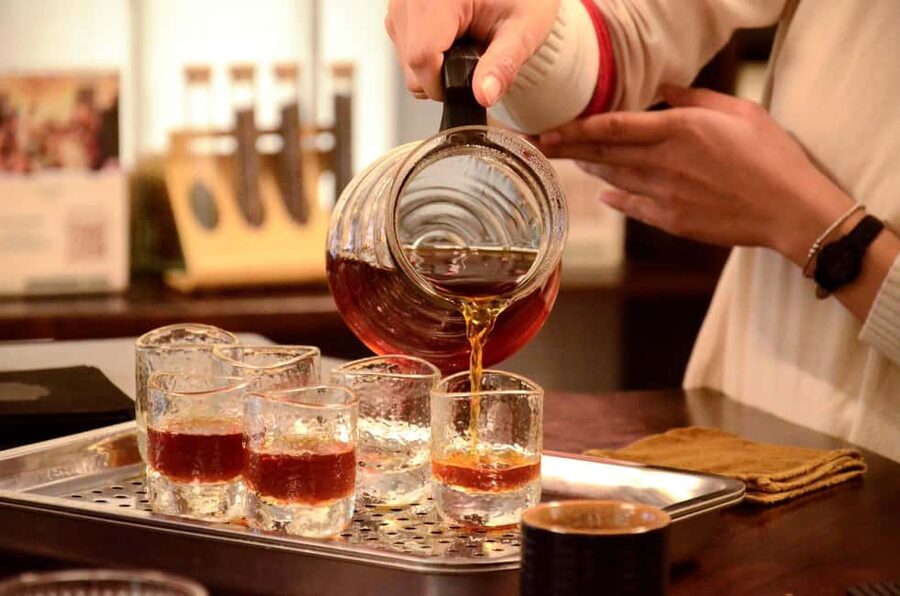
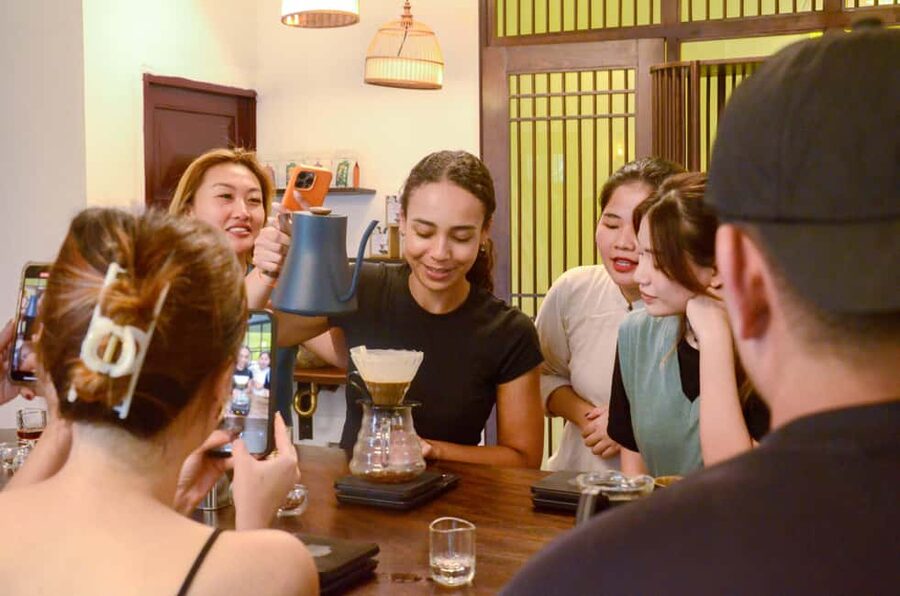
You take part in the brewing, with guidance on three basic controls: water temperature, steeping time, and tea ratio. These are practical skills you can use after returning home.
The experience does not provide exact brewing figures in advance, so the lesson is likely to be taught through demonstration and adjustment rather than a fixed formula alone. The recipe book helps fill that gap. You can refer to the method later instead of relying on memory after a long day in Hanoi.
The hands-on format also makes the lesson more useful for beginners. You do not need a tea background. You can watch how the leaves respond, taste the result, and understand how a small change affects the cup.
I like this part because it treats tea as a craft without making it intimidating. You are not expected to memorize specialist terms or buy expensive equipment. The value is in learning a repeatable method with ordinary attention to water and timing.
Something completely different for the rest of your time in Hanoi:
- Hanoi: Water Puppet Show Tickets
★ 4.6 · 7,029 reviews - Hanoi Motorbike Tour: Food, Culture and Fun by Vintage Motorbike
★ 5.0 · 6,699 reviews - Hanoi: Guided Food Tour with Train Street Visit
★ 4.9 · 6,239 reviews - Hanoi Cooking Class: Culture, Local Market & Meaning CSR Impact
★ 5.0 · 5,147 reviews
Floating cakes bring the ceremony back to food
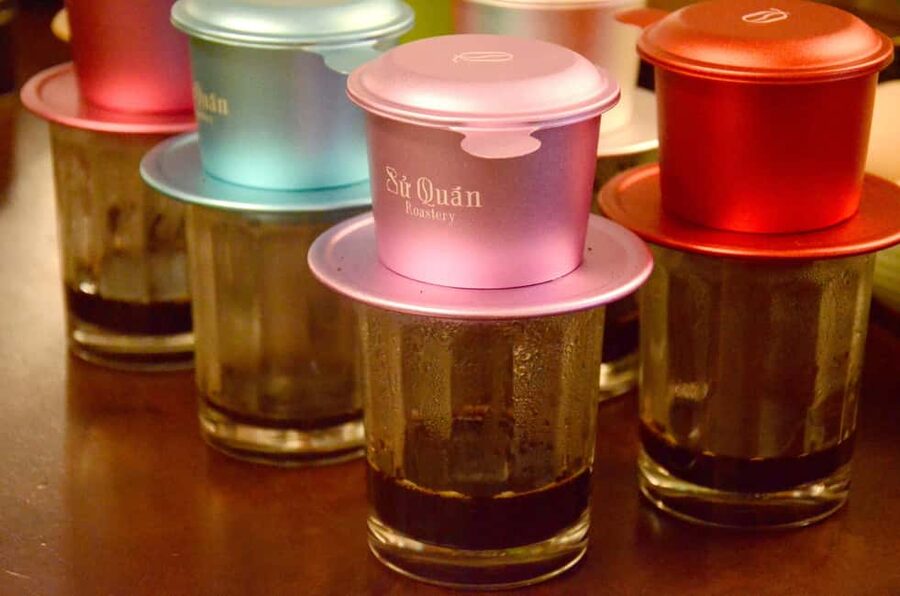
The tea is paired with traditional Vietnamese floating cakes. These sweets give the tasting a fuller local context. You are not just studying a beverage in isolation. You are seeing how tea can sit beside a familiar Vietnamese treat.
Floating cakes are especially fitting for a lotus tea ceremony because the pairing keeps the experience rooted in Vietnamese food culture. The available information does not specify the cakes’ fillings, colors, or exact preparation, so you should treat this as a tasting rather than a cooking class.
The food also helps if you find tea tasting too austere. A sweet bite can soften the tea’s gentle bitterness and make the lingering finish easier to notice. If you are mainly interested in Hanoi cuisine, this pairing adds something that a plain tea flight would miss.
The session finishes with a comparison between lotus tea and another Vietnamese scented tea. This is a smart choice. A comparison gives you a clearer sense of what makes lotus tea different, rather than asking you to judge it without a reference.
The heritage setting changes the pace
The villa is more than a backdrop. It shapes the entire experience. A preserved home or heritage building encourages a slower visit and makes the tea ceremony feel connected to place.
Do not book this expecting a large attraction with many rooms, displays, or formal sightseeing stops. The supplied details describe a peaceful villa, not a museum visit with a long list of exhibits. The reward is atmosphere and concentration.
That quiet quality will suit you if you enjoy cultural activities built around conversation, taste, and observation. It may not suit children or adults who need frequent movement, though the available information does not set an age limit. The 150-minute length is long enough for the lesson to feel substantial, but it also means you should reserve a proper block of your day.
Traffic can affect pickup and drop-off times if transportation is part of your booking arrangement. Build a little flexibility into your plans, especially if you have a train, flight, or timed attraction afterward.
What the $28 price gives you
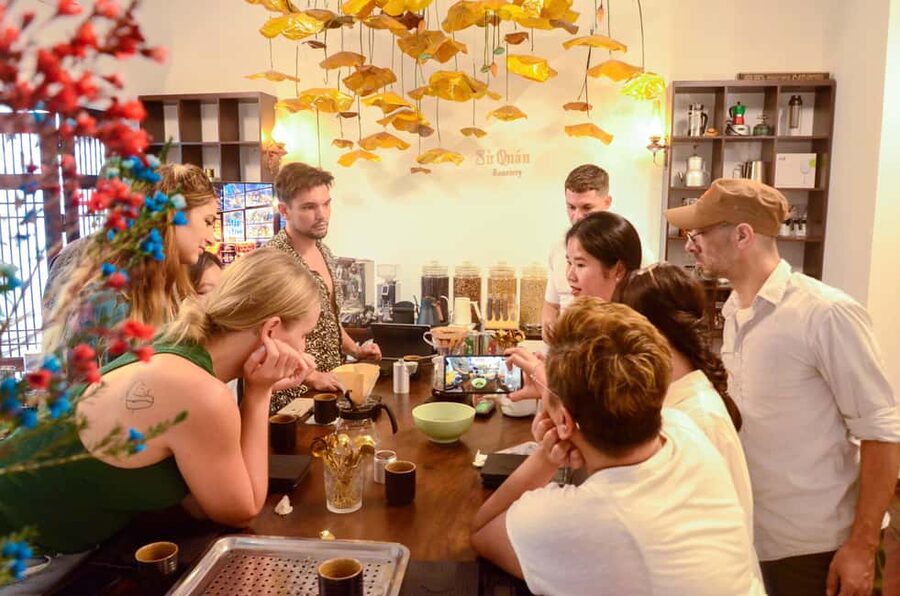
At $28 per person, this is priced above a simple Hanoi tea or coffee stop, but it offers more than a drink. You are paying for a guided cultural lesson, a heritage setting, hands-on preparation, food pairing, a second tea for comparison, and take-home material.
The recipe book adds practical value. It means the experience can continue after Hanoi, provided you can find suitable tea and follow the method. The class photos, sent through a Google link afterward, are a useful record of the visit. A professional certificate is available if requested, though its value depends on why you want one. It may be a nice keepsake, but it should not be the reason you book.
The education contribution is another factor. The experience supports the education of coffee farmers’ children in Da Lat. That purpose may matter to you if you prefer cultural activities with a social benefit, though the supplied information does not specify the exact amount donated or the program structure.
I would call the price fair for someone who wants a focused cultural activity rather than a cheap refreshment. If you only want to taste lotus tea once, you can likely spend less elsewhere. If you want to understand the work and traditions behind it, the added instruction makes the fee easier to justify.
The guides and the human side of the lesson
The people leading the ceremony matter because tea instruction can become stiff if delivered as a lecture. Names connected with the experience include Piey, Maxie, and Sue. Piey was described as welcoming and effective at teaching, while Maxie was praised for making the session both informative and fun. Sue was also singled out warmly.
Those comments point to a relaxed teaching style, but guide assignments can change. You should book for the activity itself, not for a guarantee of one particular host unless the booking system confirms that person.
One useful detail is that an attendee referred to learning about coffee as well as Vietnamese culture. Coffee is not listed as the main focus here, so do not book expecting a full coffee workshop. Still, it suggests that the conversation may touch on wider Vietnamese drink culture, especially given the connection with coffee farmers’ children in Da Lat.
The strongest human quality of the class is its welcome. You are given room to ask questions, taste at your own speed, and connect tea with daily life in Vietnam. That makes the session approachable even if you know little about tea.
Who should book this experience
I would choose this ceremony if you want a quieter Hanoi activity with cultural substance. It fits well into a trip that already includes temples, markets, and street food, since it gives you a different way to understand the city.
It is a good match for:
- Tea drinkers who want to learn how lotus tea is made.
- Food lovers interested in Vietnamese sweets and drink pairings.
- Couples or small groups who enjoy calm, guided activities.
- Visitors who prefer hands-on lessons to passive sightseeing.
- People seeking a meaningful indoor or villa-based activity.
- Anyone who wants recipes and photos to take home.
It is less suitable if your main goal is a fast introduction to Hanoi, a broad city tour, or a highly active outing. The ceremony asks you to sit, listen, smell, taste, and wait. That is the point, but it will not suit every travel style.
The villa is wheelchair accessible, which makes the activity available to a wider range of visitors. The listing does not provide further details about accessible transport or specific facilities, so you may want to confirm those arrangements before booking if you have particular mobility needs.
Booking, timing, and flexibility
The activity lasts 150 minutes, and available starting times depend on the date you select. Reserve enough time around it for traffic, since pickup and drop-off times can shift slightly with road conditions.
You can cancel up to 24 hours in advance for a full refund, and the reserve-now, pay-later option gives you flexibility while your Hanoi schedule is still taking shape. Personal expenses are not included, so plan to pay separately for anything outside the stated ceremony.
The language options are English and Vietnamese. Skip-the-ticket-line access is included, though this is not a major ticketed attraction in the usual sightseeing sense. Its practical benefit is simply a smoother arrival.
Is the Fresh Lotus Tea Ceremony worth it?
Book it if you want to understand why Hanoi lotus tea is special, not just drink a cup. The fresh stamens, multi-day scenting explanation, hands-on brewing, floating cakes, and comparison tea create a well-shaped 150-minute lesson.
The best reason to go is the combination of authentic tea technique and personal cultural context. The main caution is that the reward comes from patience. You need to be happy with a slow afternoon and a focused setting.
At $28, I think it is good value for tea lovers, curious food fans, and anyone looking for a calmer side of Hanoi. I would skip it only if your schedule is tight or you prefer energetic tours with constant movement.
FAQ
How long does the lotus tea experience last?
The experience lasts 150 minutes.
How much does the activity cost?
The price is $28 per person.
What languages are available?
The experience is offered in English and Vietnamese.
What will I learn during the ceremony?
You will learn about West Lake lotus tea, lotus cultivation, scenting and roasting techniques, authentic tea identification, brewing ratios, water temperature, steeping time, aroma, bitterness, and aftertaste.
Is food included?
Traditional Vietnamese floating cakes are paired with the lotus tea during the ceremony.
Do I receive anything to take home?
A recipe book is provided, and class photos are sent afterward through a Google link. A professional certificate is available if requested.
Can I cancel or pay later?
You can cancel up to 24 hours in advance for a full refund. A reserve-now, pay-later option is also available.
Just added to the Hanoi list
- Pu Luong Nature Reserve 3 days★ 5.0 · 6 reviews
- Mai Chau 2 days 1 night Pu Luong Adventure★ 5.0 · 10 reviews
- Private transfers from Hanoi to Ninh Binh or Ninh Binh to Hanoi★ 4.5 · 63 reviews
- Pu Luong 3-Day Adventure: Trekking, Cycling & Local Cooking Class★ 5.0 · 26 reviews
- Private Transfer from Hanoi Airport HAN to Old Quarter★ 5.0 · 16 reviews
- Private transfer between Hanoi and Halong★ 5.0 · 51 reviews
- Private transfer between Hanoi – Ninh Binh one way trip★ 5.0 · 31 reviews
- Private kid-friendly Hanoi food tour with a taste of great dishes★ 5.0 · 18 reviews