
Reviewed · SAPA TOURS FROM HANOI
From Hanoi: 2-Day Sapa Trekking Trip with Homestay & Meals
Sapa’s best moments happen on foot, far beyond the town center. This two-day trip takes you through Lao Chai and Ta Van, past rice terraces, corn and potato fields, villages, and a waterfall, then brings you into a local home for dinner and the night.
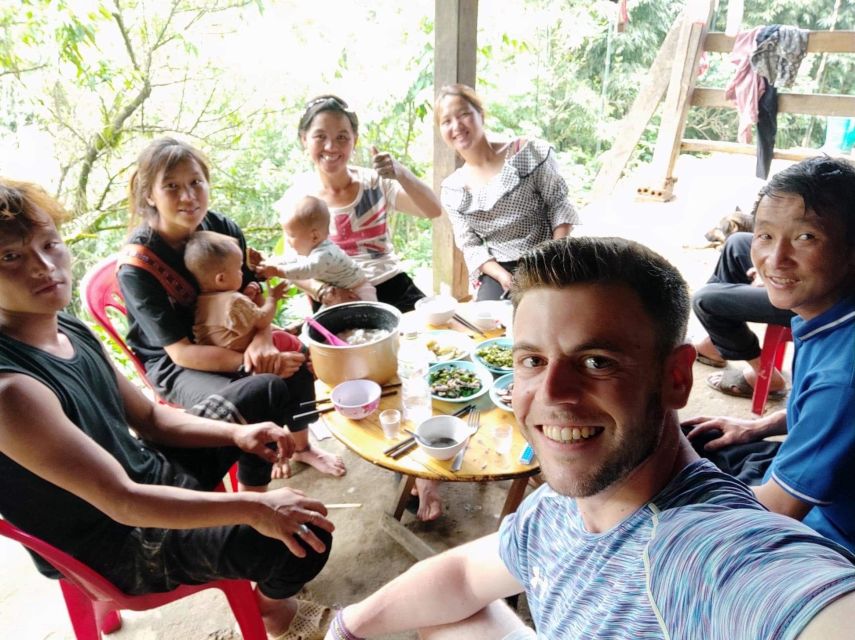
I like the farm-to-table dinner, where you may help gather vegetables and cook with your host. I also like the warm, social homestay atmosphere, often led by hosts such as Mama Zuzu, Mama Leto, or Mama Ling, with plenty of food and sometimes karaoke after dinner.
The catch is simple: this is a real mountain trek, not a gentle village stroll. The first hike covers about 12 kilometers, with steep and slippery sections, especially after rain. Shared bathrooms, muddy clothes, and persistent souvenir sellers are part of the experience.
Key points before you book
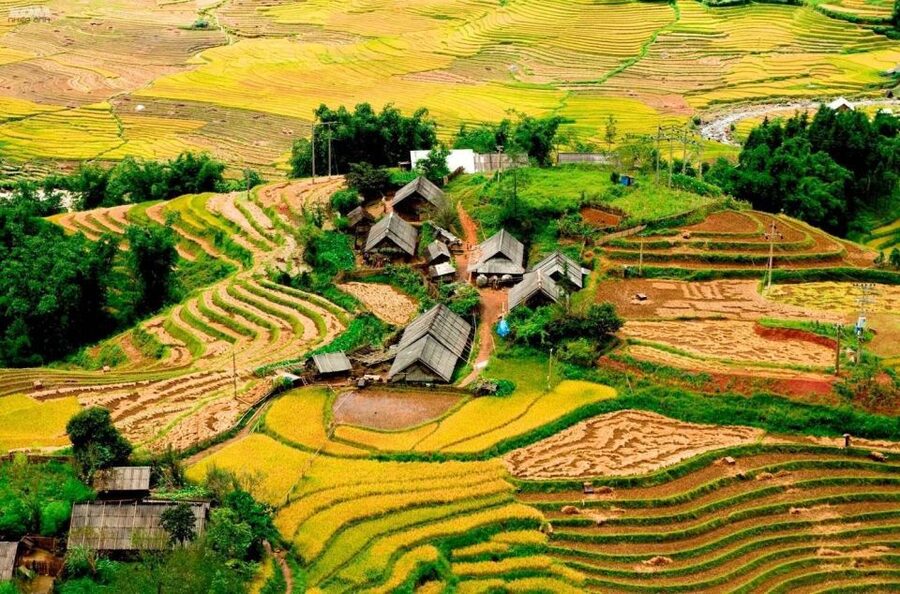
- A 12-kilometer first-day hike: Expect rice fields, village paths, steep sections, and slippery clay.
- A friendly family homestay: Mama Zuzu and other local hosts provide beds, towels, hot showers, and generous meals.
- A genuine food experience: You may help prepare dinner, though cooking participation can vary.
- A choice on day two: Pick a further hike through villages and bamboo forest, or spend time helping with farm work.
- Good value at $71: Transport, guide, two lunches, dinner, breakfast, entrance fees, two hikes, and the homestay are included.
- Come prepared for rural conditions: Bring proper trekking shoes, clothes that can get dirty, water, cash, and a jacket.
Why this Sapa trip works so well
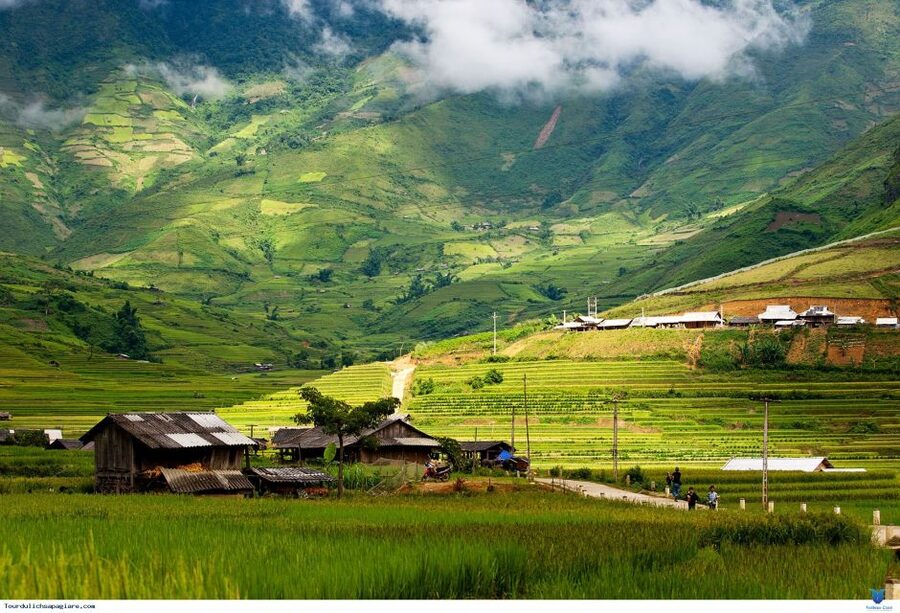
Sapa is famous for its steep rice terraces and mountain villages, but a short visit in town only gives you part of the picture. This trip gets you out into the countryside quickly and places the overnight stay at the center of the experience.
I like the balance. You get the major Sapa scenery, but you also spend time eating and talking with a local family rather than simply stopping for photos. The pace includes long walks, meals in local restaurants, and free time in Sapa town, so it does not feel like two nonstop days on a bus.
At $71 per person, the package offers solid value. You are paying for return transport from Hanoi, a local English-speaking guide, two guided hikes, one night of accommodation, four included meals, and entrance fees. You still need money for drinks, snacks, souvenirs, and personal costs, but the main expenses are covered.
The group experience can also add to the fun. Some departures have around 11 to 14 people, enough to meet other people without making the walk feel like a large parade. Group size can vary, so do not expect a private trek.
More Sapa treks and homestays:
- Sapa 2 Days 1 Night From Hanoi – Overnight in Ta Van Village
★ 5.0 · 2,669 reviews - Hanoi – Sapa 2 Days 1 Night Overnight At Homestay
★ 5.0 · 899 reviews - Sapa 3 Days 2 Nights Trekking Tour (1 Night In Ta Van Village, 1 Night In Hotel)
★ 5.0 · 699 reviews
The early ride from Hanoi to Sapa
Pickup takes place at your accommodation in Hanoi’s Old Quarter between 6:00 and 6:45 in the morning. The exact time depends on your hotel location, and the operator confirms it by email or WhatsApp after booking.
You first transfer by shuttle to an air-conditioned sleeper bus. The drive includes a stop to stretch your legs and enjoy the changing scenery. Several people found the bus comfortable, with some mentioning blankets, charging ports, and Wi-Fi on a bus upgrade. Since the transport description lists a sleeper bus, check the exact bus arrangement included with your booking.
The ride uses much of the morning, but that is the tradeoff for reaching Sapa without arranging separate transport. You arrive around 12:30 to 1:00 p.m., meet your local guide, and eat lunch at a local restaurant before walking.
This timing matters. You are not starting the trek at sunrise, so the first afternoon is active and fairly full. Wear your walking shoes from the start, keep water handy, and avoid packing your day bag with anything you will not need.
Walking from Ylinh Ho through Lao Chai
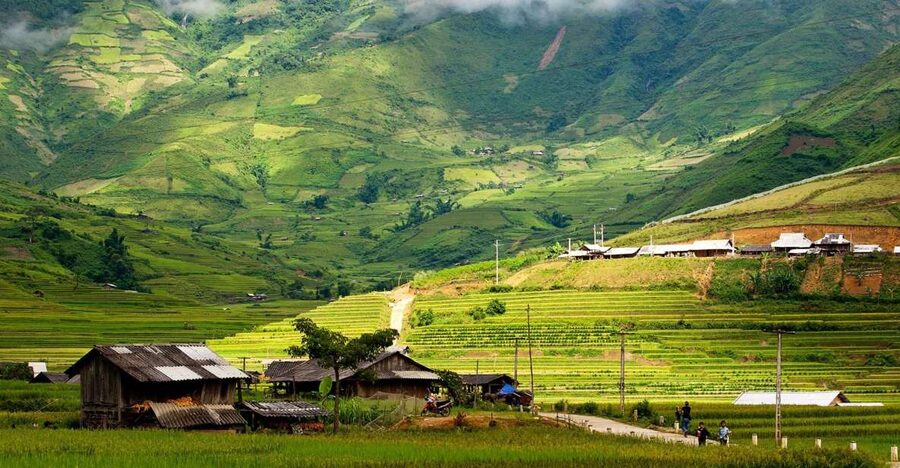
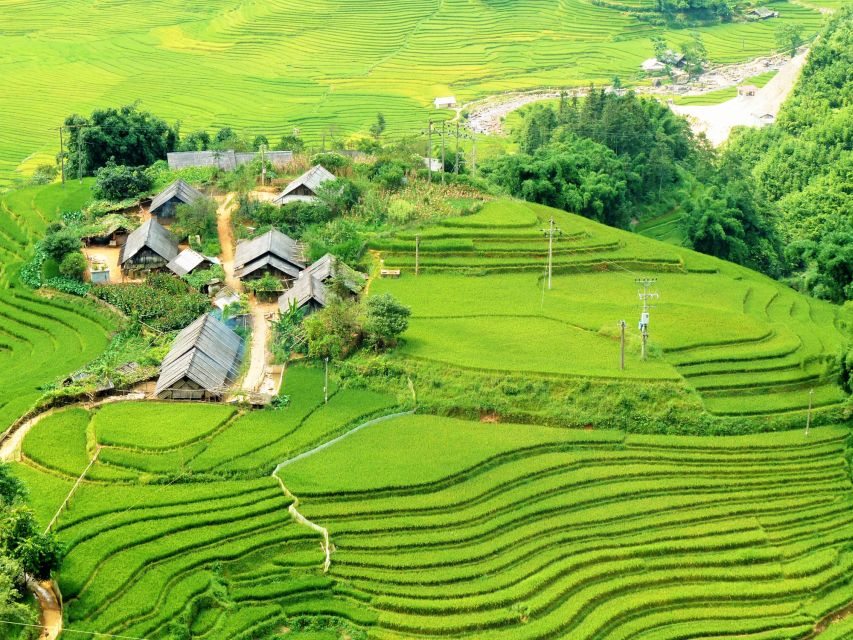
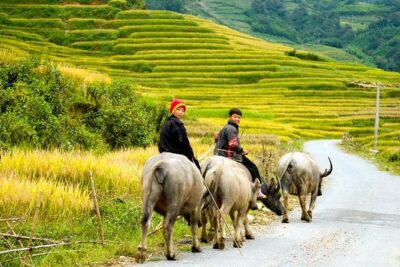
After lunch, the trek heads through Ylinh Ho, Lao Chai, and Ta Van. The route crosses rice terraces, corn fields, and potato fields, with views that change as the path rises and drops through the hills.
Lao Chai is one of the key village sections of the trip. You meet local H’Mong people and see daily life at a closer range than you would from a bus or town viewpoint. Your guide explains local customs and helps you understand the villages as lived-in communities, not just scenic backdrops.
The walking is moderate for some people and strenuous for others. Reviews describe steep climbs, muddy stretches, and slippery clay. Rain can turn an ordinary path into a careful footwork exercise. One pair of ordinary canvas shoes was not enough for the mud, so I would choose sports shoes with a strong grip or proper trekking shoes.
The 12-kilometer distance is manageable if you are accustomed to walking, but the surface makes it harder than the number suggests. If your knees, back, or balance are a concern, read the restrictions carefully. The trip is not suitable for children under eight, pregnant people, wheelchair users, people with heart or back problems, people over 70, or anyone over 100 kilograms.
A waterfall provides a welcome break. It is a good place to pause, cool down, and take in the surrounding countryside before continuing toward the homestay.
Arriving at the Ta Van homestay
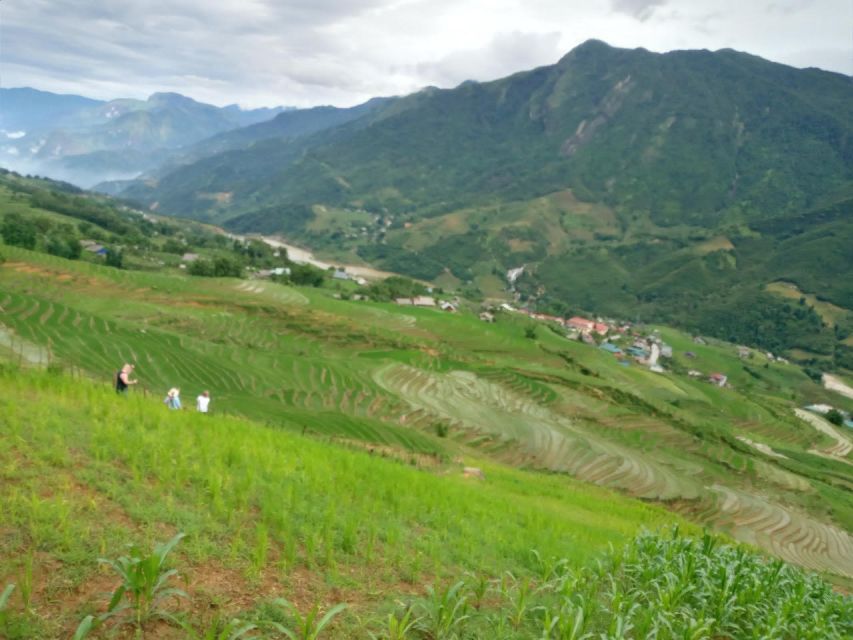
The homestay is in or near Ta Van, with the local guide’s family welcoming you for the night. Names connected with this experience include Mama Zuzu, Mama Leto, and Mama Ling. The host may vary, but the basic idea remains the same: you stay in a local home rather than a conventional hotel.
The accommodation is simple but more comfortable than the word homestay might suggest. Rooms may have separate beds, blankets, fans, and towels. Several people found the beds firm, though extra duvets were available. Hot water, shampoo, shower gel, Wi-Fi, and charging points have also been available at the host house.
The bathroom is shared, and it may be outside the sleeping room. That is normal for the setting, but it is worth knowing before you book. You are getting a clean and practical place for one night, not a resort room.
The real value comes after the walk. You sit down with the host, eat together, and see how a family meal comes together. The program says you may gather vegetables and help cook local dishes. In practice, the level of participation can vary. Some groups make spring rolls or help with preparation, while others arrive tired and find dinner already served.
That is not necessarily a problem. After several hours on muddy paths, a prepared meal can feel like a gift. Still, if hands-on cooking is your main reason for booking, keep your expectations flexible.
More hiking tours in Hanoi:
- Halong Bay Full Day with Kayaking, Hiking viewpoint, Cave – Deluxe To Luxury
★ 5.0 · 884 reviews - 3-Day Trekking Adventure of Sapa from Hanoi – Stay Ta Van Village
★ 5.0 · 611 reviews - 3D and 2N Lan Ha Bay Cat Ba Island Kayaking & Trekking with Vega
★ 5.0 · 593 reviews - 2-Day Sa Pa Ethnic Homestay Tour & Trek with Limousine Bus
★ 4.8 · 440 reviews
Dinner, happy water, and village hospitality
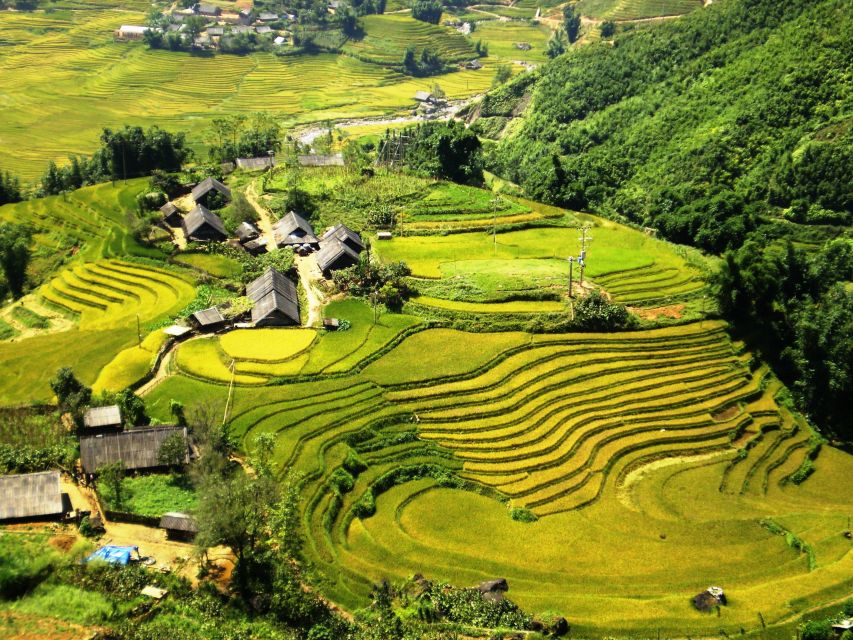
Dinner is often one of the strongest parts of the trip. Food is plentiful, with vegetarian options available, and the hosts take care to feed the group well. Meals may include several shared dishes, and breakfast can include pancakes, bananas, chocolate sauce, and honey.
The evening can become lively. Some groups share happy water, the local name used for rice liquor, and bring out a karaoke machine. You do not have to join in, but the singing and group conversation can turn the homestay into a memorable cultural exchange.
This is also where the experience feels less polished and more personal. You are not watching a staged cultural show. You are eating in a family home, sharing a table with your guide, host, and fellow walkers.
Be respectful of the household. Follow your host’s lead, ask before photographing people, and remember that the family is sharing its home with you. A little patience goes a long way when communication crosses languages.
Choosing your second-day route
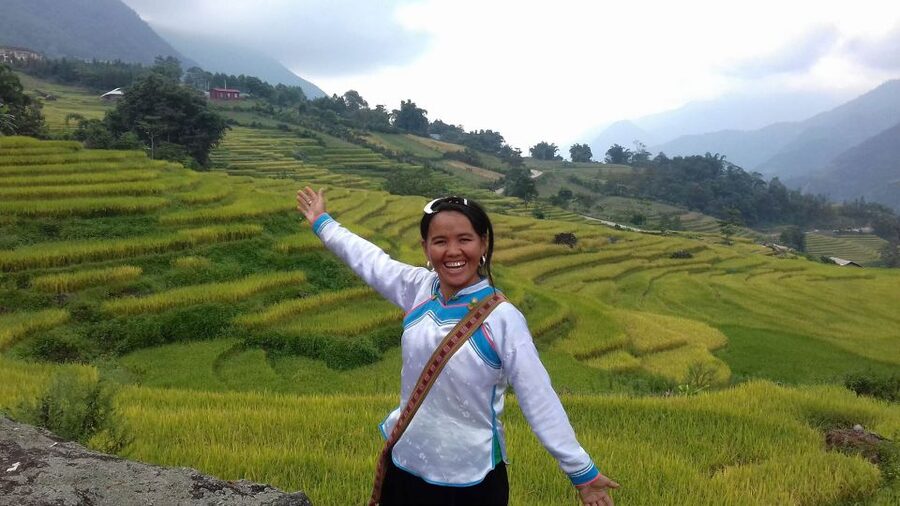
Day two starts with breakfast and another activity choice. You can hike farther toward villages and a bamboo forest, or spend time on the farm with local people. Depending on the season and the work available, you might try planting, harvesting, or caring for plants.
The bamboo forest option is a strong choice if you want more scenery and walking. Several people especially enjoyed the bamboo section, and the second hike offers another look at the area without repeating the first route exactly.
The farming option suits you if you want a quieter, more hands-on morning. It also gives the trip a stronger connection to the food you ate the night before. This is a useful choice for anyone who prefers daily village life to another long walk.
The description presents these as options, but availability may depend on weather, local conditions, and the group. Ask your guide what is practical on the day.
After lunch at a local restaurant, you return to Sapa town by shuttle. You have free time to visit the market, walk around town, or shop before the bus leaves.
Free time in Sapa before the ride home
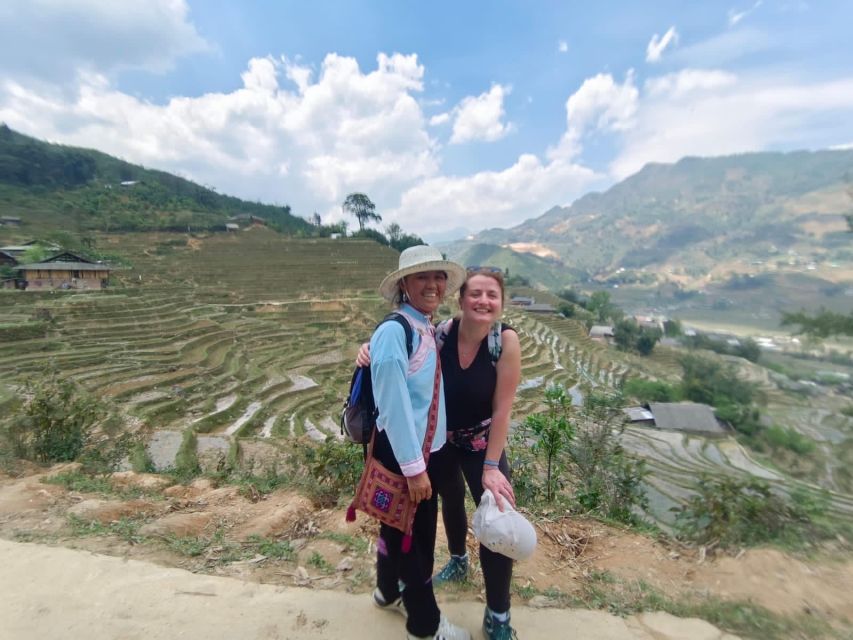
The Sapa stop is brief, but it gives you a chance to see the town beyond the rural villages. You can browse the local market, buy small items, or simply find a drink and rest your legs.
Do not count on a long sightseeing window. The sleeper bus leaves around 3:00 p.m., and the return journey reaches Hanoi’s Old Quarter between 9:30 and 10:00 p.m. This makes the final day long, but it also means you return directly to Hanoi instead of arranging another night in Sapa.
The drop-off is at 166 Tran Quang Khai in the Old Quarter, rather than necessarily at your hotel door. Plan your onward movement with luggage and the late arrival in mind.
What to pack for the mud and hills
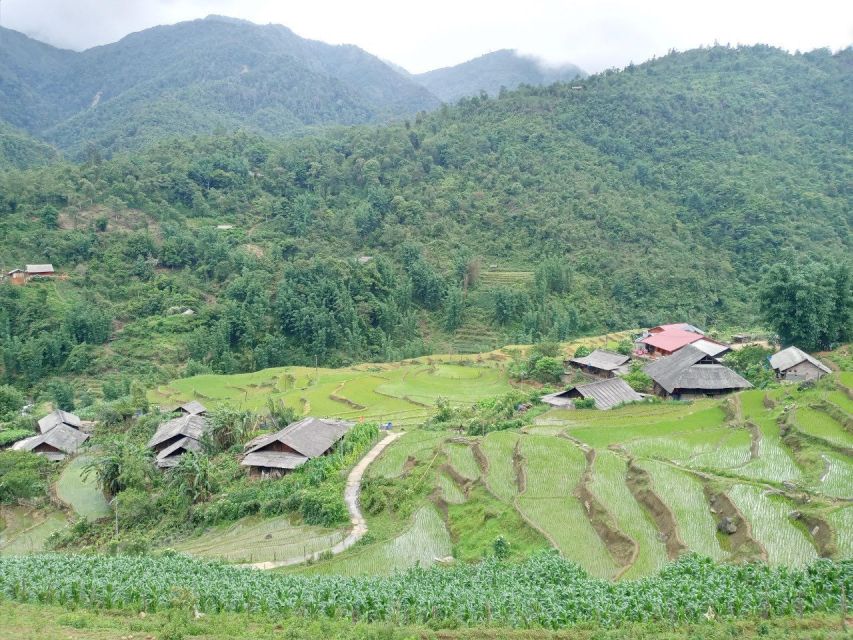
Your footwear matters more than almost anything else. Bring sports shoes with good grip or trekking shoes, and avoid anything smooth-soled. The paths can be slippery, and several steep sections become harder when wet.
Pack lightly, but include:
- A change of clothes
- Breathable outdoor clothing
- A jacket
- Water and extra drinks
- Clothes that can get dirty
- Cash for personal expenses and possible purchases
- A charged smartphone
- A pen and personal documents
You may be able to send larger bags ahead to the homestay. This is worth asking about, since walking 12 kilometers with a full pack would make the day harder.
Rain does not automatically ruin the trip. Mist, mud, and wet paths can make the walk more demanding, but the guide keeps an eye on the group and helps people through difficult parts. Still, check the weather before booking if clear mountain views are important to you.
The souvenir sellers and local interactions
Local women may join parts of the walk, particularly on steep or difficult sections. They can offer physical help and company, then sell items such as bracelets, scarves, or other handmade goods at the end.
This can feel intrusive if you are not expecting it. You may need to say no several times. You are not required to buy anything, and it is sensible to decide in advance what you are comfortable spending.
I would treat this as part of the local commerce around the trekking route, not as a reason to reject the whole experience. A polite but firm no thank you is enough. If you do buy something, pay what you consider fair rather than feeling pressured by the walk.
Who should book this two-day trek
I would choose this trip if you want Sapa’s scenery and a direct connection with village life, but do not want to organize buses, guides, meals, and accommodation separately.
It suits people who:
- Enjoy active days outdoors
- Want a social group experience
- Are comfortable with basic accommodation
- Like shared meals and local family contact
- Can manage steep, muddy paths
- Want good coverage for a modest price
I would look elsewhere if you need private facilities, a relaxed pace, guaranteed cooking participation, or a fully polished hotel experience. This is also a poor fit if you have mobility, heart, or back problems.
The 4.8 rating from 704 reviews reflects the strongest parts of the trip: the scenery, the food, the guides, and the warmth of the host families. The same experience can be less enjoyable if you arrive in unsuitable shoes or expect a gentle walk.
Should you book it?
Yes, if you want a practical introduction to Sapa that combines terraced-field trekking with a real homestay. The trip gives you a lot for $71, especially with return transport and meals included.
Book it with the right mindset. Bring proper shoes, accept that the bathroom is shared, expect some selling along the route, and stay flexible about the cooking activity. If you do, the reward is a memorable two days with mountain views, generous food, local hosts, and a much closer look at life around Sapa than a quick town visit can provide.
FAQ
Where does the tour pick me up in Hanoi?
Pickup is from accommodation in Hanoi’s Old Quarter. The shuttle usually arrives between 6:00 and 6:45 a.m., with the exact time confirmed after booking.
How long is the trek?
The first day includes a guided hike of about 12 kilometers through Ylinh Ho, Lao Chai, and Ta Van. Day two includes a second hike or a farming activity, depending on the option available.
Is the hike difficult?
The hike can be moderate to strenuous because of steep climbs, slippery clay, and muddy sections. Proper trekking or sports shoes are strongly recommended.
Where do I sleep?
You spend the night in a local homestay in the Ta Van area. Facilities are basic, with shared bathroom arrangements, though rooms may include beds, blankets, fans, and towels.
What meals are included?
The package includes one dinner, one breakfast, and two lunches. Drinks and food not listed in the itinerary cost extra.
Can I help cook dinner?
The program includes cooking with the host and may involve gathering vegetables or preparing local dishes. The level of participation can vary, and some groups may have dinner served after arriving.
Is cancellation available?
You can cancel up to 24 hours in advance for a full refund. The activity also allows you to reserve now and pay later.
More 2-day tours in Hanoi
- Amanda Cruise – Ha Long, Lan Ha Bay – All Inclusive 2D1N & 3D2N
★ 5.0 · 4,358 reviews - Hanoi: 2-Day Halong & Lan Ha Bay 5-Star Cruise with Balcony
★ 4.8 · 3,300 reviews - Halong Bay – Le Journey Cruises – All Inclusive 2D1N and 3D2N
★ 5.0 · 2,500 reviews - Mon Chéri Cruise 5 star: Unique 2 Days Tuan Chau – Halong bay – Lan Ha Bay
★ 5.0 · 2,422 reviews
Just added to the Hanoi list
- (TOP) Private car: Hanoi/Noi Bai Airport (HAN) from/to Ninh Binh★ 3.5 · 16 reviews
- Thang Long Water Puppet Theater★ 4.5 · 45 reviews
- Private car transfer from Hanoi Airport to Hotels★ 4.5 · 5 reviews
- Private Tour Ninh Binh 1 Day★ 5.0 · 5 reviews
- Private Hanoi Old Quarter Food Tour with 8+ Authentic Tastings★ 5.0 · 11 reviews
- Private Transfer Service from Hanoi to Ha Long Bay★ 5.0 · 3 reviews
- Private Transfer Between Hanoi City and Noi Bai Airport (HAN)★ 5.0 · 3 reviews
- Ba Be National Park With Boat Trip, Kayaking, Swimming, Trekking And Cycling★ 5.0 · 10 reviews
Sapa Tours from Hanoi, compared.
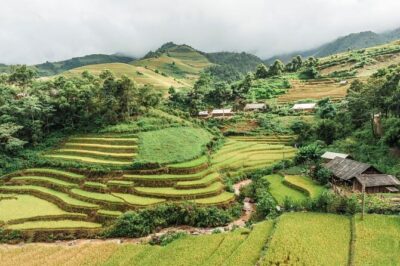
Sapa 2 Days 1 Night From Hanoi – Overnight in Ta Van Village
Read our review →
Sapa 3 Days 2 Nights Trekking Tour (1 Night In Ta Van Village, 1 Night In Hotel)
Read our review →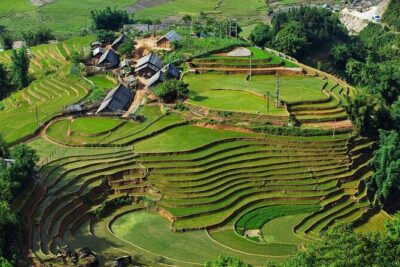
3-Day Trekking Adventure of Sapa from Hanoi – Stay Ta Van Village
Read our review →
2-Day Sa Pa Ethnic Homestay Tour & Trek with Limousine Bus
Read our review →
Sapa 2 Days 1 Night From Hanoi – Overnight in Hotel
Read our review →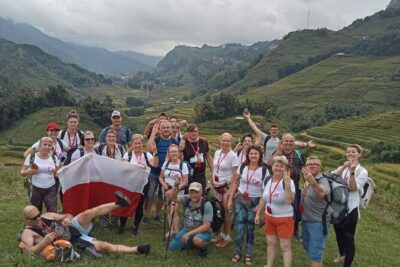
Sapa 3 Day 2 Night Trekking With Hotel & Homestay
Read our review →
Browse the lists this tour appears in